Optimization of Circular Seams in Heavy Equipment Manufacturing
In the production of construction machinery, specifically hydraulic cylinders, drive shafts, and undercarriage rollers, the structural integrity of circular joints is paramount. The shift toward an Automatic Girth Seam Welder represents a transition from variable manual output to standardized mechanical precision. For industrial engineers, the primary objective is to maximize the deposition rate while minimizing the heat-affected zone (HAZ) to maintain the metallurgical properties of high-strength steels.
Narrow Gap Welding (NGW) is an advanced technique where the groove angle is significantly reduced, often to less than 10 degrees. Unlike conventional V-groove preparations that require massive amounts of filler wire, NGW focuses on deep penetration within a tight corridor. When applied to girth seams, this requires a robotic system capable of maintaining a consistent stick-out and torch angle despite the continuous rotation of the workpiece. The synergy between NGW and robotic automation ensures that the arc remains centered, preventing sidewall lack-of-fusion—a common defect in manual heavy-gauge welding.
The MAG Process in Robotic Girth Welding
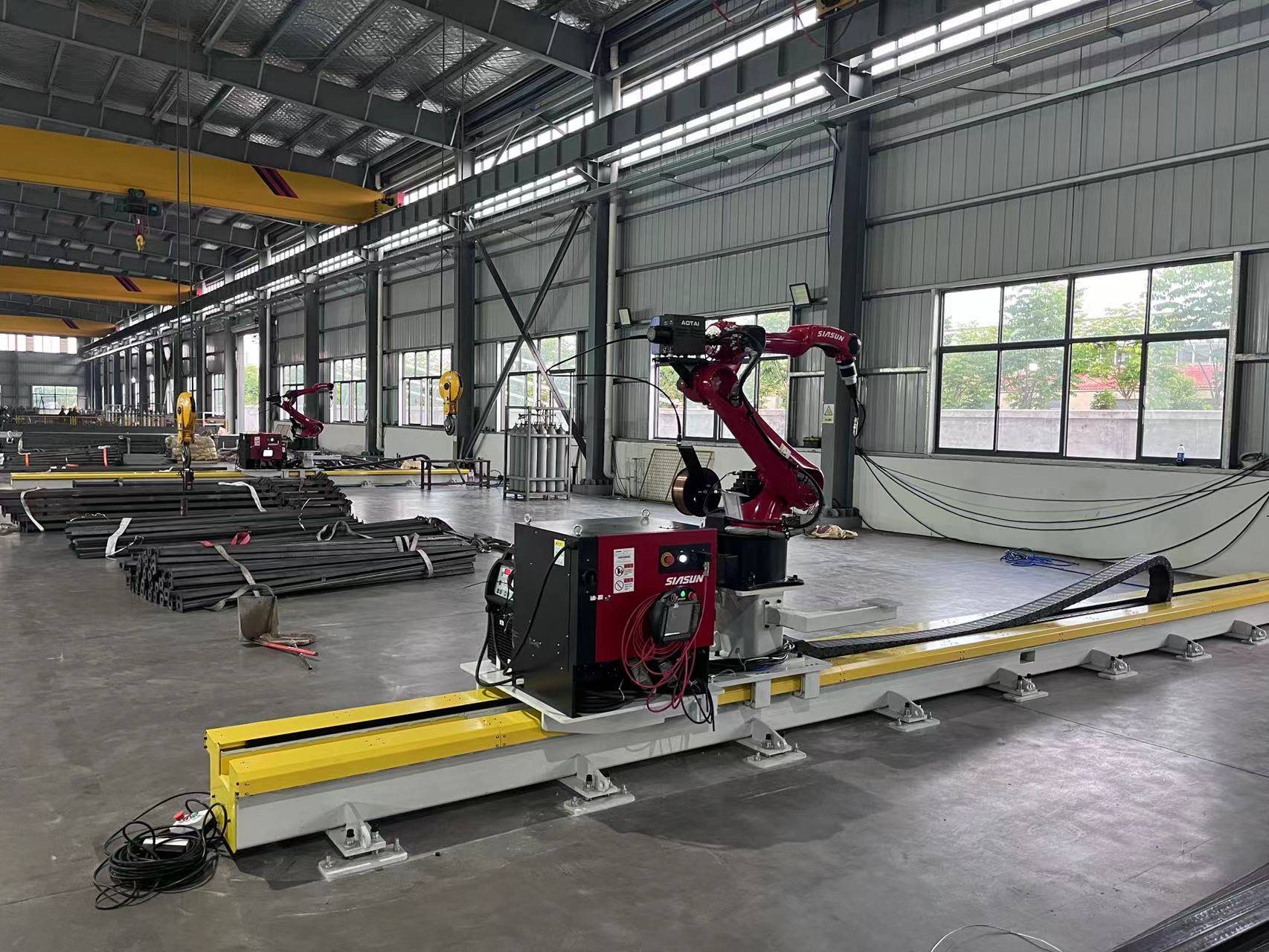
Metal Active Gas (MAG) welding serves as the backbone for Construction Machinery fabrication. Utilizing a shielding gas mix, typically Argon and Carbon Dioxide, the process allows for high-velocity metal transfer. In an automated girth seam environment, the power source must be integrated with the robot controller to adjust parameters in real-time based on the rotational speed of the component.
Waveform Control and Penetration
Modern robotic MAG systems utilize pulsed-spray transfer to manage the weld pool in various positions. As the girth seam rotates, the gravitational pull on the molten puddle changes. Robotic sensors and sophisticated software adjust the waveform to ensure the bead profile remains convex and free of undercut. This level of control is virtually impossible to maintain manually over an eight-hour shift, particularly on large-diameter components where the welder must constantly adjust their physical stance.
Gas Shielding and Wire Feed Consistency
The efficiency of the MAG process is heavily dependent on the stability of the wire feed system. In a robotic cell, the wire feeder is typically mounted on the robot arm to minimize the distance to the contact tip. This reduction in conduit length prevents wire buckling and ensures a steady feed rate, which is critical for the Narrow Gap Welding technique. Any fluctuation in wire speed would lead to erratic penetration, potentially compromising the load-bearing capacity of the construction machinery part.
Maintenance Protocols for High-Duty Cycle Robots
To sustain a high OEE (Overall Equipment Effectiveness), a rigorous preventative maintenance schedule must be enforced. Robotic Welding cells in heavy industry operate under harsh conditions, including high ambient heat and airborne particulates from the welding fumes.
Consumable Management
The contact tip is the most frequently replaced component. In narrow gap applications, the clearance between the torch nozzle and the workpiece is minimal. Consequently, spatter accumulation can lead to arcing within the nozzle. Automated torch cleaning stations, or “reamers,” must be programmed into the cycle to clean the nozzle and apply anti-spatter liquid every fixed number of components. This minimizes downtime and extends the life of the consumables.
Liner and Drive Roll Inspection
The internal wire liner should be replaced based on the volume of wire consumed rather than waiting for a failure. Metal shavings from the wire can clog the liner, causing friction that the motor cannot overcome, leading to “bird-nesting.” Monthly inspections of the drive rolls for wear and alignment ensure that the torque applied to the welding wire remains consistent, preserving the integrity of the narrow gap bead.
Calibration of the Rotational Axis
The “girth” aspect of the weld relies on the synchronization between the robot and the external axis (the positioner or headstock). Maintenance teams must periodically check the backlash in the gearboxes of these rotators. Even a millimeter of slip can result in a weld overlap or a gap at the tie-in point, necessitating expensive rework or scrapping of the part.
Economic Impact: Labor ROI and Throughput
The transition to robotic welding is driven by the widening gap between labor costs and machine efficiency. In many industrial regions, the scarcity of certified welders capable of performing multi-pass narrow gap welds on heavy plate has reached a critical point. Automation is no longer an option but a necessity for scaling production.
Direct Labor Offset
A manual welder typically operates at a 20% to 30% “arc-on” time due to the need for breaks, repositioning, and helmet adjustments. A robotic girth welder can achieve an arc-on time exceeding 80%. In a standard two-shift operation, one robotic cell can often replace the output of three to four manual stations. The ROI calculation includes the saved wages, benefits, and insurance costs, but it must also account for the reduction in rework. Robots do not suffer from fatigue, ensuring that the last weld of the day is identical to the first.
Material Savings through Narrow Gap Geometry
By implementing Narrow Gap Welding, the volume of filler metal required is reduced by 40% to 60% compared to traditional 60-degree V-grooves. This translates directly into lower procurement costs for welding wire and shielding gas. Furthermore, because less metal is being deposited, the total heat input into the component is lower. This reduces post-weld distortion, eliminating the need for secondary straightening processes—a hidden but significant cost in construction machinery manufacturing.
Quality Assurance and Data Logging
Robotic systems provide digital traceability. Every weld’s voltage, amperage, and gas flow can be logged and tied to a specific serial number. For manufacturers of safety-critical machinery, such as cranes or earthmovers, this data provides a level of quality assurance that manual processes cannot match. The reduction in ultrasonic and X-ray failure rates further accelerates the ROI by streamlining the final inspection phase.
Engineering Conclusion on System Integration
The implementation of an Automatic Girth Seam Welder for construction machinery is a strategic investment in technical stability. By focusing on the MAG process and the specific advantages of narrow gap preparation, manufacturers can overcome the limitations of the manual labor market. The key to success lies in the discipline of maintenance and the precise synchronization of robotic movement with rotational hardware. As the industry moves toward heavier loads and more resilient materials, the precision of robotic narrow gap welding will remain the standard for high-performance structural fabrication.
-
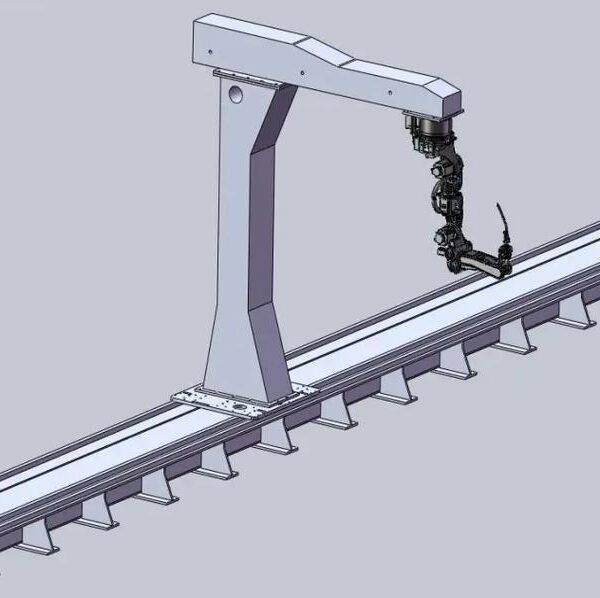

Cantilever Welding Robot solution
-
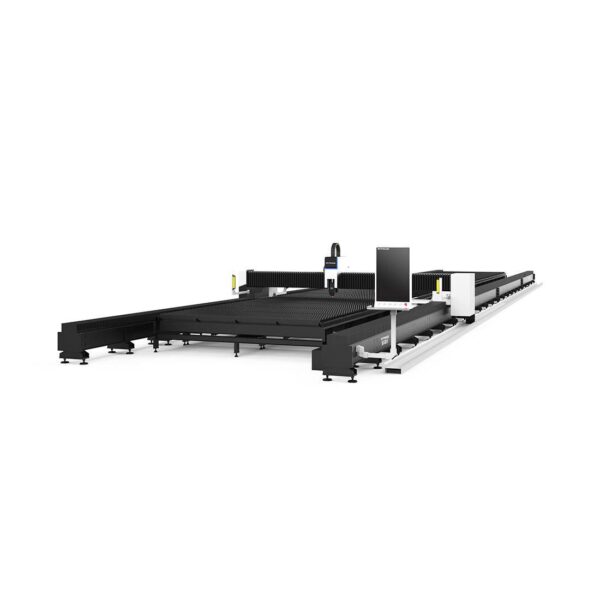

GF laser cutting machine
-
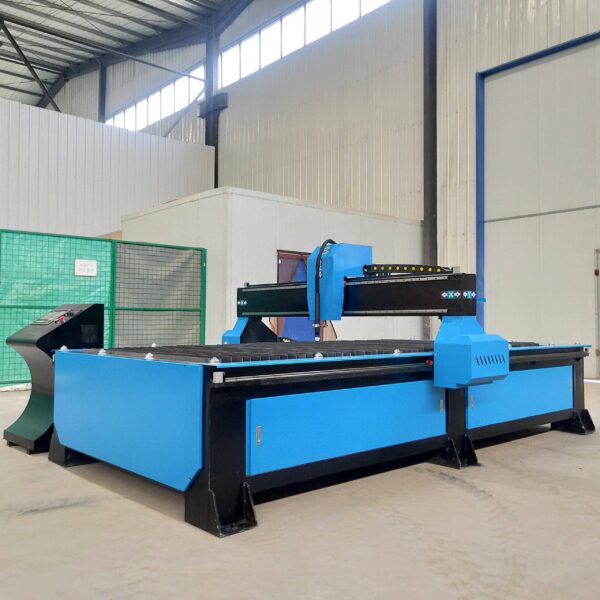
P3015 plasma cutting machine
-

LFP3015 Fiber Laser Cutter
-
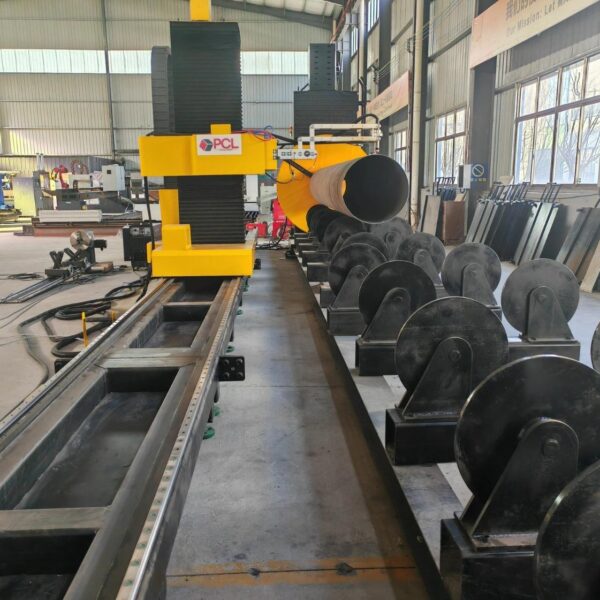
pipe plasma cutting machine
-
LFH 4020 Fiber Laser Cutting Machine
-
LFP4020
-
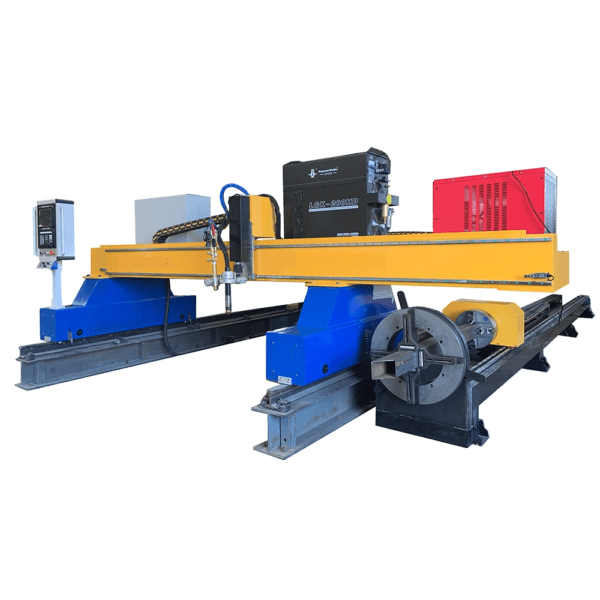
gantry plasma air cutting machine
-
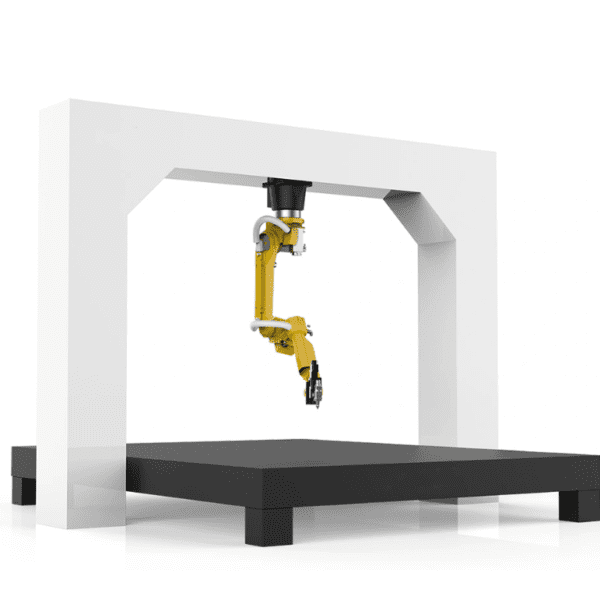
3D robot cutting machine
-
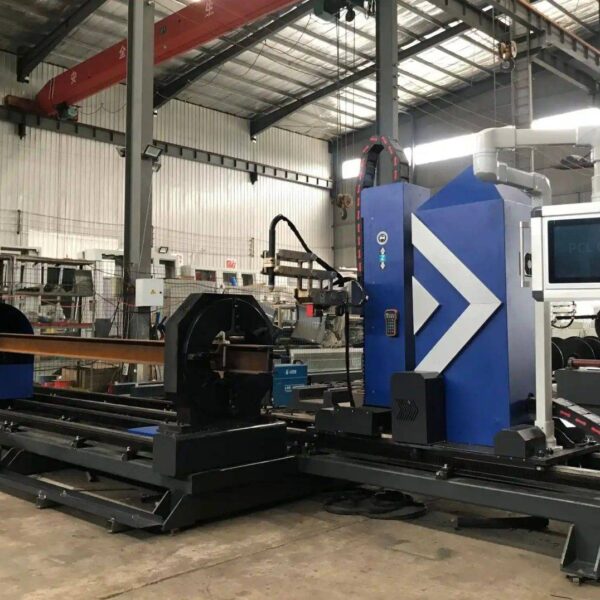
8 axis plasma cutting machine
-
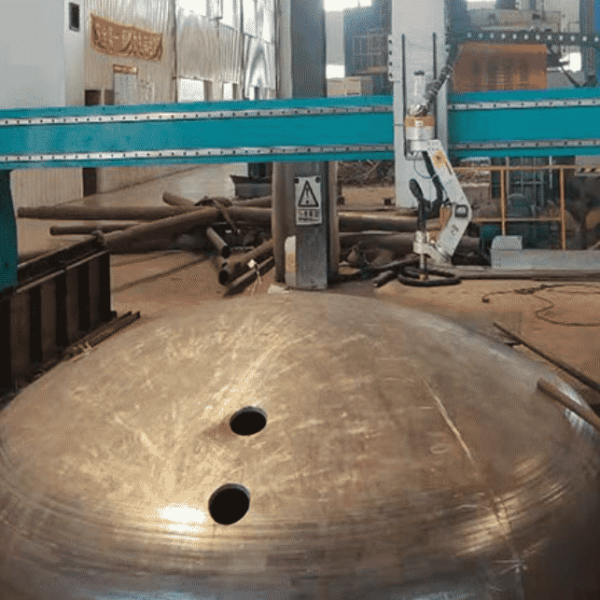
5 axis plasma cutting machine
-

LT360 tube laser cutting machine
-
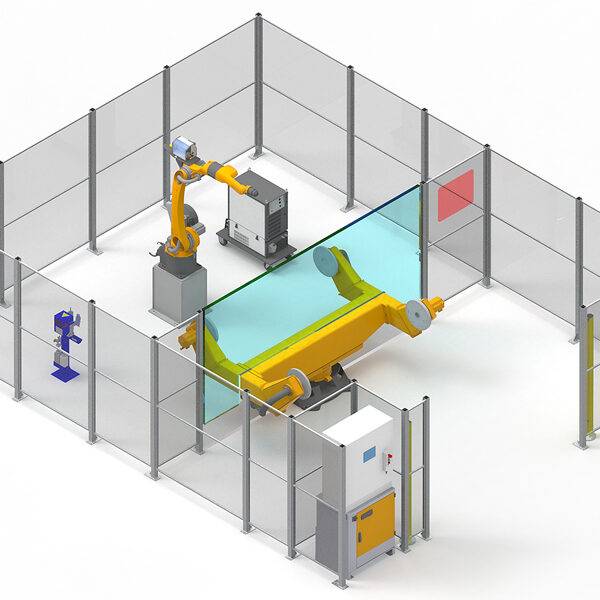
robot welding workstation
-
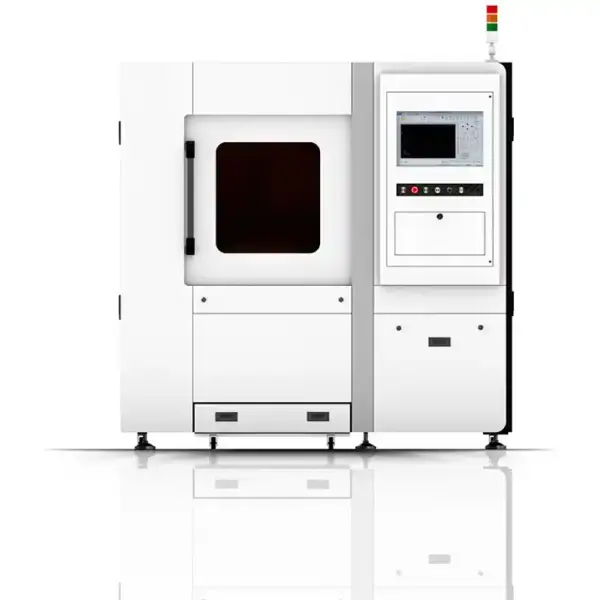
SF6060 fiber laser cutting machine
Advanced Fiber Laser Tube Processing Technology
Our CNC Fiber Laser Tube Cutting systems revolutionize metal fabrication by integrating high-precision cutting, punching, and profiling into a single automated workflow. Designed for versatility, this technology handles a wide array of profiles including Round, Square, Rectangular, and Oval tubes, as well as complex L-shaped and U-shaped channels.
- Precision Punching: High-speed hole punching with micron-level accuracy, eliminating the need for mechanical drilling or die-stamping.
- Complex Profiling: Advanced 3D pathing allows for intricate interlocking joints and specialized notch cuts, ideal for structural frames.
- High Material Efficiency: Intelligent nesting software minimizes scrap, reducing raw material costs across large production runs.
- Clean Finish: Delivers oxide-free, burr-free edges that require zero secondary grinding before welding.

Seamlessly processing multiple profiles with consistent precision.
Global Delivery & Logistics



From our high-tech manufacturing facility directly to your global site. PCL WeldCut ensures secure packaging, professional handling, and reliable international logistics to safeguard your equipment throughout the entire journey.