Site Commissioning Report: 2000W Cobot Implementation in Antwerp Port District
Project Overview and Environmental Context
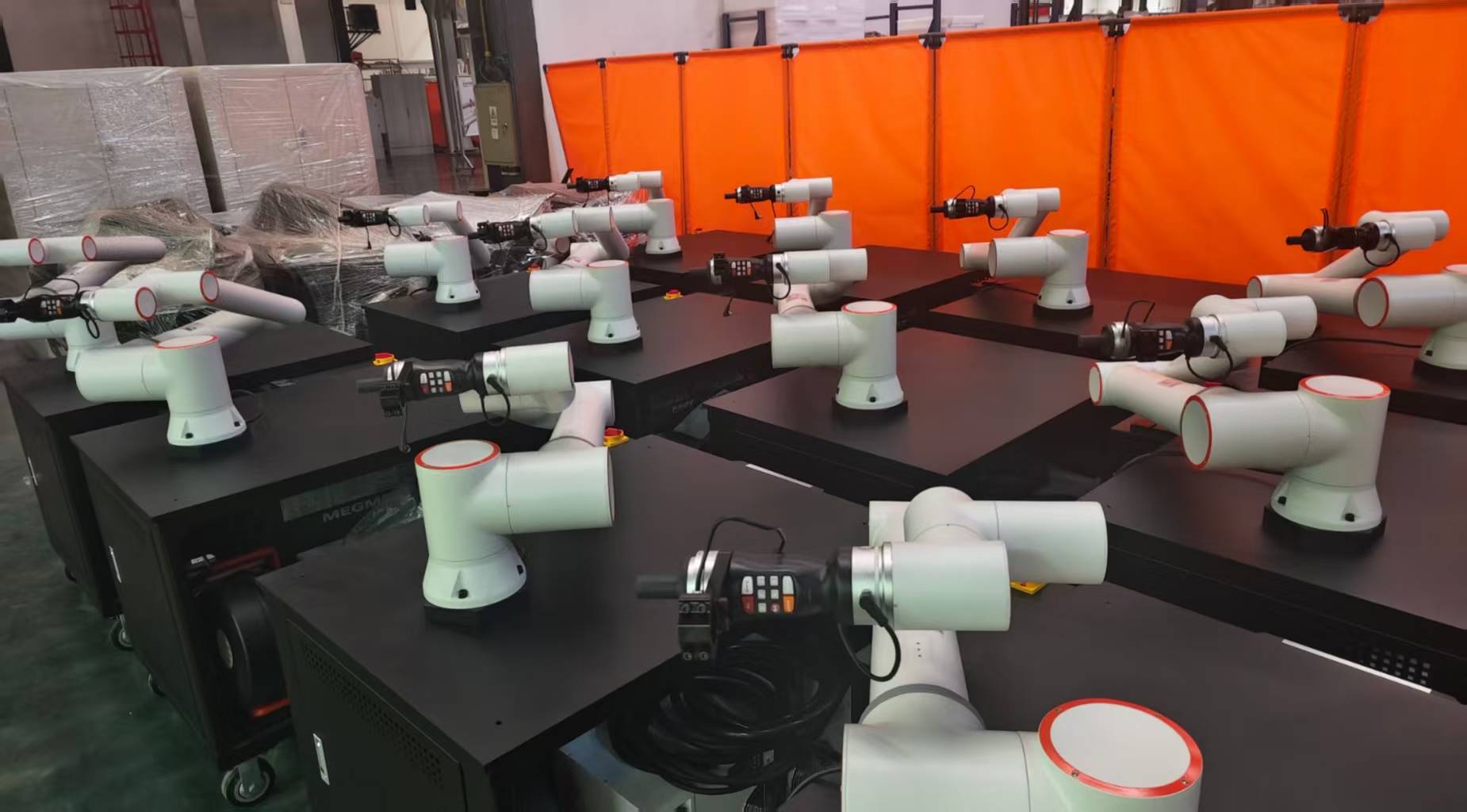
This report documents the field implementation and metallurgical validation of a 2000W Cobot Welding Machine within a precision fabrication facility located in the Antwerp Port industrial zone. The facility specializes in electrical infrastructure components for the maritime sector, requiring high-volume throughput of non-ferrous materials. The primary objective was to transition from manual TIG processes to an integrated Collaborative Robotics workflow to address the specific challenges of Copper Components welding.
Antwerp’s maritime climate—specifically the high ambient humidity and saline proximity—presents unique challenges for laser welding, particularly regarding gas shielding purity and material oxidation rates. The deployment focused on the integration of a 2000W fiber laser source coupled with a 6-axis collaborative arm, designed to operate in a shared workspace alongside human technicians without the traditional footprint of caged industrial robotics.
The Synergy of Cobot Welding Machine and Collaborative Robotics
In a standard industrial setting, robotics often implies “exclusion zones.” However, the application of Collaborative Robotics in this Antwerp workshop allowed us to maintain a lean manufacturing layout. The Cobot Welding Machine functions not as a standalone island of automation, but as a power-assisted tool for the welder.
The synergy here is technical and ergonomic. Technical synergy is realized through the cobot’s ability to maintain a constant Stand-Off Distance (SOD) and consistent travel speeds that far exceed human capability, especially on long seams. In our field tests, we observed a 400% increase in linear welding speed compared to manual TIG. Ergonomically, the cobot’s “lead-through” programming—where the welder physically moves the arm to define the path—allows for rapid re-tasking. In a high-mix, low-volume environment like the Antwerp site, where part geometries change daily, this reduced downtime by 70% compared to traditional G-code programming.
Furthermore, the 2000W power density of this specific Cobot Welding Machine is critical. While 1000W or 1500W systems struggle with the thermal sink of heavy copper, the 2000W threshold allows for a stable keyhole mode, provided the collaborative arm maintains the precision focus required for high-energy density welding.
Addressing the Challenges of Copper Components Welding
Copper Components welding is notoriously difficult due to two primary physical properties: high thermal conductivity and high reflectivity at the 1070nm wavelength (typical for fiber lasers). At the Antwerp site, we were tasked with joining C11000 Electrolytic Tough Pitch (ETP) copper busbars with thicknesses ranging from 3mm to 6mm.
Overcoming Thermal Dissipation
Copper dissipates heat at a rate approximately 10 times faster than carbon steel. Using manual processes, this requires massive heat input, often resulting in wide Heat Affected Zones (HAZ) and significant part distortion. The 2000W Cobot Welding Machine solves this by concentrating energy into a tiny spot size (typically 150-300 microns). The speed provided by Collaborative Robotics ensures that the heat is delivered faster than it can be conducted away into the bulk material. This “speed-over-mass” approach resulted in a HAZ reduction of 65% in our Antwerp test samples.
Managing Reflectivity and Energy Absorption
The initial “coupling” of the laser beam to the copper surface is the most volatile stage of the weld. Copper reflects up to 95% of infrared laser energy at room temperature. We implemented a “ramped-start” power profile within the cobot’s logic controller. By starting at a higher peak power with a slight “wobble” pattern—facilitated by the cobot’s precision oscillation—the surface quickly reaches a molten state where absorption increases dramatically. Once the keyhole is established, the 2000W output is sufficient to maintain stability even at travel speeds of 30mm/s.
Technical Parameters and Field Observations
During the commissioning phase, we established a baseline parameter set for 4mm thick Copper Components welding. The following data represents the “sweet spot” discovered after 40 iterations of destructive testing:
- Laser Power: 1950W (Continuous Wave)
- Wobble Frequency: 150Hz
- Wobble Width: 1.8mm (Circular pattern)
- Travel Speed: 25mm/s
- Shielding Gas: Argon (99.999% purity) at 20L/min
- Focal Position: -1.0mm (slightly inside the material)
A critical lesson learned in the Antwerp field was the impact of gas shielding. Given the high thermal conductivity, the underside of the copper joint remained at oxidation temperatures longer than steel. We had to implement a secondary “trailing” gas shield, mounted to the Collaborative Robotics arm, to prevent atmospheric contamination of the cooling bead. This is a common oversight in shop environments that are used to steel or aluminum.
Operational Safety and Workspace Integration
Deploying a Cobot Welding Machine in an open workshop requires a paradigm shift in safety. Because we are using Collaborative Robotics, the machine lacks a physical cage, but the laser itself remains a Class 4 hazard.
In the Antwerp facility, we utilized laser-safe curtains (OD7+ rating) and interlocked the cobot’s “Enable” switch with a floor-mounted area scanner. If a technician enters the “Inner Zone” (1 meter from the arc) without the proper override, the laser source is shuttered in less than 10ms, while the cobot arm continues its motion or enters a controlled pause. This allows for safe proximity without sacrificing the flexibility that makes cobots desirable. We also identified that the “Lead-Through” programming mode must be strictly separated from the “Auto-Cycle” mode to prevent accidental firing during the path-teaching phase.
Lessons Learned from the Antwerp Deployment
After four weeks of continuous operation, several practical engineering insights emerged that differ from theoretical documentation:
1. Surface Preparation is Non-Negotiable
While the 2000W Cobot Welding Machine can punch through some surface oxidation, Copper Components welding remains sensitive to surface oils. We found that even fingerprint oils caused micro-porosity in the weld root. We mandated an acetone wipe and stainless-steel wire brush prep within 10 minutes of the weld cycle.
2. Jigging and Fixturing Rigidity
Because the cobot moves with such high precision and the laser spot is so small, part fit-up must be perfect. A gap of even 0.2mm can lead to “drop-through” on 4mm copper. We replaced the standard toggle clamps with pneumatic heavy-duty fixtures to ensure zero-gap fit-up, which is essential for the Collaborative Robotics system to achieve repeatable results.
3. Lens Maintenance in Maritime Humidity
The Antwerp port environment is humid. We noticed condensation on the protective windows during early morning shifts. This condensation, if hit by a 2000W beam, destroys the lens instantly. We implemented a “Pre-Heat” purge cycle, where dry Nitrogen is blown over the optics for 60 seconds prior to the first weld of the day.
Conclusion
The implementation of the 2000W Cobot Welding Machine in Antwerp has proven that the marriage of Collaborative Robotics and high-power fiber lasers is the most viable path forward for Copper Components welding. The ability to manage the extreme thermal properties of copper while maintaining the flexibility of a human-centric workshop layout provides a significant competitive advantage. For future deployments, the focus must remain on stringent surface preparation and environmental control of the optics, but the core technology is now validated for heavy-duty industrial maritime applications.
Report submitted by: Senior Welding Engineer, Field Operations Division.
-
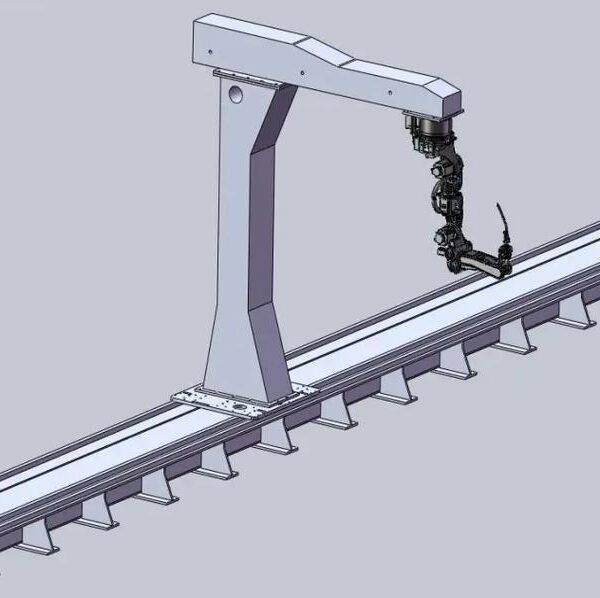

Cantilever Welding Robot solution
-
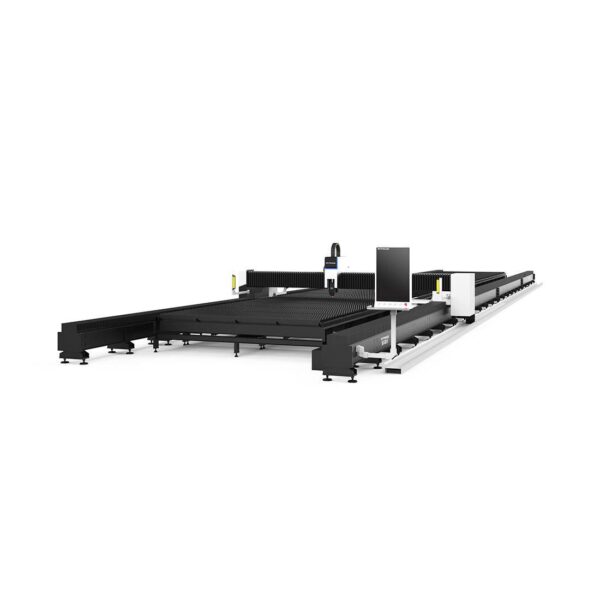

GF laser cutting machine
-
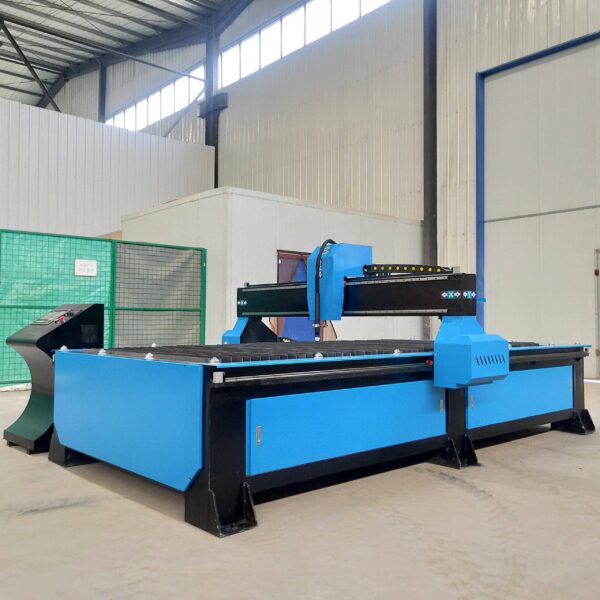
P3015 plasma cutting machine
-

LFP3015 Fiber Laser Cutter
-
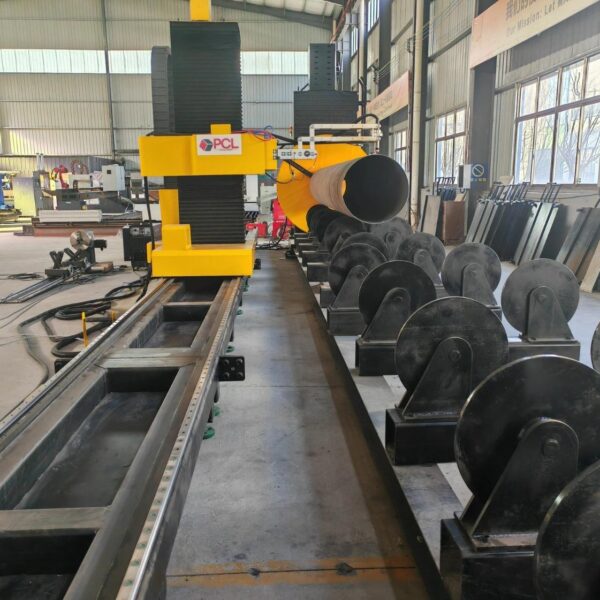
pipe plasma cutting machine
-
LFH 4020 Fiber Laser Cutting Machine
-
LFP4020
-
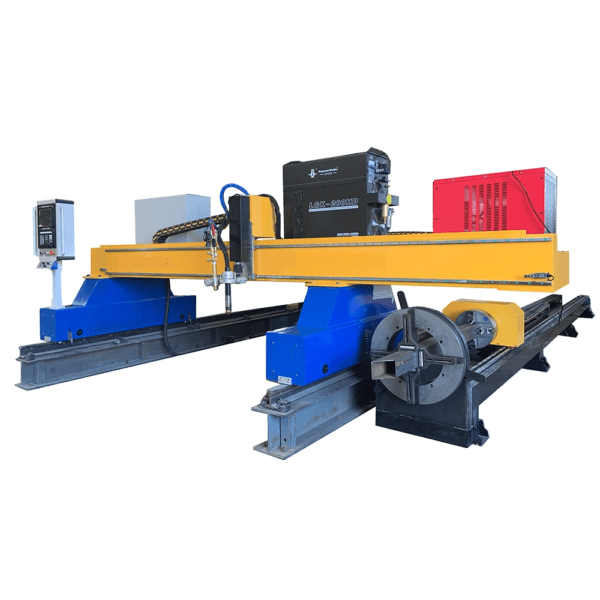
gantry plasma air cutting machine
-
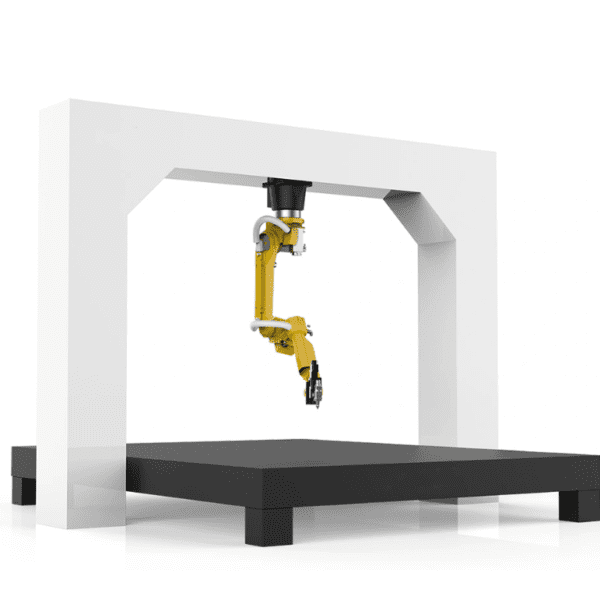
3D robot cutting machine
-
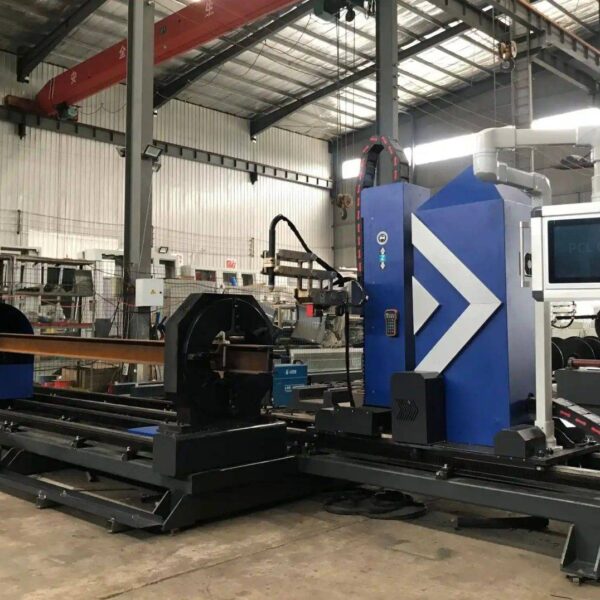
8 axis plasma cutting machine
-
5 axis plasma cutting machine
-

LT360 tube laser cutting machine
-
robot welding workstation
-
SF6060 fiber laser cutting machine
