Field Engineering Report: Commissioning and Optimization of 1500W Automated MAG Welding Cell
1.0 Introduction and Site Context
This report details the technical deployment and operational calibration of a 1500W Automated MAG Welding Cell at a heavy-industrial fabrication facility in Brisbane, Australia. The primary objective was to transition a manual production line for food-grade processing components to an automated workflow. The project centered on the integration of advanced Arc Welding Solutions to address specific throughput bottlenecks and quality inconsistencies inherent in manual processes.
Brisbane’s specific environmental factors—primarily high relative humidity and fluctuating ambient temperatures in the Geebung industrial corridor—presented unique challenges for shielding gas integrity and wire feed consistency. This report focuses on the practical synergy between hardware automation and the metallurgical requirements of high-precision Stainless Steel welding.
2.0 Technical Configuration: The Automated MAG Welding Cell
The core of the installation is the 1500W Automated MAG Welding Cell. Unlike standard manual power sources, this cell utilizes a high-frequency inverter power supply capable of precise waveform modulation. In this context, “1500W” refers to the stabilized output threshold for thin-to-medium gauge applications where thermal management is critical.

2.1 Hardware Integration
The cell incorporates a 6-axis robotic manipulator synchronized with a dual-station rotary positioner. The integration of Arc Welding Solutions within this cell involves a closed-loop feedback system. We utilized an Ethernet/IP interface to allow the power source and the robotic controller to communicate in real-time, adjusting wire feed speed (WFS) and voltage based on the torch’s Tool Center Point (TCP) velocity.
2.2 Synergic Programming
For this Brisbane-based site, we developed custom synergic curves tailored to the specific wire diameters used (predominantly 0.8mm and 1.0mm). The Automated MAG Welding Cell was programmed to utilize pulsed-spray transfer, which is essential for minimizing spatter and reducing the post-weld cleanup often required in Queensland’s competitive fabrication market.
3.0 Implementing Arc Welding Solutions for Process Stability
The term “Arc Welding Solutions” refers to the holistic approach of managing the arc environment, not just the machine settings. In this field application, we focused on three primary sub-systems: gas delivery, wire delivery, and thermal regulation.
3.1 Gas Delivery and Brisbane Humidity
One of the “lessons learned” during the first week of commissioning was the impact of Brisbane’s 85% humidity on gas purity. Even minor moisture ingress in the gas lines led to porosity in the root pass. Our solution involved installing a high-efficiency gas dryer and switching to a localized manifold system rather than long-run overhead lines. We optimized a 98% Argon / 2% CO2 mix to ensure arc stability while maintaining the corrosion resistance of the Stainless Steel welding joints.
3.2 Wire Feed Consistency
Automated MAG Welding Cell performance is tethered to the friction coefficient of the liner. We implemented a ceramic-lined conduit to ensure that the 316LSi wire reached the contact tip without micro-marring. This reduction in friction allowed for a more consistent arc length, which is vital when the 1500W power source is operating at the edge of its duty cycle.
4.0 Specialized Stainless Steel Welding Protocols
Stainless steel welding requires a significantly different approach than carbon steel, particularly regarding heat input and carbide precipitation. In the Brisbane facility, the focus was on 304 and 316-grade austenitic stainless steels used in the beverage industry.
4.1 Heat Input Management
The Automated MAG Welding Cell allowed us to maintain a constant heat input (kJ/mm) that manual welders simply could not replicate. By locking the travel speed at 450mm/min and utilizing a pulsed waveform, we kept the Heat Affected Zone (HAZ) narrow. This is critical for preventing “sugaring” on the backside of the weld and ensuring the chromium content remains in the matrix to prevent localized corrosion.
4.2 Distortion Control
Stainless steel has a high coefficient of thermal expansion. Our Arc Welding Solutions included the design of a specialized water-cooled jigging system. By integrating the cooling cycle into the cell’s PLC, we were able to clamp the workpieces with 5kN of force, welding in a staggered sequence that mitigated the typical “bowing” effect seen in long stainless runs.
5.0 Synergy Between Automation and Local Requirements
The success of the 1500W Automated MAG Welding Cell in a Brisbane workshop environment relies on the synergy between the technology and the Australian Standards (AS/NZS 1554.6). The automation provides the repeatability required for “Pre-Qualified” welding procedures, reducing the cost of ongoing destructive testing.
5.1 Operational Synergy
By deploying these specific Arc Welding Solutions, we reduced the cycle time per component from 14 minutes (manual) to 3.5 minutes (automated). This throughput increase allowed the client to bid on larger infrastructure projects in Western Australia and Northern Queensland, knowing their labor costs were fixed and their quality was digitally logged.
6.0 Lessons Learned and Field Observations
No commissioning process is without friction. Below are the primary technical takeaways from this installation:
6.1 The “Contact Tip Constellation”
We initially faced premature contact tip failure. Under the high-duty cycles of an Automated MAG Welding Cell, standard copper tips were softening. We switched to Silver-Plated Zirconium-Copper tips. While the unit cost is higher, the “solution” resulted in a 400% increase in tip life, reducing cell downtime significantly.
6.2 Earth Grounding in High-Frequency Environments
Brisbane’s industrial power grids can be “noisy.” We encountered intermittent logic errors in the robotic controller during high-amperage pulses. The lesson learned was the necessity of a dedicated copper earth stake for the cell, separate from the main building’s PE (Protective Earth). Once isolated, the communication errors between the Arc Welding Solutions software and the robot ceased.
6.3 Stainless Steel Surface Prep
Despite the precision of the Automated MAG Welding Cell, the weld is only as good as the preparation. We found that the humid Brisbane air promoted a thicker oxide layer on stainless plates stored outside. We implemented a mandatory mechanical “bright-metal” prep within four hours of the welding cycle to ensure zero inclusions in the weld pool.
7.0 Conclusion
The deployment of the 1500W Automated MAG Welding Cell has transformed the production capabilities of the Brisbane site. By focusing on the practical application of integrated Arc Welding Solutions, we have successfully addressed the inherent difficulties of Stainless Steel welding in a sub-tropical climate. The resulting system produces welds that exceed AS/NZS 1554.6 requirements while providing a 4x increase in production velocity.
Future phases will involve integrating a laser-seam tracking sensor to further enhance the cell’s ability to compensate for minor fit-up variations in large-scale stainless tanks. For now, the cell is stabilized, calibrated, and performing within the specified ±0.05mm tolerance parameters.
Senior Welding Engineer: J. Miller
Location: Brisbane, QLD, Australia
Date: October 2023
-
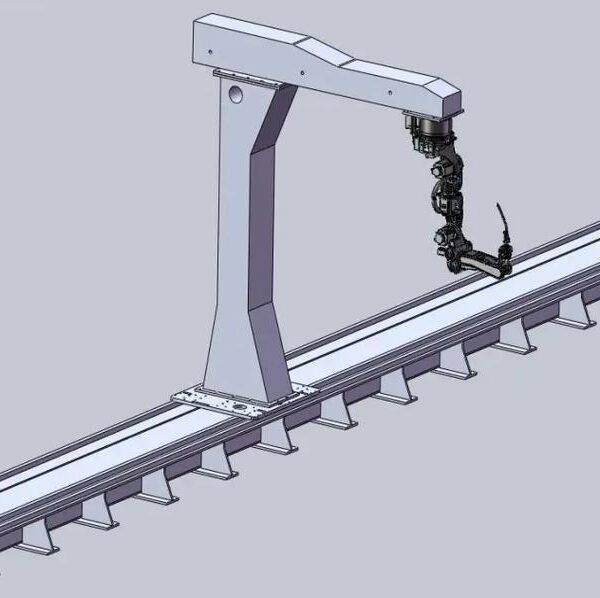

Cantilever Welding Robot solution
-
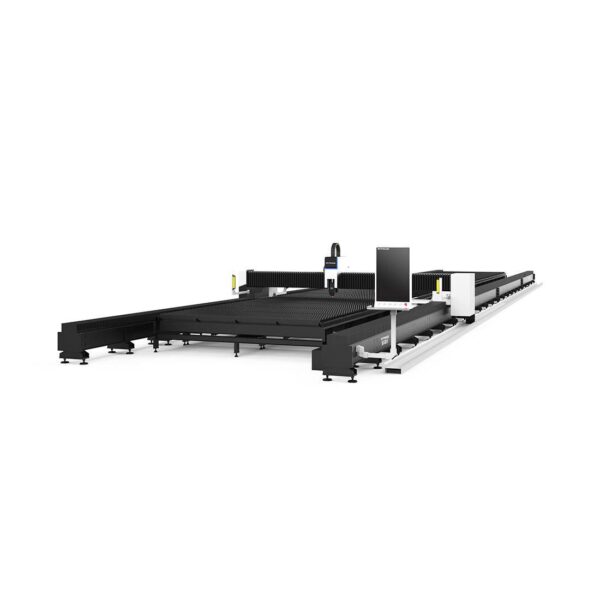

GF laser cutting machine
-
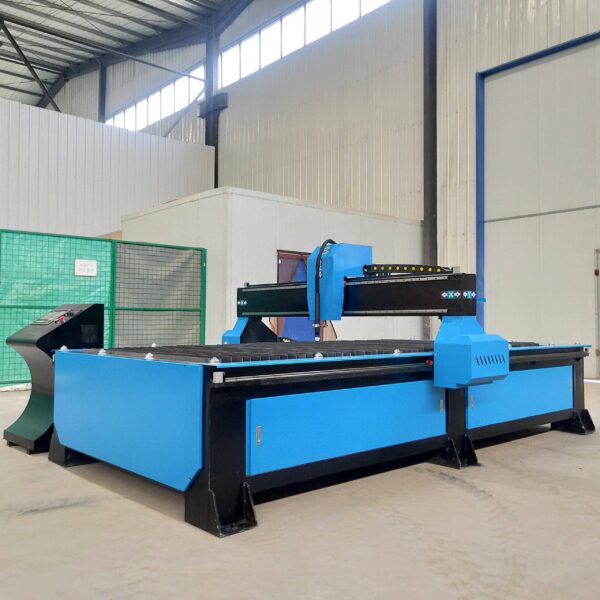
P3015 plasma cutting machine
-

LFP3015 Fiber Laser Cutter
-
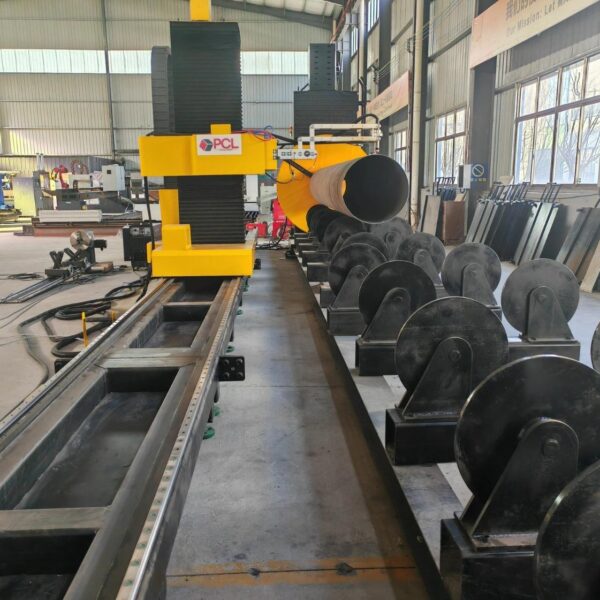
pipe plasma cutting machine
-
LFH 4020 Fiber Laser Cutting Machine
-
LFP4020
-
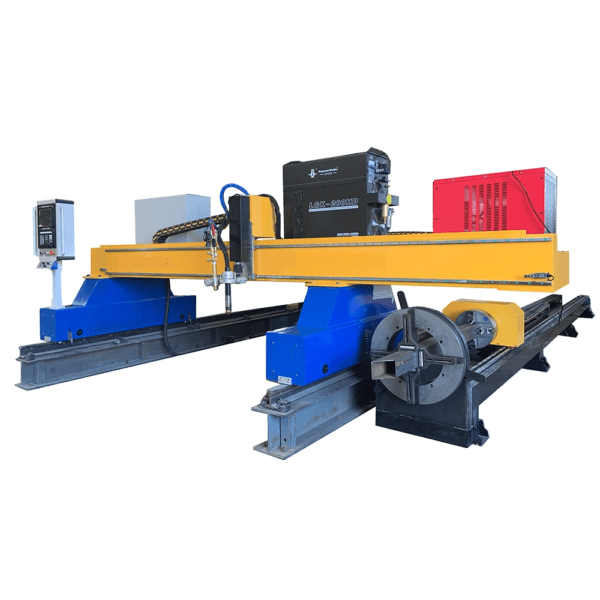
gantry plasma air cutting machine
-
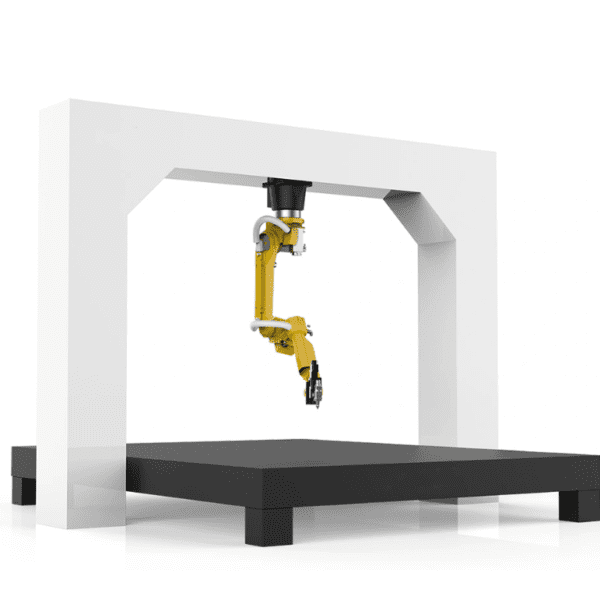
3D robot cutting machine
-
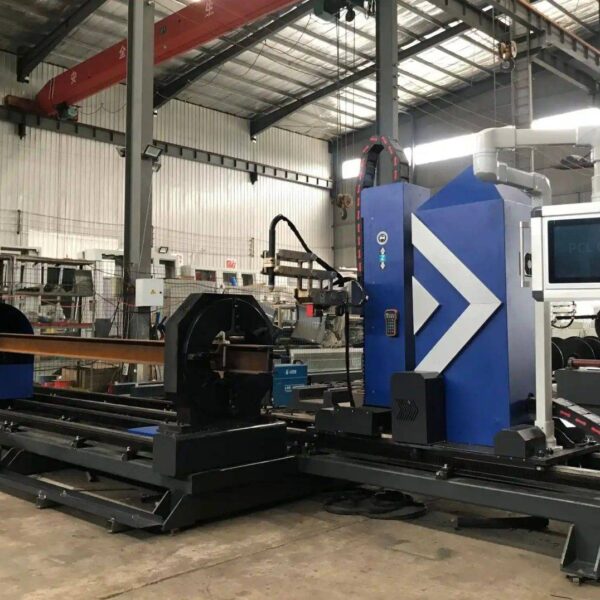
8 axis plasma cutting machine
-
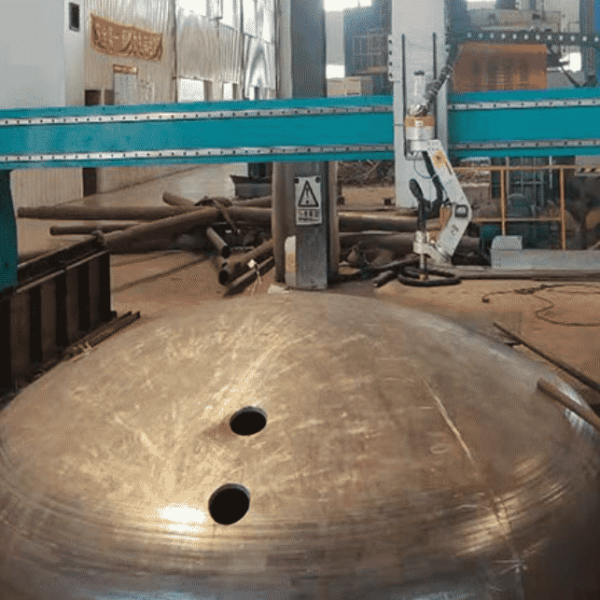
5 axis plasma cutting machine
-

LT360 tube laser cutting machine
-
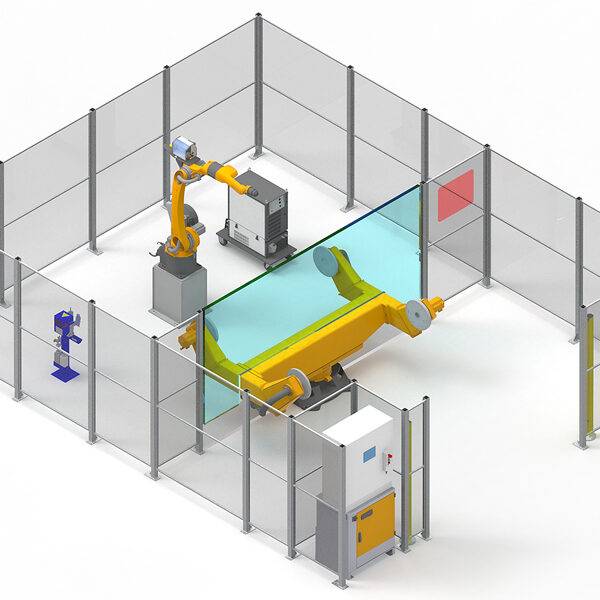
robot welding workstation
-
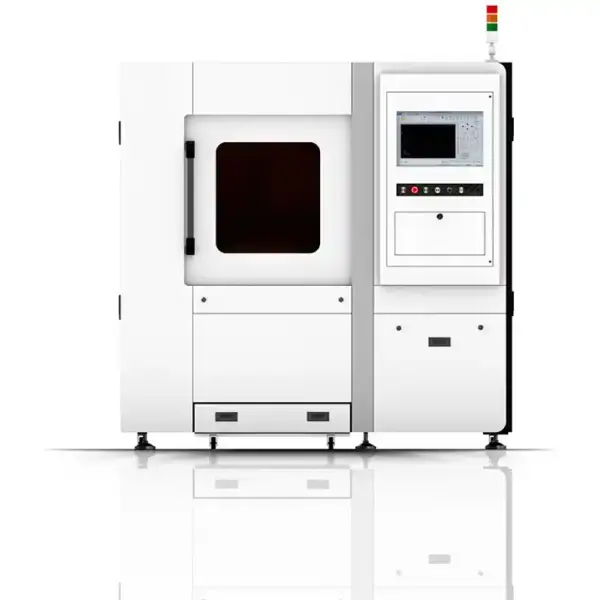
SF6060 fiber laser cutting machine
Advanced Fiber Laser Tube Processing Technology
Our CNC Fiber Laser Tube Cutting systems revolutionize metal fabrication by integrating high-precision cutting, punching, and profiling into a single automated workflow. Designed for versatility, this technology handles a wide array of profiles including Round, Square, Rectangular, and Oval tubes, as well as complex L-shaped and U-shaped channels.
- Precision Punching: High-speed hole punching with micron-level accuracy, eliminating the need for mechanical drilling or die-stamping.
- Complex Profiling: Advanced 3D pathing allows for intricate interlocking joints and specialized notch cuts, ideal for structural frames.
- High Material Efficiency: Intelligent nesting software minimizes scrap, reducing raw material costs across large production runs.
- Clean Finish: Delivers oxide-free, burr-free edges that require zero secondary grinding before welding.

Seamlessly processing multiple profiles with consistent precision.
Global Delivery & Logistics



From our high-tech manufacturing facility directly to your global site. PCL WeldCut ensures secure packaging, professional handling, and reliable international logistics to safeguard your equipment throughout the entire journey.