Aerospace Structural Component Processing: Precision U-Beam Laser Cutting
Aerospace manufacturing requires extreme dimensional accuracy and material integrity, particularly when processing structural U-beams and C-channels. Traditional mechanical sawing and drilling methods introduce significant mechanical stress and require extensive manual layout, leading to production bottlenecks. The transition to high-power fiber laser tube cutting systems equipped with specialized software and thermal management protocols has redefined the throughput capabilities of aerospace supply chains. By integrating automated material handling with intelligent nesting, manufacturers are achieving tolerances and cycle times previously unattainable through conventional machining.
Intelligence and Material Utilization via Advanced Nesting
The primary driver of cost-efficiency in aerospace beam processing is material yield. Utilizing specialized 3D nesting software, modern fiber laser systems achieve a 95% material utilization rate. These algorithms calculate the optimal placement of parts along the U-beam profile, accounting for part-in-part nesting and common line cutting. This reduction in scrap is critical when working with high-value aerospace-grade alloys.
Beyond nesting, the integration of Weld seam recognition technology ensures that structural vulnerabilities are avoided. In many U-beam profiles, the longitudinal weld seam must be positioned specifically relative to the mounting holes or intersection cuts to maintain the component’s Structural integrity. The laser system’s vision sensors identify the seam in real-time, automatically rotating the profile or adjusting the cutting path to ensure the seam does not coincide with high-stress areas or intricate geometries. This automation eliminates the risk of human error during the loading phase.
Managing Thermal Deformation in Thin-Walled Profiles
Thermal management is the most significant challenge when applying high-density energy to aerospace profiles. The heat-affected zone (HAZ) must be minimized to prevent changes in the metallurgical properties of the alloy. High-speed fiber lasers utilize modulated pulse frequencies to control the heat input per millimeter of the cut.
To combat physical warping, or thermal deformation, the system employs a multi-point support and cooling strategy. As the laser progresses, non-contact capacitive sensors maintain a constant standoff distance, adjusting the focal point in microseconds to compensate for any slight material bowing caused by residual stress release. This real-time compensation ensures that even on long U-beam spans, the geometric tolerances for hole circularity and flange cut-outs remain within the sub-millimeter range required for aerospace assembly.
Material Versatility and Anti-Reflection Technology
Aerospace structures frequently utilize Aluminum 6061-T6 and various Copper-based alloys for their thermal conductivity and weight-to-strength ratios. These materials are highly reflective to the wavelengths produced by a standard Fiber laser beam. Without proper protection, back-reflections can damage the optical resonators.
Modern industrial cutters utilize an isolator-based anti-reflection system. This allows for continuous processing of highly reflective U-beams and H-beams without the risk of equipment failure. Furthermore, the versatility of the chuck system allows the machine to transition between C-channels, H-beams, and standard rectangular tubing without a complete mechanical changeover. The capability to process these varied profiles on a single platform reduces the capital expenditure required for specialized production lines.
Market Competitiveness: From 3 Days to 3 Hours
The shift from manual processing to automated laser cutting represents a significant leap in market competitiveness. In traditional aerospace workflows, a complex U-beam with multiple intersection cuts and mounting patterns would require manual layout, followed by bandsaw cutting, and finally, secondary milling or drilling on a CNC bridge. This process, including setup and material movement, typically spans a 3-day window.
A fiber laser tube cutter executes these operations in a single setup. Complex intersection cutting—such as scallops, miter joints, and cope cuts—is performed by the five-axis cutting head in a continuous motion. By consolidating multiple manufacturing steps into one automated cycle, the total lead time is reduced to approximately 3 hours. This allows aerospace contractors to respond to “just-in-time” requirements and reduces the inventory overhead of semi-finished parts.
Technical Performance Comparison
| Feature | Traditional Machining | Fiber Laser (U-Beam) |
|---|---|---|
| Material Utilization | 75% – 80% | Up to 95% |
| Processing Time (Complex Beam) | 48 – 72 Hours | 2 – 4 Hours |
| Geometric Accuracy | +/- 0.5mm | +/- 0.05mm |
| Secondary Finishing | Mandatory Deburring | Minimal/Not Required |
| Complexity Handling | Limited by Tool Access | Full 5-Axis Freedom |
The Impact of Software-Driven Manufacturing
The transition to a Nesting algorithm driven workflow means that the manufacturing process begins in the CAD environment. Design files are imported directly into the laser’s control system, where the software identifies the optimal cutting parameters based on material thickness and profile geometry. This digital thread ensures that the final physical component is an exact replica of the engineering model.
The ability to perform high-difficulty intersection cutting is particularly relevant for the intricate skeletal structures of modern aircraft. When two U-beams must meet at a compound angle, the laser can cut the precise negative profile on one beam to allow for a flush fit. This tight fitment is essential for subsequent automated welding processes, as it reduces the amount of filler material required and ensures a more uniform transfer of structural loads.
Conclusion
For aerospace manufacturers, the adoption of fiber laser tube cutting for U-beam profiles is no longer optional for those seeking to remain competitive. The combination of 95% material utilization, automated Heat-affected zone control, and the drastic reduction in lead times provides a clear ROI. By eliminating the manual layout and multi-stage machining processes of the past, facilities can achieve higher throughput with superior precision, meeting the rigorous standards of modern aerospace engineering while significantly lowering production costs.
-
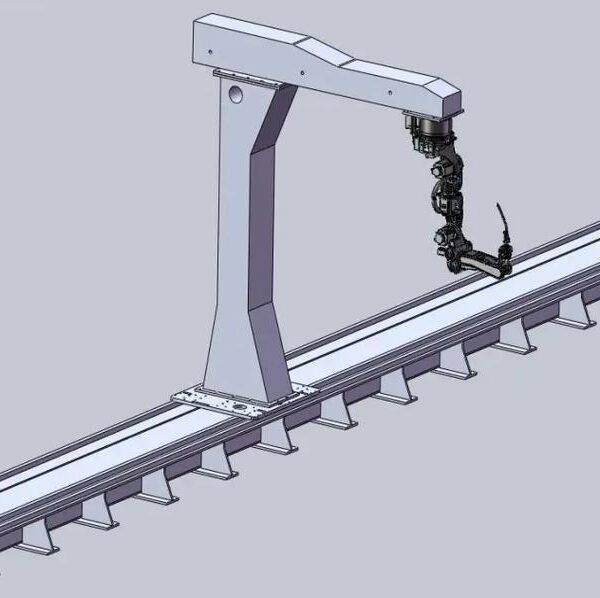

Cantilever Welding Robot solution
-
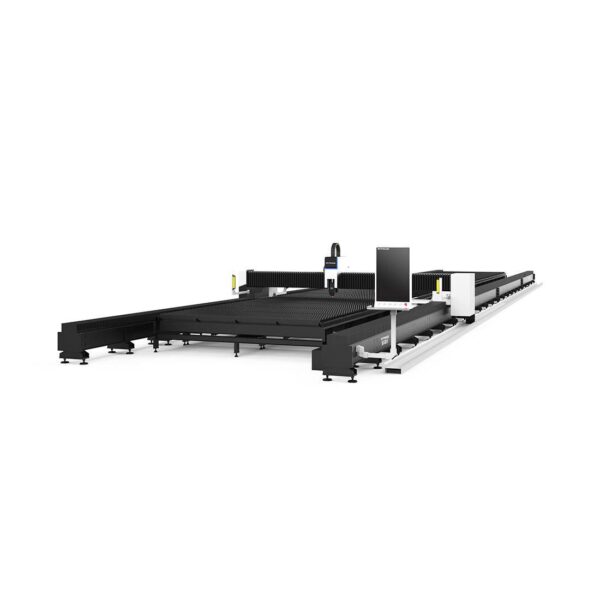

GF laser cutting machine
-
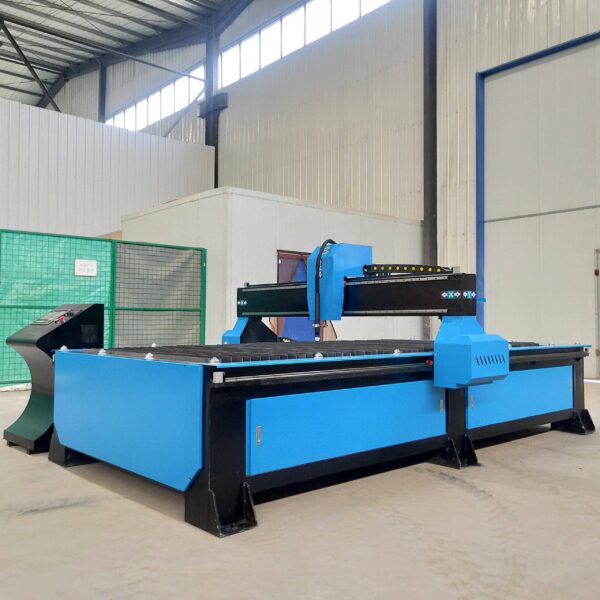
P3015 plasma cutting machine
-

LFP3015 Fiber Laser Cutter
-
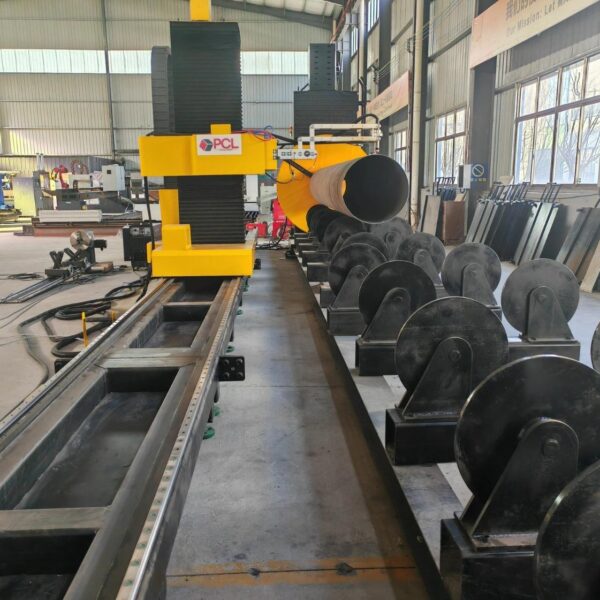
pipe plasma cutting machine
-
LFH 4020 Fiber Laser Cutting Machine
-
LFP4020
-
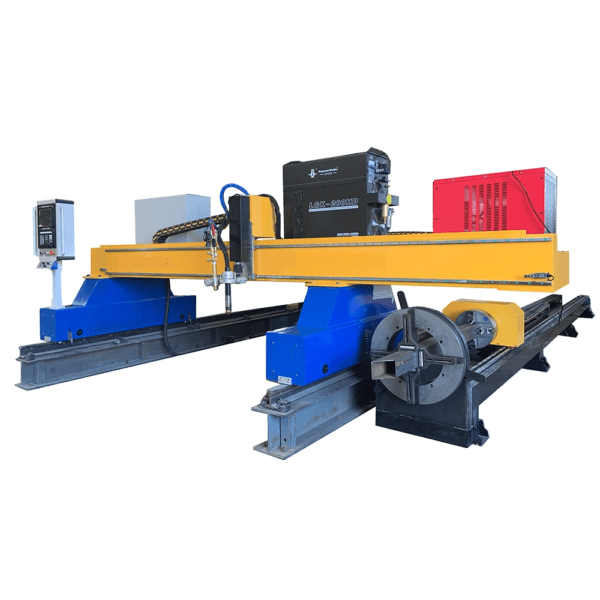
gantry plasma air cutting machine
-
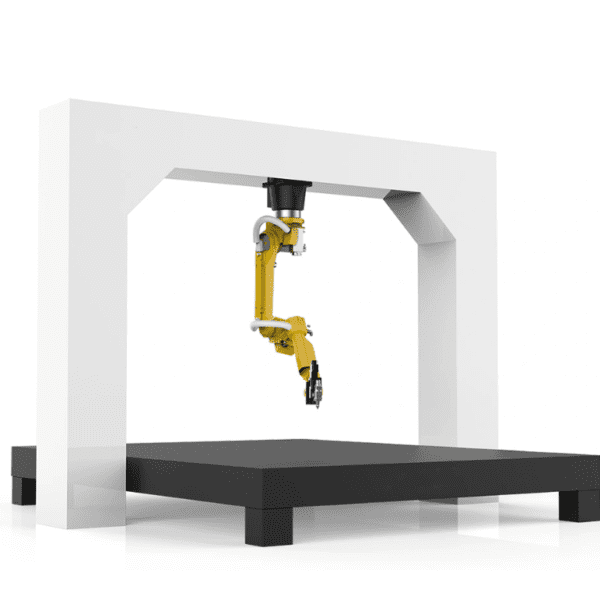
3D robot cutting machine
-
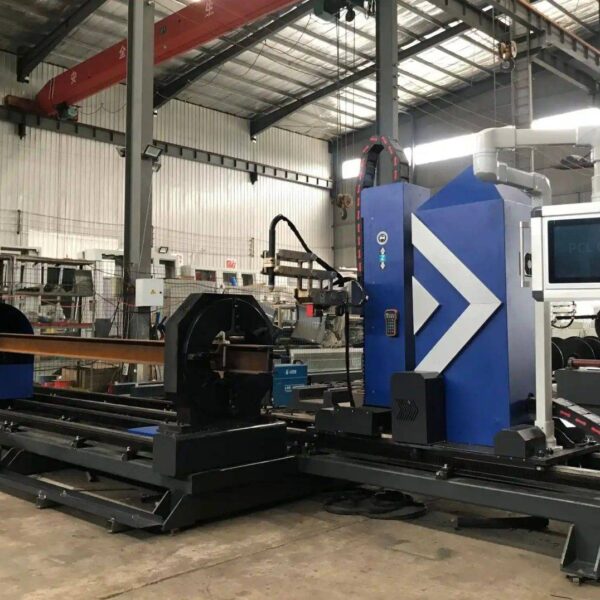
8 axis plasma cutting machine
-
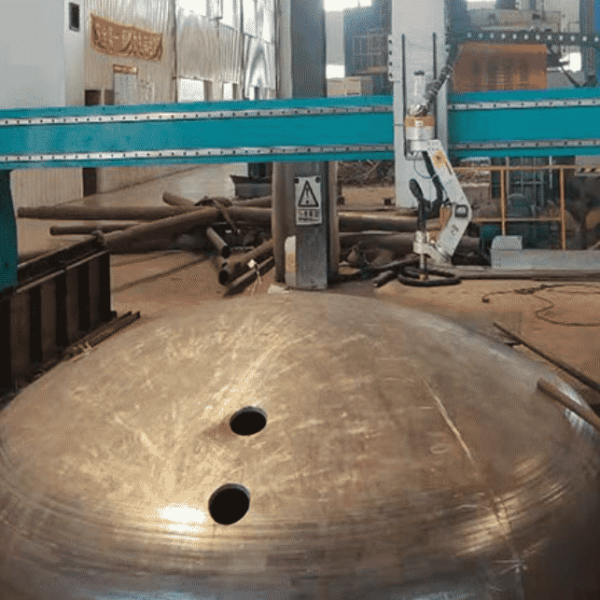
5 axis plasma cutting machine
-

LT360 tube laser cutting machine
-
robot welding workstation
-
SF6060 fiber laser cutting machine
