Precision Engineering in Fitness Equipment Fabrication
The production of modern gym equipment—ranging from power racks to functional trainers—requires a high degree of structural integrity and aesthetic consistency. Traditional manufacturing involves separate stages for sawing, drilling, and deburring, which introduces cumulative tolerances and increases labor costs. The transition to integrated tube laser cutting platforms allows manufacturers to consolidate these steps into a single automated cycle. By employing one-step punching, marking, and specialized nozzle height calibration, facilities can achieve a higher throughput while maintaining the tight tolerances required for interlocking frames.
Intelligence: Maximizing Yield and Structural Integrity
In the competitive landscape of metal fabrication, material costs represent a significant portion of the total expenditure. Advanced tube laser software now utilizes a sophisticated Nesting Algorithm to reach up to 95% material utilization. This is achieved through common-line cutting, where a single laser pass separates two adjacent parts, and scrap-minimization techniques that allow the laser head to process material closer to the chuck. For gym equipment, which often uses long spans of rectangular or oval tubing, this reduction in “tailing” waste directly impacts the bottom line.
Beyond nesting, the intelligence of the system extends to Weld Seam Recognition. Gym equipment frames are typically constructed from welded tubes. If a mounting hole or a pivot point is cut directly onto the internal weld seam, the structural integrity of the component is compromised, and the aesthetic finish of the powder coating is degraded. Integrated vision systems now detect the weld seam position automatically before the cutting process begins, rotating the tube to ensure that all critical apertures and markings are placed on the cold-rolled surfaces rather than the heat-affected zone of the seam.
Workflow Efficiency: One-Step Processing and ERP Integration
Efficiency in a gym equipment factory is measured by the reduction of secondary processes. Traditional methods require a part to move from a band saw to a vertical drill press and then to a manual deburring station. A tube laser machine eliminates these transitions by performing cutting, punching, and marking in a single sequence. The laser creates burr-free edges that are ready for immediate welding, removing the need for mechanical grinding.
Furthermore, the integration of ERP Digital Nesting allows the production floor to sync directly with the procurement and planning departments. When a batch of weight benches is ordered, the ERP system pushes the part files to the laser’s CAM software. The machine then calculates the optimal sequence and material requirements, providing real-time feedback on production timelines and material consumption. This connectivity ensures that “just-in-time” manufacturing is possible, reducing the inventory overhead of semi-finished components.
Risk Mitigation: Stability in Industrial Environments
The environmental conditions of a fitness equipment factory—characterized by metallic dust and high-frequency vibrations—pose a risk to sensitive laser components. To mitigate this, high-performance machines utilize fiber laser sources with sealed optical paths and independent cooling systems. This prevents the ingress of particulates that could cause beam divergence or source failure.
Mechanical precision is further protected by advanced Chuck Centering Precision. Gym frames often utilize tubes exceeding six meters in length. Any deviation in the concentricity of the chucks during rotation results in misaligned holes across the length of the frame. Modern systems utilize self-centering pneumatic chucks with high clamping force and feedback sensors that compensate for tube deformation or slight bends in the raw material. This ensures that every punched hole remains centered regardless of the tube’s profile or length.
Technical Detail: Nozzle Height Calibration and Marking
A critical challenge in cutting oval or non-standard profiles for ergonomic gym machines is maintaining the correct focal distance. Capacitive Sensing technology allows the laser nozzle to perform real-time height calibration. As the tube rotates, the sensor monitors the capacitance between the nozzle and the workpiece, adjusting the Z-axis instantaneously to maintain a constant gap. This prevents nozzle collisions and ensures a consistent kerf width, which is essential for parts that must be press-fitted before welding.
The marking function further streamlines the assembly line. By using the laser at a lower power frequency, the machine etches assembly guides, part numbers, or branding directly onto the metal. For complex gym assemblies with dozens of similar-looking struts, these permanent marks act as a foolproof guide for the welding team, significantly reducing assembly errors and the need for physical blueprints on the shop floor.
Technical Comparison and ROI Analysis
The following table illustrates the performance metrics between traditional fabrication and integrated tube laser processing for a standard gym power rack frame batch.
| Feature | Traditional Fabrication | Advanced Tube Laser |
|---|---|---|
| Process Steps | Sawing > Drilling > Deburring > Marking | Single-Step Automated Cycle |
| Material Waste | 12% – 18% (Saw kerf and tailing) | Under 5% (Optimized Nesting) |
| Labor Requirement | 3-4 Operators per shift | 1 Operator (Supervisory) |
| Hole Accuracy | +/- 0.5mm to 1.0mm | +/- 0.05mm to 0.1mm |
| Tooling Costs | High (Consumable drills and jigs) | Low (Laser nozzles and gas) |
Conclusion
The implementation of Tube laser cutting machines equipped with one-step punching, marking, and nozzle height calibration represents a fundamental shift in gym equipment manufacturing. By prioritizing intelligence through 95% material utilization and weld seam recognition, manufacturers can ensure both profitability and product quality. The integration of risk mitigation strategies, such as chuck precision and environmental shielding for fiber sources, guarantees long-term operational uptime. Ultimately, the move toward a burr-free, ERP-integrated workflow allows for a scalable production model that meets the rigorous demands of the global fitness industry.
-
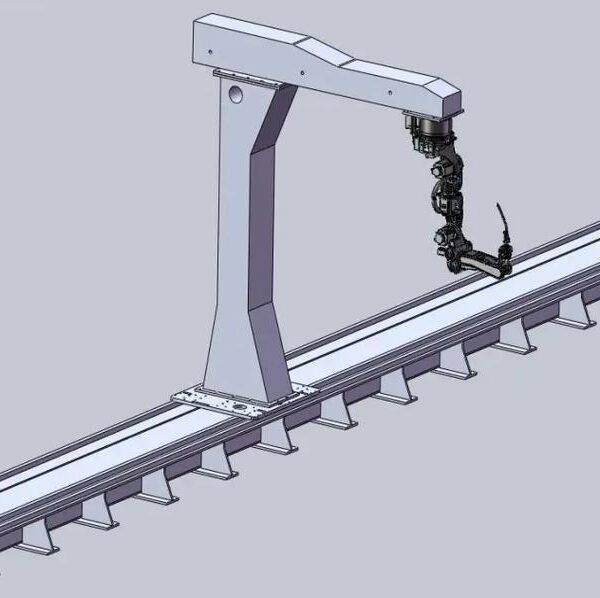

Cantilever Welding Robot solution
-
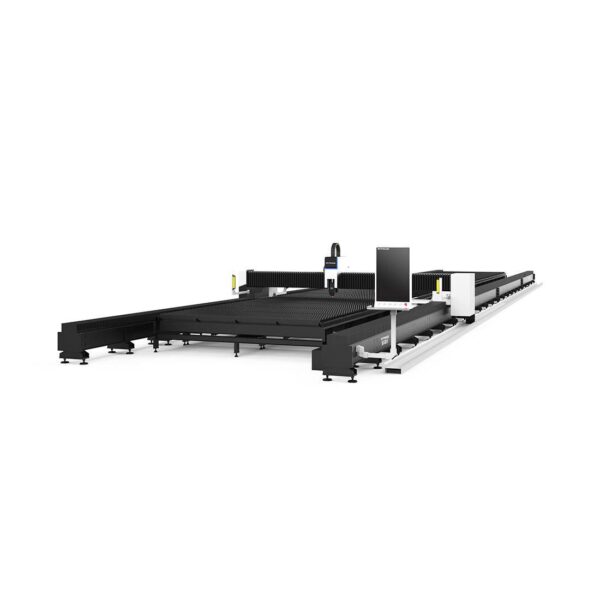

GF laser cutting machine
-
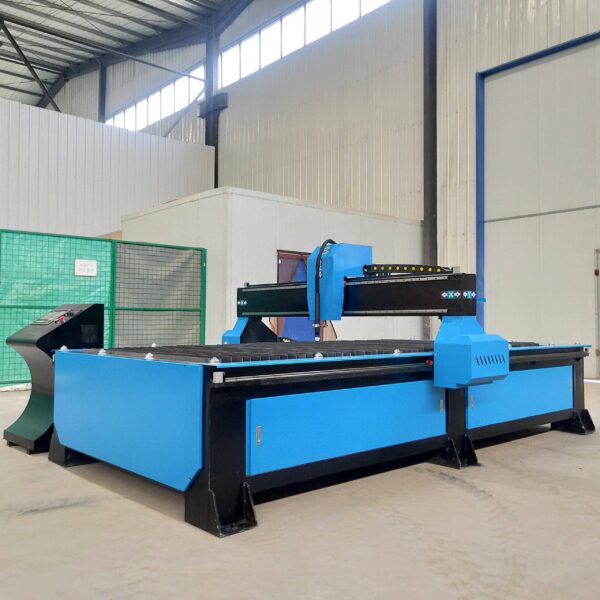
P3015 plasma cutting machine
-

LFP3015 Fiber Laser Cutter
-

pipe plasma cutting machine
-
LFH 4020 Fiber Laser Cutting Machine
-
LFP4020
-
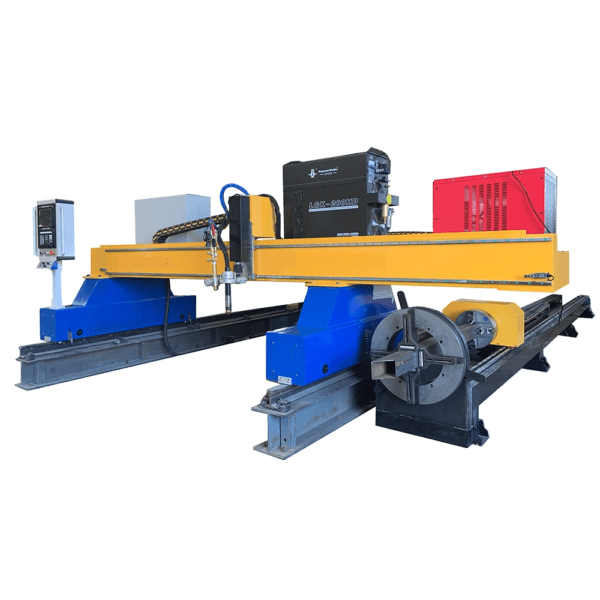
gantry plasma air cutting machine
-
3D robot cutting machine
-
8 axis plasma cutting machine
-
5 axis plasma cutting machine
-

LT360 tube laser cutting machine
-
robot welding workstation
-
SF6060 fiber laser cutting machine
