Precision Engineering in Medical Component Fabrication
The manufacturing of medical equipment, ranging from surgical robotics to complex diagnostic frames, demands a level of precision that eliminates post-processing stages. Traditionally, tube cutting required secondary grinding to remove slag and smooth the Heat Affected Zone (HAZ). Modern fiber tube laser systems have bypassed this requirement through high-density beam focalization and optimized gas dynamics. By achieving a dross-free finish directly from the laser head, manufacturers reduce labor costs and eliminate the risk of particulate contamination in sterile environments.
Thermal Management and the Elimination of Secondary Grinding
The primary challenge in medical-grade tube cutting is maintaining the structural integrity of thin-walled stainless steel and titanium. Excessive heat input during the cutting process creates a wide HAZ, which can lead to material embrittlement or micro-cracking. Advanced fiber lasers utilize ultra-short pulse modulation to concentrate energy, ensuring that the thermal impact is localized to the kerf width.
This precision results in a “cold” cut edge. For components like hospital bed frames or intricate surgical tools, the absence of burrs means that the parts move directly from the laser to the assembly or sterilization line. The integration of high-pressure nitrogen assist gases further accelerates the cooling process, preventing oxidation on the cut surface and maintaining the aesthetic and functional standards required by medical regulations.
45-Degree Beveling and Structural Integrity
In medical structural applications, such as imaging equipment gantries, the quality of weld joints is critical. Achieving a 45-degree bevel on round or square tubing is necessary for full-penetration welding. Traditional 2D laser heads are limited to perpendicular cuts, but 5-axis 3D laser heads allow for high-speed beveling with micron-level repeatability.
The 45-degree beveling perfection achieved by these machines ensures that when two tubes are joined, the fit-up is seamless. This precision reduces the volume of filler material required during welding and minimizes the risk of weld failure under cyclic loading. The machine’s software automatically compensates for the tube’s wall thickness and diameter to maintain a consistent bevel angle across the entire geometry of the part.
Material Versatility: Handling High-Reflectivity Alloys
Medical equipment frequently utilizes aluminum for lightweight structural parts and copper for electrical or cooling components. Both materials are notoriously difficult to process with standard fiber lasers due to their high reflectivity. Back-reflections can travel through the delivery fiber and damage the laser source.
Modern tube lasers incorporate Anti-reflection modulation technology. This system utilizes optical isolators and real-time power monitoring to detect reflected light and adjust the beam frequency instantaneously. This allows for the stable cutting of 6000-series aluminum and oxygen-free copper without the risk of equipment downtime. Furthermore, the capability to process H-beam and C-channel profiles expands the machine’s utility, allowing for the fabrication of heavy-duty support structures for MRI and CT scanners within the same production cycle.
Risk Mitigation through Fiber Source Stability and Chuck Precision
The environment of a medical fabrication facility must be controlled, yet the internal mechanics of a laser machine are often subjected to fine metal dust and vibration. Fiber source stability is achieved through hermetically sealed laser modules and independent cooling circuits. These systems prevent the ingress of particulates that could cause catastrophic diode failure.
A critical factor in tube processing is the Synchronous dual-chuck system. In medical manufacturing, tubes are often thin-walled and susceptible to deformation under high clamping pressure. Intelligent pneumatic chucks utilize pressure sensors to apply the exact force needed to secure the workpiece without causing surface marring or crushing. Precision centering ensures that even as the tube rotates at high speeds, the focal point remains consistent relative to the tube’s center of mass, preventing deviations in the cut profile.
Cloud-Based Production Tracking and Traceability
For medical equipment manufacturers, traceability is a non-negotiable requirement under ISO 13485 standards. Cloud-based production tracking allows every cut to be logged, including parameters such as gas pressure, laser power, and cutting speed. This data is uploaded in real-time to a centralized ERP system, providing a digital twin of the production floor.
If a component fails in the field, the manufacturer can trace the part back to its specific production lot, the material batch used, and the exact machine settings at the time of fabrication. This level of transparency mitigates legal risks and simplifies the auditing process. Furthermore, cloud analytics provide predictive maintenance alerts, identifying wear on the laser nozzle or protective lens before it impacts part quality.
Technical Comparison: Conventional vs. Advanced Tube Laser
| Feature | Conventional Fiber Laser | Advanced Medical-Grade System |
|---|---|---|
| Secondary Grinding | Required for slag/burr removal | Zero-grind, ready for assembly |
| Heat Affected Zone (HAZ) | 0.5mm – 1.2mm | Less than 0.1mm |
| Reflective Material Support | Limited; risk of source damage | Full support (Al/Cu) with isolators |
| Traceability | Manual logging/Paper-based | Cloud-based real-time tracking |
| Beveling Capability | Straight 90-degree cuts only | Dynamic 45-degree 3D beveling |
ROI Analysis for Medical Device Manufacturers
The transition to a tube laser system that eliminates secondary grinding offers a direct Return on Investment (ROI) through reduced man-hours. In a typical medical frame production cycle, secondary grinding can account for up to 30 percent of the total labor time per part. By removing this step, throughput is increased significantly without expanding the workforce.
Furthermore, the integration of Cloud-based ERP integration reduces waste. Real-time nesting algorithms optimize material usage, which is particularly valuable when processing expensive medical-grade alloys. When combined with the reliability of a stabilized fiber source and high-precision chucking, the reduction in scrap rates and the elimination of post-processing labor create a compelling economic case for high-specification tube laser adoption.
Conclusion
The convergence of precise thermal control, 3D beveling, and digital traceability is redefining the standards of medical equipment manufacturing. By prioritizing machines that offer zero-grind finishes and stable processing of diverse materials, manufacturers ensure compliance with stringent industry standards while maximizing operational efficiency. The shift toward cloud-tracked, high-precision laser cutting is not merely an incremental improvement but a fundamental change in how medical structural components are conceived and executed.
-
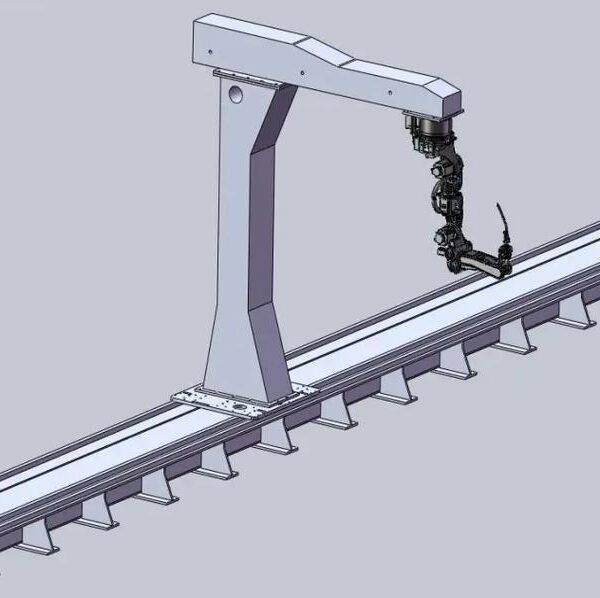

Cantilever Welding Robot solution
-
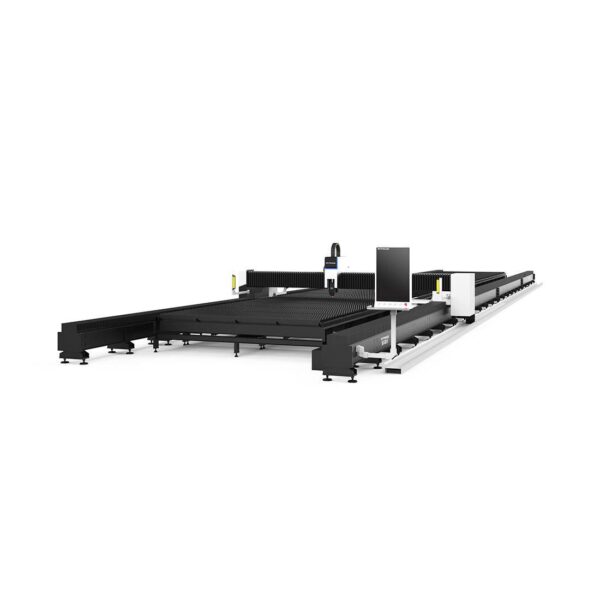

GF laser cutting machine
-
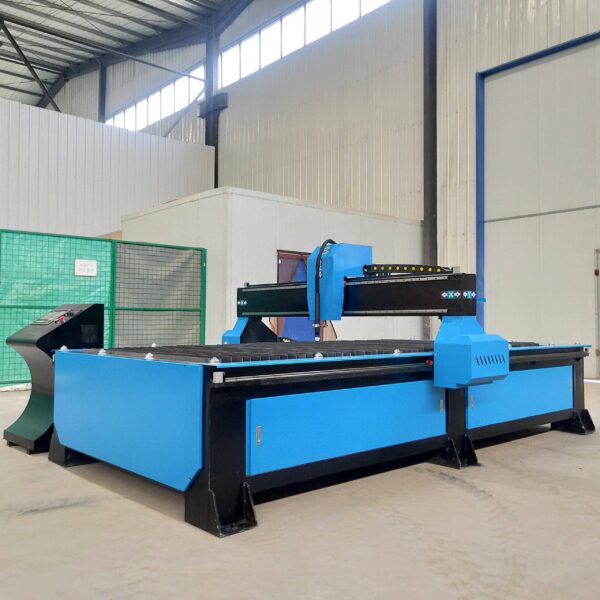
P3015 plasma cutting machine
-

LFP3015 Fiber Laser Cutter
-
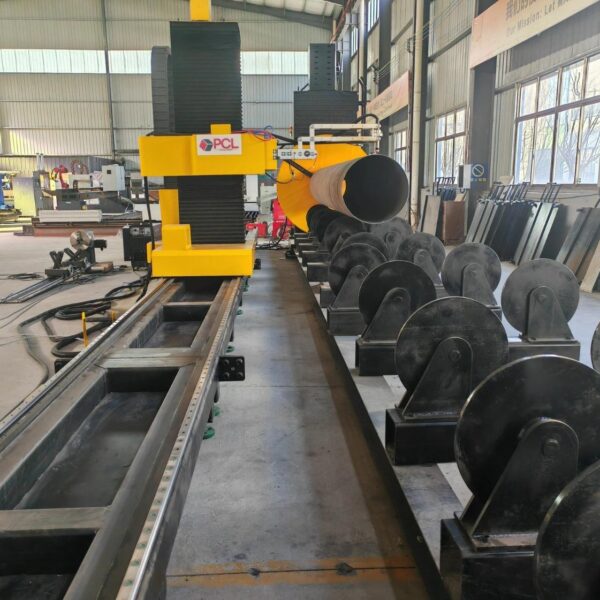
pipe plasma cutting machine
-
LFH 4020 Fiber Laser Cutting Machine
-
LFP4020
-
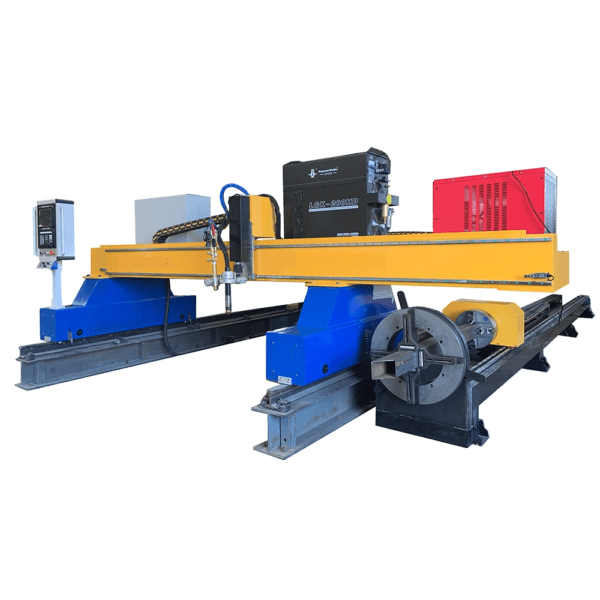
gantry plasma air cutting machine
-
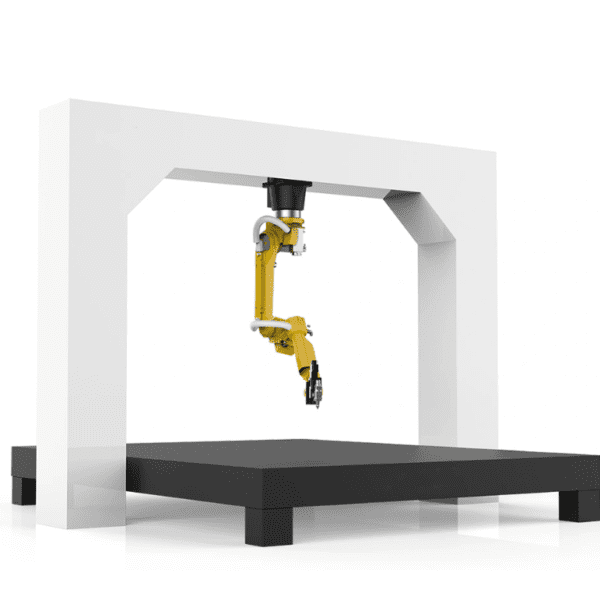
3D robot cutting machine
-
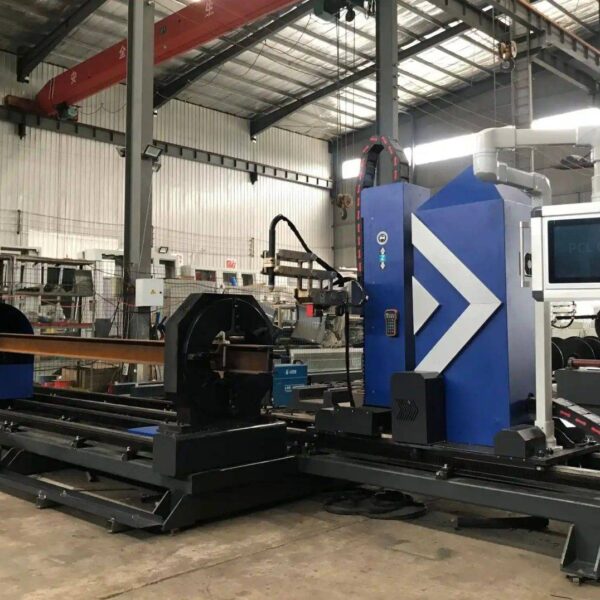
8 axis plasma cutting machine
-
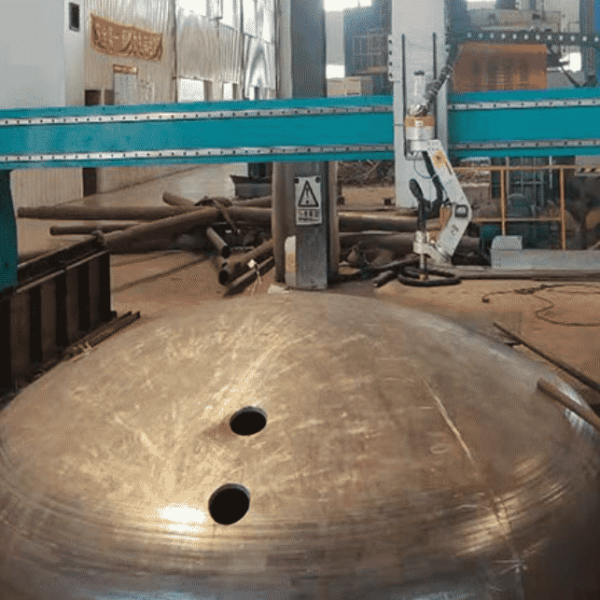
5 axis plasma cutting machine
-

LT360 tube laser cutting machine
-
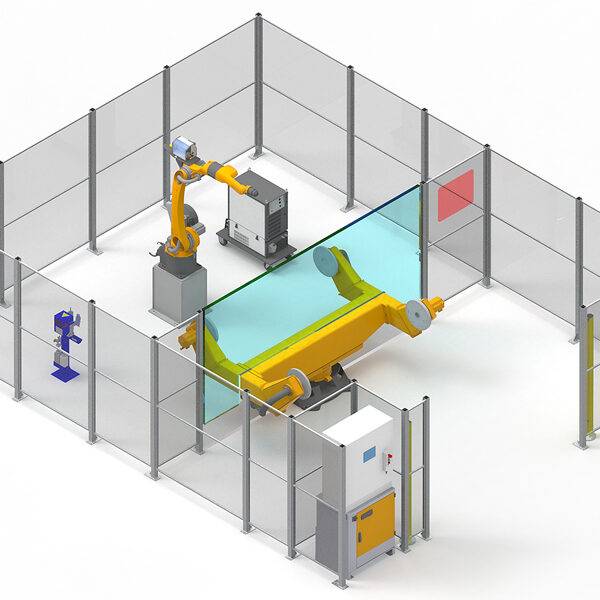
robot welding workstation
-
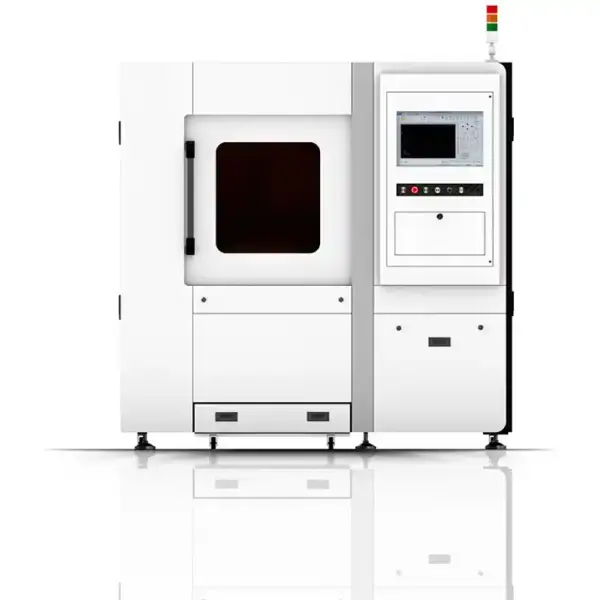
SF6060 fiber laser cutting machine
