Optimizing Automotive Exhaust Production via Square Tube Laser Integration
The manufacturing of automotive exhaust systems requires high-precision cutting of 304 and 409L stainless steel square and oval tubing. Conventional fabrication involves mechanical sawing, manual deburring, and secondary drilling, a workflow that typically spans 72 hours for small-batch prototyping. Transitioning to a dedicated square tube fiber laser cutter compresses this production cycle to approximately 3 hours. This efficiency is achieved by consolidating multiple mechanical stages into a single automated process that yields edges requiring zero secondary grinding before robotic welding.
Eliminating Secondary Grinding through Kerf Width Control
In exhaust manifold and muffler assembly, the fit-up tolerance between the square tube and the flange must be exact to prevent weld seepage or structural failure. Traditional sawing leaves heavy burrs and a significant Heat-affected zone that requires mechanical abrasion to clean. Modern fiber laser systems utilize high-pressure nitrogen or oxygen assist gases to expel molten material instantly. By fine-tuning the focal position and frequency, the system achieves a microscopic Kerf width control that maintains edge squareness and surface integrity. This precision ensures that components move directly from the cutting bed to the welding cell, removing the labor costs and time delays associated with manual finishing.
High Difficulty Intersection Cutting and Lead Time Reduction
Exhaust systems frequently feature complex geometries where tubes intersect at acute angles. Manual calculation and jig-based cutting for these intersections are prone to human error. CNC-controlled laser systems utilize 5-axis or specialized 3D cutting heads to execute complex saddle cuts and hole profiles in a single pass. This capability is the primary driver in reducing lead times from 3 days to 3 hours. The software automatically calculates the compensation for tube wall thickness, ensuring the internal and external profiles align perfectly for high-speed automated welding.
Hardware Engineering: Cast Iron Bed and Vibration Damping
The structural integrity of the machine bed dictates the accuracy of the cut at high feed rates. While welded steel frames are common, they are susceptible to thermal expansion and vibration resonance. A high-grade cast iron bed (HT250 or HT300) provides superior internal damping. This material absorbs the kinetic energy generated by the rapid acceleration and deceleration of the cutting head. By minimizing mechanical resonance, the system prevents “wavy” cut patterns on the tube surface, which is critical when processing thin-walled square tubes where the structural rigidity of the workpiece itself is low.
Kinematic Analysis: 3-Chuck vs. 2-Chuck Stability
For automotive exhaust components, which vary in length and weight, the chuck configuration is a critical hardware decision. A 2-chuck system often struggles with “tube whip” during high-speed rotation, especially when the tube is long or unbalanced. This leads to inaccuracies in the centering of the cut.
A 3-chuck system introduces a middle support that moves synchronously with the cutting head. This configuration provides several advantages:
1. Material Utilization: The ability to shift the tube through the chucks allows for “zero-tailing” cutting, reducing scrap.
2. Stability: The third chuck acts as a steady rest, preventing vertical and horizontal oscillation.
3. Precision: It ensures the Torsional rigidity of the tube is maintained during heavy rotations, keeping the center of the square profile aligned with the laser’s focal point.
Technical Comparison: Chuck Configuration and Efficiency
| Feature | 2-Chuck System | 3-Chuck System |
|---|---|---|
| Tailings Waste | 150mm – 300mm | 0mm – 50mm |
| Max Rotation Speed | 80-100 RPM | 120-150 RPM |
| Tube Support | Ends only | Continuous dynamic support |
| Cutting Accuracy | +/- 0.15mm | +/- 0.05mm |
Risk Mitigation: Fiber Source Stability and Dust Management
The automotive production environment is typically high-dust, containing metallic particles that can compromise a Fiber laser resonator. If dust enters the optical path or the internal housing of the laser source, it causes thermal lensing or catastrophic failure of the diodes. To mitigate this risk, the laser source must be housed in a sealed, climate-controlled cabinet.
Simultaneously, chuck centering precision is a common point of failure. Pneumatic chucks must be equipped with self-centering sensors that recalibrate for variations in tube outer diameter. If the chuck fails to center the square tube accurately, the laser focus will deviate across the four faces of the tube, resulting in inconsistent penetration and the need for secondary rework.
Chiller System Maintenance for Thermal Stability
A fiber laser’s efficiency is highly dependent on temperature regulation. The chiller system does not just cool the laser source; it must also regulate the temperature of the cutting head optics. In an exhaust manufacturing plant, ambient temperatures can fluctuate significantly.
Key maintenance protocols for the chiller include:
1. Conductivity Monitoring: Deionized water must be used to prevent electrical arcing within the cooling channels.
2. Filter Replacement: Clogged filters reduce flow rates, leading to “hot spots” in the Fiber laser resonator, which degrades beam quality.
3. Seasonal Adjustments: The chiller’s set point should be adjusted relative to the dew point to prevent condensation on the optical lenses, which would result in immediate lens cracking upon laser activation.
Consistent thermal management ensures the beam profile remains Gaussian, which is necessary for achieving the burr-free edge that eliminates the grinding process.
Operational Summary
Transitioning to a high-rigidity laser cutting platform allows automotive manufacturers to bypass traditional machining bottlenecks. By selecting a cast iron bed for damping and a 3-chuck system for stability, facilities can handle complex intersection cuts with high repeatability. When coupled with a rigorous maintenance schedule for the chiller and dust filtration systems, the resulting output meets the stringent tolerances required for exhaust systems while slashing production timelines from days to hours.
-
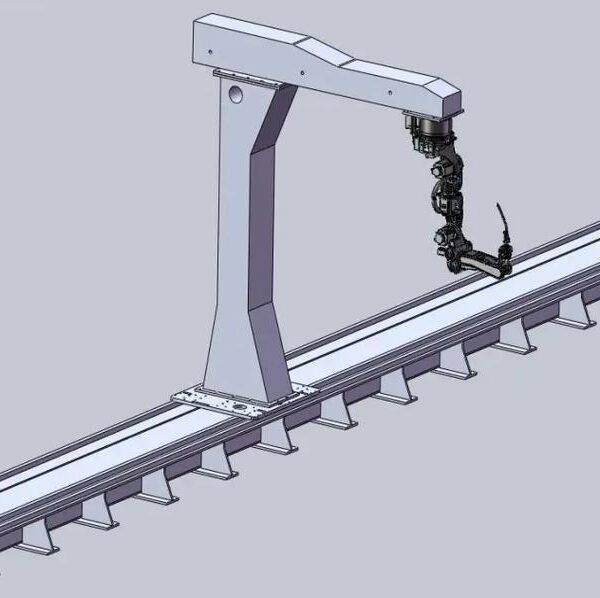

Cantilever Welding Robot solution
-
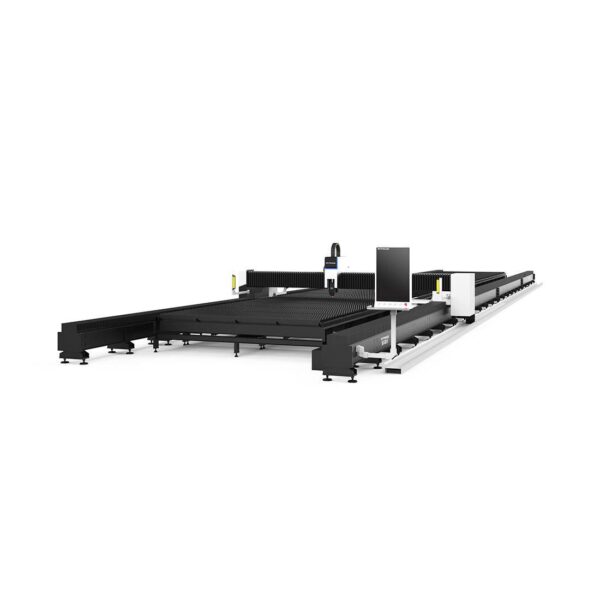

GF laser cutting machine
-
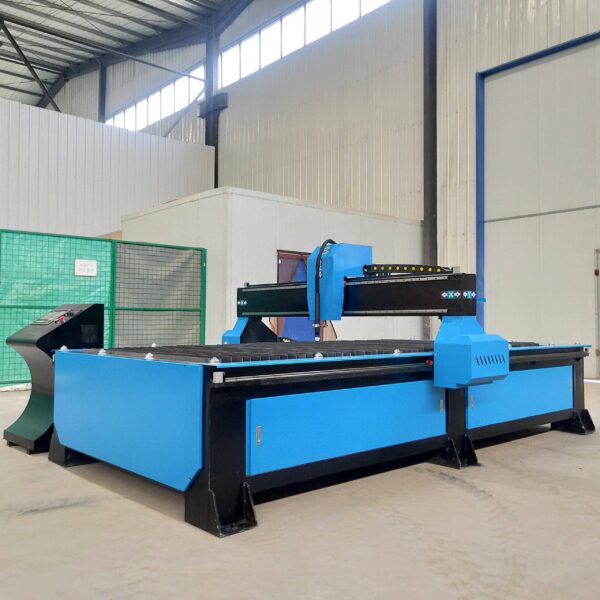
P3015 plasma cutting machine
-

LFP3015 Fiber Laser Cutter
-
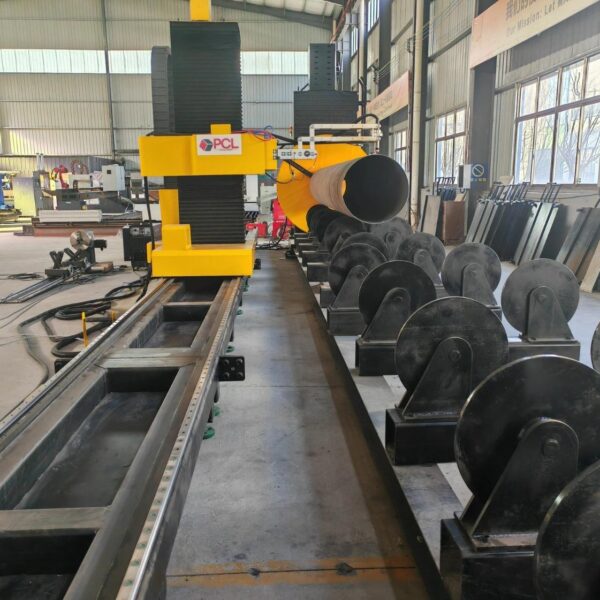
pipe plasma cutting machine
-
LFH 4020 Fiber Laser Cutting Machine
-
LFP4020
-
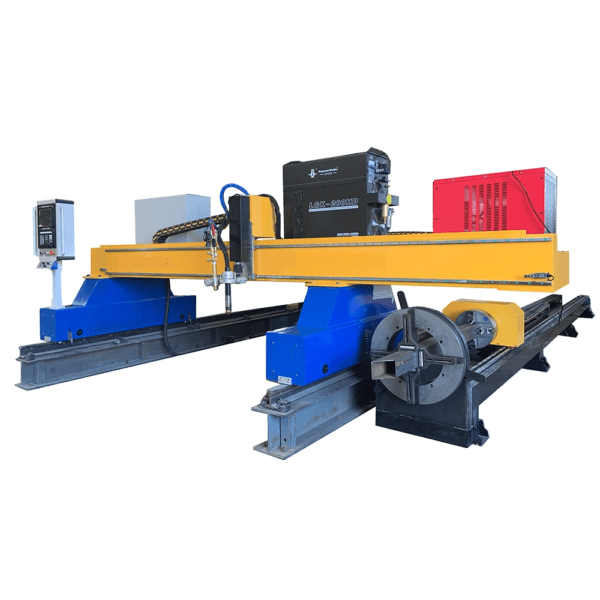
gantry plasma air cutting machine
-
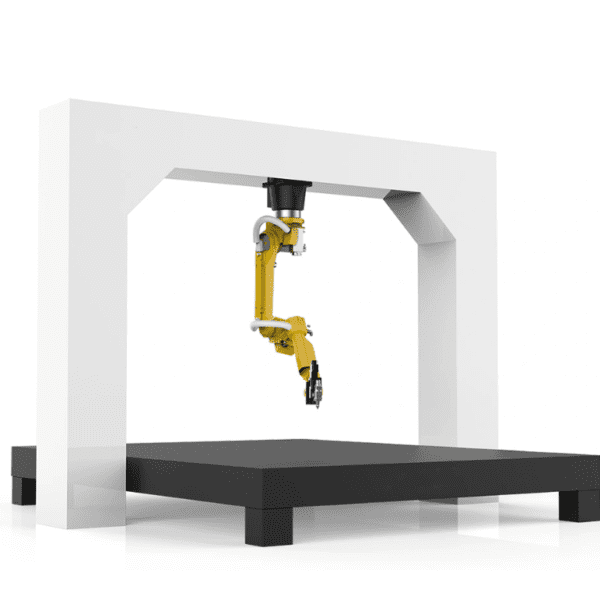
3D robot cutting machine
-
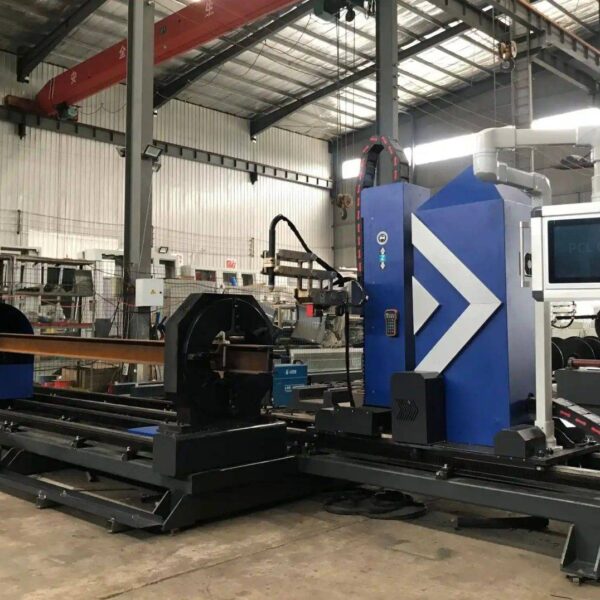
8 axis plasma cutting machine
-
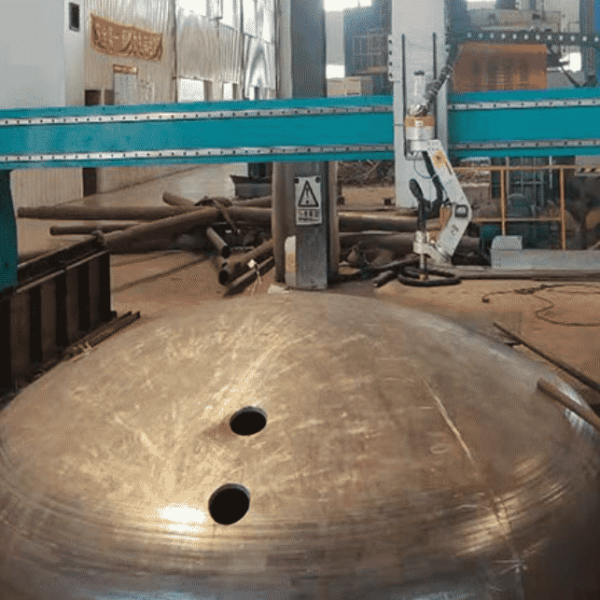
5 axis plasma cutting machine
-

LT360 tube laser cutting machine
-
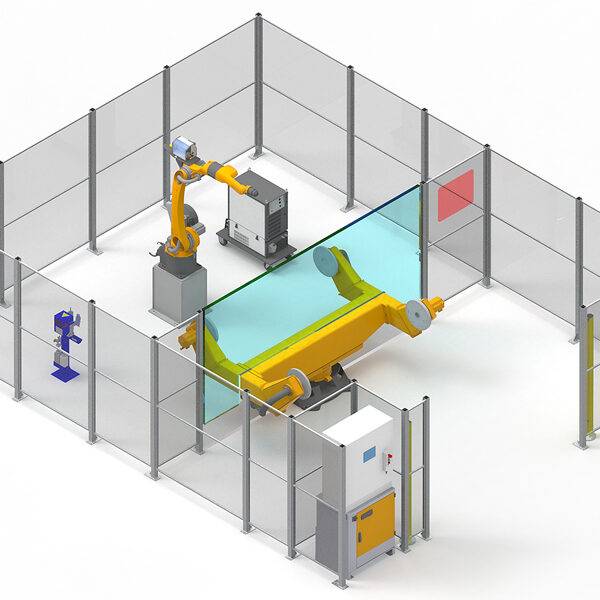
robot welding workstation
-
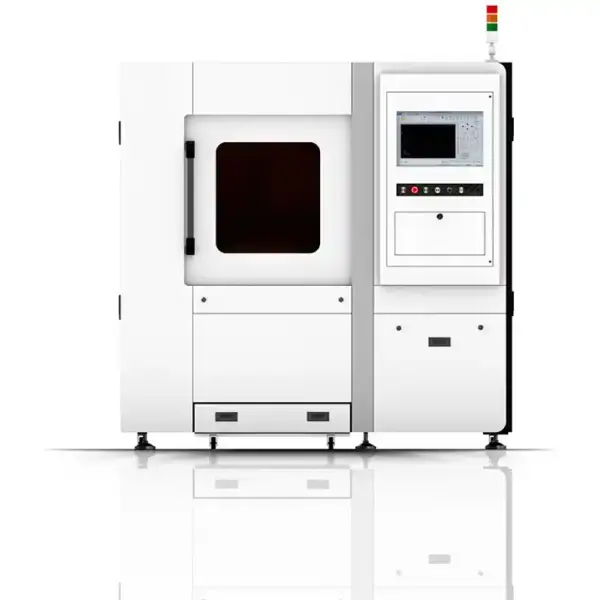
SF6060 fiber laser cutting machine
Advanced Fiber Laser Tube Processing Technology
Our CNC Fiber Laser Tube Cutting systems revolutionize metal fabrication by integrating high-precision cutting, punching, and profiling into a single automated workflow. Designed for versatility, this technology handles a wide array of profiles including Round, Square, Rectangular, and Oval tubes, as well as complex L-shaped and U-shaped channels.
- Precision Punching: High-speed hole punching with micron-level accuracy, eliminating the need for mechanical drilling or die-stamping.
- Complex Profiling: Advanced 3D pathing allows for intricate interlocking joints and specialized notch cuts, ideal for structural frames.
- High Material Efficiency: Intelligent nesting software minimizes scrap, reducing raw material costs across large production runs.
- Clean Finish: Delivers oxide-free, burr-free edges that require zero secondary grinding before welding.

Seamlessly processing multiple profiles with consistent precision.
Global Delivery & Logistics



From our high-tech manufacturing facility directly to your global site. PCL WeldCut ensures secure packaging, professional handling, and reliable international logistics to safeguard your equipment throughout the entire journey.
