Advancing Oil and Gas Component Fabrication Through Precision tube laser cutting
The oil and gas industry demands high-integrity structural components capable of withstanding extreme pressures and corrosive environments. Traditional fabrication methods, involving manual marking, mechanical sawing, and manual beveling, often fail to meet the rigorous tolerances required for subsea and midstream applications. Transitioning to precision tube laser cutting addresses these inefficiencies by integrating thermal deformation control and automated maintenance protocols, fundamentally altering the production landscape.
Thermal Deformation Control in Thick-Walled Tubing
When processing heavy-wall pipes typical of the energy sector, the concentrated energy of a high-power fiber laser introduces significant heat into the workpiece. This can lead to dimensional inaccuracies and localized warping. Effective thermal deformation control is achieved through a combination of pulsed cutting modes and regulated gas auxiliary pressure.
To mitigate the Heat Affected Zone (HAZ), laser systems must employ frequency-modulated pulse control. By lowering the average heat input while maintaining peak power, the integrity of the material grain structure remains intact. Furthermore, water-cooling systems integrated into the chucking mechanisms dissipate residual heat, ensuring that the pipe remains concentric throughout the entire cutting cycle. This is particularly vital for high-difficulty intersection cutting, where the geometry of the “fish-mouth” or saddle cut must be perfect to ensure weld integrity.
Laser Lens Cleaning Protocol for Consistent Performance
System uptime in industrial environments is heavily dependent on the condition of the optical path. In oil and gas fabrication, the presence of metal dust and atmospheric contaminants necessitates a strict lens cleaning protocol. A contaminated lens absorbs laser energy, leading to thermal shift and potential lens failure.
The standardized protocol involves a four-step process:
1. Preliminary inspection using a high-intensity light source to identify surface pits or residue.
2. Removal of loose particulates using clean, dry compressed air or nitrogen.
3. Application of optical-grade isopropyl alcohol or acetone to a lint-free swab.
4. Circular wiping from the center to the edge to prevent streaking.
Adherence to this protocol prevents beam divergence and ensures that the focal point remains stable, which is critical when cutting through pipes with wall thicknesses exceeding 15mm.
Market Competitiveness: Lead Time and Complex Geometry
Competitiveness in the modern energy market is defined by the ability to deliver complex assemblies rapidly. Traditional fabrication of complex pipe intersections for manifolds or offshore platforms typically requires a three-day lead time per batch. This includes manual layout, cutting, and secondary grinding to achieve the necessary bevel.
Automated tube laser systems reduce this lead time from 3 days to approximately 3 hours. The precision of the laser eliminates the need for manual secondary processing. High-difficulty intersection cutting is handled via 5-axis or 6-axis laser heads, allowing for complex beveling and hole patterns in a single pass. This speed allows manufacturers to respond to urgent repair or deployment requests far more effectively than competitors relying on legacy mechanical processes.
ROI and Cost: Labor Substitution and Zero-Tailing Technology
The financial justification for adopting precision laser systems is found in labor optimization and material conservation. A single automated laser tube cutting machine can effectively replace the output of 3 to 5 skilled workers. This labor substitution allows personnel to be redirected to high-value assembly and quality assurance roles rather than repetitive manual cutting.
Furthermore, material costs in the oil and gas sector are substantial due to the use of high-alloy steels and specialized coatings. Traditional sawing methods often result in 20cm to 30cm of scrap per pipe due to chucking limitations. Modern systems utilize Zero-Tailing technology, which employs a multi-chuck configuration to move the pipe through the cutting head with minimal waste. By saving 10cm to 20cm per pipe, high-volume operations can realize hundreds of meters of saved material annually, directly impacting the bottom line.
Technical Comparison: Traditional vs. Precision Laser Cutting
| Parameter | Traditional Saw/Manual | Precision Tube Laser |
|---|---|---|
| Lead Time (Average Batch) | 72 Hours | 3 Hours |
| Labor Requirement | 3-5 Technicians | 1 Operator |
| Material Utilization | 75-80% | 95% |
| Tailings Waste | 20-30cm | 0-5cm |
| Secondary Processing | Required (Grinding/Beveling) | None (Ready for Weld) |
Intelligence: Material Utilization and Seam Recognition
The integration of intelligent Nesting Software is essential for maximizing material efficiency. In oil and gas projects involving varied pipe lengths and diameters, the software calculates the optimal arrangement of parts to achieve 95% material utilization. This algorithmic approach minimizes scrap and ensures that every centimeter of expensive alloy is accounted for.
Additionally, the presence of longitudinal weld seams on many industrial pipes can interfere with both the aesthetics and structural integrity of the final cut, especially when holes are placed directly on the seam. Intelligent systems now feature Auto-Weld Seam Recognition. Using high-resolution optical sensors, the machine identifies the seam position and automatically rotates the pipe to ensure that cuts, notches, and holes are placed at a safe distance from the weld line. This ensures consistency across all fabricated parts and meets the stringent safety standards of the energy sector.
Conclusion
Precision tube laser cutting represents a significant shift in the fabrication of oil and gas infrastructure. By controlling thermal deformation and maintaining rigorous lens cleaning protocols, manufacturers can achieve levels of precision that were previously impossible. The transition from days to hours in lead time, coupled with the labor savings of 3-5 workers and the reduction in material waste through zero-tailing technology, provides a clear path toward increased market competitiveness. The addition of intelligent seam recognition and high-utilization software ensures that every component produced is optimized for performance, safety, and cost-efficiency.
-
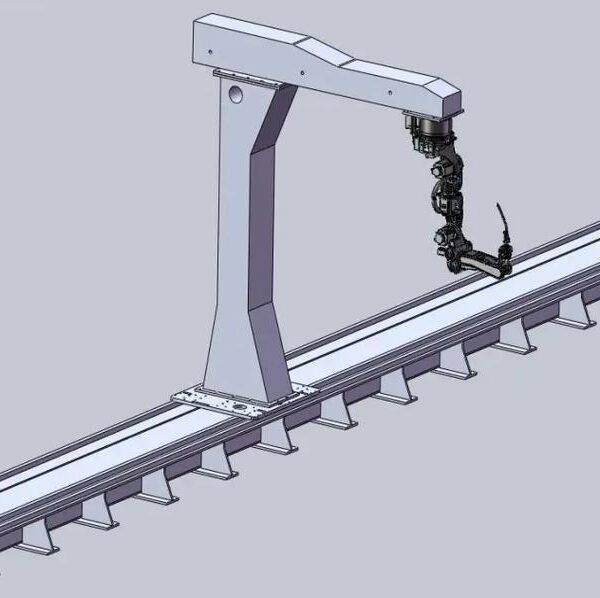
Cantilever Welding Robot solution
-
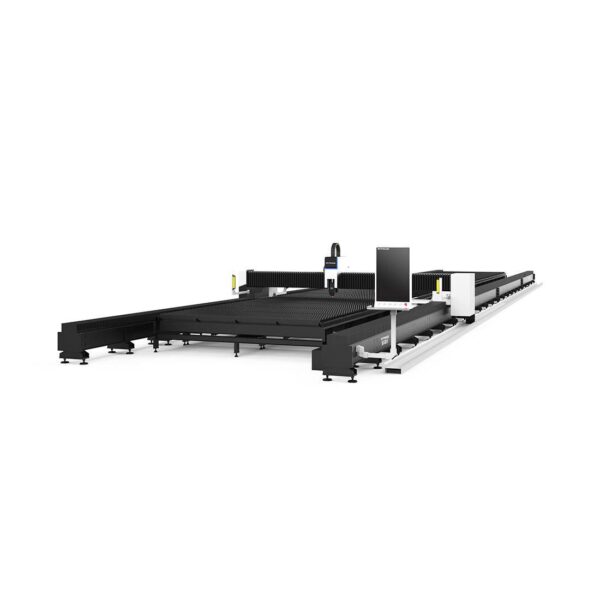
GF laser cutting machine
-
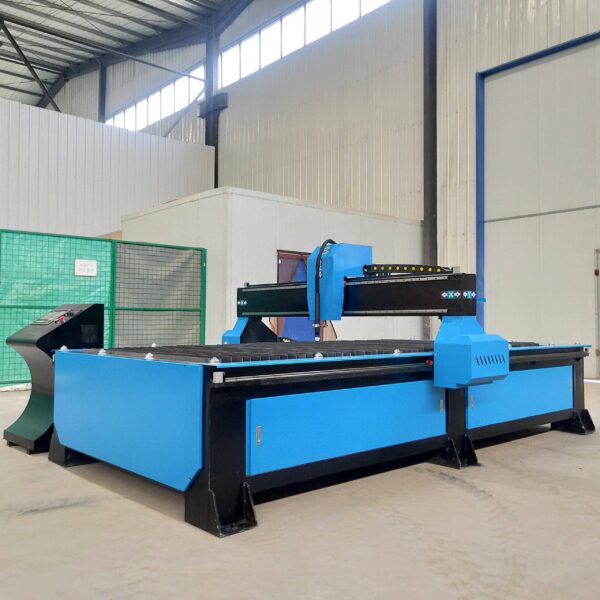
P3015 plasma cutting machine
-

LFP3015 Fiber Laser Cutter
-
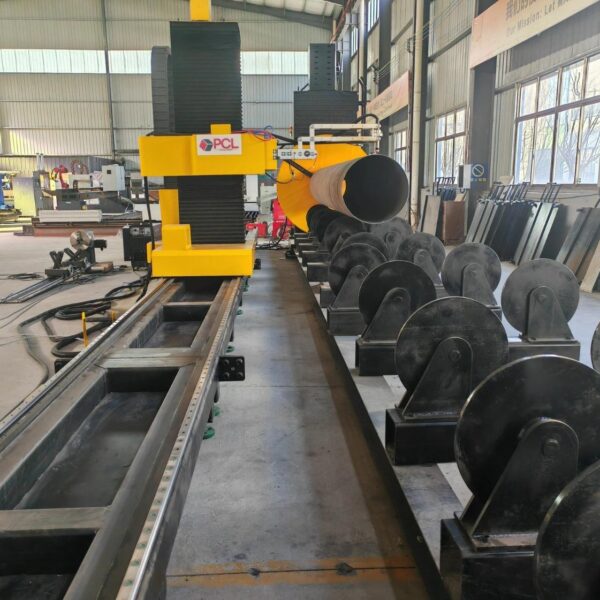
pipe plasma cutting machine
-
LFH 4020 Fiber Laser Cutting Machine
-
LFP4020
-
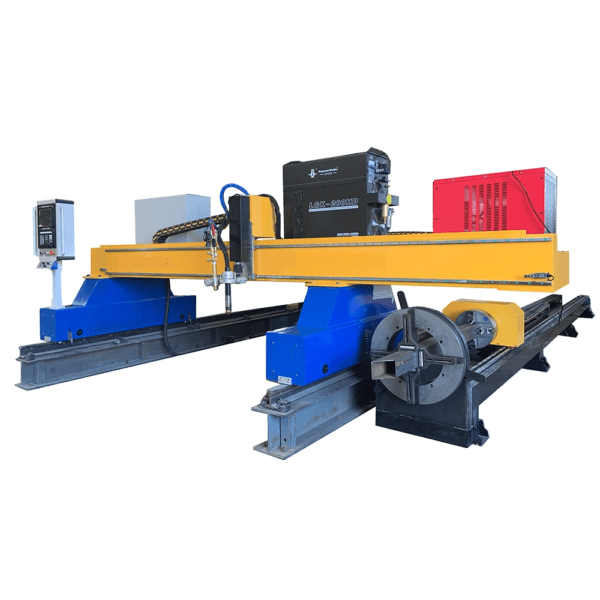
gantry plasma air cutting machine
-
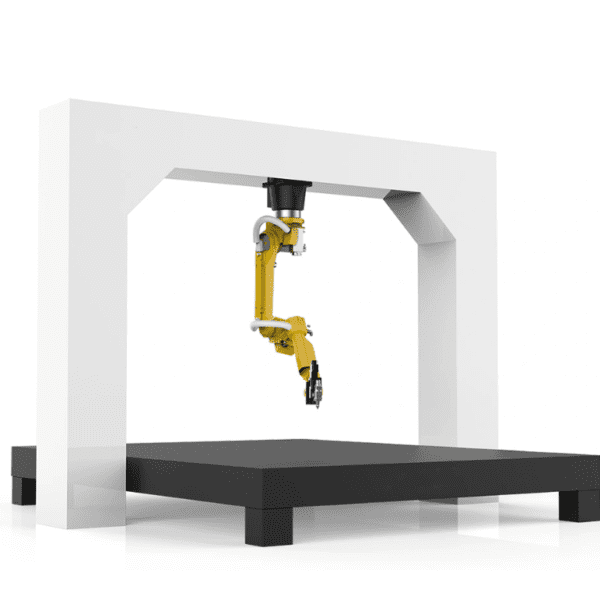
3D robot cutting machine
-
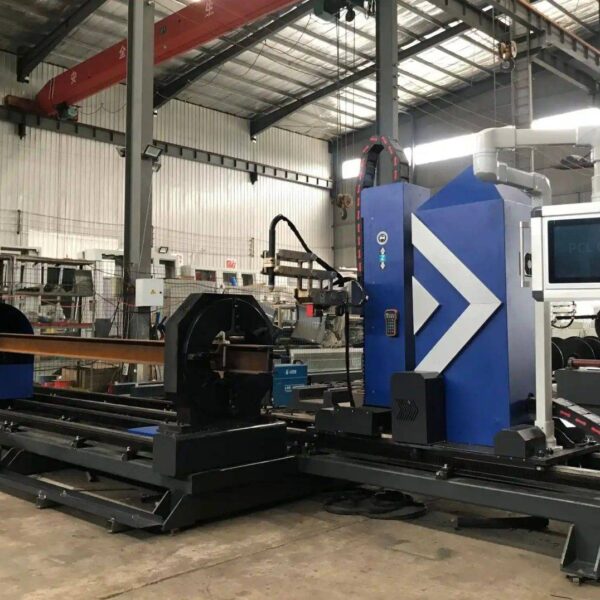
8 axis plasma cutting machine
-
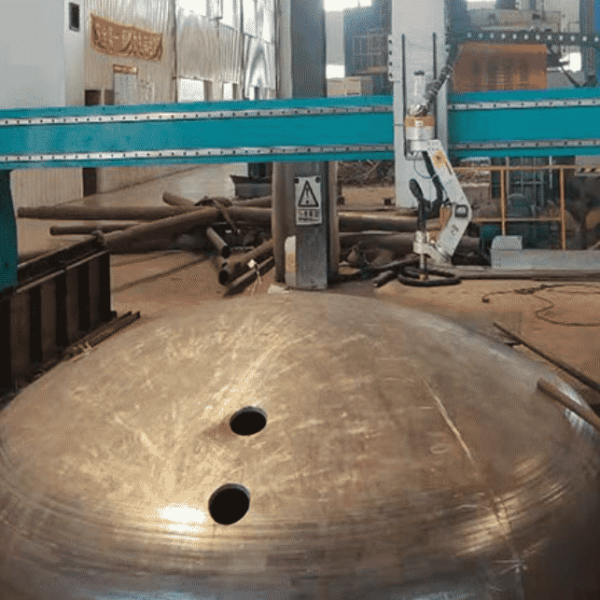
5 axis plasma cutting machine
-

LT360 tube laser cutting machine
-
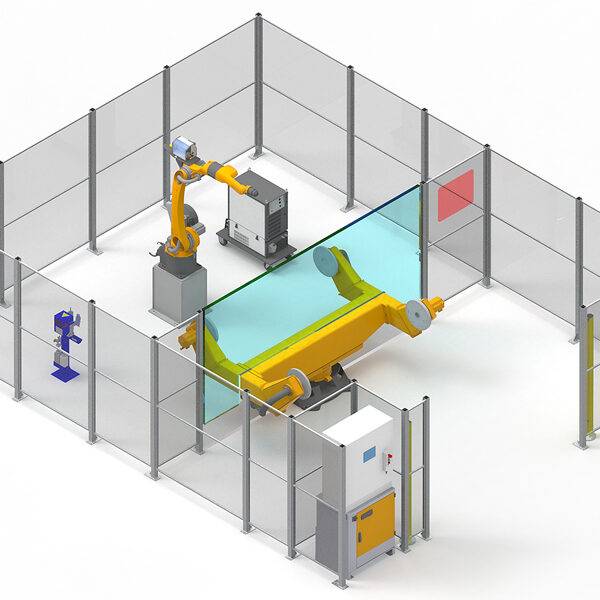
robot welding workstation
-
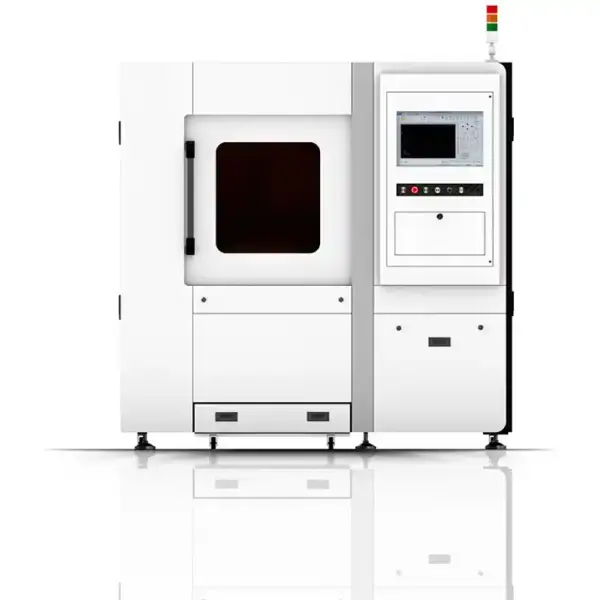
SF6060 fiber laser cutting machine
Advanced Fiber Laser Tube Processing Technology
Our CNC Fiber Laser Tube Cutting systems revolutionize metal fabrication by integrating high-precision cutting, punching, and profiling into a single automated workflow. Designed for versatility, this technology handles a wide array of profiles including Round, Square, Rectangular, and Oval tubes, as well as complex L-shaped and U-shaped channels.
- Precision Punching: High-speed hole punching with micron-level accuracy, eliminating the need for mechanical drilling or die-stamping.
- Complex Profiling: Advanced 3D pathing allows for intricate interlocking joints and specialized notch cuts, ideal for structural frames.
- High Material Efficiency: Intelligent nesting software minimizes scrap, reducing raw material costs across large production runs.
- Clean Finish: Delivers oxide-free, burr-free edges that require zero secondary grinding before welding.

Seamlessly processing multiple profiles with consistent precision.
Global Delivery & Logistics



From our high-tech manufacturing facility directly to your global site. PCL WeldCut ensures secure packaging, professional handling, and reliable international logistics to safeguard your equipment throughout the entire journey.
