Optimizing Agricultural Machinery Fabrication via Integrated Tube Laser Cutting
Agricultural machinery manufacturing requires structural components capable of withstanding high torsional stress and harsh environmental conditions. Traditional fabrication workflows, involving separate sawing, drilling, and manual marking, introduce cumulative tolerances that complicate final assembly. The shift toward Precision tube laser cutting—specifically systems integrating one-step punching and marking with advanced fume extraction—addresses these inefficiencies while maximizing material yield and structural reliability.
Intelligence in Material Management and Structural Alignment
The primary driver of cost-efficiency in modern laser tube processing is the implementation of Automated Nesting Algorithms. In the production of harvester frames and tractor chassis, material costs represent a significant portion of the total expenditure. Modern software platforms now achieve up to 95 percent material utilization by calculating the optimal arrangement of parts across standard 6-meter or 12-meter raw tubes. This reduces scrap and minimizes the “remnant” length that typically goes to waste in manual sawing operations.
Beyond nesting, Weld Seam Detection serves as a critical quality control intelligence feature. Agricultural tubes are often roll-formed and welded. If a laser-cut hole or a high-stress notch coincides with the tube’s longitudinal weld seam, the structural integrity of the component is compromised. Integrated CCD sensors and infrared scanners now identify the seam’s position in milliseconds, automatically rotating the tube to ensure that all apertures and geometric cuts are positioned away from the seam or oriented according to engineering specifications for welding.
One-Step Punching, Marking, and Profile Versatility
The integration of punching and marking into the laser cutting cycle eliminates secondary handling. In agricultural manufacturing, parts must be identified for assembly and downstream welding. One-step marking uses the laser head at a lower power frequency to etch part numbers, assembly orientations, or QR codes directly onto the tube surface. Simultaneously, the system performs “punching”—the high-speed laser piercing of holes—with a precision that mechanical drills cannot match, maintaining a diameter tolerance within +/- 0.1mm.
Material versatility remains a hurdle for older CO2 systems, but modern fiber lasers equipped with Anti-Reflection Modules have expanded the range of workable materials. Agricultural cooling systems often require the processing of copper and aluminum. These materials are highly reflective in their molten state, which can cause back-reflection and damage the fiber source. Modern optical isolators protect the resonator, allowing for the stable cutting of non-ferrous alloys.
Furthermore, agricultural frames are not limited to round or square tubes. The ability to process H-beams, C-channels, and L-angles on the same machine is vital. Specialized 3D cutting heads with high-degree beveling capabilities allow these profiles to be notched and joined with interlocking “tab-and-slot” designs, which significantly reduces the need for heavy welding jigs.
Risk Mitigation: Dust Protection and Mechanical Precision
The environment in an agricultural machinery plant is inherently dusty, characterized by metallic particles and ambient grit. For a fiber laser, this poses a risk to the internal optics and the power source. Risk mitigation is achieved through two primary avenues: environmental sealing of the fiber source and optimized fume extraction.
Fume extraction in tube cutting is more complex than in flat-bed cutting because the tube itself acts as a chimney. Advanced systems utilize a partitioned extraction design where the suction force is concentrated at the chuck and the cutting head. As the laser moves along the tube, internal baffles open and close to maintain high static pressure at the point of incision. This prevents the buildup of slag inside the tube and protects the external linear guides from abrasive dust.
Mechanical precision is further guaranteed by Dynamic Centering Chucks. Agricultural tubes are rarely perfectly straight. Long-span tubes (up to 12 meters) tend to bow or twist. If the chuck does not compensate for this, the laser focus will vary, resulting in poor cut quality or nozzle collision. Pneumatic four-chuck systems provide continuous support, measuring the tube’s deviation in real-time and adjusting the center of rotation to ensure the laser remains perpendicular to the material surface at all times.
Technical Comparison: Conventional Fabrication vs. Integrated Laser Processing
The following table outlines the technical transition from multi-stage traditional fabrication to integrated laser tube processing in the agricultural sector.
| Feature | Conventional Method | Integrated Laser System |
|---|---|---|
| Material Utilization | 75% – 82% (Manual Nesting) | 92% – 95% (Automated Nesting) |
| Secondary Processing | Manual Drilling & Deburring | One-step Punching & Cutting |
| Weld Seam Handling | Manual Inspection/Rotation | Automatic Sensor Detection |
| Part Identification | Ink Stamping or Tagging | Integrated Laser Marking |
| Profile Versatility | Limited to standard shapes | H-beam, C-channel, L-angle |
Conclusion: The Future of Agricultural Fabrication
The adoption of precision tube laser cutting is no longer optional for manufacturers aiming to compete in the global agricultural market. By integrating intelligence—such as 95 percent material utilization and weld seam recognition—with robust mechanical features like anti-reflection modules and dynamic chucking, factories can produce complex, high-durability components with minimal human intervention. The synchronization of one-step punching, marking, and localized fume extraction ensures that the manufacturing floor remains clean, efficient, and highly productive, directly impacting the bottom line through reduced lead times and superior structural quality.
-
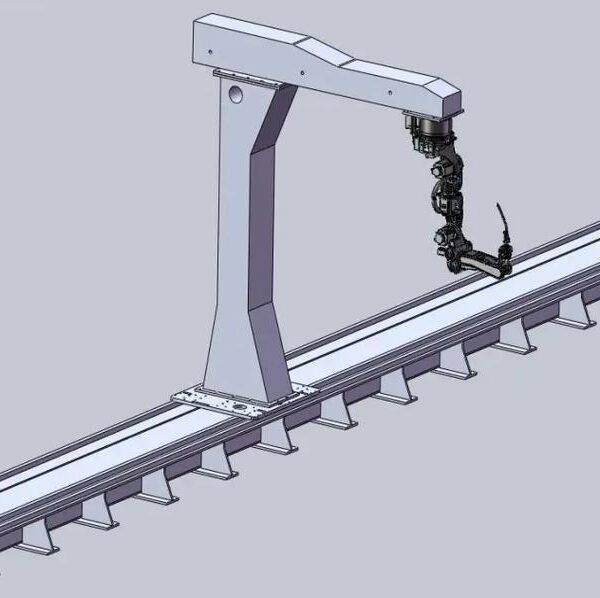

Cantilever Welding Robot solution
-
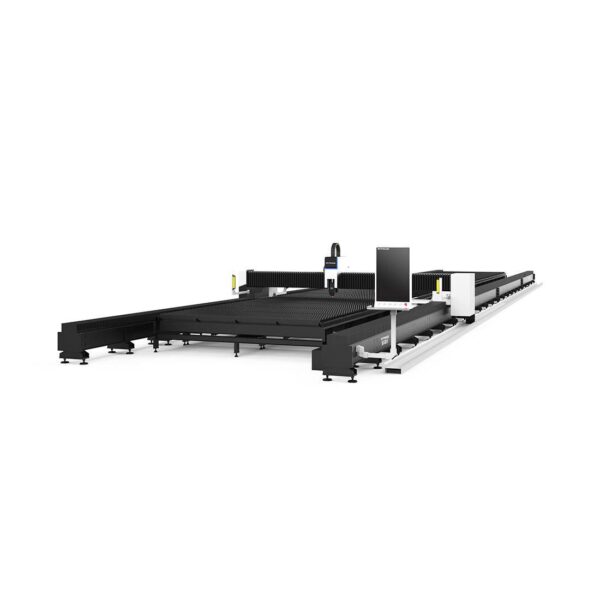

GF laser cutting machine
-
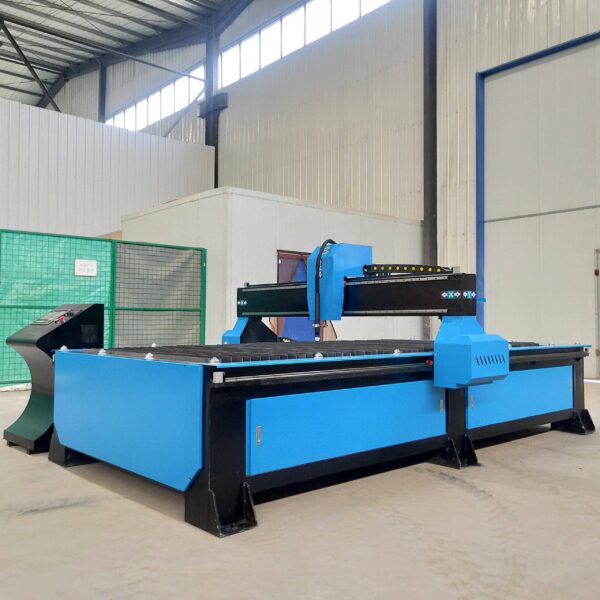
P3015 plasma cutting machine
-

LFP3015 Fiber Laser Cutter
-
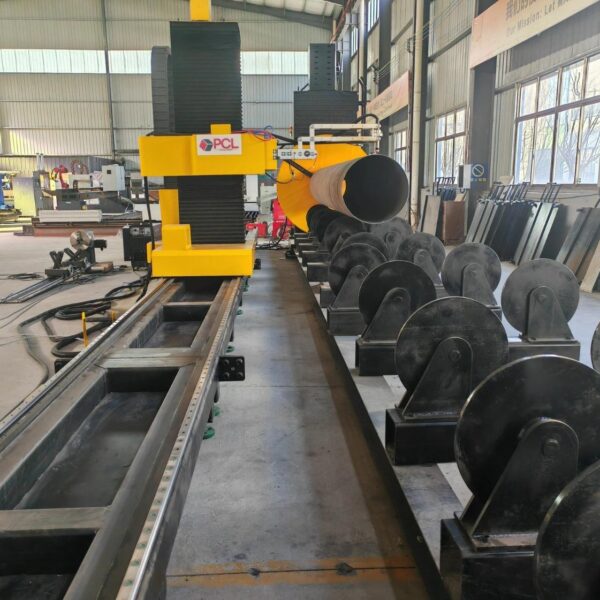
pipe plasma cutting machine
-
LFH 4020 Fiber Laser Cutting Machine
-
LFP4020
-
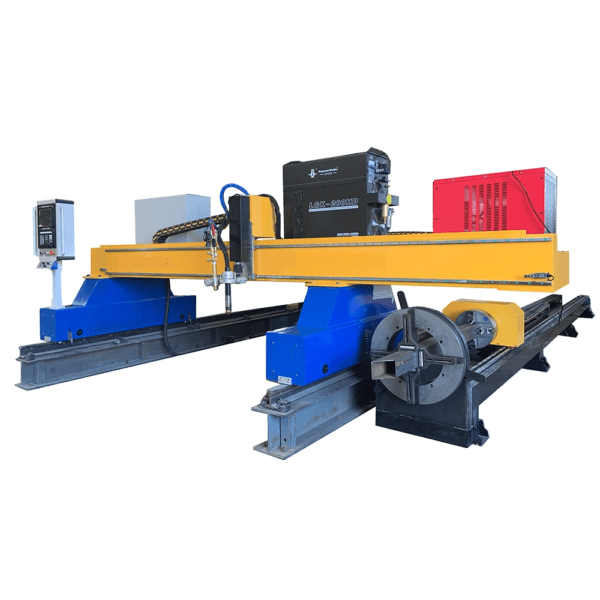
gantry plasma air cutting machine
-
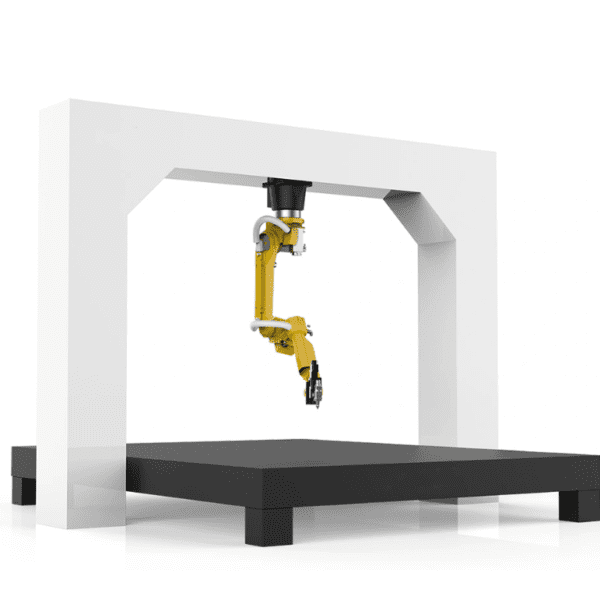
3D robot cutting machine
-
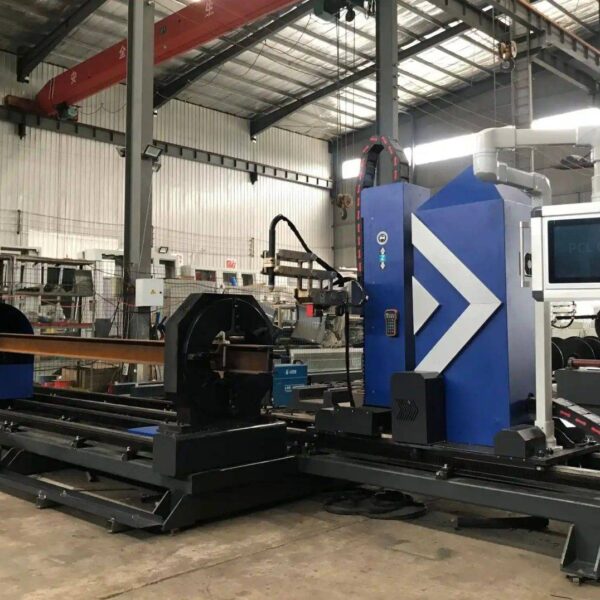
8 axis plasma cutting machine
-
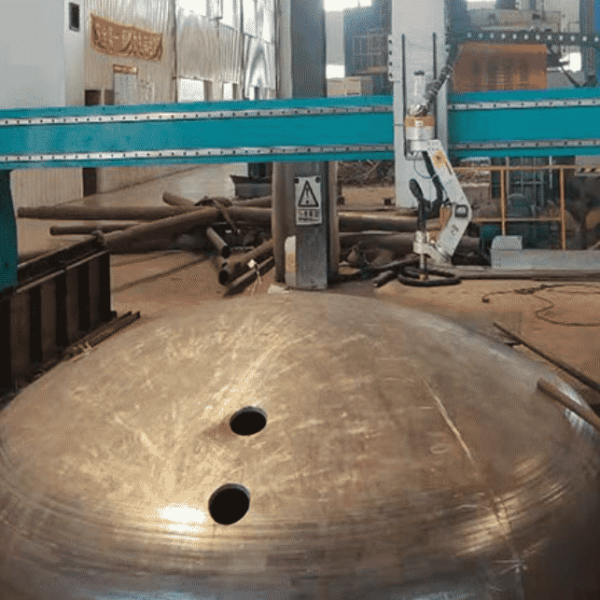
5 axis plasma cutting machine
-

LT360 tube laser cutting machine
-
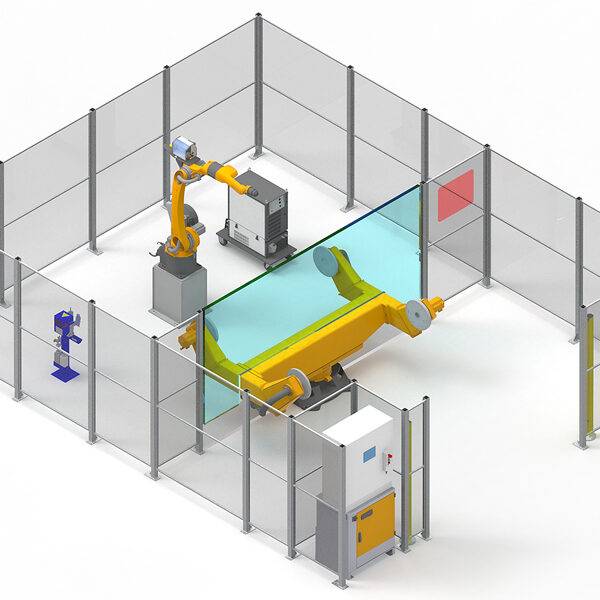
robot welding workstation
-
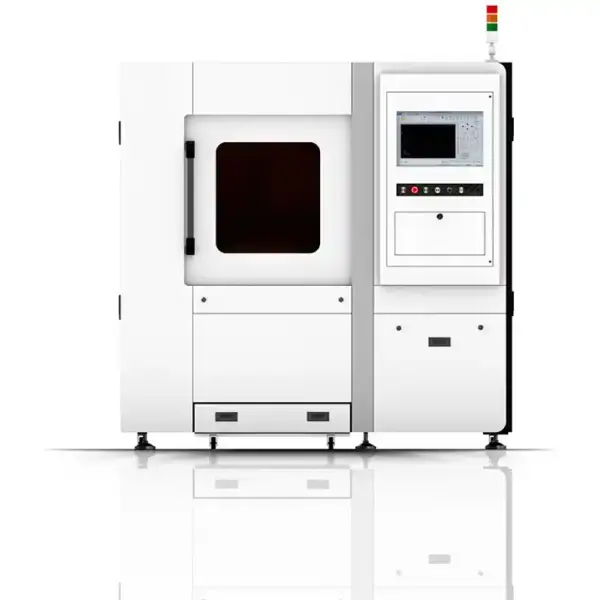
SF6060 fiber laser cutting machine
Advanced Fiber Laser Tube Processing Technology
Our CNC Fiber Laser Tube Cutting systems revolutionize metal fabrication by integrating high-precision cutting, punching, and profiling into a single automated workflow. Designed for versatility, this technology handles a wide array of profiles including Round, Square, Rectangular, and Oval tubes, as well as complex L-shaped and U-shaped channels.
- Precision Punching: High-speed hole punching with micron-level accuracy, eliminating the need for mechanical drilling or die-stamping.
- Complex Profiling: Advanced 3D pathing allows for intricate interlocking joints and specialized notch cuts, ideal for structural frames.
- High Material Efficiency: Intelligent nesting software minimizes scrap, reducing raw material costs across large production runs.
- Clean Finish: Delivers oxide-free, burr-free edges that require zero secondary grinding before welding.

Seamlessly processing multiple profiles with consistent precision.
Global Delivery & Logistics



From our high-tech manufacturing facility directly to your global site. PCL WeldCut ensures secure packaging, professional handling, and reliable international logistics to safeguard your equipment throughout the entire journey.
