Eliminating Secondary Grinding in Furniture Tube Fabrication
The traditional furniture manufacturing workflow often involves mechanical sawing followed by manual deburring and abrasive grinding. In high-volume production, these manual steps create bottlenecks and inconsistent tolerances. Precision tube laser cutting integrates these processes into a single automated cycle. By controlling the Heat-affected zone (HAZ) through precise pulse frequency and assist gas pressure, the fiber laser produces a finished edge that requires no secondary grinding. This allows components to move directly from the cutting bed to the welding or coating stations, significantly compressing the production timeline.
ROI Analysis: Labor Substitution and Efficiency
Transitioning to an automated laser system provides immediate labor ROI. A single precision tube laser operator typically replaces a workgroup of 3 to 5 employees previously dedicated to manual cutting, measurement, and edge finishing. The reduction in manual handling also decreases the risk of workplace injuries and material damage.
Beyond labor, the implementation of Zero-tailing technology optimizes the cost-per-part by reducing material waste. Traditional tube lasers often leave 15cm to 25cm of scrap at the end of each pipe due to the distance between the chuck and the cutting head. Advanced three-chuck systems allow the laser to cut nearly the entire length of the raw material, saving 10cm to 20cm per pipe. Over thousands of cycles, this material recovery directly affects the bottom line, particularly when working with high-cost materials like stainless steel or decorative brass.
Technical Comparison: Precision Laser vs. Traditional Methods
| Metric | Traditional Sawing/Grinding | Precision Fiber Laser |
|---|---|---|
| Labor Requirement | 3-5 Operators | 1 Operator |
| Edge Quality | Burrs/Rough (Requires Grinding) | Clean (No Grinding Required) |
| Tailings Waste | 150mm – 300mm | 0mm – 50mm |
| Material Utilization | 75% – 85% | 95%+ |
Risk Mitigation in Dusty Environments
Furniture factories are high-dust environments, often containing a mix of metallic particles and finishing powders. These conditions pose a significant risk to the fiber laser source and the optical path. To maintain stability, industrial-grade tube lasers utilize a fully sealed cabinet design with independent climate control for the laser generator. This prevents dust ingress and maintains a constant operating temperature, extending the diode life and preventing power fluctuations that cause inconsistent cut quality.
Furthermore, chuck centering precision is a critical factor in mitigating scrap risk. Inconsistent clamping forces or misalignment in the Full-stroke pneumatic chuck can lead to rotational errors, resulting in holes or notches that do not align during final assembly. Advanced systems utilize self-centering mechanisms and real-time sensor feedback to ensure the tube remains on its theoretical axis throughout the rotation, even if the raw material has slight geometric deviations or bowing.
Intelligence and Software Integration
Modern tube lasers utilize sophisticated Nesting optimization software to achieve 95% material utilization. This software automatically calculates the best part arrangement across multiple raw tubes, integrating different part lengths into a single run to minimize scrap. This level of intelligence removes the human error associated with manual layout and ensures that every millimeter of the pipe is used efficiently.
Another critical intelligent feature for furniture manufacturing is auto-weld seam recognition. Most industrial tubes are welded during production, leaving a seam along the length of the pipe. For aesthetic furniture, this seam must be hidden or positioned away from critical bends and visible faces. Integrated vision systems detect the weld seam on the raw tube before the first cut and rotate the material to a predetermined position. This ensures uniformity across all manufactured components and prevents structural weaknesses during the bending process.
Technical Advantages of Precision Motion Control
The elimination of grinding is not solely a result of laser power, but of motion control. High-speed bus communication between the CNC controller and the laser head allows for real-time adjustments to the cutting speed and gas flow at corners and tight radii. This prevents overheating at the corner points, which is where slag typically accumulates in lower-quality systems. By maintaining a constant linear velocity relative to the material surface, the system ensures a uniform kerf width and a smooth surface finish.
Conclusion
For furniture manufacturers, precision tube laser cutting represents a fundamental shift in production economics. By focusing on systems that eliminate secondary grinding, facilities can drastically reduce labor overhead and material waste. The combination of zero-tailing hardware, dust-resistant laser sources, and intelligent nesting software creates a robust production environment capable of meeting high-volume demands with superior aesthetic and structural quality. Investments in these technologies pay for themselves through 95% material utilization and the removal of labor-intensive finishing processes.
-
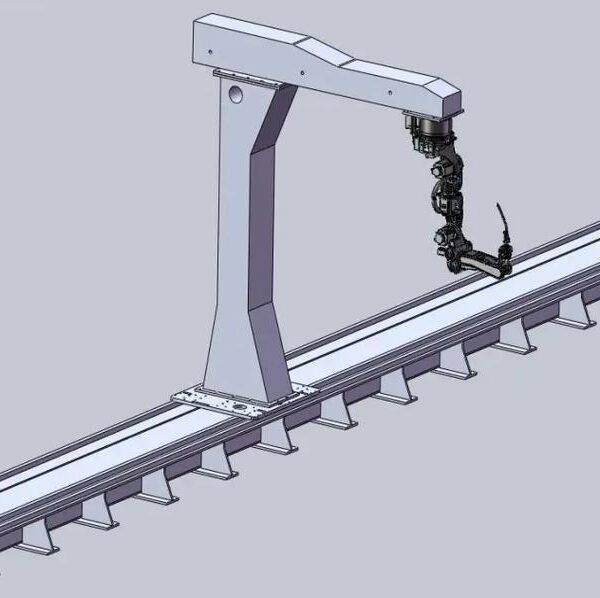

Cantilever Welding Robot solution
-
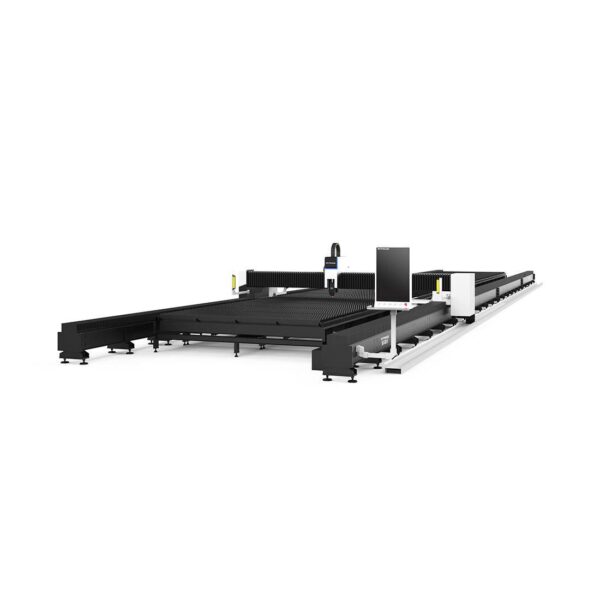

GF laser cutting machine
-
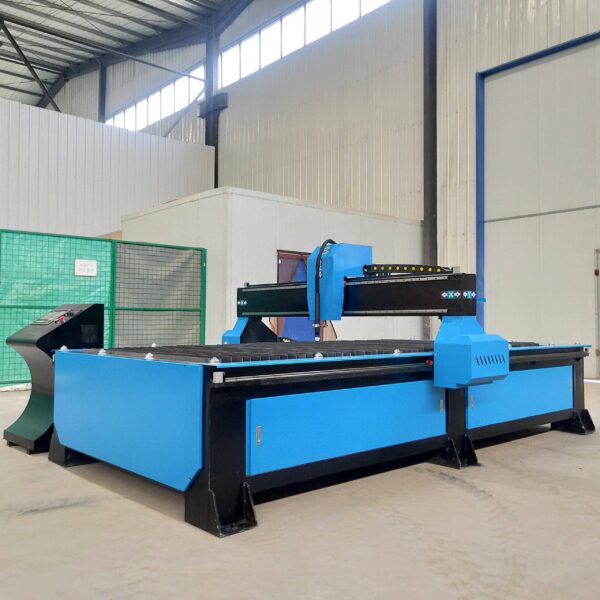
P3015 plasma cutting machine
-

LFP3015 Fiber Laser Cutter
-
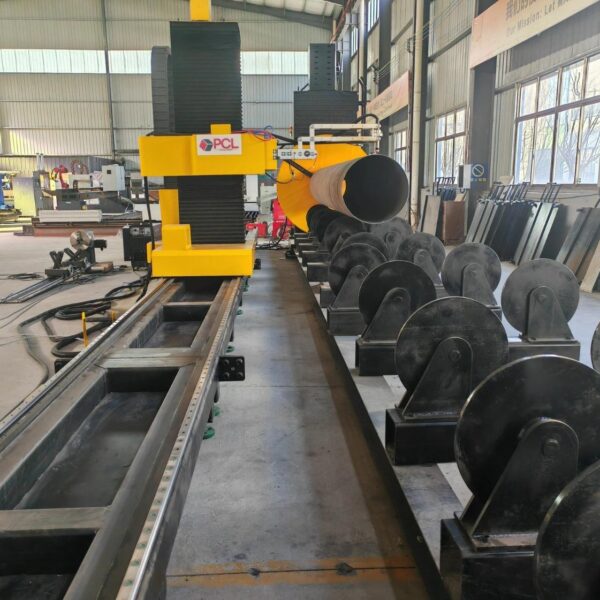
pipe plasma cutting machine
-
LFH 4020 Fiber Laser Cutting Machine
-
LFP4020
-
gantry plasma air cutting machine
-
3D robot cutting machine
-
8 axis plasma cutting machine
-
5 axis plasma cutting machine
-

LT360 tube laser cutting machine
-
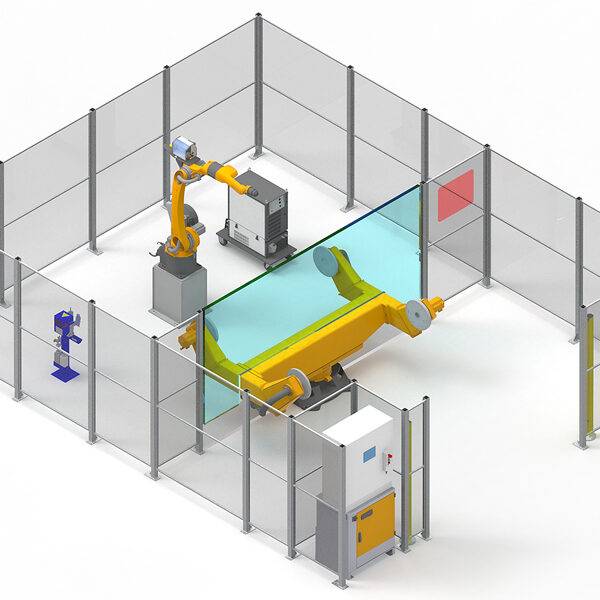
robot welding workstation
-
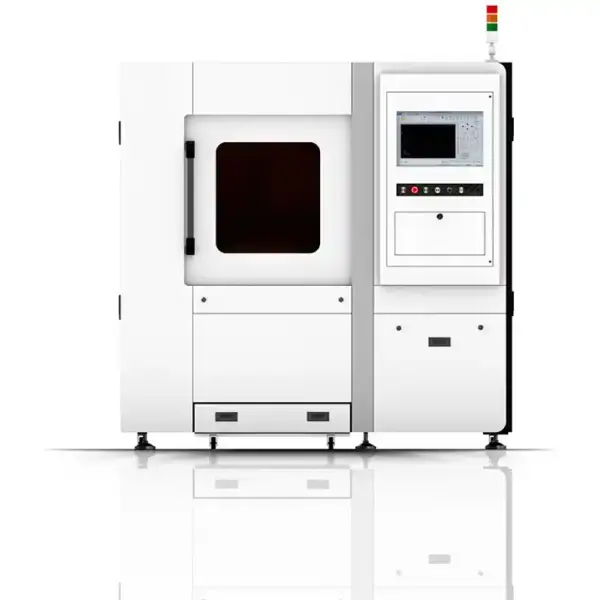
SF6060 fiber laser cutting machine
