Aerospace Component Integrity through Precision Tube Laser Integration
Aerospace manufacturing demands a convergence of structural integrity and dimensional repeatability. The transition from manual processing to integrated tube laser systems addresses the critical need for consistency in thin-walled profiles and complex alloys. By utilizing an Automatic bundle loader, manufacturers eliminate the variable of manual material handling, ensuring that the raw stock is delivered to the cutting head with synchronized timing and orientation. This automation is not merely a labor-saving measure; it is a prerequisite for maintaining the surface integrity of aerospace-grade materials, preventing scratches and mechanical deformation during the loading cycle.
Automated Weld Seam Identification and Positional Accuracy
In aerospace tube processing, the orientation of the longitudinal weld seam—if present—is a critical variable. An Weld seam identification system utilizes high-resolution optical sensors and image processing algorithms to detect the seam’s position in milliseconds. This data allows the control software to rotate the tube so that holes, slots, or notches are never placed on the seam, which is a localized area of altered grain structure and potential stress concentration.
For seamless tubes, this same sensor suite can be used for geometric verification. When paired with high-precision encoders, the system ensures that the start point of every cut is synchronized with the actual rotation of the workpiece rather than the theoretical model. This mitigates the risk of cumulative error in long-form components like fuselage stringers or hydraulic conduits.
Risk Mitigation: Fiber Source Stability and Chuck Precision
The operational environment of a fabrication floor is inherently detrimental to sensitive optical components. Fiber source stability is maintained through a pressurized, hermetically sealed cabinet that prevents the ingress of metallic dust and airborne particulates. In aerospace applications, even a minor fluctuation in beam quality (M2 factor) can result in dross formation or an oversized heat-affected zone (HAZ). Modern fiber oscillators utilize independent module cooling to ensure the power output remains linear throughout extended production runs, even in fluctuating ambient temperatures.
Chuck centering precision is the secondary pillar of risk mitigation. For thin-walled aerospace tubing, excessive clamping force can cause elastic or plastic deformation. Precision systems utilize synchronous pneumatic chucks with adjustable pressure regulators. These chucks provide a self-centering mechanism that maintains the tube’s centerline relative to the laser’s focal point, ensuring that the kerf width remains constant regardless of the tube’s minor manufacturing variances.
Hardware Engineering: The Role of the Cast Iron Bed
High-speed laser cutting generates significant inertial forces during rapid acceleration and deceleration of the cutting head. A Cast iron bed is utilized for its superior vibration damping characteristics compared to welded steel frames. The flake graphite within the cast iron structure absorbs high-frequency vibrations, preventing them from being transmitted to the cutting head. This stability is essential when cutting intricate geometries at high feed rates, as it prevents “ghosting” or serrated edges on the cut surface. Furthermore, the thermal mass of a heavy cast bed ensures that the machine’s geometry remains stable over 24-hour shifts, minimizing the need for frequent re-calibration.
Comparative Analysis: 3-Chuck vs. 2-Chuck Systems
The choice between a 2-chuck and a 3-chuck configuration significantly impacts material utilization and structural support.
| Feature | 2-Chuck System | 3-Chuck System |
|---|---|---|
| Material Support | Prone to sagging in long tubes. | Dynamic mid-support prevents sag. |
| Tailing Length (Waste) | Typically 200mm – 300mm. | Zero-tailing (approaching 0mm). |
| Cutting Accuracy | Standard. | High (due to multi-point stabilization). |
| Throughput | High for simple geometries. | Optimized for complex, heavy profiles. |
A 3-chuck system allows for “pulling” the material through the cutting zone. The third chuck moves to support the workpiece close to the laser head, which is vital for maintaining perpendicularity on heavy profiles or asymmetric sections. This configuration also allows for “zero-tailing” operation, where the rear chuck passes the material to the middle chuck, enabling the laser to cut the very end of the tube. In aerospace, where materials like Inconel or Titanium are used, the cost savings from reduced scrap alone can justify the higher capital expenditure of a 3-chuck system.
Material Versatility and Anti-Reflection Technology
Aerospace designs frequently incorporate Aluminum and Copper for thermal management and electrical conductivity. These materials are highly reflective to infrared laser light. Without Anti-reflection technology, back-reflected light can travel back through the delivery fiber and damage the laser source. Modern systems employ optical isolators and real-time monitoring of back-reflection levels. If a dangerous threshold is reached, the system adjusts the pulse frequency or power level to protect the resonator.
Furthermore, the capability to process H-beams and C-channels on the same platform used for round tubing provides significant design flexibility. Aerospace structural frames often require the intersection of flat-faced profiles with curved tubes. The control software must account for the varying wall thickness and corner radii of these profiles. By using a 5-axis cutting head, the system can perform complex chamfering and beveling on C-channels, allowing for flush fitment and superior weld penetration in subsequent assembly steps.
Conclusion: The ROI of Precision Automation
The integration of automated loading and seam identification reduces the cycle time per part while simultaneously increasing the yield per raw tube. For aerospace contractors, the primary Return on Investment (ROI) is found in the elimination of secondary processes. High-precision laser cutting produces edges that are ready for welding without the need for manual deburring or grinding. When the hardware—specifically the cast iron bed and multi-chuck stabilization—is engineered for maximum damping and minimum waste, the result is a production environment that meets the rigorous quality standards of the aerospace industry with optimized operational costs.
-
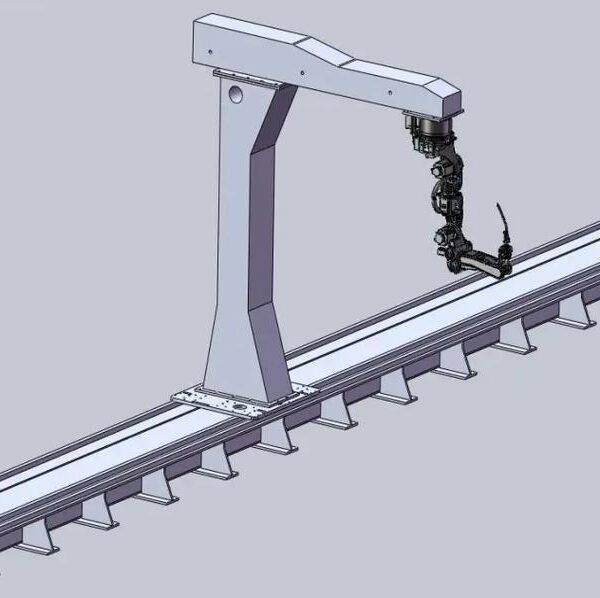

Cantilever Welding Robot solution
-
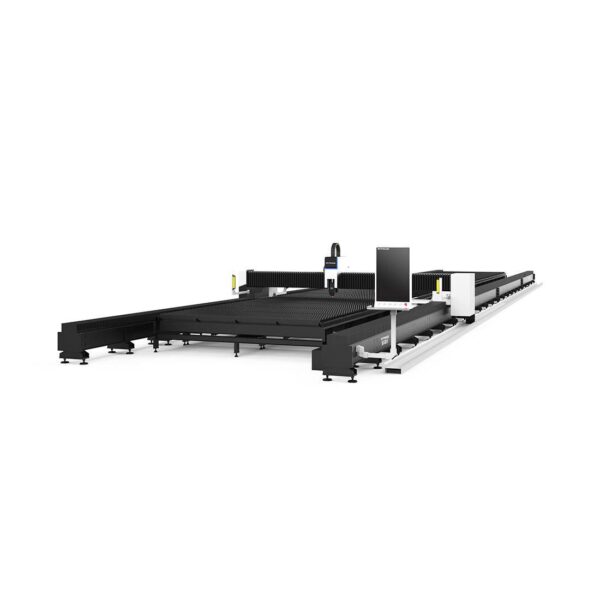

GF laser cutting machine
-
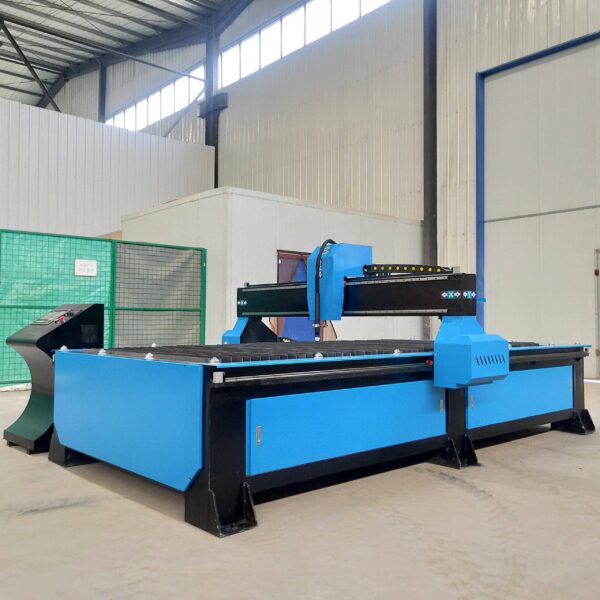
P3015 plasma cutting machine
-

LFP3015 Fiber Laser Cutter
-
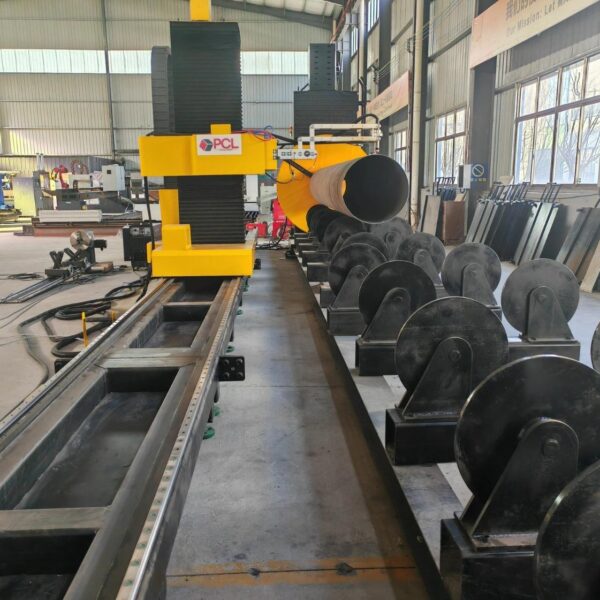
pipe plasma cutting machine
-
LFH 4020 Fiber Laser Cutting Machine
-
LFP4020
-
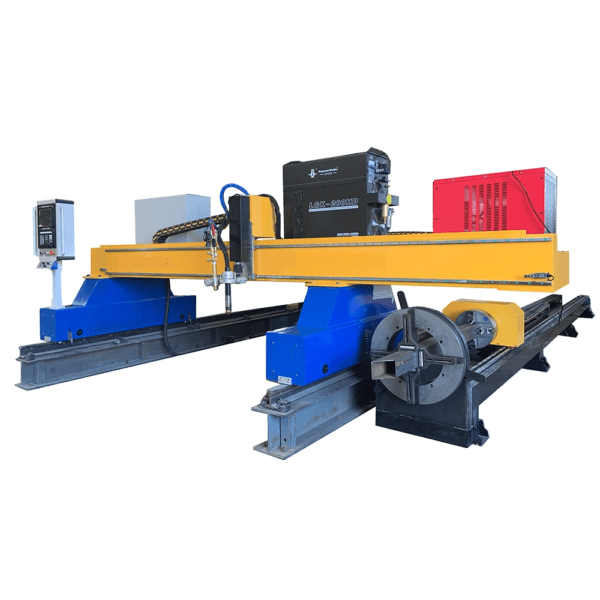
gantry plasma air cutting machine
-
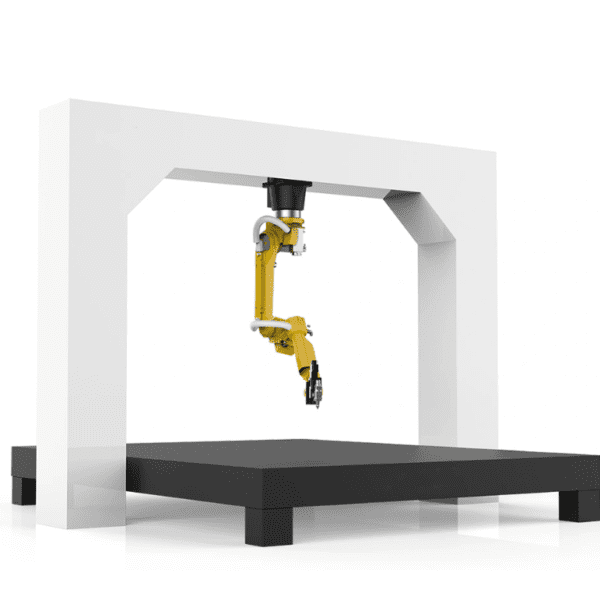
3D robot cutting machine
-
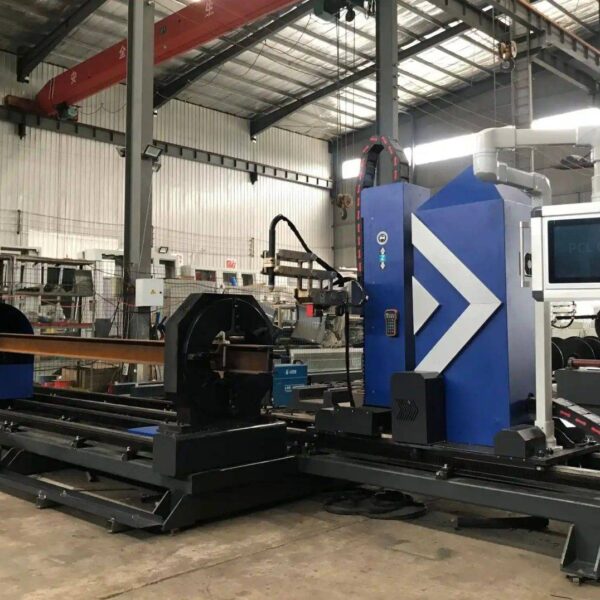
8 axis plasma cutting machine
-
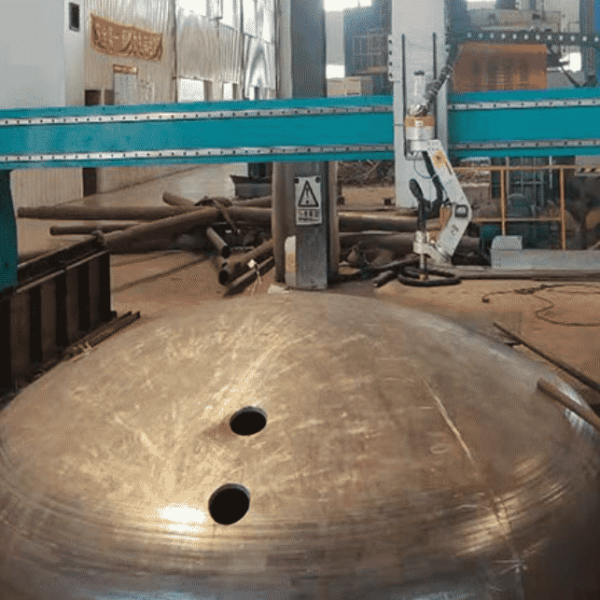
5 axis plasma cutting machine
-

LT360 tube laser cutting machine
-
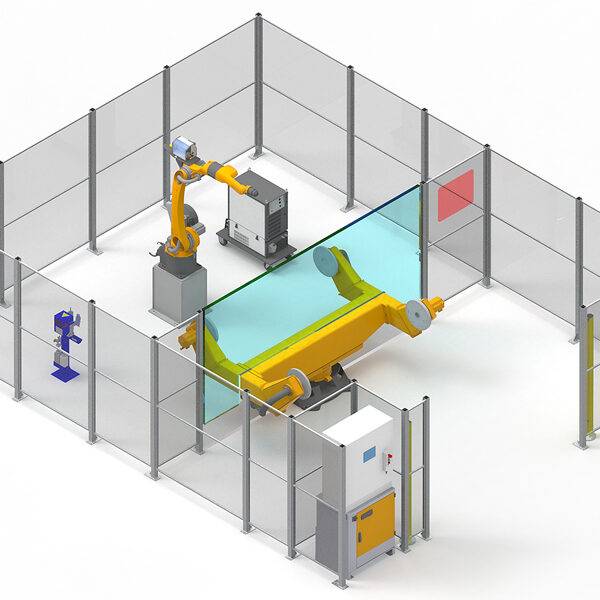
robot welding workstation
-
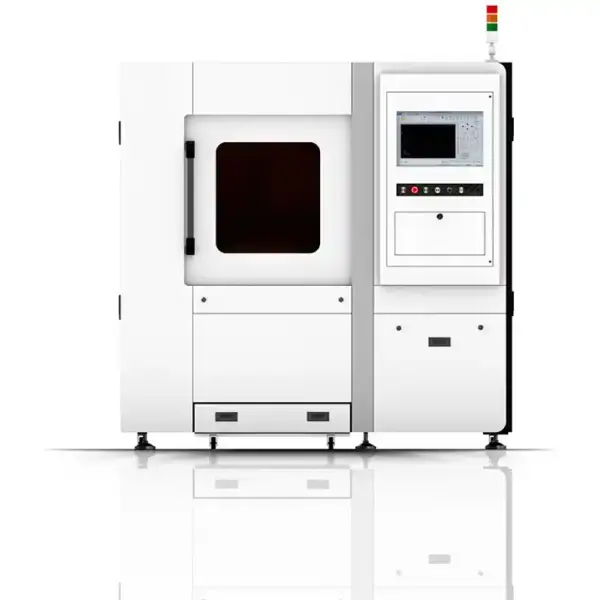
SF6060 fiber laser cutting machine
