Eliminating Secondary Grinding in HVAC Duct Production with High-Precision Pipe Laser Systems
The manufacturing of HVAC ducting and industrial piping has transitioned from a labor-intensive mechanical process to a high-precision automated workflow. Traditional methods, including plasma cutting and band sawing, inherently leave burrs and dross on the cut edges. These imperfections necessitate secondary grinding or deburring—a stage that consumes roughly 20% to 30% of total labor hours in a fabrication shop. By implementing high-power fiber laser source technology, manufacturers can now achieve finished edges that are ready for immediate assembly and welding, fundamentally altering the economics of the production floor.
The primary driver of this shift is the precision of the laser beam’s thermal energy. By focusing high-density light onto a localized area, the system achieves a narrow kerf width and a minimal Heat-affected zone (HAZ). For HVAC applications, where thin-walled galvanized steel and aluminum are common, this precision ensures that the structural integrity of the pipe is maintained without the warping or edge deformation associated with mechanical shearing.
Achieving Seamless Welding Prep and Aesthetic Industrial Design
The requirement for secondary grinding is often dictated by the quality of the weld preparation. In HVAC ducting, airtight seals are critical for pressure maintenance and energy efficiency. A Pipe laser cutting machine equipped with multi-axis motion control can execute complex bevel cuts and interlocking joints that fit with zero-gap tolerances. This precision allows for seamless welding, where the filler material flows evenly without the risk of porosity caused by surface contaminants or uneven edges left by manual grinding.
Beyond industrial utility, this precision extends to high-end industrial furniture and architectural installations. Hidden industrial design holes—used for internal fastening or aesthetic concealment—can be cut with a level of detail that traditional tools cannot replicate. Because the laser produces a clean finish, these components do not require post-process polishing or sandblasting before powder coating. This “cut-to-finish” capability is essential for manufacturers targeting the premium commercial market where visual appeal is as important as structural performance.
Material Versatility: Overcoming Reflection in Non-Ferrous Metals and Structural Profiles
HVAC systems frequently utilize copper and aluminum for heat exchangers and specialized venting. Historically, these materials posed a challenge for laser systems due to their high reflectivity, which could cause back-reflections and damage the optical components of the machine. Modern pipe lasers integrate advanced anti-reflection modules and beam delivery systems that allow for the stable cutting of non-ferrous metals.
Furthermore, the versatility of the pipe laser is not limited to round or square tubing. Advanced systems now accommodate structural profiles such as H-beams, C-channels, and L-angles. This is particularly valuable in the construction of large-scale industrial HVAC support frames. The ability to switch between thin-walled ducting and heavy structural profiles on a single machine reduces capital expenditure and footprint requirements.
Technical Comparison: Traditional vs. Laser Cutting
| Feature | Mechanical Sawing/Plasma | Pipe Laser Cutting |
|---|---|---|
| Edge Quality | Rough, heavy burrs | Clean, burr-free finish |
| Secondary Grinding | Mandatory (10-15 mins/pipe) | None required |
| Material Utilization | 75% – 85% | Up to 95% |
| Complexity | Limited to straight cuts | Intricate 3D geometries |
| Labor Cost | High (Multiple operators) | Low (Automated feed) |
Intelligence: 95% Material Utilization and Auto-Weld Recognition
The integration of intelligent Nesting software is what separates modern pipe lasers from their predecessors. In the HVAC industry, where material costs for copper and stainless steel can fluctuate, maximizing the yield from every raw pipe is critical. Current software algorithms can nest disparate parts on a single length of pipe with a 95% utilization rate. This is achieved by minimizing the “dead zone” at the ends of the tube and optimizing the spacing between cuts.
Another significant technological leap is Weld seam recognition. When cutting pre-welded pipes, it is vital to avoid placing a cut or a structural hole directly on the existing seam, as this can weaken the component or lead to inaccuracies. Automated sensors detect the position of the longitudinal weld seam and rotate the pipe in real-time to ensure the cutting path avoids the seam. This level of intelligence eliminates human error and ensures that every part produced meets the strict safety and performance standards of industrial ventilation systems.
Reducing the Total Cost of Ownership through Automation
While the initial investment in a pipe laser machine is higher than that of mechanical equipment, the Total Cost of Ownership (TCO) is significantly lower over a 3-to-5-year period. The removal of the grinding stage alone provides an immediate ROI by reducing consumables (grinding discs) and labor costs. Furthermore, the automation of the loading and unloading process allows for “lights-out” manufacturing, where the machine operates with minimal supervision.
In the context of HVAC, the precision of laser-cut parts reduces the time required for assembly. Parts “snap” together with tab-and-slot features cut directly into the pipe, which replaces the need for complex jigging and manual alignment. This streamlined assembly further multiplies the efficiency gains realized at the cutting stage.
Future-Proofing HVAC Fabrication
As building codes become more stringent regarding air leakage and energy recovery, the demand for precision-engineered ducting will increase. Fabricators who rely on manual grinding and traditional cutting will find it difficult to compete with the speed and accuracy of laser-based production. By adopting a system that offers material versatility, intelligent software integration, and superior edge quality, manufacturers can ensure they are prepared for the next generation of industrial infrastructure requirements.
The elimination of secondary grinding is not merely a convenience; it is a fundamental optimization of the manufacturing workflow. It represents a shift toward a more sustainable, profitable, and high-quality production model for the HVAC and furniture industries alike.
-
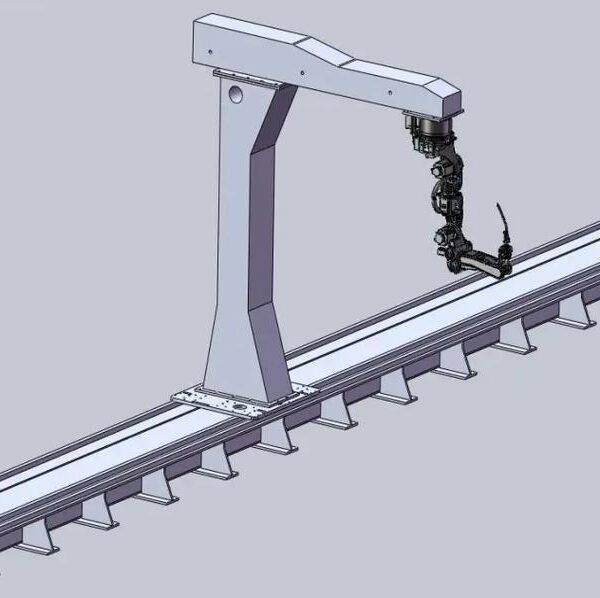

Cantilever Welding Robot solution
-
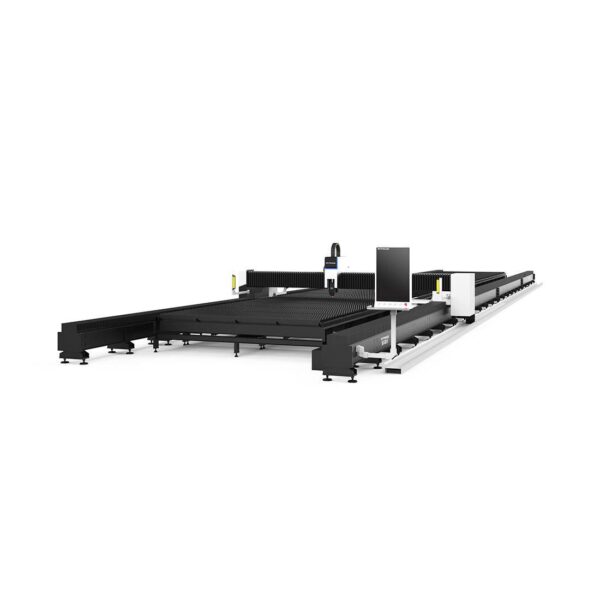

GF laser cutting machine
-
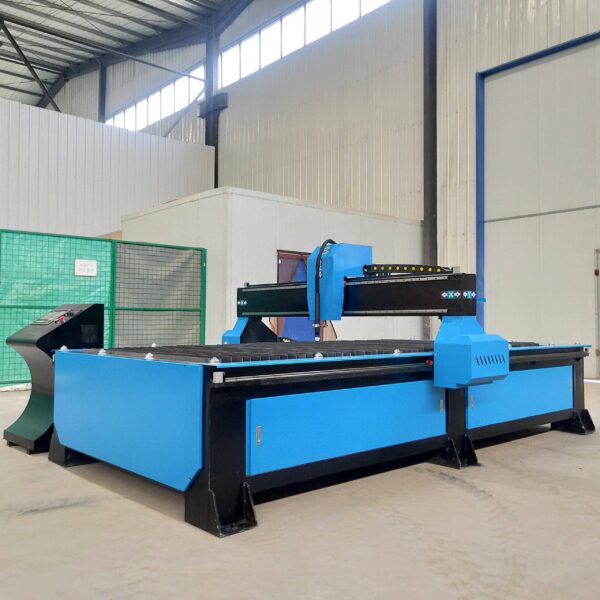
P3015 plasma cutting machine
-

LFP3015 Fiber Laser Cutter
-
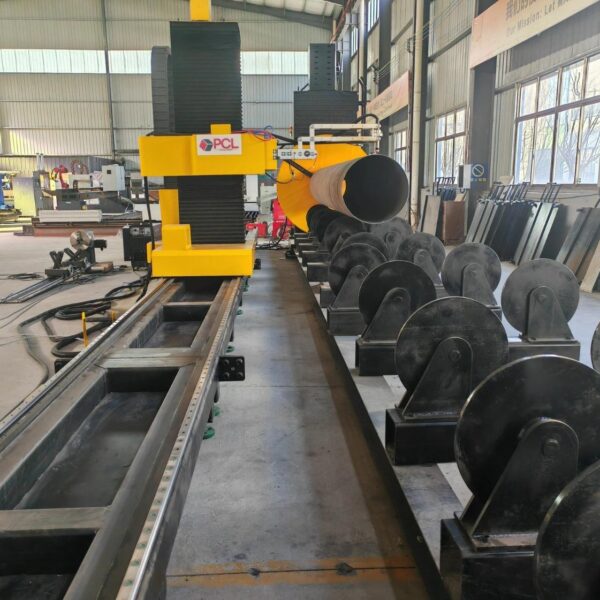
pipe plasma cutting machine
-
LFH 4020 Fiber Laser Cutting Machine
-
LFP4020
-
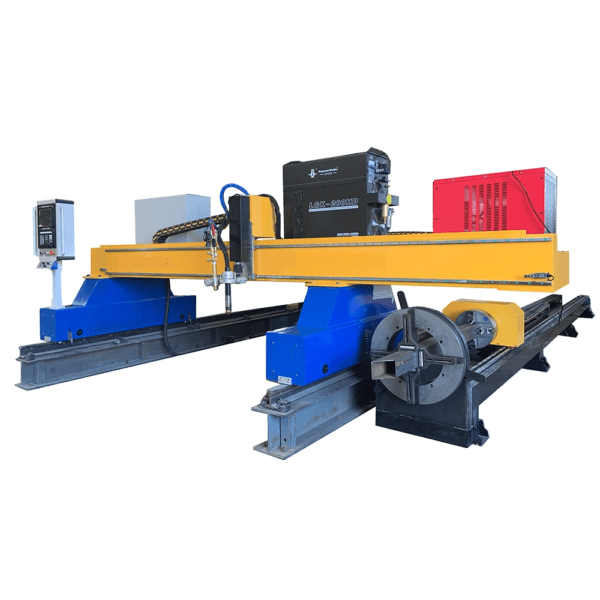
gantry plasma air cutting machine
-
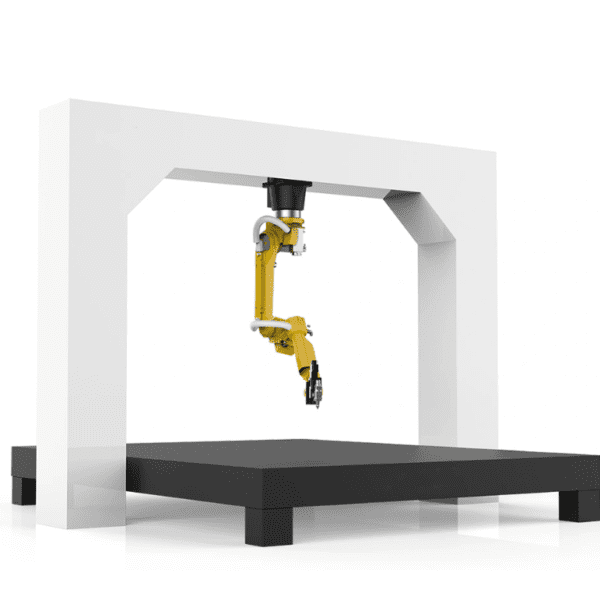
3D robot cutting machine
-
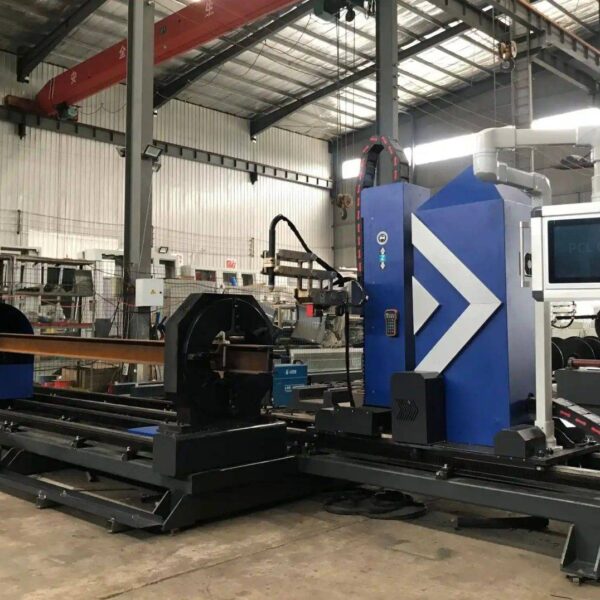
8 axis plasma cutting machine
-
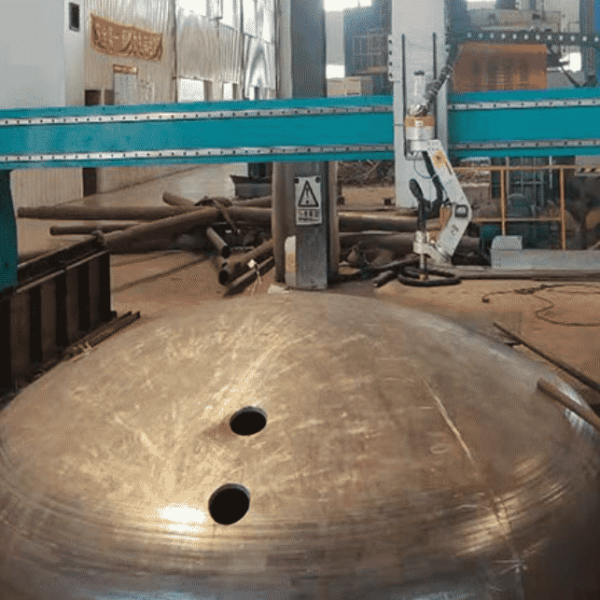
5 axis plasma cutting machine
-

LT360 tube laser cutting machine
-
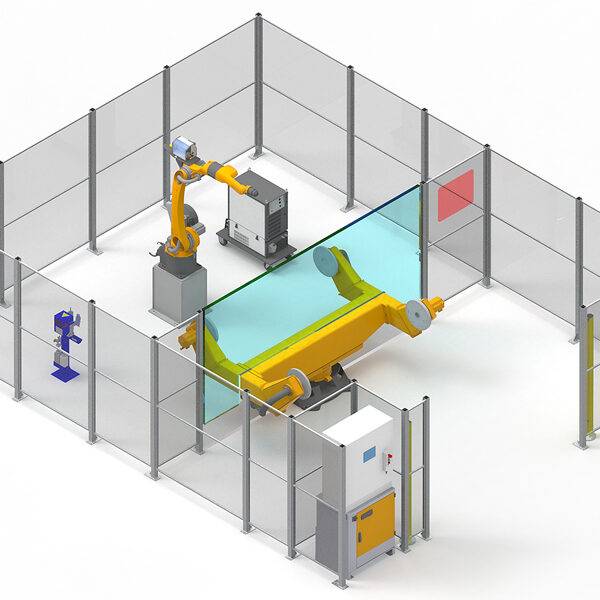
robot welding workstation
-
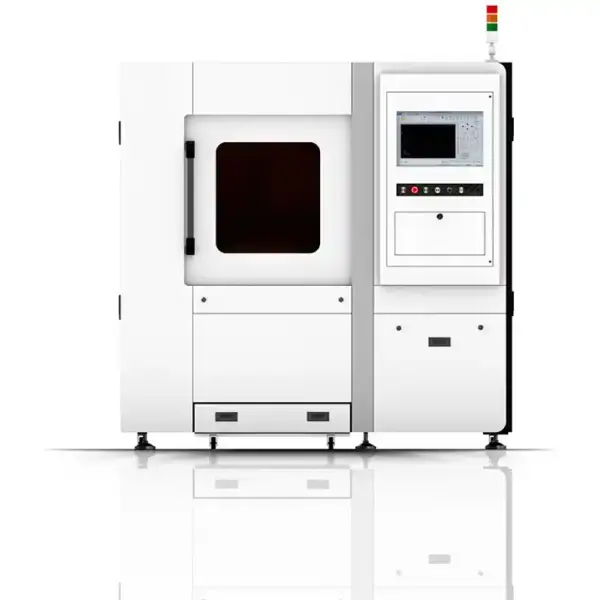
SF6060 fiber laser cutting machine
