Precision Pipe Laser Cutting in Automotive Exhaust Manufacturing
The manufacturing of automotive exhaust systems requires strict adherence to dimensional tolerances and material integrity. Exhaust components, often fabricated from 304 or 409L stainless steel, undergo significant thermal and mechanical stress. Traditional mechanical sawing and plasma cutting methods introduce secondary challenges, specifically heavy burr formation and heat-affected zones that compromise the structural integrity of the tube. The implementation of fiber laser oscillator technology coupled with real-time path optimization addresses these bottlenecks by providing a finish-ready cut directly from the machine bed.
Workflow Efficiency and ERP Digital Nesting
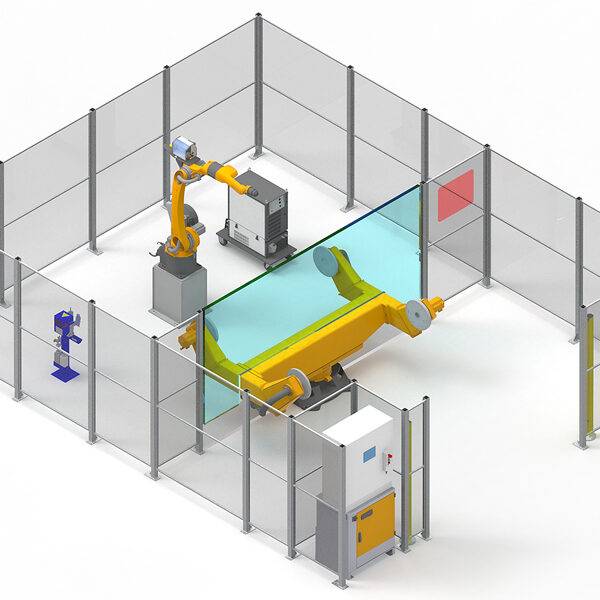
Eliminating secondary processing is the primary driver for high-volume automotive production. When a Pipe laser cutting machine achieves a burr-free finish, the component bypasses the deburring station and moves directly to the robotic welding cell. This reduces the total cycle time per part by approximately 30 to 45 percent.
Modern systems utilize nesting software that integrates directly with factory ERP environments. This integration allows for real-time tracking of raw material inventory and automated scheduling. As work orders are generated, the software calculates the most efficient layout for multiple part geometries on a single length of tubing. By optimizing the “tailing” or the scrap end of the pipe, material utilization rates frequently exceed 95 percent. The digital workflow ensures that every cut path is synchronized with the production timeline, reducing idle time for downstream assembly.
Real-Time Cutting Path Optimization
Exhaust pipes are rarely straight; they involve complex manifolds and bent sections that require precise intersection cuts. Real-time path optimization utilizes high-speed sensors to detect the actual position of the tube within the chucks. If the raw material exhibits slight bowing or dimensional deviation, the control system adjusts the kerf compensation and the focal point of the laser head in milliseconds.
This optimization ensures that the laser beam remains perpendicular to the surface of the pipe at all times. For exhaust manifolds where multiple tubes must meet at acute angles, this precision is vital. The resulting “saddle cuts” or “fishmouth” profiles are so accurate that they allow for autogenous welding or minimal filler metal usage, significantly reducing the weight and cost of the final exhaust assembly.
Technical Comparison: Traditional vs. Fiber Laser Cutting
| Feature | Mechanical Sawing | Standard Plasma | Fiber Laser (Optimized) |
|---|---|---|---|
| Edge Quality | Heavy Burrs | Slag/Dross | Burr-Free / Mirror Finish |
| Secondary Processing | Deburring Required | Grinding Required | None |
| Dimensional Accuracy | +/- 1.0mm | +/- 0.8mm | +/- 0.05mm |
| Material Waste | High (Kerf + Tailings) | Medium | Minimal (Auto-Nesting) |
EHS and Compliance in Modern Fabrication
Environmental, Health, and Safety (EHS) standards in automotive plants are increasingly stringent. Traditional pipe cutting is loud and produces significant metallic particulate matter. Fiber laser systems are enclosed in Class 1 laser housing, which prevents the escape of radiation and contains the noise within the machine envelope. Integrated high-volume dust extraction systems capture fine particulates at the source, maintaining air quality and preventing the accumulation of combustible dust on the factory floor.
Furthermore, the labor landscape is shifting. Experienced manual saw operators are becoming scarce. Modern laser systems feature intuitive graphical user interfaces that allow young operators to reach full proficiency within two days of training. The software handles the complex physics of cutting speeds, gas pressures, and frequency modulation. This democratization of technical skill allows manufacturers to maintain high output even in tight labor markets.
Aesthetics and Welding Preparation
While performance is paramount for exhaust systems, aesthetics play a critical role in high-end automotive and furniture sectors. For exhaust systems, a clean cut ensures a seamless fit-up, which is necessary for high-quality TIG or MIG welding. A burr-free edge prevents turbulence within the exhaust gas flow and eliminates potential points of failure caused by localized stress concentrations.
In related high-end furniture manufacturing, the same pipe laser technology is used to create hidden industrial design holes. These are internal slots and tabs that allow for “blind” assembly. Because the laser can cut intricate shapes without distorting the surrounding material, designers can incorporate structural interlocking mechanisms that are completely hidden once the product is finished. This level of detail is only possible through precise motion control systems that synchronize the rotation of the pipe with the linear movement of the laser head.
Optimizing the Total Cost of Ownership
Investing in a pipe laser cutting machine for automotive applications is a decision based on the total cost of ownership. While the initial capital expenditure is higher than traditional tools, the ROI is realized through reduced labor, lower consumable costs, and the elimination of scrap. Real-time path optimization reduces the wear on mechanical components by smoothing the acceleration and deceleration curves of the cutting head.
The ability to process different tube profiles—round, square, oval, or custom extrusions—on a single machine provides the flexibility needed for the rapid prototyping of new exhaust designs. As the automotive industry moves toward more complex hybrid and lightweight configurations, the demand for high-precision, burr-free pipe cutting will continue to expand. By adopting these digital manufacturing standards, facilities ensure they remain competitive in an environment where speed and precision are no longer optional.
-
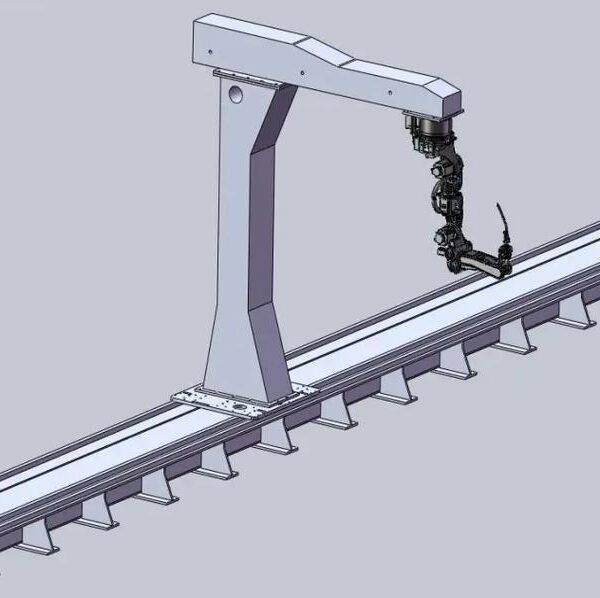

Cantilever Welding Robot solution
-
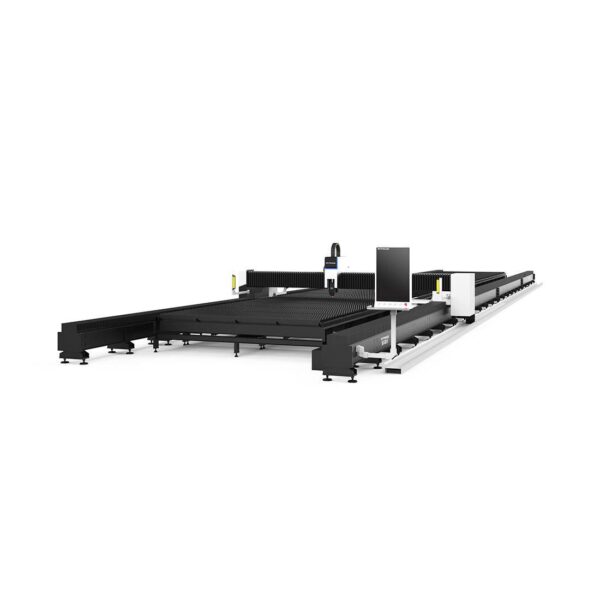

GF laser cutting machine
-
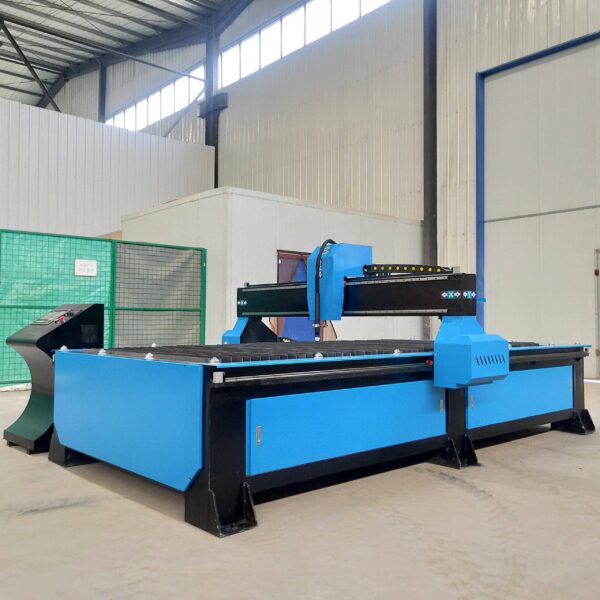
P3015 plasma cutting machine
-

LFP3015 Fiber Laser Cutter
-
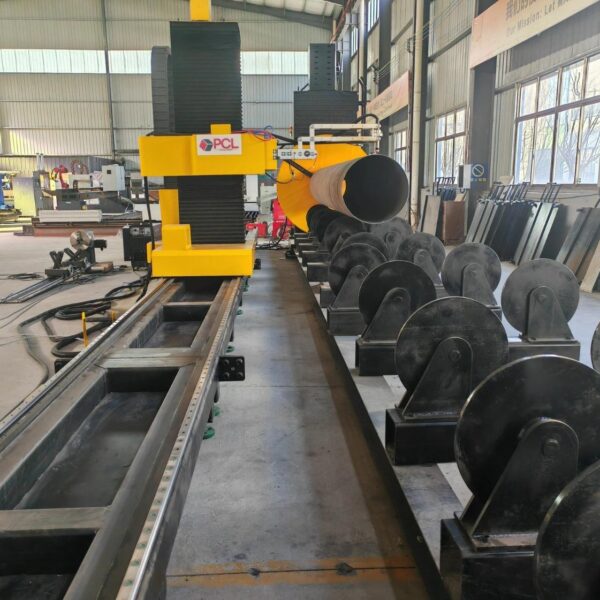
pipe plasma cutting machine
-
LFH 4020 Fiber Laser Cutting Machine
-
LFP4020
-
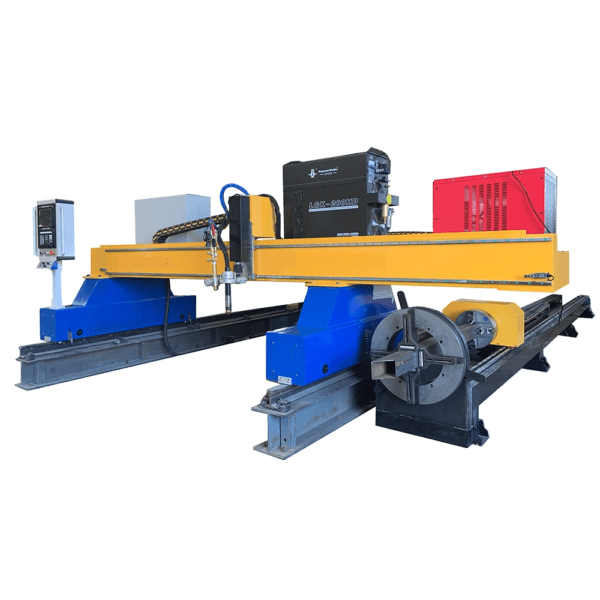
gantry plasma air cutting machine
-
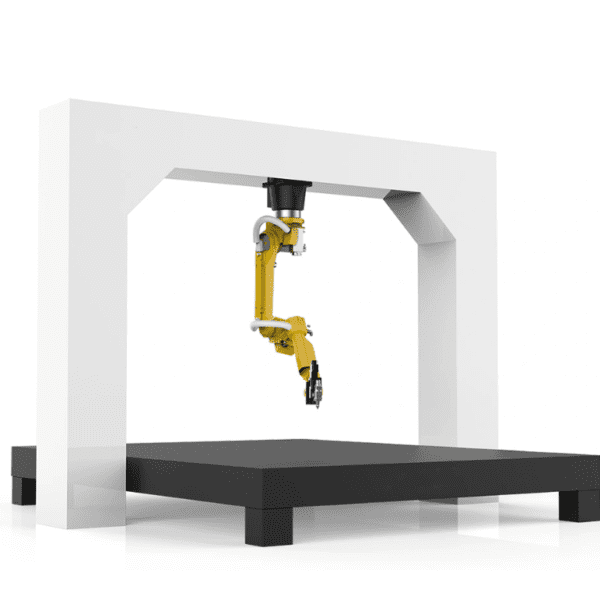
3D robot cutting machine
-
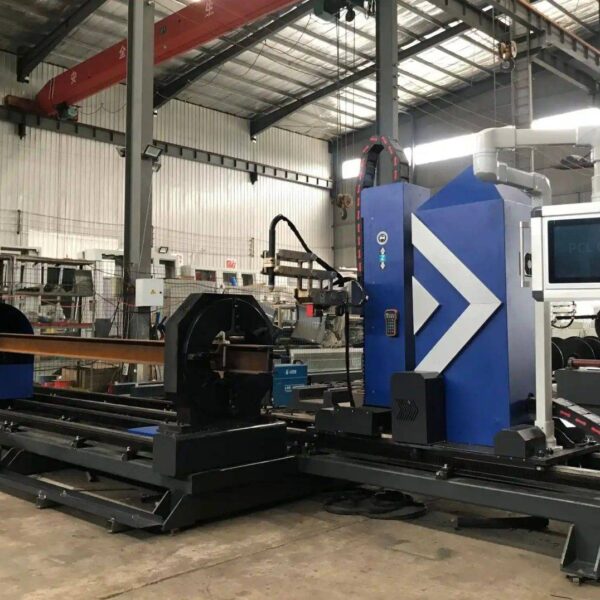
8 axis plasma cutting machine
-
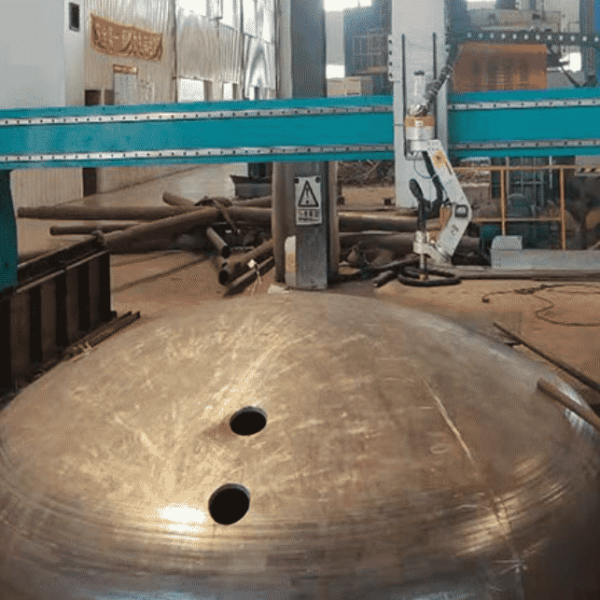
5 axis plasma cutting machine
-

LT360 tube laser cutting machine
-
robot welding workstation
-
SF6060 fiber laser cutting machine
