Precision Engineering of Oval Pipe Racking via 3D Laser Technology
The structural integrity of heavy-duty warehouse racking relies on the geometric precision of load-bearing members. Traditional mechanical sawing and punching methods often fail to maintain the dimensional tolerances required for automated storage and retrieval systems (ASRS). The integration of 3D tube laser cutting machines specifically designed for oval profiles addresses these limitations by combining high-speed processing with sophisticated Thermal deformation control. This technical analysis explores the convergence of intelligent software, specialized hardware, and precision cutting parameters in the production of high-density racking components.
Intelligence: Material Optimization and Structural Integrity
High-volume racking production requires strict control over raw material costs. Modern 3D laser systems employ a specialized Nesting Algorithm that achieves up to 95% material utilization. Unlike standard circular pipes, oval pipes require complex rotational calculations to minimize the distance between parts on a single length of stock. By utilizing common-line cutting—where two parts share a single cut path—the system reduces both cycle time and scrap rates.
Beyond material yield, the intelligence of the system extends to structural safety through auto-weld seam recognition. Oval tubes are manufactured with a longitudinal weld seam that represents a localized change in material density and structural behavior. Using high-resolution CCD cameras and infrared sensors, the machine identifies the seam position in milliseconds. The software then rotates the cutting pattern to ensure that holes and notches are not placed on the seam, preventing crack propagation and ensuring the racking system meets seismic load requirements.
Hardware Stability: Cast Iron Beds and Multi-Chuck Kinematics
The foundation of cutting precision lies in the machine’s ability to absorb high-frequency vibrations during the rapid acceleration of the laser head. Professional-grade tube lasers utilize a high-strength cast iron bed. This material provides superior Mechanical Damping compared to welded steel frames. The graphite flakes within the cast iron dissipate kinetic energy, ensuring that the laser beam remains centered even when the cutting head moves at speeds exceeding 100 meters per minute. This stability is critical for oval pipes, where the varying radius of the profile creates fluctuating centrifugal forces during rotation.
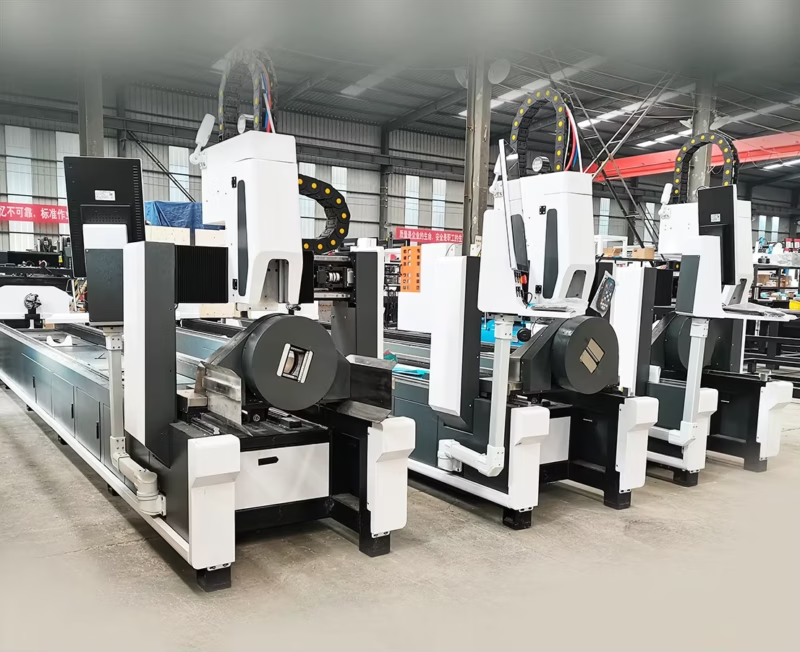
The gripping mechanism also plays a vital role in precision. A comparative analysis between 2-chuck and 3-chuck systems reveals significant advantages for the latter in racking applications:
| Technical Feature | 2-Chuck System | 3-Chuck System |
|---|---|---|
| Tailings Waste | 200mm – 300mm | Zero-tailing capability |
| Ovality Correction | Limited support | Active centering and leveling |
| Vibration Control | High at pipe ends | Superior damping via mid-support |
| Processing Length | Standard | Extended (up to 12m) |
The 3-chuck configuration provides “zero-tailing” processing. The middle chuck maintains the position of the pipe while the rear chuck feeds the material and the front chuck secures the cutting zone. This eliminates the “bowing” effect common in long oval pipes, ensuring that the laser focal point remains consistent across the entire length of the tube.
Precision: 45-Degree Beveling and HAZ Management
In warehouse racking, the junction between uprights and beams is a critical failure point. A 3D Bevel Cutting Head allows for ±45-degree multi-axis movement. This capability enables the machine to cut complex saddle shapes and miter joints directly on the oval pipe. Precision beveling increases the contact surface area for subsequent welding, leading to stronger bonds and reducing the amount of filler wire required.
Thermal deformation is controlled by managing the Heat Affected Zone (HAZ). fiber laser resonators with high beam quality (M2 < 1.1) concentrate energy into a microscopic spot, allowing for extremely high power density. This results in faster cutting speeds with lower total heat input into the base material. By utilizing pulsed cutting frequencies, the machine allows the material to cool momentarily between energy deliveries, preventing the thin walls of oval racking pipes from warping or losing their tempered hardness.
Operational Efficiency in Racking Fabrication
The transition to a 3D Fiber Laser Resonator system eliminates multiple secondary operations. In traditional workflows, a pipe would be cut to length, moved to a milling station for beveling, and then to a drill press for hole patterns. A 3D laser performs all these functions in a single continuous cycle. For oval pipes, which are notoriously difficult to clamp in traditional machining jigs, the self-centering pneumatic chucks of the laser system provide a significant reduction in setup time.
Furthermore, the edge quality produced by the laser is oxygen-free when using nitrogen as a shielding gas. This prevents the formation of oxide layers, allowing for immediate powder coating or galvanizing without the need for acid pickling or manual grinding. For racking manufacturers, this represents a direct reduction in labor costs and a faster throughput from raw material to finished product.
Conclusion on System Integration
The adoption of 3D tube laser cutting for oval pipe racking represents a shift toward data-driven manufacturing. By synchronizing the vibration damping of cast iron hardware with the precision of beveling software, manufacturers can produce racking systems that are both lighter and stronger. The control of thermal deformation ensures that the geometric profile of the oval pipe is maintained, providing predictable load-bearing performance in demanding industrial environments.
-
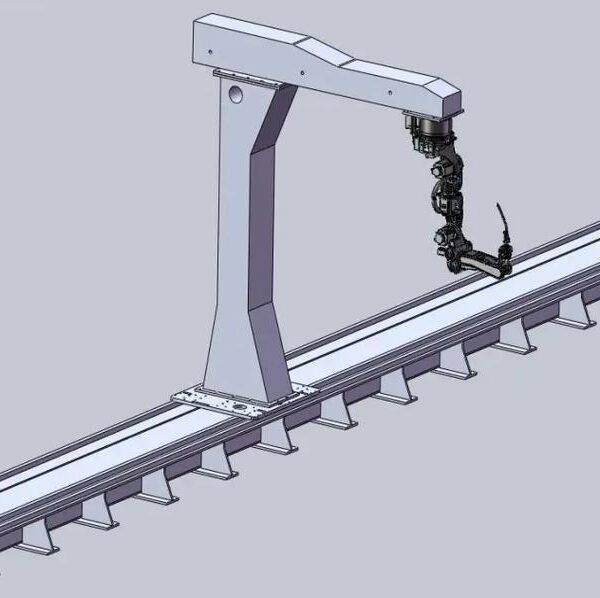

Cantilever Welding Robot solution
-
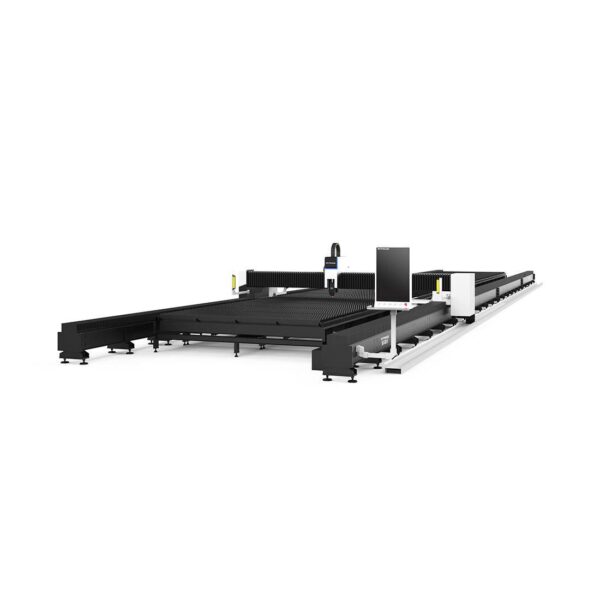

GF laser cutting machine
-
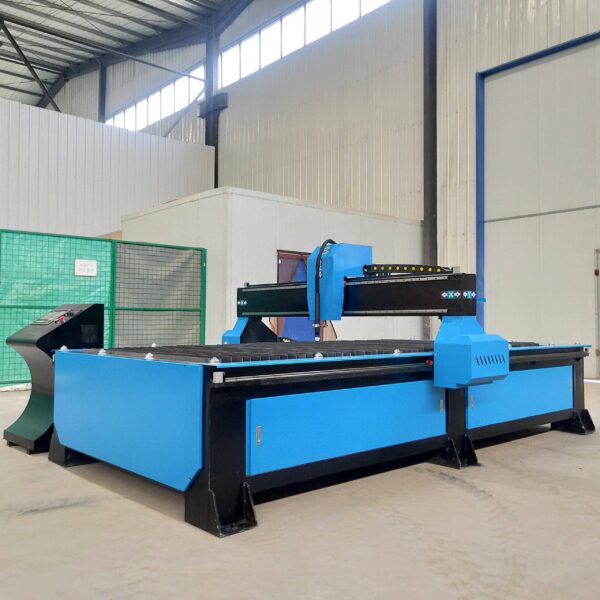
P3015 plasma cutting machine
-

LFP3015 Fiber Laser Cutter
-
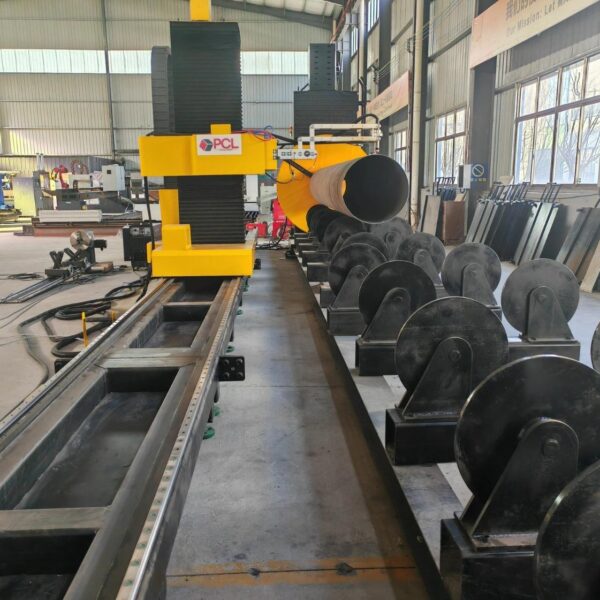
pipe plasma cutting machine
-
LFH 4020 Fiber Laser Cutting Machine
-
LFP4020
-
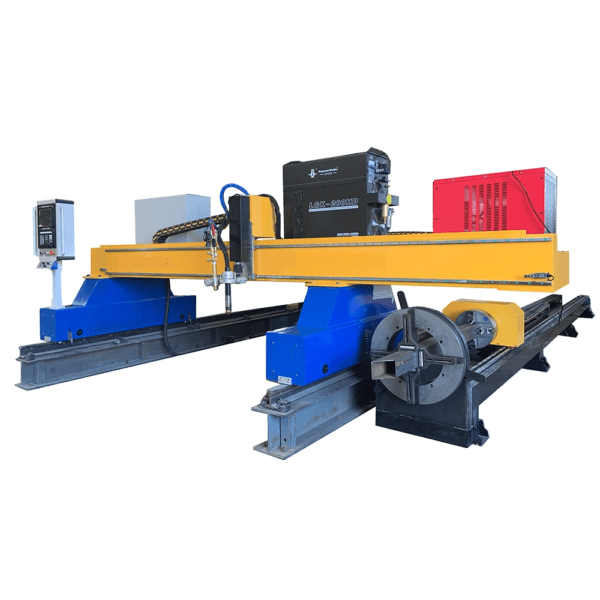
gantry plasma air cutting machine
-
3D robot cutting machine
-
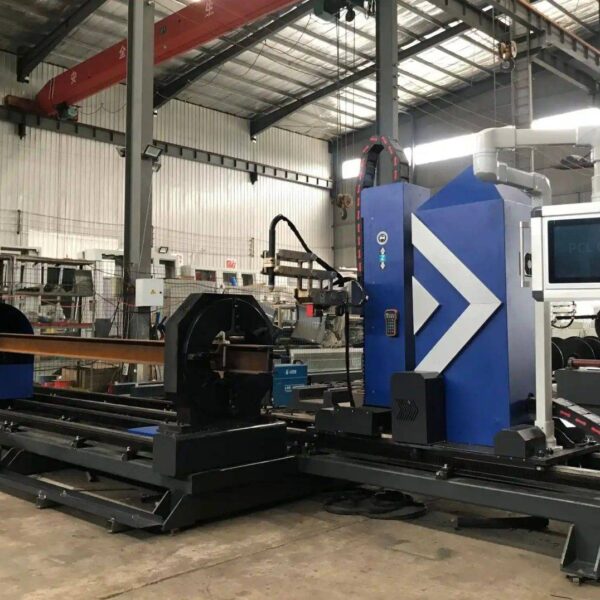
8 axis plasma cutting machine
-
5 axis plasma cutting machine
-

LT360 tube laser cutting machine
-
robot welding workstation
-
SF6060 fiber laser cutting machine
