Optimization of Warehouse Racking Production via Large Diameter Tube Laser Technology
The manufacturing of warehouse racking—specifically uprights, crossbeams, and bracing—requires a balance between structural load capacity and material cost management. Traditional mechanical sawing and manual drilling methods introduce dimensional deviations that complicate assembly and reduce structural integrity. Integrating Large diameter tube laser cutters with zero-tailing technology addresses these inefficiencies by combining high-speed fiber laser processing with advanced material handling. This shift results in a direct reduction of waste and an increase in the throughput of heavy-duty structural profiles.
Hardware Engineering: The Role of Cast Iron Beds and Multi-Chuck Systems
The foundation of a high-performance tube laser is the machine bed. Unlike welded steel frames, which are prone to thermal deformation and resonance, a high-strength cast iron bed provides superior vibration damping. This property is critical when processing large-diameter tubes for racking, where the mass of the workpiece can exceed several hundred kilograms. The damping capacity ensures that the laser focal point remains stable during high-acceleration movements, maintaining a cutting precision within +/- 0.05mm.
The transition from a 2-chuck to a 3-chuck configuration is the primary driver for “Zero Tailing” capability. In a standard 2-chuck system, the final portion of the tube (the tail) cannot be processed because the distance between the cutting head and the chuck creates a dead zone. This results in 300mm to 500mm of scrap per tube. A 3-chuck system utilizes a middle “traveling” chuck that supports the tube while the rear chuck passes the workpiece through to the front chuck. This allows the laser to cut right up to the edge of the material, reducing the tailing to under 50mm or, in some specialized configurations, zero.
Technical Comparison: Chuck Configuration Performance
| Feature | 2-Chuck System | 3-Chuck (Zero Tailing) |
|---|---|---|
| Material Waste (Per Tube) | 300mm – 550mm | 0mm – 50mm |
| Tube Support Capability | Low (Sagging risk) | High (Continuous support) |
| Max Tube Diameter | Up to 220mm | Up to 500mm+ |
| Cutting Accuracy | Standard | High (Reduced structural deflection) |
Intelligence and Software: Maximizing Material Utilization
The profitability of racking production is tied directly to material yield. Modern large-diameter cutters utilize sophisticated nesting algorithms to maximize the number of parts extracted from a single raw tube. By analyzing the entire production queue, the software can interleave different part lengths—such as long uprights with shorter bracing components—to achieve a material utilization rate of 95% or higher.
Furthermore, warehouse racking tubes are frequently manufactured using welded seams. If a laser cut intersects with a weld seam, the resulting edge quality can be compromised, and the structural integrity of the joint may weaken. Intelligent cutters now feature auto-weld seam recognition. Using visual sensors, the machine identifies the location of the seam and automatically rotates the tube to ensure that holes and notches are placed away from the weld zone. This ensures that every component meets the safety standards required for high-density storage systems without manual inspection.
EHS and Compliance: Operational Safety and Modern Workforce Integration
The industrial environment is under increasing scrutiny regarding Environmental, Health, and Safety (EHS) standards. Traditional tube processing is loud and generates significant particulate matter. Modern laser systems are fully enclosed, reducing noise emissions to below 75dB, well within the limits for an 8-hour shift without additional ear protection. Integrated high-volume dust extraction systems capture 99.9% of metallic fumes and particulates at the source, maintaining air quality and preventing the accumulation of combustible dust in the facility.
For the operator, the shift toward intelligence reduces the barrier to entry. While traditional CNC machining might require months of apprenticeship, modern laser interfaces are designed for the younger, “digital-native” workforce. With a simplified 2-day training program, a technician can learn to load CAD/CAM files, select material parameters, and monitor the automated cutting process. This ease of use addresses the skilled labor shortage while ensuring that compliance and safety protocols are baked into the software logic, preventing accidental machine collisions or improper handling of large diameter loads.
ROI Analysis for Racking Manufacturers
The primary return on investment for a zero-tailing system is found in raw material savings. In a facility processing 1,000 tubes per month, a 2-chuck system might waste 400 meters of material annually. At current steel prices, the elimination of this waste can pay for the machine’s price premium within 18 to 24 months.
Secondary ROI is realized through the elimination of secondary processes. Because the laser provides finished-quality edges and precise bolt-hole patterns, there is no need for deburring or separate drilling stations. This streamlines the factory floor, reduces the work-in-process inventory, and allows for just-in-time manufacturing of custom racking solutions. By integrating hardware stability with intelligent software, manufacturers gain a competitive edge in both production speed and material efficiency.
-
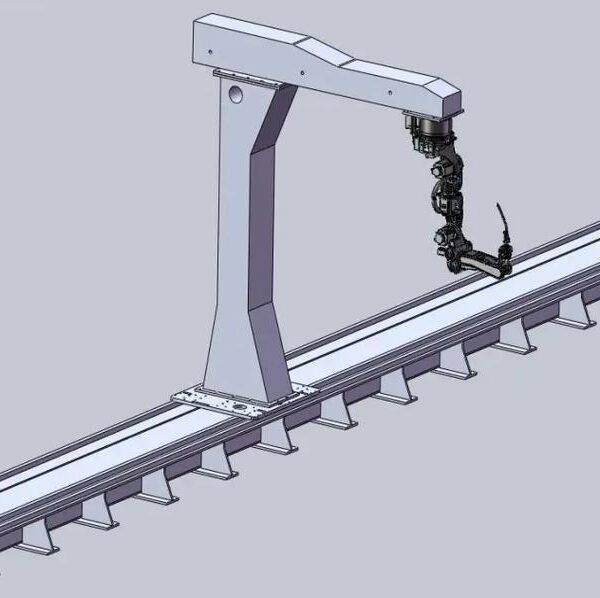
Cantilever Welding Robot solution
-
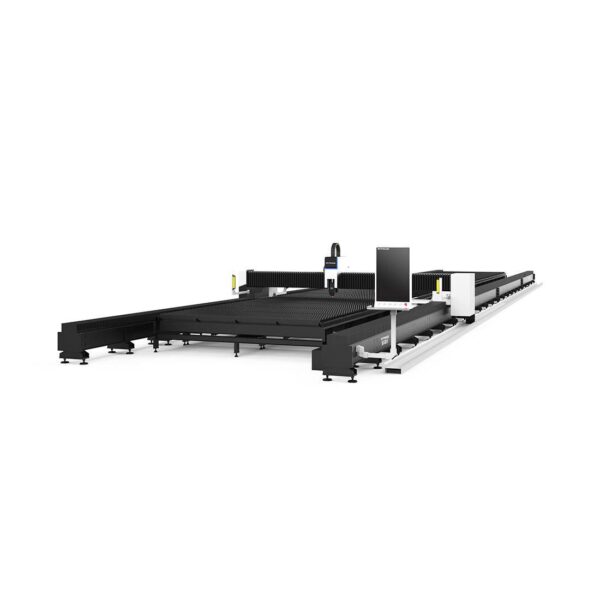
GF laser cutting machine
-
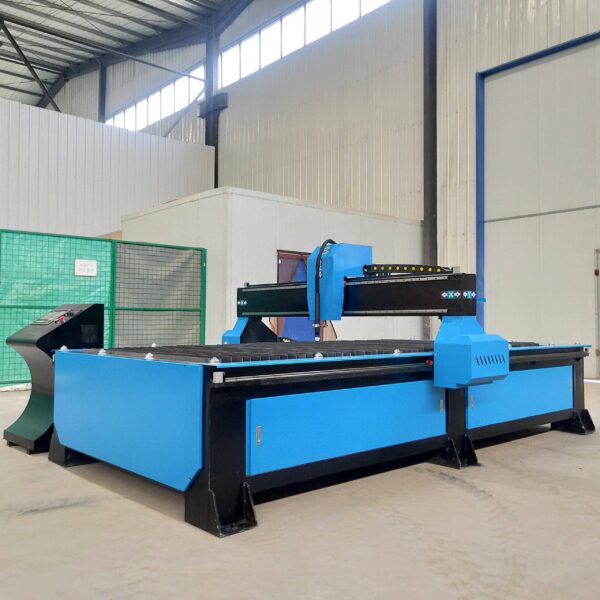
P3015 plasma cutting machine
-

LFP3015 Fiber Laser Cutter
-

pipe plasma cutting machine
-
LFH 4020 Fiber Laser Cutting Machine
-
LFP4020
-
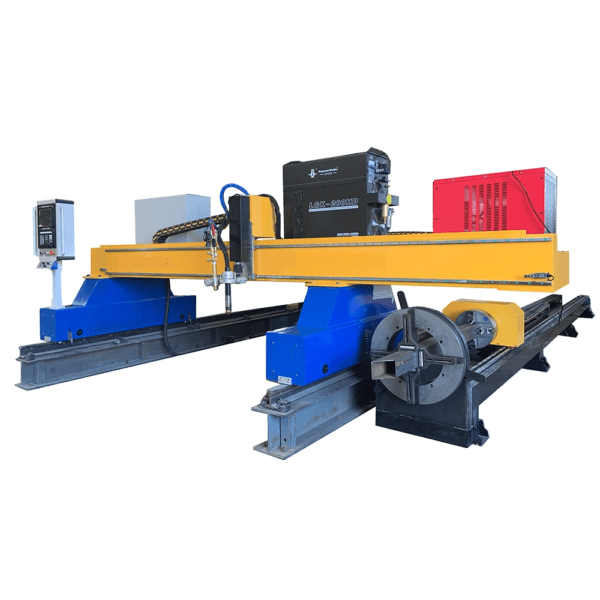
gantry plasma air cutting machine
-
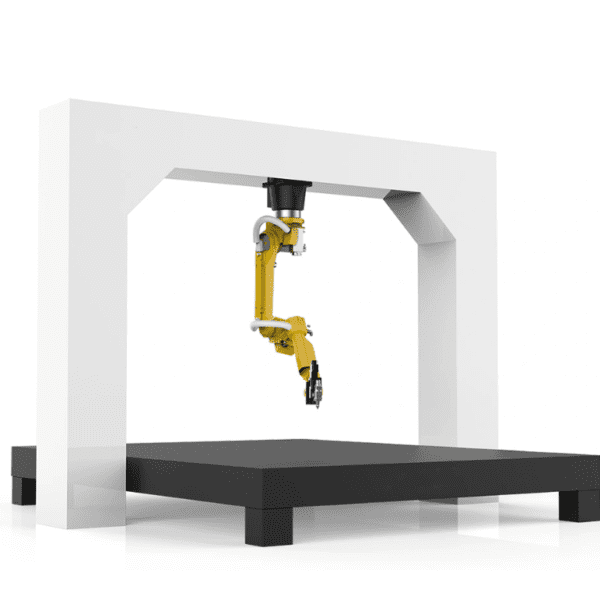
3D robot cutting machine
-
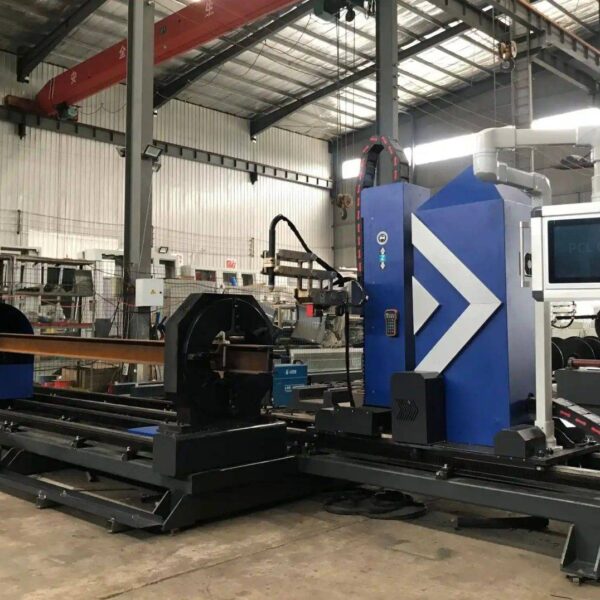
8 axis plasma cutting machine
-
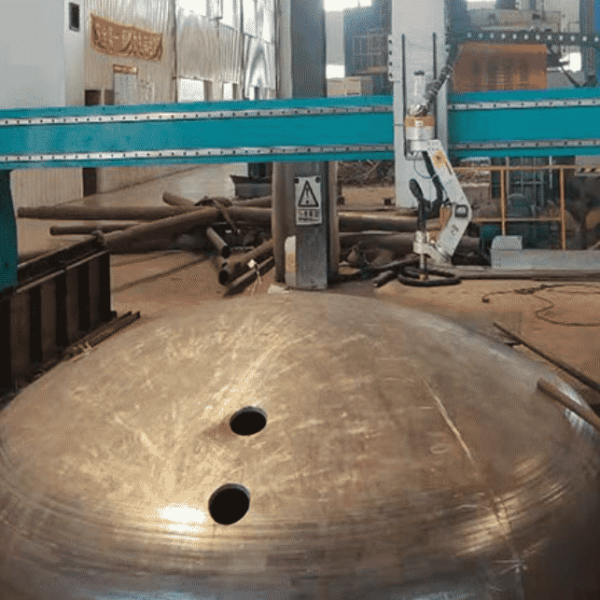
5 axis plasma cutting machine
-

LT360 tube laser cutting machine
-
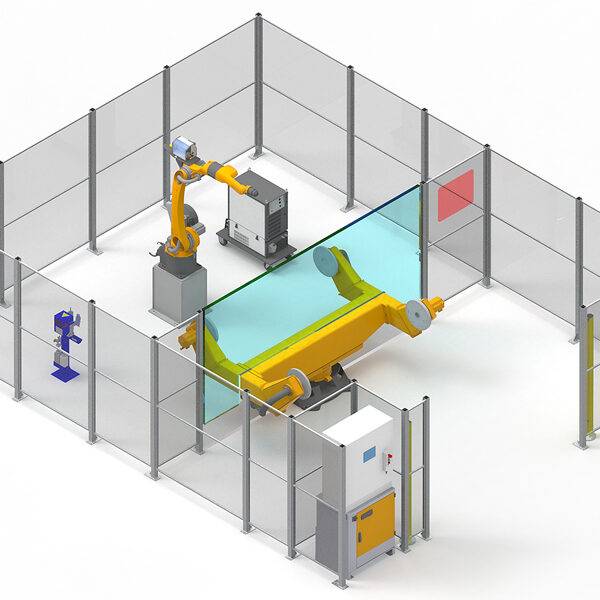
robot welding workstation
-
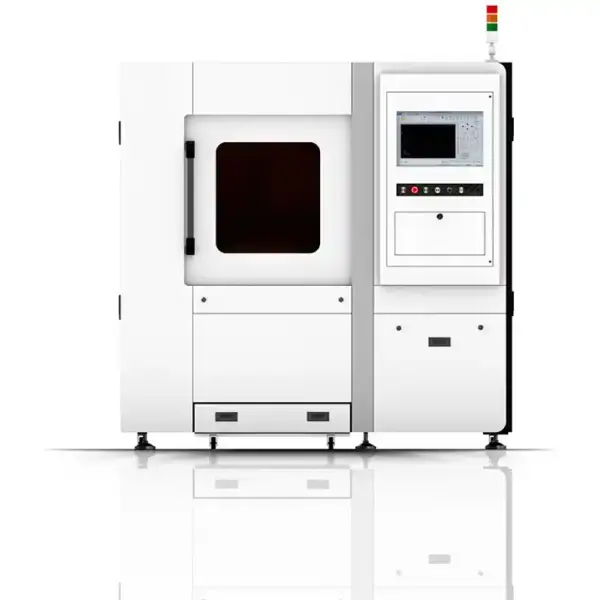
SF6060 fiber laser cutting machine
Advanced Fiber Laser Tube Processing Technology
Our CNC Fiber Laser Tube Cutting systems revolutionize metal fabrication by integrating high-precision cutting, punching, and profiling into a single automated workflow. Designed for versatility, this technology handles a wide array of profiles including Round, Square, Rectangular, and Oval tubes, as well as complex L-shaped and U-shaped channels.
- Precision Punching: High-speed hole punching with micron-level accuracy, eliminating the need for mechanical drilling or die-stamping.
- Complex Profiling: Advanced 3D pathing allows for intricate interlocking joints and specialized notch cuts, ideal for structural frames.
- High Material Efficiency: Intelligent nesting software minimizes scrap, reducing raw material costs across large production runs.
- Clean Finish: Delivers oxide-free, burr-free edges that require zero secondary grinding before welding.

Seamlessly processing multiple profiles with consistent precision.
Global Delivery & Logistics



From our high-tech manufacturing facility directly to your global site. PCL WeldCut ensures secure packaging, professional handling, and reliable international logistics to safeguard your equipment throughout the entire journey.
