Integration of Large Diameter fiber laser Systems in HVAC Duct Fabrication
Industrial HVAC ducting demands high-precision tolerances to ensure airtight seals and structural integrity over long spans. Traditionally, large-diameter pipes were processed using plasma cutting or mechanical sawing, both of which necessitate secondary grinding to remove dross or square the edges. The implementation of high-wattage fiber laser cutting systems, specifically those designed for large-diameter tubes, eliminates these post-processing steps by maintaining a narrow kerf width and high edge quality. This technical transition focuses on three critical pillars: hardware stability, environmental risk mitigation, and material versatility.
Structural Hardware: The Role of Cast Iron Beds and Multi-Chuck Configurations
The stability of a tube laser cutting system begins with its foundation. For large-diameter HVAC pipes, which can range from 200mm to over 500mm in diameter, the weight of the workpiece introduces significant kinetic energy during rapid rotation and acceleration. Using a structural rigidity-focused design, top-tier machines utilize a heavy-duty cast iron bed. Unlike welded steel frames, cast iron provides superior vibration damping. This damping minimizes the resonance frequencies generated during high-speed cutting, ensuring that the laser focal point remains consistent relative to the tube surface.
In terms of tube manipulation, the choice between a 2-chuck and a 3-chuck system is vital for precision. A 2-chuck system often suffers from “tube sag” when processing long HVAC sections, leading to deviations in the cutting path and uneven bevels. A 3-chuck system introduces a middle support that moves synchronously with the cutting head. This configuration provides dynamic balancing, preventing the tube from bowing under its own weight. Furthermore, the 3-chuck architecture allows for “zero-tailing” cutting, where the material is passed through the chucks to utilize the entire length of the pipe, significantly reducing material waste.
Risk Mitigation: Fiber Source Stability and Precision Centering
Fiber laser sources are highly efficient but sensitive to the industrial environments typical of HVAC fabrication shops. Dust and particulate matter from nearby welding or grinding operations can compromise optical components. To mitigate this risk, modern large-diameter cutters employ an environmentally isolated laser cabinet with independent climate control. This prevents thermal fluctuations and contamination of the fiber delivery cable.
Precision centering is the second critical factor in risk mitigation. Large-diameter tubes are rarely perfectly circular; they often possess slight ovality or longitudinal warping. If a chuck centers the tube based on a single point of contact, the resulting cut will be offset. Advanced systems utilize self-centering pneumatic chucks equipped with integrated sensors that measure the actual tube profile. The software then applies a real-time compensation algorithm to adjust the laser head’s height and X/Y coordinates, ensuring the cut follows the true center of the workpiece. This precision is what allows for the “no secondary grinding” workflow, as the edges are perfectly perpendicular and ready for immediate assembly or welding.
Technical Comparison: Traditional Plasma vs. Large Diameter Fiber Laser
| Feature | CNC Plasma Cutting | Fiber Laser (3-Chuck) |
|---|---|---|
| Edge Quality | High dross, requires grinding | Smooth finish, 0.1mm tolerance |
| Secondary Processing | Grinding/Deburring required | None; direct to assembly |
| Heat Affected Zone (HAZ) | Large; potential for warping | Minimal; maintains material temper |
| Material Utilization | Moderate tailing waste | Zero-tailing (3-chuck design) |
| Production Speed | Moderate (includes prep time) | High (automated loading/unloading) |
Material Versatility: Managing Reflective Alloys and Diverse Profiles
HVAC systems are not limited to galvanized steel. High-end commercial installations often require aluminum for weight reduction or copper for specialized heat exchange properties. Processing these materials with a fiber laser requires specific optical protections. Because aluminum and copper are highly reflective, back-reflections can travel through the fiber delivery system and damage the laser source. Modern industrial cutters utilize an optical isolator and “anti-reflection” technology that monitors for back-scattered light and adjusts the beam parameters or shuts down the pulse to protect the hardware.
Furthermore, HVAC infrastructure requires more than just round or square tubes. Support frames often utilize H-beams, C-channels, and L-angles. A versatile large-diameter cutter must be equipped with specialized nesting software and a 5-axis cutting head to handle these profiles. The ability to perform complex bevel cuts on an H-beam with the same machine used for large-diameter ducting allows for a unified production line. This eliminates the need for separate bandsaws or drill presses, further reducing the thermal deformation risks associated with multiple setups and manual handling.
Optimizing the Workflow for HVAC Applications
The primary value proposition of the fiber laser in the HVAC sector is the compression of the manufacturing timeline. By integrating a machine that offers high centering precision and vibration damping, the manufacturer removes the bottleneck of the finishing department. When a pipe leaves the laser bed, its holes, notches, and end-cuts are ready for flange attachment.
The precision of the 3-chuck system ensures that even 12-meter lengths of heavy-gauge pipe remain concentric throughout the rotation. This mechanical accuracy, combined with the power of the fiber source, allows for cutting speeds that plasma cannot match while maintaining a finish that exceeds aerospace standards. For HVAC contractors, this translates to lower labor costs per duct section and significantly faster installation times on-site, as the components fit together without the need for manual adjustment or additional sealing compounds.
Conclusion on ROI and Long-Term Reliability
Investing in a large-diameter tube laser with a cast iron bed and 3-chuck stability is a strategic move toward full automation. While the initial capital expenditure is higher than traditional methods, the elimination of secondary grinding and the reduction in material waste provide a clear path to ROI within 18 to 24 months for high-volume shops. By neutralizing the risks of dust-related downtime and reflective material damage, manufacturers secure a versatile asset capable of meeting the rigorous demands of modern industrial HVAC specifications.
-
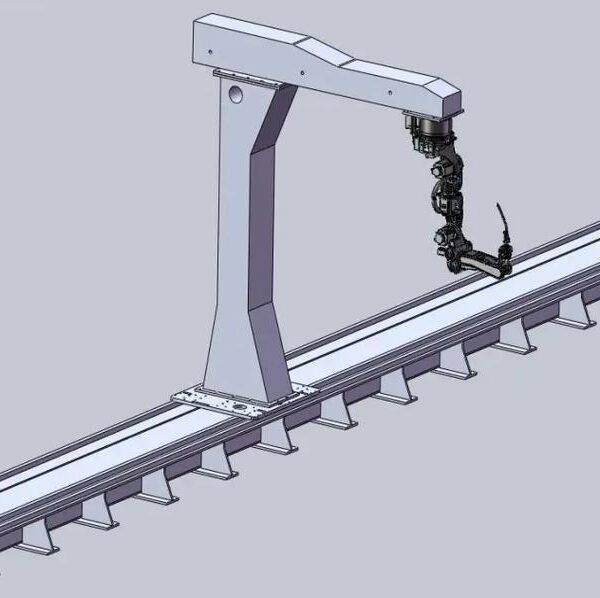

Cantilever Welding Robot solution
-
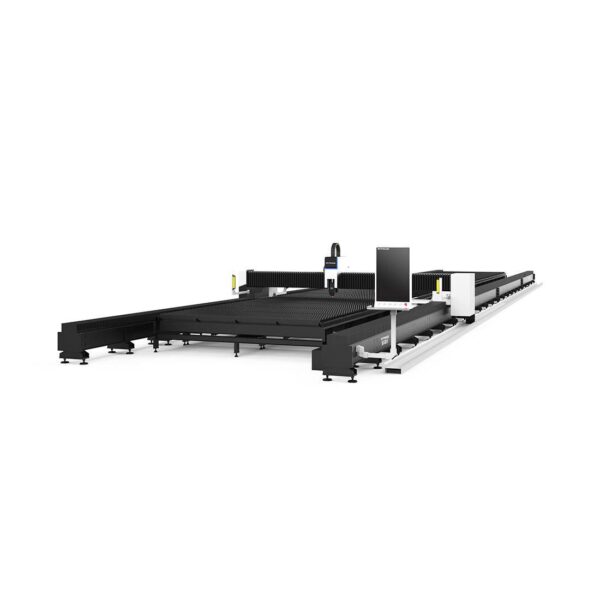

GF laser cutting machine
-
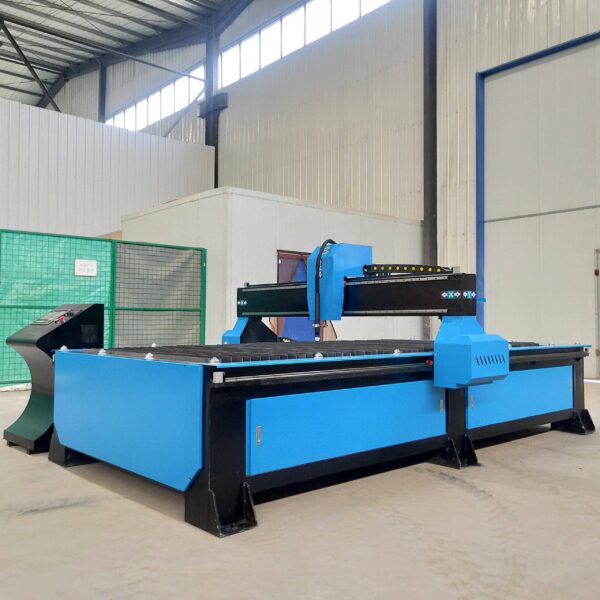
P3015 plasma cutting machine
-

LFP3015 Fiber Laser Cutter
-
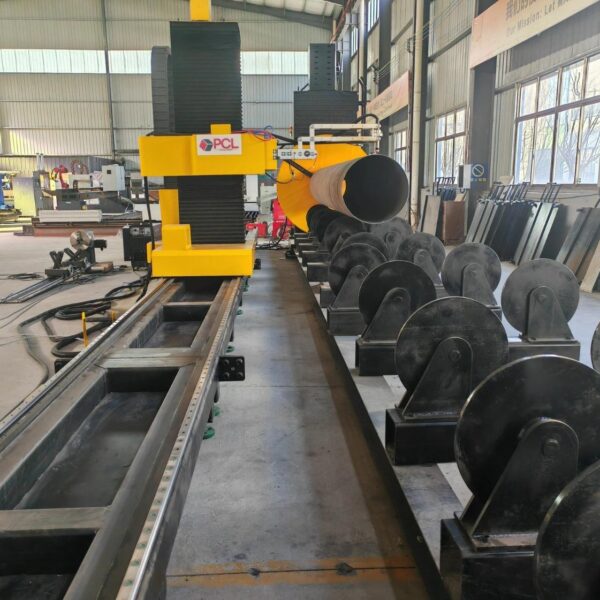
pipe plasma cutting machine
-
LFH 4020 Fiber Laser Cutting Machine
-
LFP4020
-
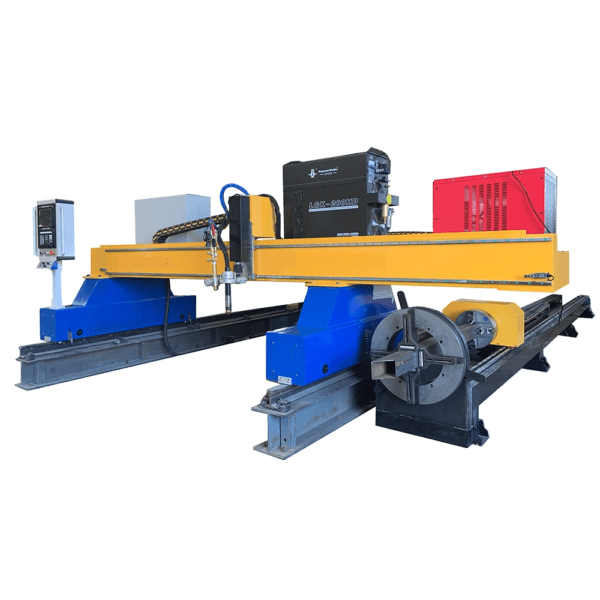
gantry plasma air cutting machine
-
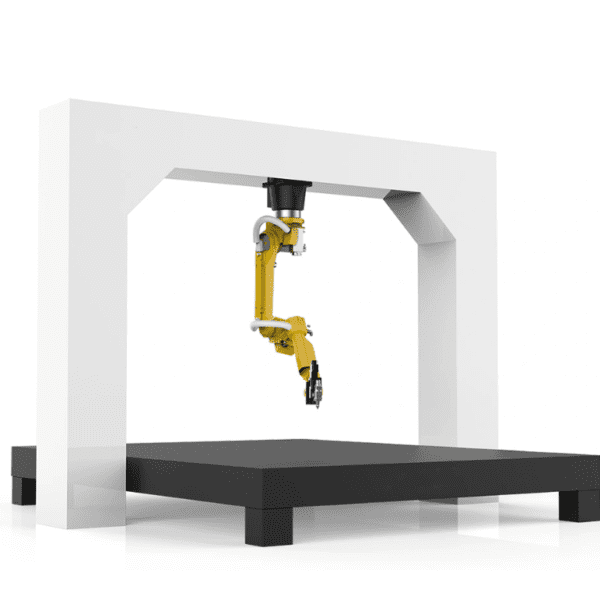
3D robot cutting machine
-
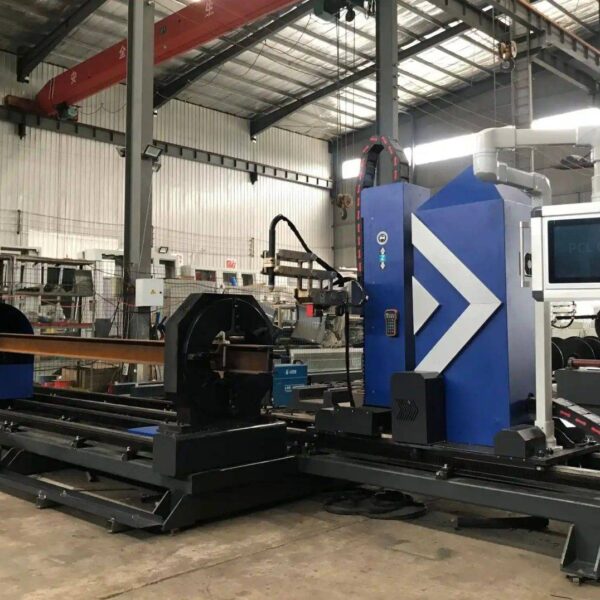
8 axis plasma cutting machine
-
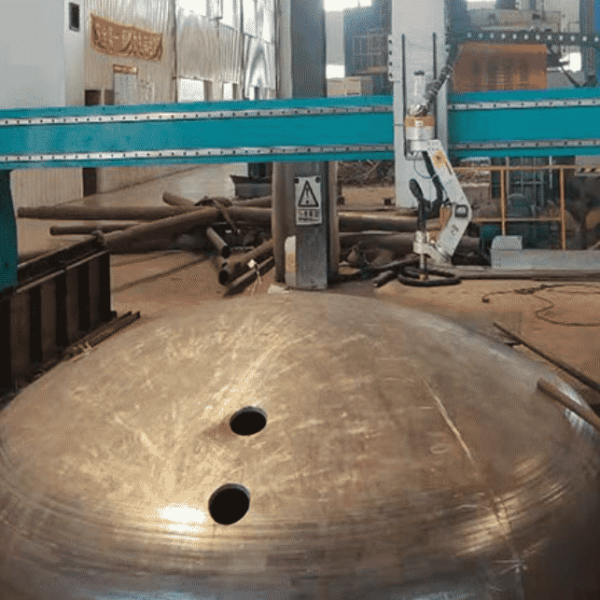
5 axis plasma cutting machine
-

LT360 tube laser cutting machine
-
robot welding workstation
-
SF6060 fiber laser cutting machine
