Technical Overview: The Shift to Intelligent Robotic MAG Welding
In the current landscape of structural steel fabrication, the reliance on manual labor for heavy-duty welding is becoming a bottleneck. The introduction of an Intelligent Robotic Welder represents a strategic shift toward process stability and repeatable quality. Unlike traditional automation, which requires rigid jigging and precise workpiece positioning, intelligent systems utilize advanced sensing and software algorithms to adapt to the inherent variations in H-beams, box columns, and gusset plates.
The core of this technology is the Metal Active Gas (MAG) welding process, optimized for high-deposition rates. By integrating Zero-tailing technology, manufacturers can address one of the most persistent inefficiencies in structural welding: the over-extension of welding wire and the subsequent manual cleanup required at the start and end of a weld bead. In a high-throughput environment, these small efficiencies compound, leading to significant gains in total cycle time.
Mechanics of Zero-Tailing Technology in Steel Structures
Zero-tailing technology is a software-driven hardware optimization that controls the arc ignition and crater-filling phases with micro-second precision. In traditional MAG welding, the wire often extends beyond the required contact point or leaves a “tail” of unconsumed wire at the finish, necessitating manual grinding. This intelligent system uses high-speed feedback loops to retract the wire or adjust the current density at the exact moment the arc is extinguished.

Eliminating Post-Weld Cleanup
For structural steel components, such as stiffener plates or web-to-flange joins, the weld must often terminate exactly at the edge of the material. The Zero-tailing technology ensures that the weld pool remains stable until the very edge, preventing undercutting or excess buildup. This precision eliminates the need for secondary grinding operations, allowing the steel to move directly to the coating or assembly stage, thereby reducing the “work-in-progress” (WIP) duration.
Improving Consumable Utilization
By optimizing the wire-stick-out and controlling the burn-back parameters, the system minimizes spatter and wire waste. In large-scale steel projects, where thousands of meters of weld are required, a 5% reduction in wire waste translates into substantial annual savings. The Intelligent Robotic Welder monitors wire feed tension and electrode consumption in real-time, alerting operators before wire-feed issues lead to downtime.
MAG Welding Parameters and Process Control
Industrial engineers focus on the “arc-on time” as the primary metric for productivity. Manual welding often sees arc-on times of 20% to 30% due to fatigue, positioning, and setup. A robotic system can push this metric above 75%. To achieve this, the MAG welding efficiency must be maximized through precise gas shielding and waveform control. The use of Argon-CO2 mixes is standard, but the robot’s ability to maintain a consistent torch angle and travel speed ensures deep penetration and uniform bead geometry.
Adaptive Arc Sensing
Steel structures are rarely perfect. Thermal distortion from previous welds can shift a joint’s location by several millimeters. Intelligent robots employ “Through-Arc Seam Tracking” (TAST). By measuring fluctuations in welding current, the robot detects changes in the joint geometry and adjusts its path autonomously. This ensures that the MAG welding process remains centered in the root of the joint, maintaining structural integrity without human intervention.
Maintenance Protocols for High-Duty Cycle Robots
To maintain the ROI of an Intelligent Robotic Welder, a rigorous preventative maintenance schedule is mandatory. Because these systems operate at high duty cycles, the wear components are subjected to extreme thermal stress. An industrial engineering approach to maintenance involves tracking “mean time between failures” (MTBF) for various torch components.
Torch and Consumable Management
The contact tip is the most frequent point of failure. Modern systems include automatic “reaming stations” where the robot periodically cleans the nozzle and applies anti-spatter liquid. This prevents the buildup of “berries” that could disrupt gas flow. Furthermore, the Zero-tailing technology relies on a clean wire-feed path; therefore, the liners must be replaced based on the volume of wire consumed rather than on a calendar schedule.
Calibration and Precision Tracking
Over time, mechanical backlash or minor collisions can shift the robot’s tool center point (TCP). Automated TCP calibration routines should be performed at the start of every shift. This ensures that the Zero-tailing technology accurately predicts the edge of the steel plate, preventing the torch from overshooting the workpiece and damaging the equipment or the weld quality.
Economic Analysis: Calculating Labor ROI
The primary driver for adopting Robotic Welding in steel structures is the Labor ROI. The global shortage of certified structural welders has driven wages upward, while the demand for high-quality, documented welds has increased. A robotic system does not just replace a welder; it augments the capability of the entire shop floor.
Labor Cost Reduction vs. Capacity Increase
When calculating the return on investment, industrial engineers must look beyond the hourly wage of a welder. The Labor ROI includes the reduction in rework, the elimination of manual grinding (zero-tailing benefit), and the ability to run a second or third shift without a proportional increase in headcount. One operator can typically manage two or three robotic cells, effectively tripling their productivity. In most structural steel applications, the payback period for a fully integrated system ranges from 14 to 24 months, depending on the volume of throughput.
Quality Assurance and Documentation
In structural engineering, weld traceability is critical. Intelligent systems log every weld’s parameters—voltage, amperage, gas flow, and travel speed. This digital footprint replaces manual inspection logs and provides a level of quality assurance that manual processes cannot match. This data-driven approach reduces the risk of structural failure and the associated liabilities, further strengthening the Labor ROI by reducing the costs of non-conformance.
Strategic Implementation in Steel Fabrication
The successful deployment of an Intelligent Robotic Welder requires a layout that minimizes material handling. The robot should be positioned in a flow-through configuration where beams are moved via conveyors or rotators. By integrating the Zero-tailing technology into the design phase (BIM/CAD to Path), the programming time is minimized, allowing the system to handle small-batch or custom structural components profitably.
Ultimately, the combination of MAG process stability, the precision of zero-tailing, and the data-gathering capabilities of an intelligent system allows steel fabricators to scale operations despite labor market volatility. The focus remains on maximizing arc-on time and minimizing secondary labor, ensuring that the facility remains competitive in a global market.
-
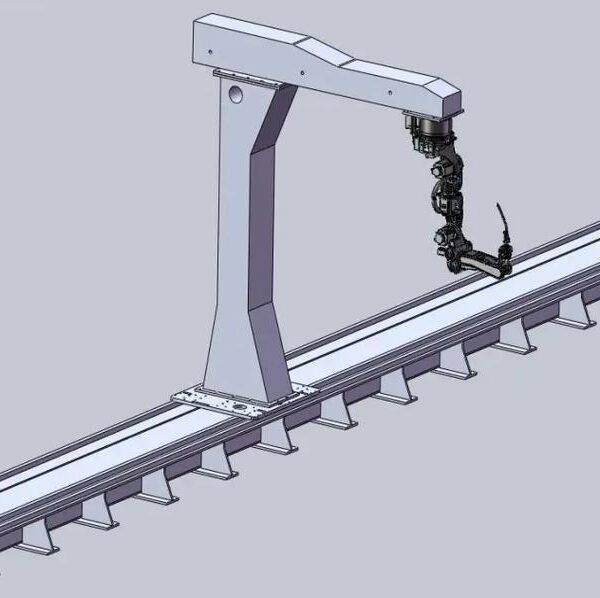
Cantilever Welding Robot solution
-
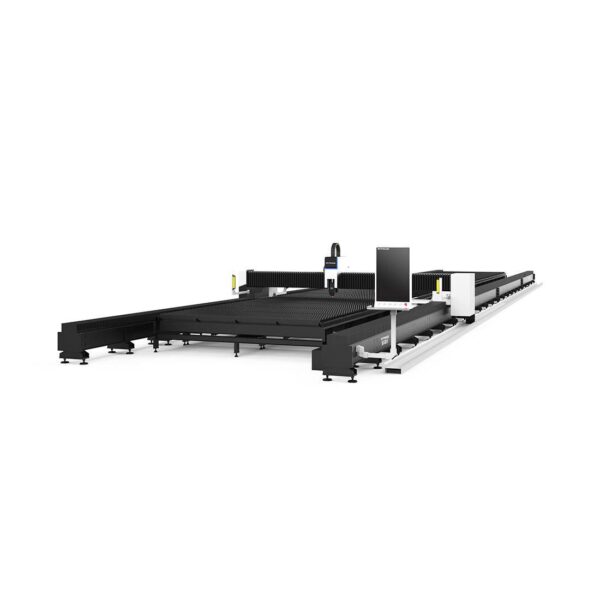
GF laser cutting machine
-
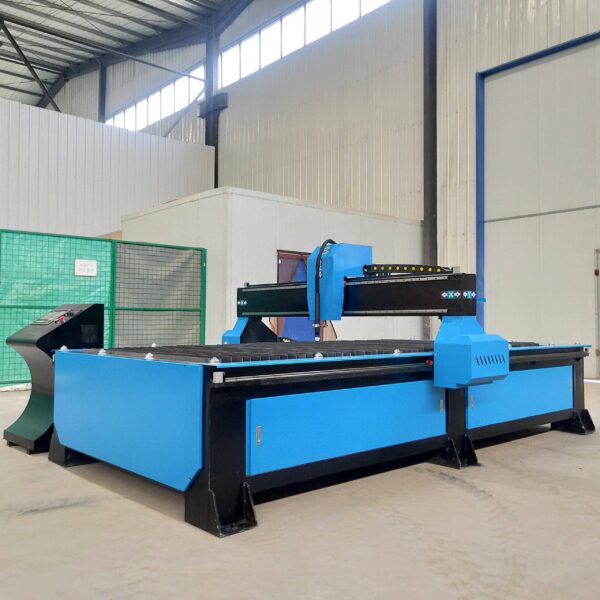
P3015 plasma cutting machine
-

LFP3015 Fiber Laser Cutter
-
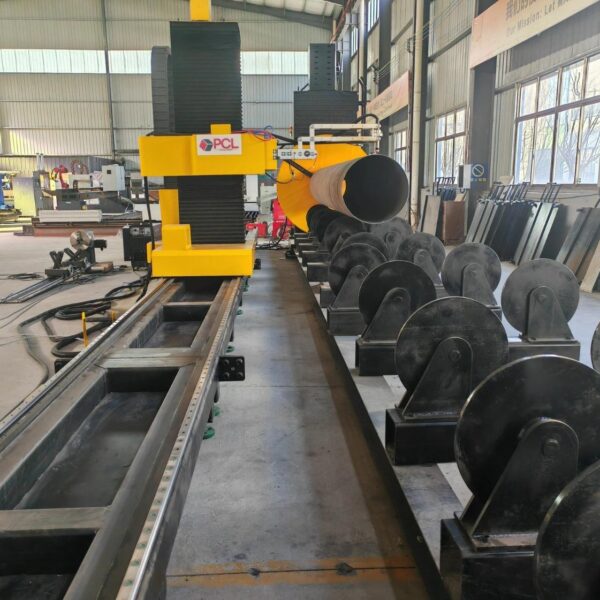
pipe plasma cutting machine
-
LFH 4020 Fiber Laser Cutting Machine
-
LFP4020
-
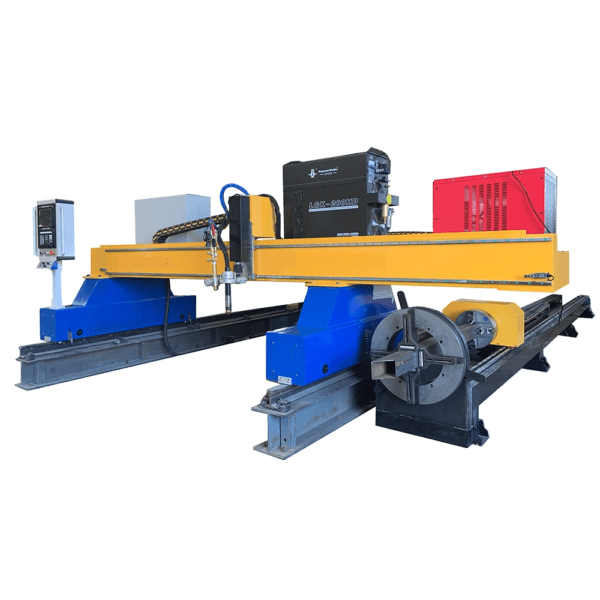
gantry plasma air cutting machine
-
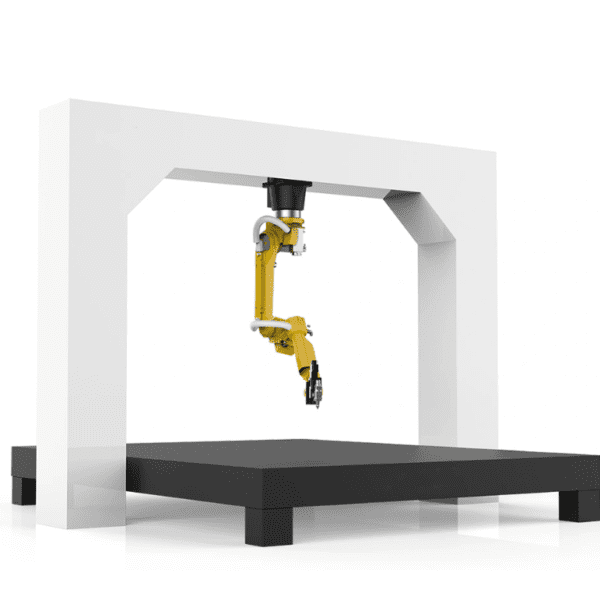
3D robot cutting machine
-
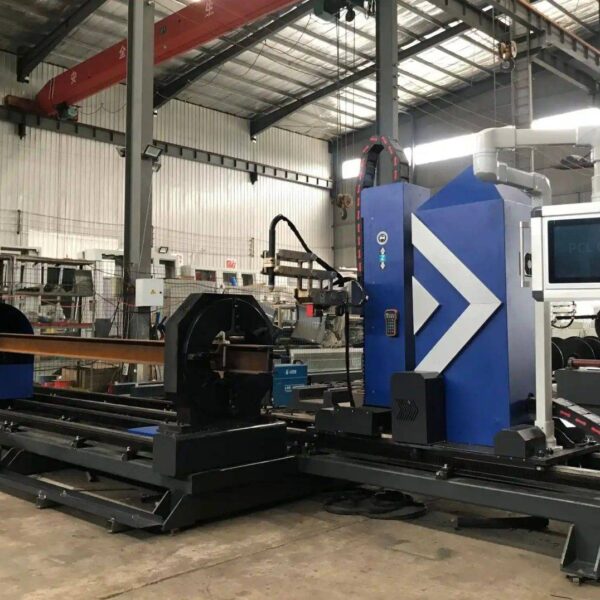
8 axis plasma cutting machine
-
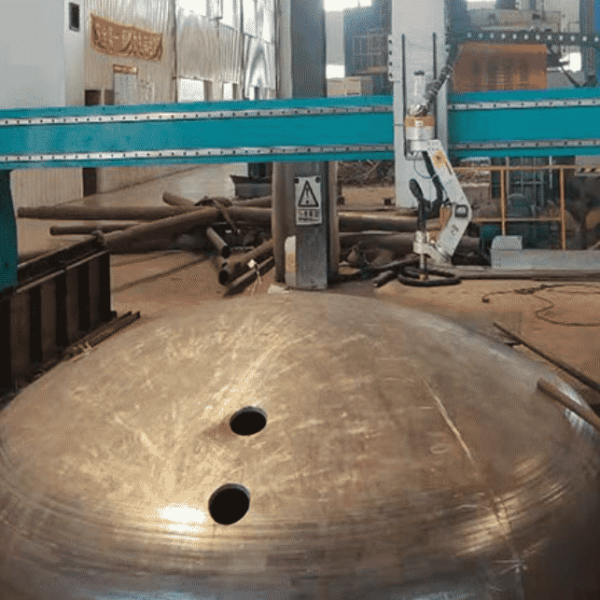
5 axis plasma cutting machine
-

LT360 tube laser cutting machine
-
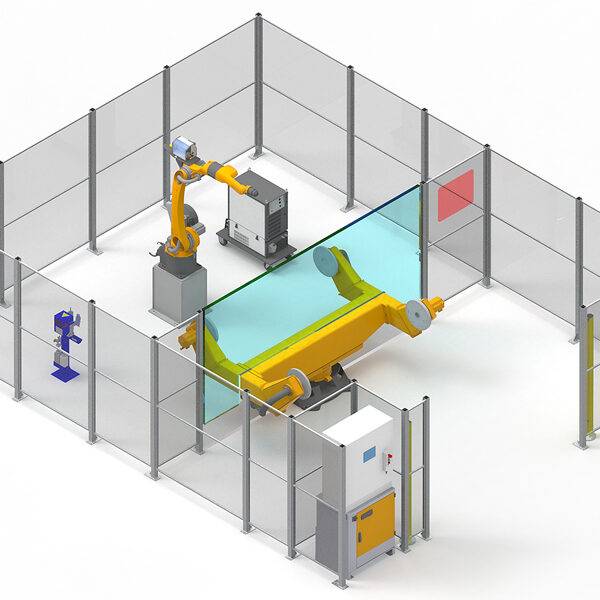
robot welding workstation
-
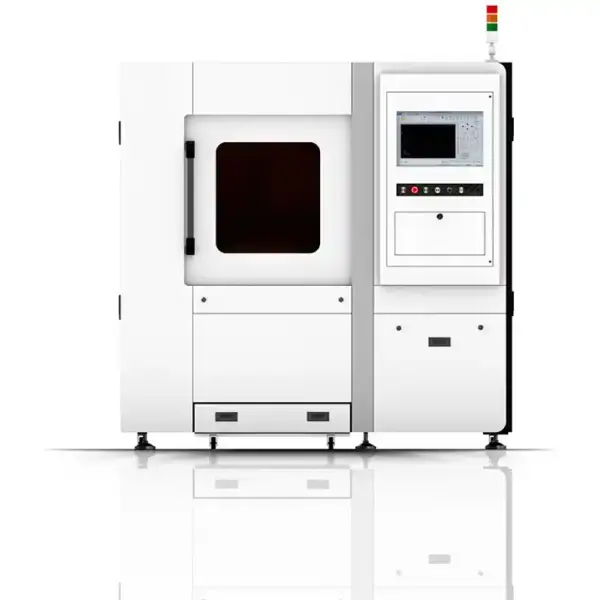
SF6060 fiber laser cutting machine
Advanced Fiber Laser Tube Processing Technology
Our CNC Fiber Laser Tube Cutting systems revolutionize metal fabrication by integrating high-precision cutting, punching, and profiling into a single automated workflow. Designed for versatility, this technology handles a wide array of profiles including Round, Square, Rectangular, and Oval tubes, as well as complex L-shaped and U-shaped channels.
- Precision Punching: High-speed hole punching with micron-level accuracy, eliminating the need for mechanical drilling or die-stamping.
- Complex Profiling: Advanced 3D pathing allows for intricate interlocking joints and specialized notch cuts, ideal for structural frames.
- High Material Efficiency: Intelligent nesting software minimizes scrap, reducing raw material costs across large production runs.
- Clean Finish: Delivers oxide-free, burr-free edges that require zero secondary grinding before welding.

Seamlessly processing multiple profiles with consistent precision.
Global Delivery & Logistics



From our high-tech manufacturing facility directly to your global site. PCL WeldCut ensures secure packaging, professional handling, and reliable international logistics to safeguard your equipment throughout the entire journey.
