The Evolution of Structural Steel Fabrication
In the current industrial landscape, the structural steel sector faces a dual challenge: the scarcity of certified high-skill welders and the demand for increased throughput without sacrificing structural integrity. The introduction of the Intelligent Robotic Welder represents a fundamental shift from manual craftsmanship to data-driven manufacturing. Unlike traditional automated setups, these modern systems integrate advanced sensors and software algorithms to handle the variances inherent in heavy steel components, such as slight deviations in fit-up or thermal expansion during the welding process.
Industrial engineers must view the robotic cell not merely as a replacement for a human hand, but as a high-precision machine tool. By standardizing the MAG welding process (Metal Active Gas), facilities can achieve a level of consistency in bead geometry and penetration depth that is unattainable through manual means over an eight-hour shift. This consistency is the cornerstone of modern quality assurance in infrastructure projects.
Mechanics of Zero-tailing Technology
One of the most significant advancements in welding efficiency is Zero-tailing technology. In standard robotic MAG welding, the end of a weld cycle often results in a “tail” or an excess of wire stick-out that must be clipped, or a crater that requires manual filling. Zero-tailing utilizes high-speed wire retraction sensing and synchronized power source control to terminate the arc precisely at the edge of the weld pool.
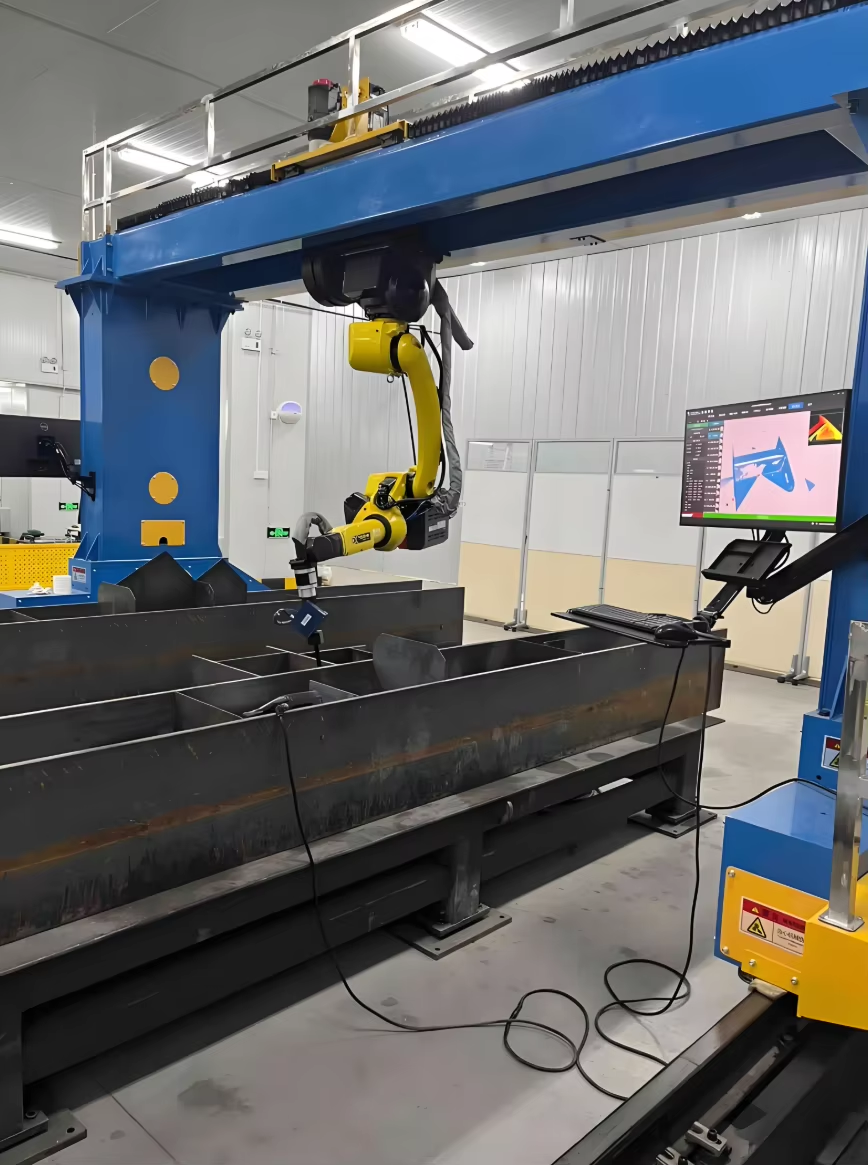
From an engineering perspective, this technology eliminates the “wire waste” variable in the cost-per-foot equation. By retracting the wire in milliseconds as the arc extinguishes, the system ensures the contact tip remains clean and the wire is primed for the next strike without manual intervention. This reduces the cycle time by several seconds per weldment—a figure that aggregates into hundreds of hours over the lifespan of a bridge or skyscraper project.
Optimizing the MAG Welding Process
The Metal Active Gas process in structural steel typically employs an Argon/CO2 shielding gas mixture. The robotic system’s ability to maintain a constant torch angle and travel speed allows for the use of high-deposition spray transfer modes that would be difficult for a manual welder to control due to the intense heat and puddle fluidity.
Key Parameters for Robotic MAG Integration:
- Wire Feed Speed (WFS) synchronization with travel speed to ensure uniform throat thickness.
- Voltage pulsing to minimize spatter, reducing the need for post-weld cleaning.
- Inductance control to manage the fluidity of the weld pool in multi-pass heavy plate applications.
By leveraging Intelligent Robotic Welder algorithms, the system can perform “seam tracking,” where the robot uses the arc itself to sense the joint position. This compensates for any discrepancies in the structural steel prep work, ensuring the MAG bead is always placed exactly in the root of the joint.
Labor ROI and Economic Impact
The primary driver for adopting Robotic Welding is the labor ROI. A single robotic cell, operating across three shifts, can often match the output of four to six manual welders. However, the calculation goes beyond simple headcount reduction. It involves the “Duty Cycle” efficiency. A human welder typically has a 20% to 30% arc-on time due to fatigue, positioning, and setup. A robotic system frequently maintains a 70% to 85% arc-on time.
When calculating ROI, engineers must factor in the reduction of rework. In manual structural welding, the repair rate for ultrasonic testing (UT) or radiographic testing (RT) failures can range from 3% to 5%. An intelligent robotic system can bring this rate down to less than 0.5%. The cost of gouging out a failed weld, re-prepping the area, and re-welding is often three times the cost of the original weld. Avoiding these “hidden” costs accelerates the payback period of the capital investment, often achieving break-even within 18 to 24 months.
Preventive and Predictive Maintenance Protocols
To maintain the high uptime required for a favorable ROI, a rigorous maintenance schedule is mandatory. Robotic welding torches are subject to extreme thermal stress. The MAG welding process generates significant radiant heat, which can degrade the torch neck and the internal liners.
Industrial engineers should implement a dual-track maintenance strategy:
- Preventive: Automated nozzle cleaning stations (reamers) should be programmed to activate every 30 to 60 minutes of arc-on time. This removes spatter buildup that could disrupt gas flow or cause wire feeding issues.
- Predictive: Monitoring the motor current of the wire feeder. An increase in current often indicates that the liner is becoming clogged with copper dust or debris, allowing maintenance to replace the liner during a scheduled shift change rather than during an active production run.
Furthermore, the “Zero-tailing” components—specifically the wire brake and retraction mechanism—require periodic inspection to ensure the mechanical tolerances haven’t drifted. Ensuring the contact tip is centered within the nozzle is critical for the accuracy of the seam tracking sensors.
Strategic Integration in Structural Facilities
The transition to an Intelligent Robotic Welder requires a shift in the workforce skill set. Instead of manual dexterity, the focus moves toward “Welding Technicians” who understand the relationship between travel speed, gas flow, and metallurgy. This upskilling of the workforce is a critical component of the ROI, as it leads to higher job satisfaction and lower turnover in a traditionally high-churn industry.
In conclusion, the deployment of Zero-tailing technology within a robotic MAG environment offers structural steel fabricators a path to unprecedented efficiency. By focusing on the precision of the arc termination, the stability of the gas metal arc process, and the data-driven management of the welding cell, firms can ensure they meet the rigorous standards of modern construction while maximizing their economic return on investment. The focus remains on the weld: its quality, its cost, and its consistency.
-
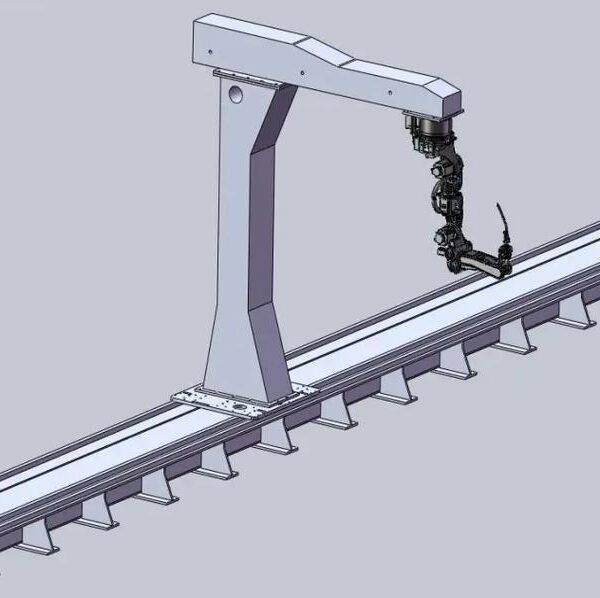
Cantilever Welding Robot solution
-
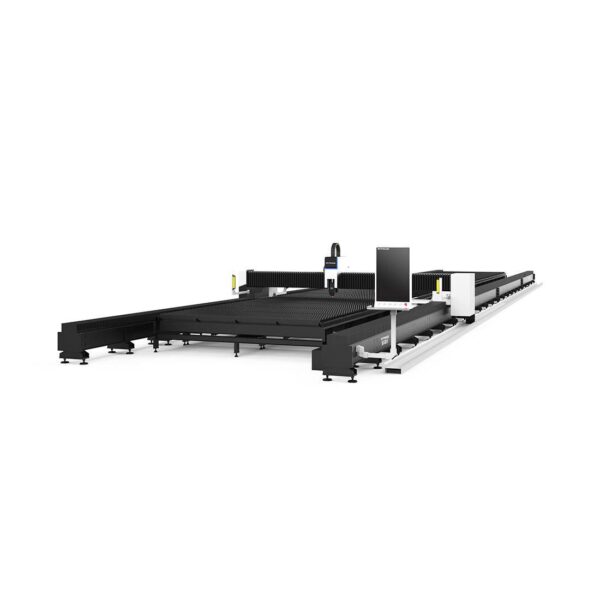
GF laser cutting machine
-
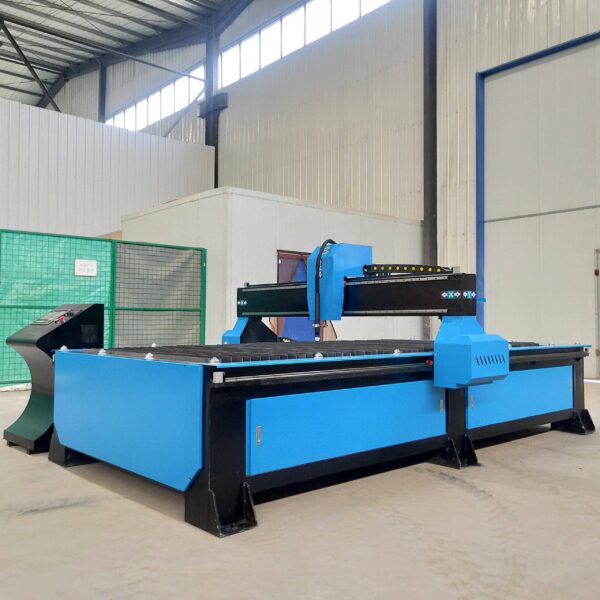
P3015 plasma cutting machine
-

LFP3015 Fiber Laser Cutter
-
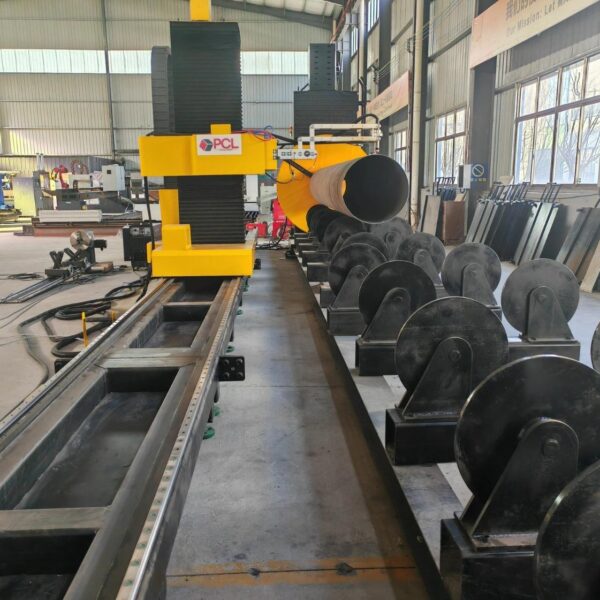
pipe plasma cutting machine
-
LFH 4020 Fiber Laser Cutting Machine
-
LFP4020
-
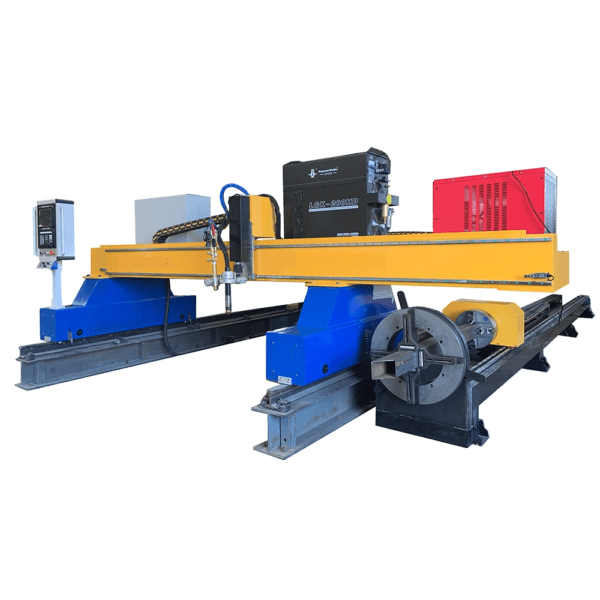
gantry plasma air cutting machine
-
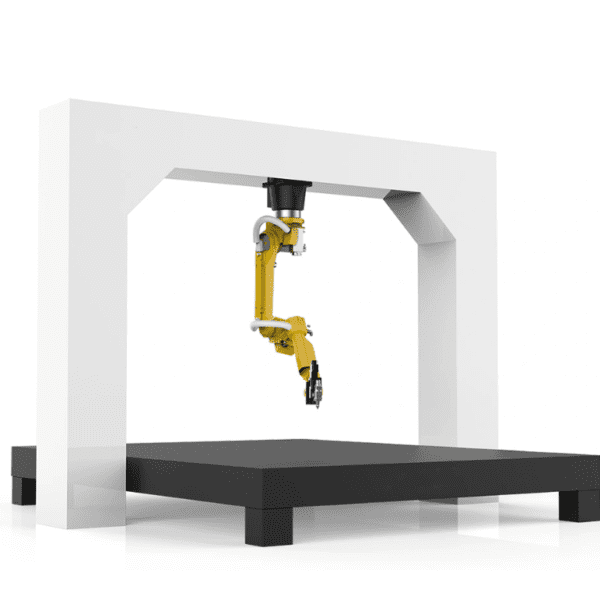
3D robot cutting machine
-
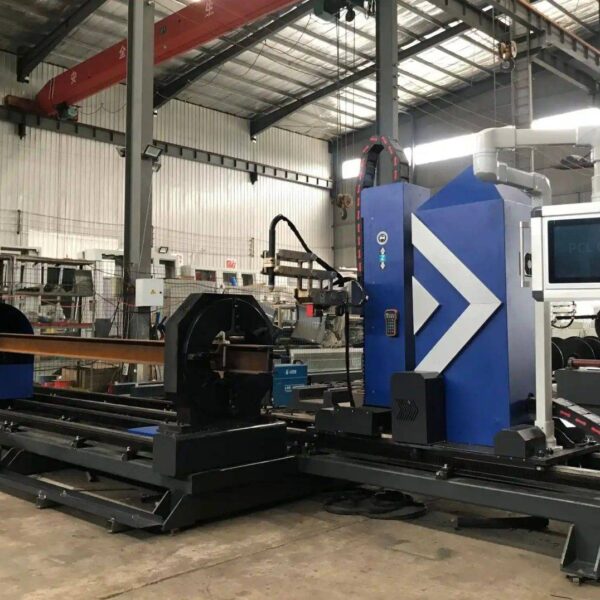
8 axis plasma cutting machine
-
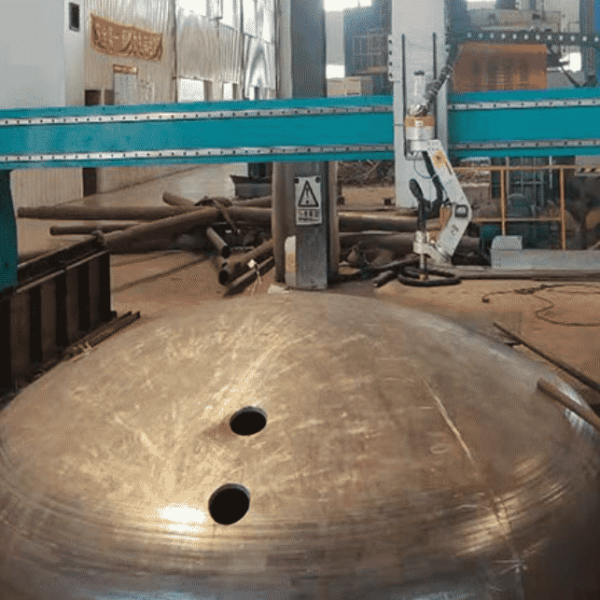
5 axis plasma cutting machine
-

LT360 tube laser cutting machine
-
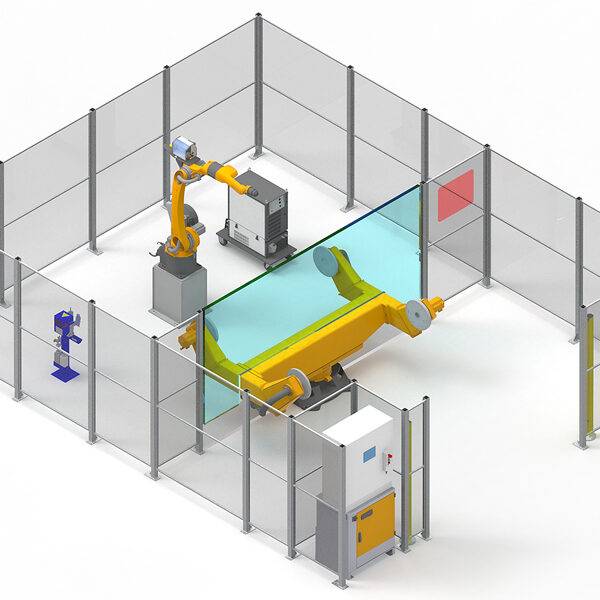
robot welding workstation
-
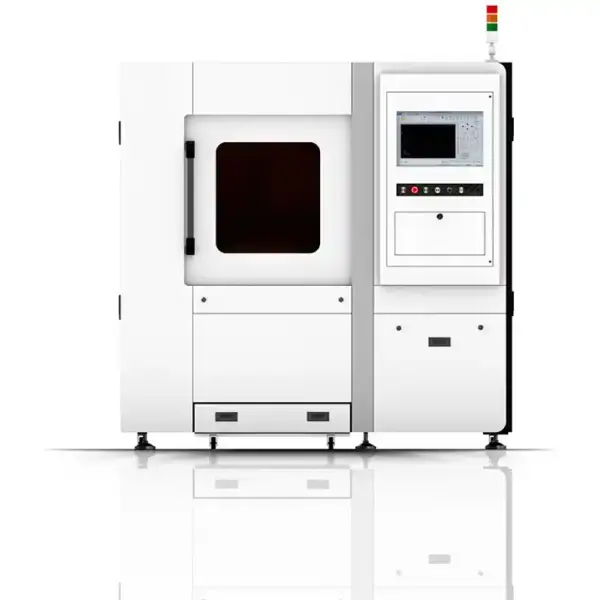
SF6060 fiber laser cutting machine
Advanced Fiber Laser Tube Processing Technology
Our CNC Fiber Laser Tube Cutting systems revolutionize metal fabrication by integrating high-precision cutting, punching, and profiling into a single automated workflow. Designed for versatility, this technology handles a wide array of profiles including Round, Square, Rectangular, and Oval tubes, as well as complex L-shaped and U-shaped channels.
- Precision Punching: High-speed hole punching with micron-level accuracy, eliminating the need for mechanical drilling or die-stamping.
- Complex Profiling: Advanced 3D pathing allows for intricate interlocking joints and specialized notch cuts, ideal for structural frames.
- High Material Efficiency: Intelligent nesting software minimizes scrap, reducing raw material costs across large production runs.
- Clean Finish: Delivers oxide-free, burr-free edges that require zero secondary grinding before welding.

Seamlessly processing multiple profiles with consistent precision.
Global Delivery & Logistics



From our high-tech manufacturing facility directly to your global site. PCL WeldCut ensures secure packaging, professional handling, and reliable international logistics to safeguard your equipment throughout the entire journey.
