Optimization of Steel Structure Production via Robotic MAG Systems
In the current industrial landscape, the fabrication of heavy-duty steel structures requires a shift from traditional manual processes to highly precise, automated solutions. The introduction of an Intelligent Robotic Welder has redefined the throughput expectations for H-beams, box columns, and lattice girders. By integrating Metal Active Gas (MAG) welding with sophisticated software control, facilities can address the critical challenges of weld penetration, thermal distortion, and material wastage. The focus remains on maximizing the arc-on time while maintaining a defect rate near zero percent.
Mechanical Integrity and Zero-tailing Technology
The core innovation in modern steel fabrication is the implementation of Zero-tailing technology. In traditional robotic MAG welding, the end of a weld bead often results in “tailing”—an excess of filler wire or a crater defect caused by improper extinguishing of the arc. This leads to secondary grinding operations and significant material waste over thousands of cycles. Zero-tailing systems utilize high-speed encoders and synchronized wire feeders to retract the wire at the exact millisecond the arc extinguished, ensuring a clean finish. This precision is vital for structural integrity in building frames where weld craters can become stress concentration points.
MAG Welding Parameters in Heavy Steel
MAG welding, utilizing a mix of Argon and CO2, remains the industry standard for steel structure fabrication due to its deep penetration capabilities and high deposition rates. An intelligent robotic system manages the spray transfer mode effectively, monitoring voltage and current fluctuations in real-time. By utilizing “Touch Sensing” and “Arc Tracking,” the robot compensates for deviations in the workpiece fit-up. If a steel plate has a slight warp or if the root gap varies by more than 1mm, the intelligent controller adjusts the torch oscillation and travel speed dynamically to maintain the required throat thickness.

Calculating Labor ROI and Throughput Efficiency
From an industrial engineering perspective, the Labor ROI for Robotic Welding is calculated not just by the replacement of manual hours, but by the increase in duty cycles. A manual welder typically operates at a 20-30% duty cycle due to fatigue, positioning, and safety breaks. In contrast, an intelligent robotic cell operates at an 80-85% duty cycle.
Direct Cost Comparison
When analyzing the return on investment, we consider the total cost of ownership (TCO). A single robotic welder can replace approximately three skilled manual welders across two shifts. In a high-volume steel plant, the payback period for an automated cell is typically between 14 to 22 months. This calculation includes the reduction in rework—since the robot provides consistent MAG welding beads—and the substantial savings in filler metal consumption provided by zero-tailing wire control. Furthermore, the ability to operate in “lights-out” shifts during peak demand periods provides a buffer for project timelines that manual labor cannot match.
Maintenance Protocols for High-Availability Systems
To ensure the longevity of an intelligent welding system, a rigorous preventative maintenance (PM) schedule is mandatory. Unlike manual equipment, robotic torches are subject to constant motion and high thermal loads. Industrial engineers must prioritize the following components to avoid unscheduled downtime:
1. Contact Tip Replacements: Even with zero-tailing precision, contact tips wear down due to friction and electrical erosion. Automated tip changers or scheduled swaps every 100-150 arc-hours are recommended to prevent “keyholing” of the orifice, which leads to arc instability.
2. Wire Liner Cleaning: Steel dust and debris can accumulate in the wire liner. Using dry nitrogen to blow out the liners weekly prevents wire feed hesitation, which is a primary cause of weld porosity.
3. Torch Calibration: The Tool Center Point (TCP) must be verified daily. A deviation of even 0.5mm can result in a missed root pass in a deep-groove weld, compromising the structural certification of the beam.
Advanced Sensing and Quality Control Integration
Modern intelligent welders are equipped with laser-based seam tracking (distinct from cutting) that scans the joint geometry milliseconds before the arc is struck. In steel structures, where components are often large and cumbersome, perfect alignment is rarely achieved. The robot uses this data to adjust the wire aiming point. This closed-loop feedback system ensures that the “zero-tailing” start and stop points are perfectly positioned at the structural edges, eliminating the need for manual tacking or run-off tabs in many applications.
Reducing Consumable Waste and Environmental Impact
Sustainability in industrial engineering is often overlooked but remains a key metric for ROI. The zero-tailing feature significantly reduces the amount of wasted wire that usually ends up on the shop floor during the “cropping” phase of manual welding. By optimizing the gas flow through digital flow meters, the robotic system also reduces shield gas consumption by up to 20% compared to manual setups where operators often over-set flow rates to compensate for drafts. This precision lowers the carbon footprint per ton of fabricated steel, aligning with modern green building certifications.
Conclusion for the Industrial Engineer
The integration of an intelligent robotic welder with zero-tailing capabilities is a strategic necessity for modern steel structure fabrication. By focusing on the technical nuances of MAG welding, optimizing maintenance cycles, and leveraging the high duty cycles of automation, facilities can achieve a competitive edge. The shift from a labor-dependent model to a technology-driven model ensures consistent weld quality, predictable production timelines, and a robust return on investment that secures the future of structural engineering projects.
-
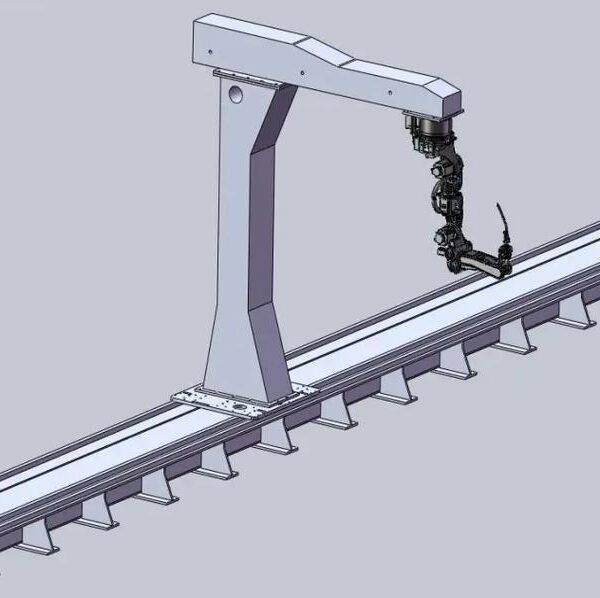
Cantilever Welding Robot solution
-
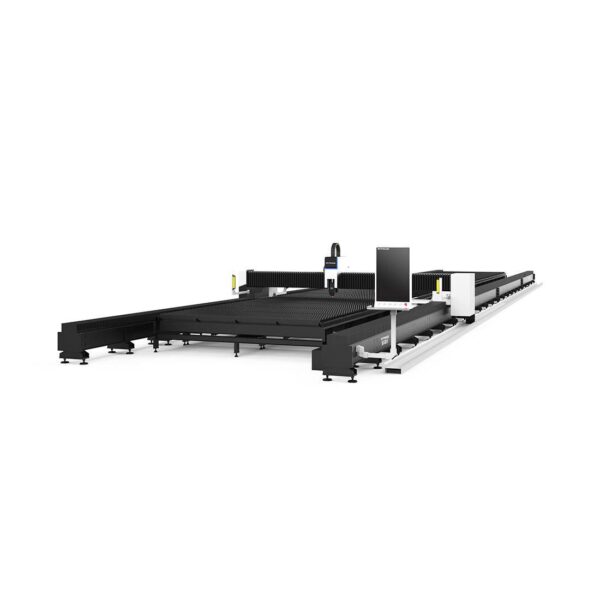
GF laser cutting machine
-
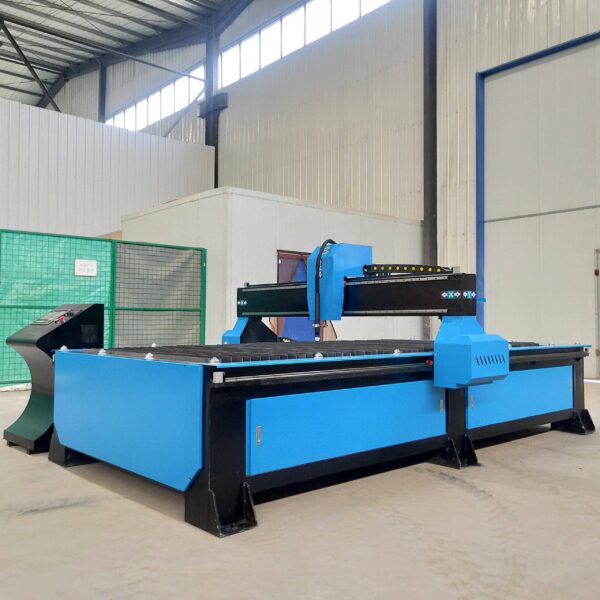
P3015 plasma cutting machine
-

LFP3015 Fiber Laser Cutter
-
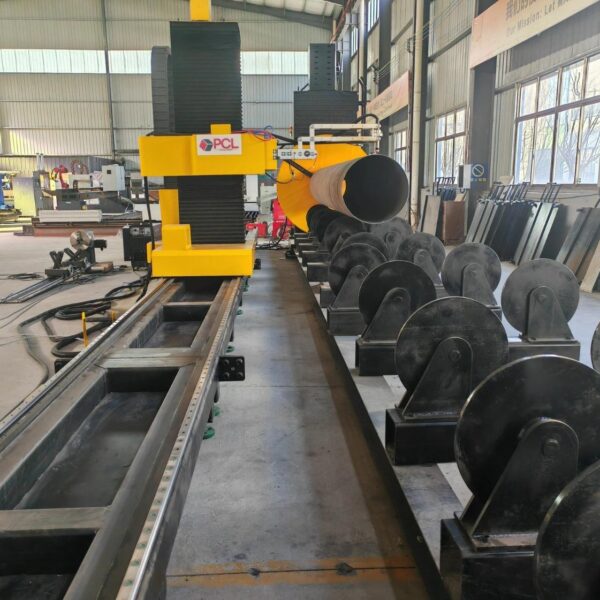
pipe plasma cutting machine
-
LFH 4020 Fiber Laser Cutting Machine
-
LFP4020
-
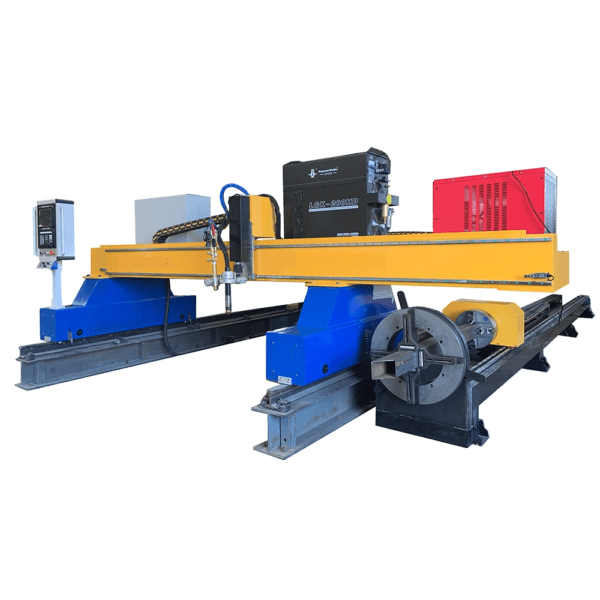
gantry plasma air cutting machine
-
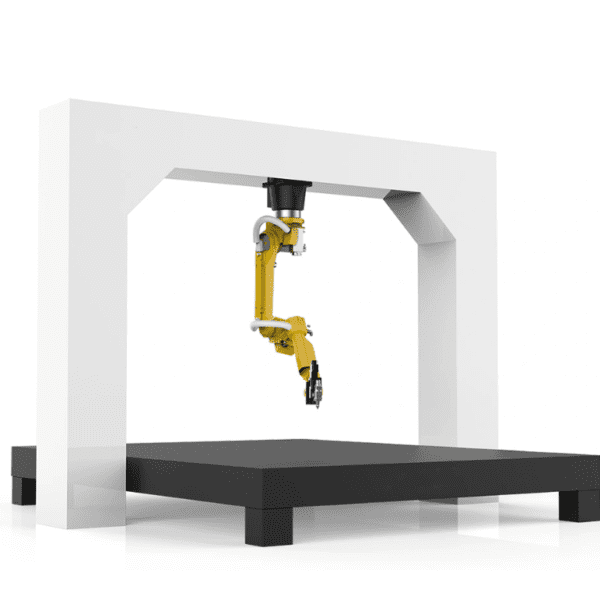
3D robot cutting machine
-
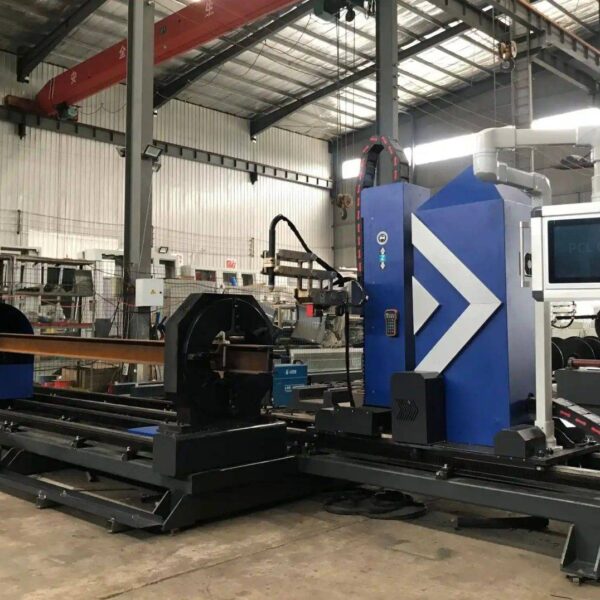
8 axis plasma cutting machine
-
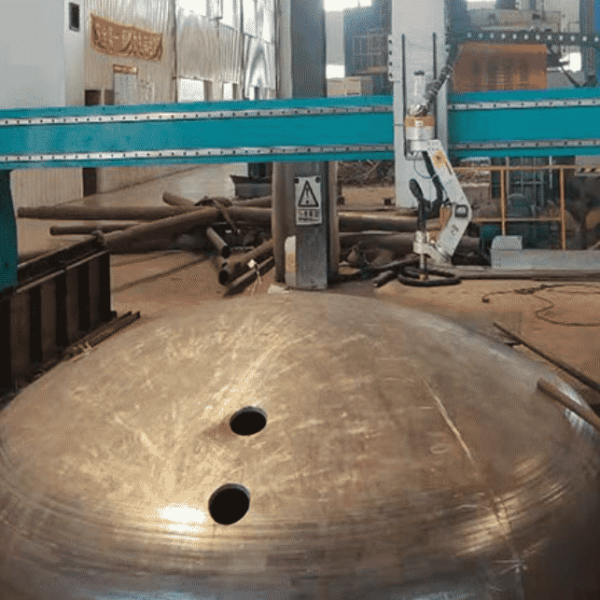
5 axis plasma cutting machine
-

LT360 tube laser cutting machine
-
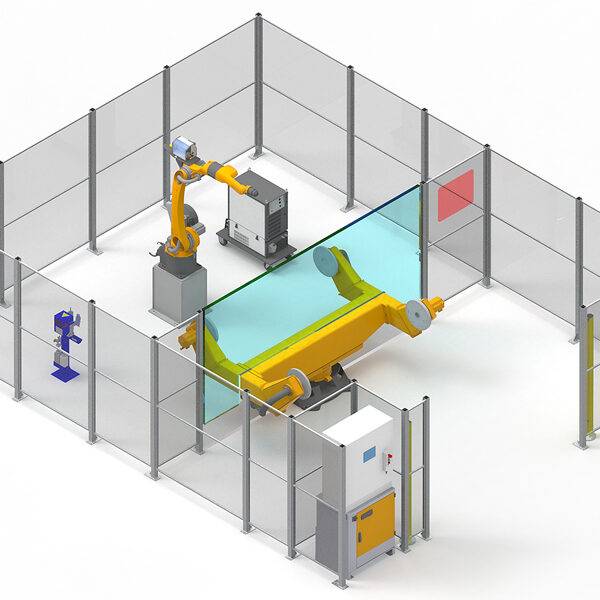
robot welding workstation
-
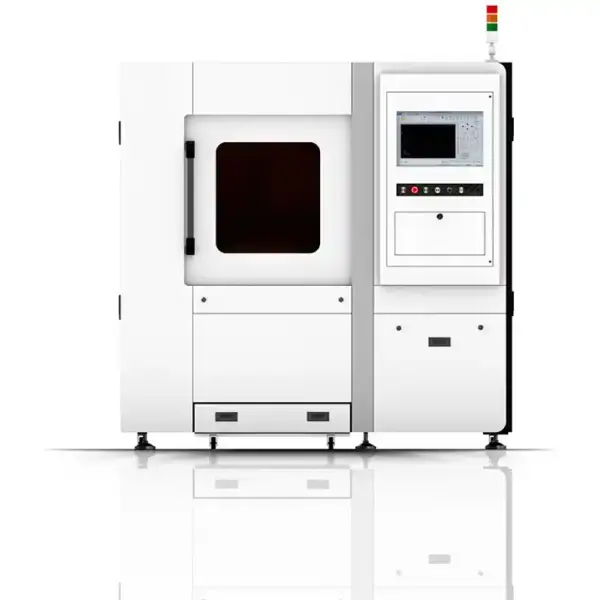
SF6060 fiber laser cutting machine
Advanced Fiber Laser Tube Processing Technology
Our CNC Fiber Laser Tube Cutting systems revolutionize metal fabrication by integrating high-precision cutting, punching, and profiling into a single automated workflow. Designed for versatility, this technology handles a wide array of profiles including Round, Square, Rectangular, and Oval tubes, as well as complex L-shaped and U-shaped channels.
- Precision Punching: High-speed hole punching with micron-level accuracy, eliminating the need for mechanical drilling or die-stamping.
- Complex Profiling: Advanced 3D pathing allows for intricate interlocking joints and specialized notch cuts, ideal for structural frames.
- High Material Efficiency: Intelligent nesting software minimizes scrap, reducing raw material costs across large production runs.
- Clean Finish: Delivers oxide-free, burr-free edges that require zero secondary grinding before welding.

Seamlessly processing multiple profiles with consistent precision.
Global Delivery & Logistics



From our high-tech manufacturing facility directly to your global site. PCL WeldCut ensures secure packaging, professional handling, and reliable international logistics to safeguard your equipment throughout the entire journey.
