Optimization of Pressure Vessel Fabrication via Robotic MAG Systems
In the industrial engineering landscape, the fabrication of pressure vessels represents one of the most demanding welding applications. Compliance with standards such as ASME Section VIII necessitates absolute precision in weld bead geometry and metallurgical integrity. The adoption of Robotic MAG welding provides a controlled environment where variables such as travel speed, wire feed rate, and torch angle are maintained with mathematical precision, far exceeding the consistency of manual operators during 10-hour shifts.
The primary challenge in thick-walled vessel fabrication is managing heat input while ensuring deep penetration. Intelligent robotic systems utilize advanced sensors to map the groove geometry in real-time. This allows the system to adjust parameters dynamically, ensuring that the root pass and subsequent fill passes are deposited without lack-of-fusion defects. By leveraging automated systems, the duty cycle often increases from a manual average of 30% to over 85% in a robotic configuration.
The Mechanics of Zero-Tailing Technology
Material waste in high-volume welding often centers on the consumption of filler metal. Zero-tailing technology refers to a specialized wire-feeding and control algorithm that eliminates the wasted “tail” or excess wire typically left at the end of a weld cycle or when a spool reaches its end. In traditional setups, several inches of wire are often retracted or discarded during the torch-to-workpiece clearance phase.
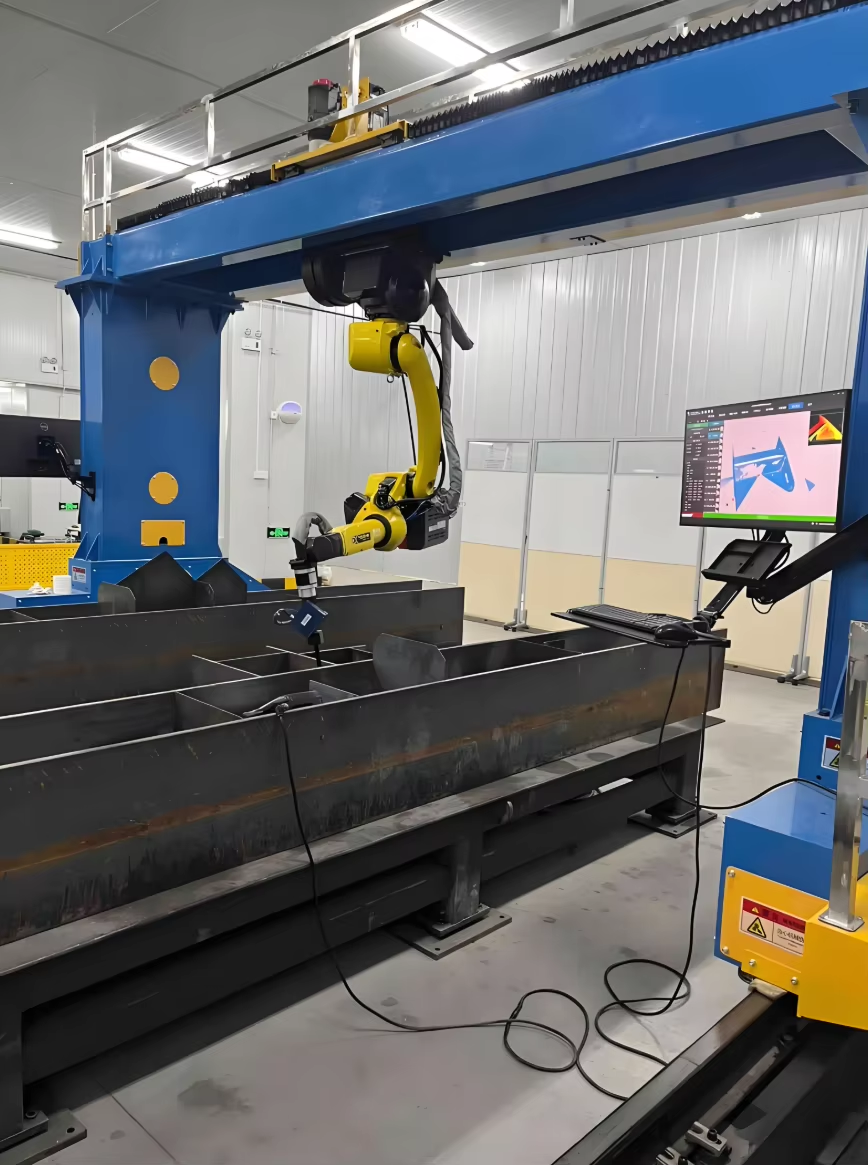
for Pressure Vessels requiring miles of weld beads across a fleet of units, these increments of waste represent significant capital loss. Zero-tailing systems use high-resolution encoders on the wire drive motor to synchronize the exact feed length required for the crater-fill sequence. This ensures the wire is consumed nearly to the contact tip or the end of the drum without causing arc instability. Furthermore, this technology reduces the frequency of “bird-nesting” at the drive rolls, which is a common cause of downtime in high-speed MAG operations.
Advanced MAG Process Control for Thick-Walled Vessels
The Metal Active Gas (MAG) process, specifically using Argon-CO2 shielding gas mixtures, is the preferred method for Pressure vessel fabrication due to its high deposition rates. Robotic integration allows for the use of pulsed-spray transfer, which minimizes spatter and reduces the post-weld cleanup time. In an industrial engineering context, reducing post-weld grinding is a direct reduction in non-value-added labor costs.
Robotic systems also facilitate multi-pass welding sequences that are programmed to optimize the Heat Affected Zone (HAZ). By alternating the start and stop positions of each layer, the robot prevents the accumulation of thermal stress in a single localized area of the vessel shell. This precision is critical for vessels designed for high-cycle fatigue or cryogenic service, where grain structure uniformity is paramount.
Maintenance Protocols for High-Duty Robotic Welders
To maintain a high Labor ROI, the maintenance of the robotic cell must move from reactive to predictive models. The heavy-duty cycles required for thick-walled vessels place immense strain on the torch consumables and the wire delivery system. An industrial engineer must implement a strict maintenance schedule based on “arc-on” hours rather than calendar days.
Consumable Management and Torch Alignment
The contact tip is the most frequent point of failure. As the aperture wears, the arc becomes unstable, leading to porosity. Intelligent systems now monitor the electrical resistance between the tip and the wire. When resistance fluctuates beyond a set threshold, the system triggers an automated tip-change sequence or alerts the technician. Additionally, automated torch cleaning stations (reamers) must be utilized every 30 to 60 minutes of arc time to remove spatter from the gas nozzle, ensuring laminar flow of the shielding gas and preventing atmospheric contamination of the weld pool.
Mechanical and Software Calibration
The robot’s repeatability—often within +/- 0.05mm—must be verified through periodic Tool Center Point (TCP) checks. In pressure vessel welding, a deviation of even 1mm can result in the arc missing the root of a narrow-gap joint, leading to a catastrophic failure during hydrostatic testing. Maintenance engineers should utilize laser-based TCP calibration tools to ensure the robot’s spatial awareness remains accurate despite the thermal expansion of the torch assembly during long-duration welds.
Analyzing Labor ROI and Economic Impact
The transition to Robotic Welding is often scrutinized through the lens of initial capital expenditure (CAPEX). However, a comprehensive Labor ROI analysis reveals that the value is found in the displacement of specialized labor and the reduction of the “Repair Rate.” In manual pressure vessel welding, repair rates of 3-5% are common due to human fatigue. Robotic systems typically bring this rate below 0.5%.
When calculating ROI, the following factors must be quantified:
- Reduction in filler metal consumption via zero-tailing (approx. 3-7% savings).
- Elimination of specialized “Class A” welder scarcity issues by utilizing operators to manage multiple robotic cells.
- Drastic reduction in shielding gas waste through localized flow control.
- Decrease in rework costs, which typically cost 3x to 4x more than the initial weld.
Furthermore, the throughput increase is substantial. A robotic cell can operate across three shifts with minimal performance degradation, whereas manual welding throughput drops significantly during the night shift or in high-temperature shop environments. This allows manufacturers to shorten lead times for vessel delivery, providing a competitive advantage in the global energy and chemical processing markets.
Integration with Plant-Wide Data Systems
Modern intelligent welders are no longer isolated islands of automation. They function as data nodes within the factory. By capturing voltage, current, and gas flow data for every inch of the weld, the system generates a digital twin of the pressure vessel’s fabrication history. This traceability is invaluable for quality assurance audits and compliance with international pressure equipment directives. If a defect is later found during ultrasonic testing, the engineer can pull the exact data log from the robot to identify if a momentary drop in gas pressure or a voltage spike was the root cause, allowing for surgical repairs rather than total joint replacement.
Conclusion on Robotic Integration
The implementation of intelligent robotic MAG welding with Zero-tailing technology represents a shift toward data-driven manufacturing in the pressure vessel sector. By focusing on the reduction of consumable waste, the precision of multi-pass deposition, and the rigor of predictive maintenance, industrial facilities can achieve a level of structural integrity and economic efficiency that manual processes cannot replicate. The ROI is realized not just in faster welding, but in the elimination of waste and the guaranteed repeatability of high-specification joints.
-
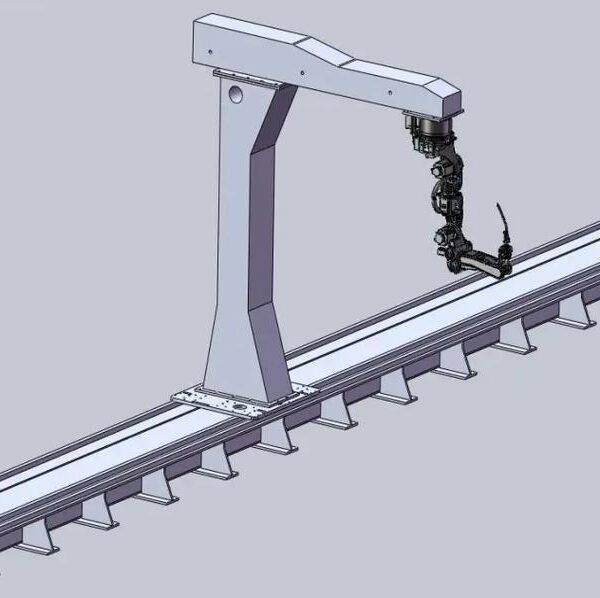

Cantilever Welding Robot solution
-
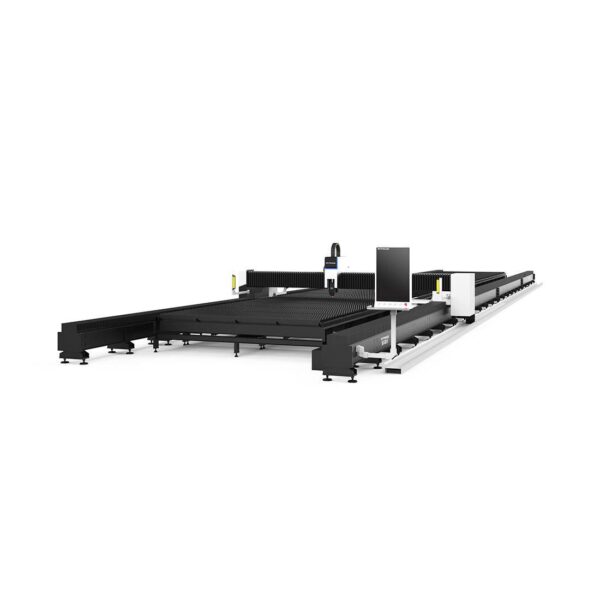

GF laser cutting machine
-
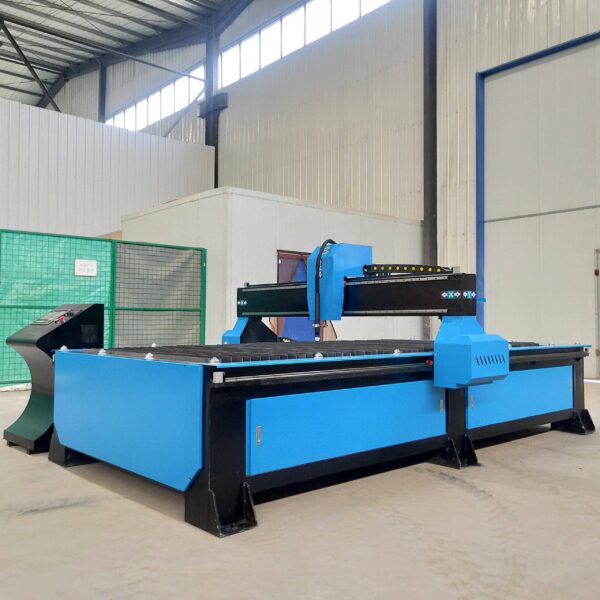
P3015 plasma cutting machine
-

LFP3015 Fiber Laser Cutter
-
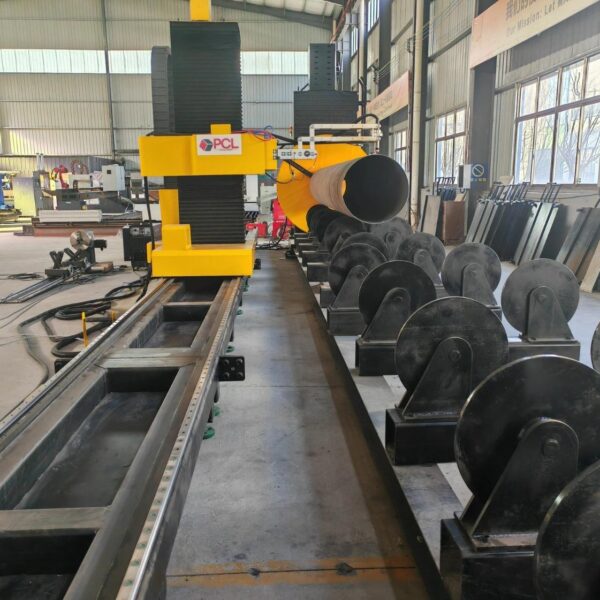
pipe plasma cutting machine
-
LFH 4020 Fiber Laser Cutting Machine
-
LFP4020
-
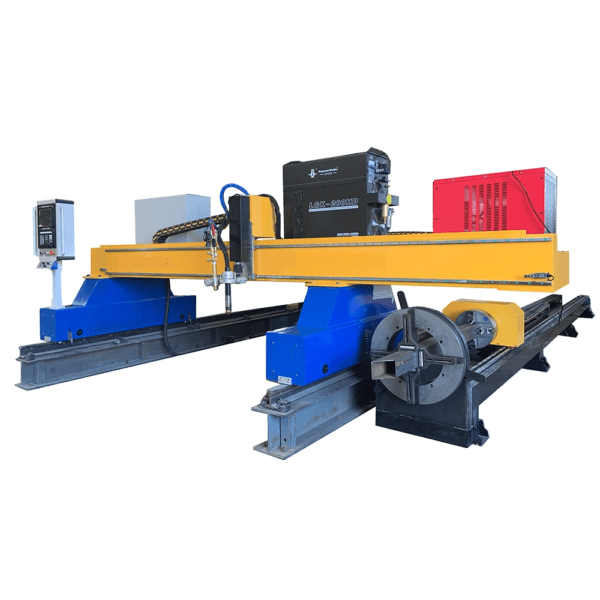
gantry plasma air cutting machine
-
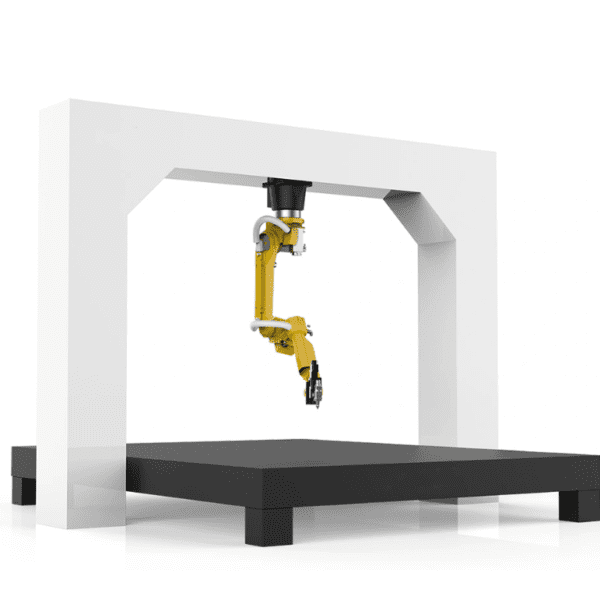
3D robot cutting machine
-
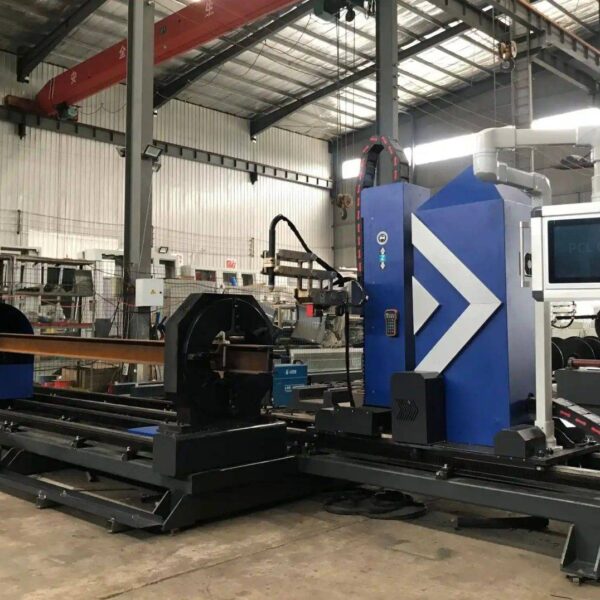
8 axis plasma cutting machine
-
5 axis plasma cutting machine
-

LT360 tube laser cutting machine
-
robot welding workstation
-
SF6060 fiber laser cutting machine
Advanced Fiber Laser Tube Processing Technology
Our CNC Fiber Laser Tube Cutting systems revolutionize metal fabrication by integrating high-precision cutting, punching, and profiling into a single automated workflow. Designed for versatility, this technology handles a wide array of profiles including Round, Square, Rectangular, and Oval tubes, as well as complex L-shaped and U-shaped channels.
- Precision Punching: High-speed hole punching with micron-level accuracy, eliminating the need for mechanical drilling or die-stamping.
- Complex Profiling: Advanced 3D pathing allows for intricate interlocking joints and specialized notch cuts, ideal for structural frames.
- High Material Efficiency: Intelligent nesting software minimizes scrap, reducing raw material costs across large production runs.
- Clean Finish: Delivers oxide-free, burr-free edges that require zero secondary grinding before welding.

Seamlessly processing multiple profiles with consistent precision.
Global Delivery & Logistics



From our high-tech manufacturing facility directly to your global site. PCL WeldCut ensures secure packaging, professional handling, and reliable international logistics to safeguard your equipment throughout the entire journey.
