Technical Optimization of Robotic MAG Welding in Pressure Vessel Production
In the heavy industrial sector, the fabrication of pressure vessels demands a level of structural integrity that leaves zero margin for error. Traditional manual welding processes often struggle with the consistency required for longitudinal and circumferential seams, especially when dealing with thick-walled carbon steel or alloy materials. The integration of MAG Robotic Welding platforms has shifted the focus from manual dexterity to algorithmic precision. By utilizing intelligent systems, manufacturers can maintain high deposition rates while adhering to strict ASME (American Society of Mechanical Engineers) Section VIII standards.
Understanding Zero-Tailing Technology in Arc Termination
One of the primary challenges in robotic arc welding is the management of the weld pool at the end of a cycle. “Tailing” refers to the excess wire or the unfilled crater that occurs when the arc is extinguished abruptly. Zero-tailing technology utilizes advanced power source communication to control the wire retraction and current decay simultaneously.
Mechanics of Crater Filling
When the robot reaches the end of a programmed path on a pressure vessel seam, the zero-tailing algorithm initiates a “crater fill” sequence. This involves a momentary dwell time where the wire feed speed is reduced while the voltage is modulated to ensure the weld pool solidifies without shrinkage cracks or porosity. By eliminating the tail, the system removes the need for manual grinding or secondary “tack” repairs at the stop-start points of circumferential welds. This is critical for vessels that undergo high-pressure cycling, where any surface irregularity can become a stress concentrator.

MAG Process Parameters and Material Integrity
Metal Active Gas (MAG) welding is the preferred process for Pressure Vessels due to its high productivity and deep penetration capabilities. To achieve optimal results, the robotic system must dynamically adjust parameters based on real-time feedback. Intelligent welders now incorporate seam tracking sensors—often utilizing “Through-Arc Seam Tracking” (TAST)—to compensate for minor fit-up deviations in large vessel shells.
Gas Shielding and Turbulence Control
The choice of shielding gas (typically an Argon/CO2 mix) dictates the spray transfer characteristics. Intelligent systems monitor gas flow rates to prevent turbulence, which can introduce nitrogen from the atmosphere into the weld pool. For pressure vessel fabrication, maintaining a stable laminar flow of gas is essential to ensure the chemical properties of the weld metal match the parent material, preventing premature fatigue failure.
Maintenance Protocols for High-Duty Cycle Robotics
From an industrial engineering perspective, the reliability of the robotic cell is dictated by its maintenance schedule. Unlike manual operators, robots can operate at a 100% duty cycle, but this puts immense thermal stress on the torch assembly and the wire feed system.
Preventive Maintenance of the Torch and Liner
To ensure 24/7 operation, robotic cells must be equipped with automatic torch cleaning stations (reamers). These stations perform three vital functions: mechanical removal of spatter from the gas nozzle, application of anti-spatter fluid, and wire cutting to ensure a consistent stick-out for the next arc start. The wire liner, often overlooked, must be replaced based on the volume of wire consumed rather than elapsed time. A clogged liner increases friction, leading to “bird-nesting” at the drive rolls and inconsistent arc stability, which can compromise the integrity of a pressure vessel’s root pass.
Calibration of the Tool Center Point (TCP)
In pressure vessel welding, a deviation of even 1mm can result in a lack of fusion at the weld toe. Regular TCP calibration is mandatory. Modern intelligent welders use “Auto-TCP” routines where the robot touches a sensing wire or optical sensor to verify its spatial orientation. If the torch has suffered a collision or thermal warping, the system automatically offsets the program coordinates to maintain the path accuracy required for heavy-duty seams.
Calculating Labor ROI and Economic Throughput
The transition from manual to robotic welding is often driven by the scarcity of “Class A” certified welders. However, the labor ROI of an intelligent robotic system extends beyond simple wage replacement. It is measured in the reduction of “non-value-added” time.
Throughput Metrics and Rework Reduction
In manual pressure vessel welding, a significant portion of the shift is spent on setup, repositioning, and inter-pass cleaning. A robotic system with a multi-axis positioner allows for continuous welding in the 1G (flat) position, which is the most efficient for MAG welding. By utilizing zero-tailing technology, the time spent on post-weld grinding and crater repair is reduced by approximately 15-20%. When amortized over the life of a vessel production run, this reduction in rework significantly lowers the “cost per foot” of weld.
Deposition Rates and Power Efficiency
Robotic MAG systems can operate at higher current densities than manual processes without risking operator fatigue. This leads to higher deposition rates (kg/hr of weld metal). Industrial engineers should track the “Power Conversion Efficiency” of the inverter power sources used in these cells. Intelligent welders optimize the wave pulse, reducing spatter loss. Less spatter means more of the purchased wire ends up in the joint, directly improving the material yield ratio.
Integration of Data Analytics for Quality Assurance
Modern intelligent welders function as data nodes. Every weld bead on a pressure vessel is logged, capturing current, voltage, gas flow, and travel speed. This data creates a “digital birth certificate” for each vessel, which is invaluable for regulatory compliance and insurance purposes. If a flaw is detected during radiographic testing (RT) or ultrasonic testing (UT), engineers can cross-reference the exact timestamp and coordinates in the robot’s log to identify the root cause—whether it was a fluctuation in line voltage or a momentary drop in gas pressure.
Conclusion for Industrial Implementation
Deploying an Intelligent Robotic Welder for pressure vessels is not merely an equipment upgrade; it is a shift toward a data-driven manufacturing ecosystem. By focusing on the nuances of zero-tailing technology and rigorous MAG maintenance, facilities can overcome the bottleneck of skilled labor shortages while simultaneously increasing the safety and longevity of the vessels they produce. The ROI is realized not just in speed, but in the precision that eliminates the costly cycle of repair and reinspection.
-
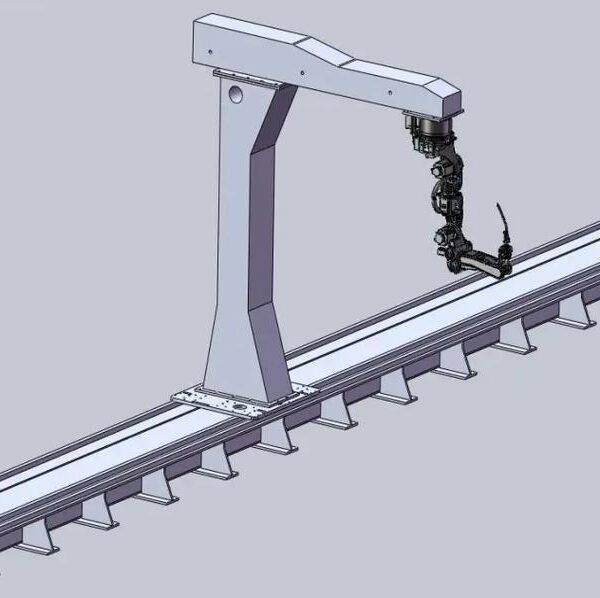

Cantilever Welding Robot solution
-
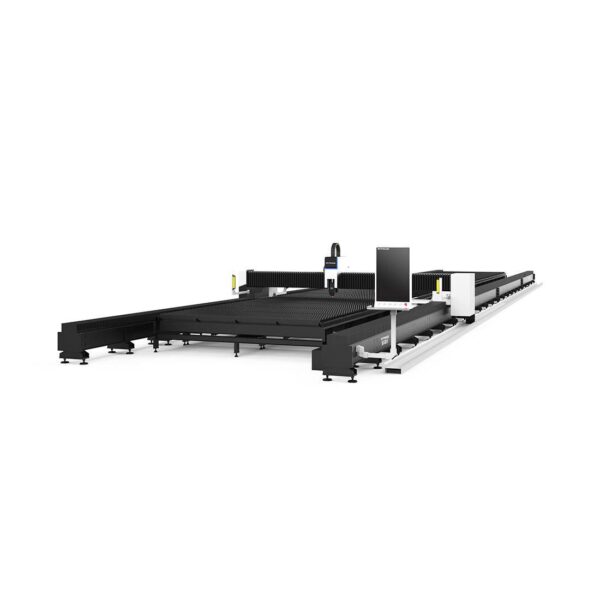

GF laser cutting machine
-
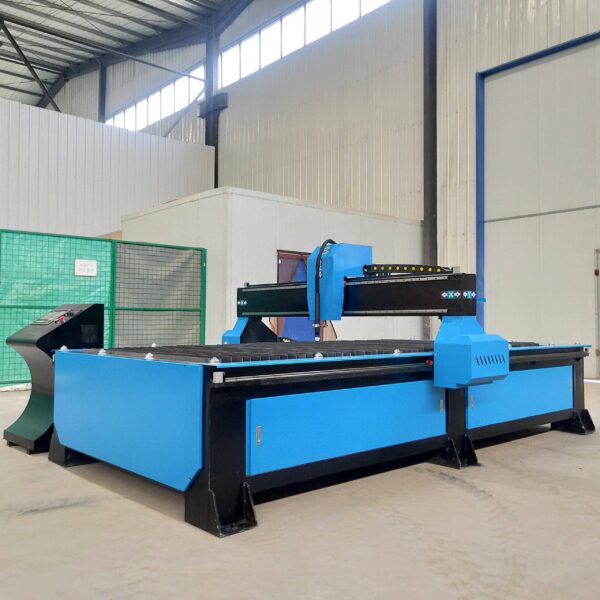
P3015 plasma cutting machine
-

LFP3015 Fiber Laser Cutter
-
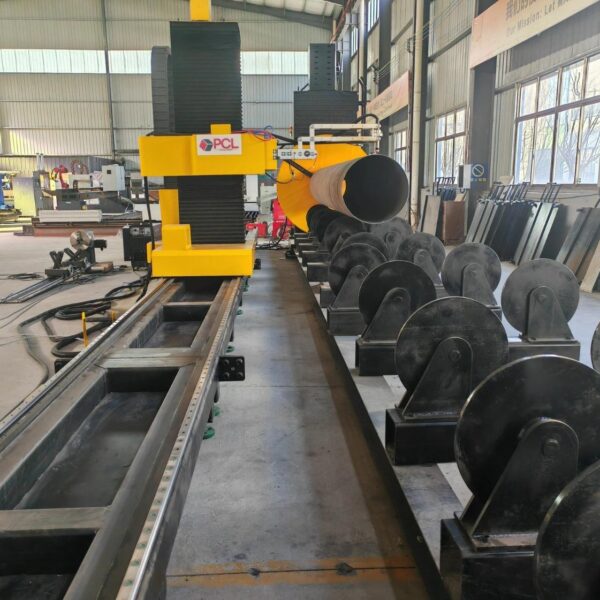
pipe plasma cutting machine
-
LFH 4020 Fiber Laser Cutting Machine
-
LFP4020
-
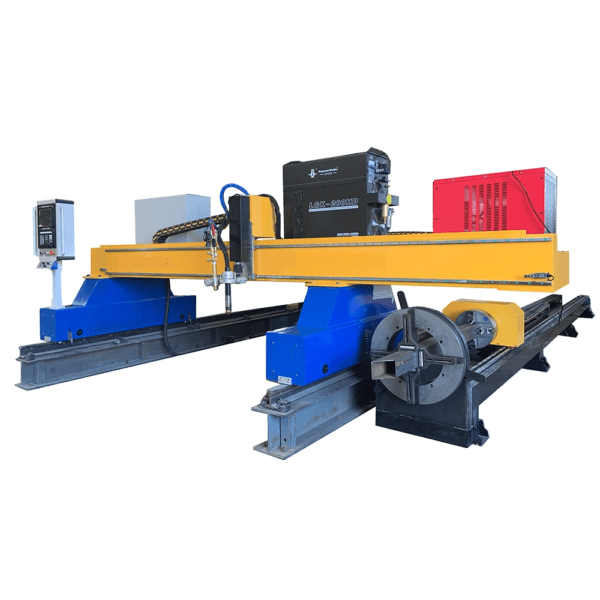
gantry plasma air cutting machine
-
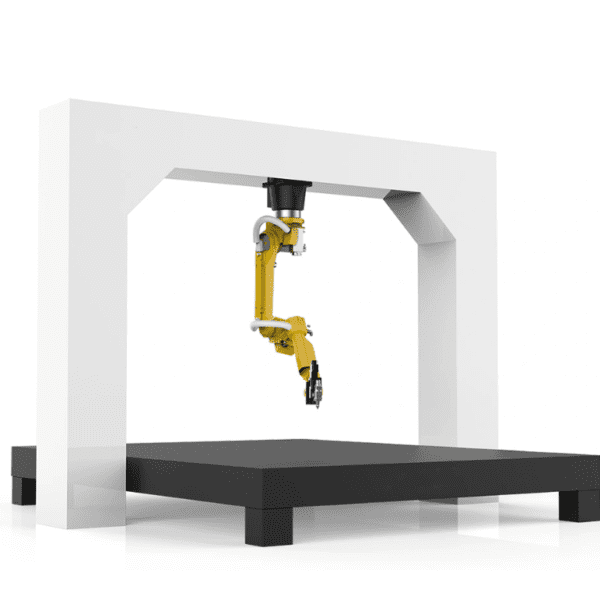
3D robot cutting machine
-
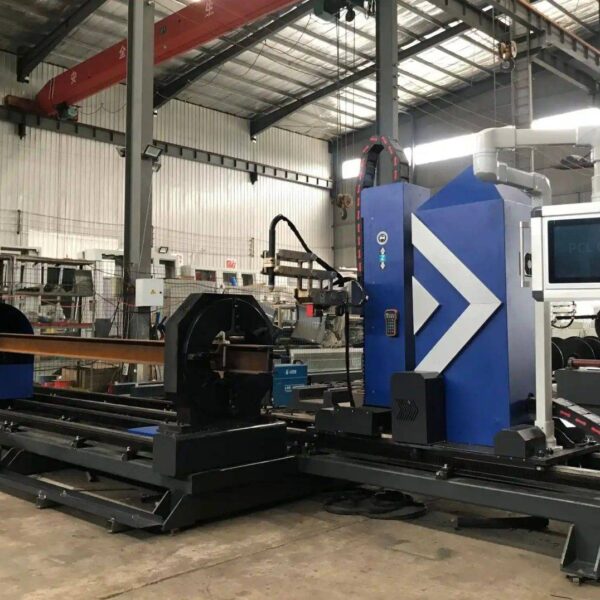
8 axis plasma cutting machine
-
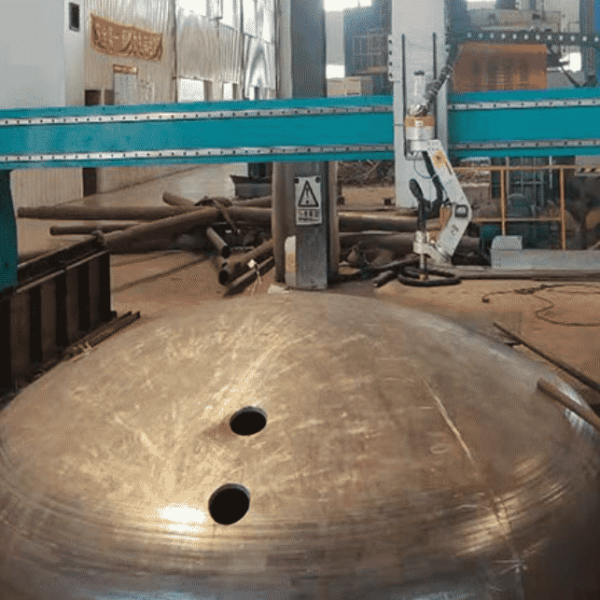
5 axis plasma cutting machine
-

LT360 tube laser cutting machine
-
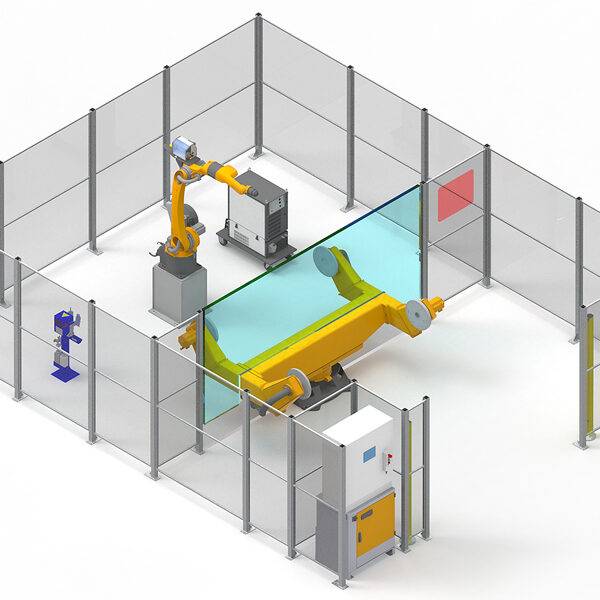
robot welding workstation
-
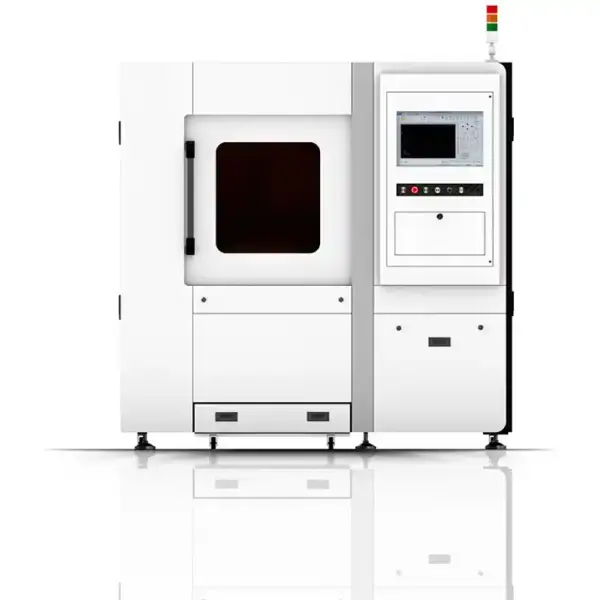
SF6060 fiber laser cutting machine
Advanced Fiber Laser Tube Processing Technology
Our CNC Fiber Laser Tube Cutting systems revolutionize metal fabrication by integrating high-precision cutting, punching, and profiling into a single automated workflow. Designed for versatility, this technology handles a wide array of profiles including Round, Square, Rectangular, and Oval tubes, as well as complex L-shaped and U-shaped channels.
- Precision Punching: High-speed hole punching with micron-level accuracy, eliminating the need for mechanical drilling or die-stamping.
- Complex Profiling: Advanced 3D pathing allows for intricate interlocking joints and specialized notch cuts, ideal for structural frames.
- High Material Efficiency: Intelligent nesting software minimizes scrap, reducing raw material costs across large production runs.
- Clean Finish: Delivers oxide-free, burr-free edges that require zero secondary grinding before welding.

Seamlessly processing multiple profiles with consistent precision.
Global Delivery & Logistics



From our high-tech manufacturing facility directly to your global site. PCL WeldCut ensures secure packaging, professional handling, and reliable international logistics to safeguard your equipment throughout the entire journey.
