Optimizing Pressure Vessel Fabrication via MAG Robotics
Pressure vessel manufacturing is governed by stringent safety codes such as ASME Section VIII. Traditionally, the industry relied on manual or semi-automatic MAG welding (Metal Active Gas) to manage thick-walled steel components. However, the manual approach introduces variables in heat input, travel speed, and wire positioning that lead to weld defects and significant rework costs. The introduction of an Intelligent Robotic Welder addresses these systemic inefficiencies by standardizing the deposition rate and arc stability.
Unlike standard automation, intelligent systems utilize seam tracking and real-time sensor feedback to adjust for fit-up discrepancies. In the context of large-diameter vessels, where rolling tolerances can create inconsistent groove geometries, the robotic system’s ability to modulate parameters mid-weld ensures 100% penetration and minimizes the Risk of Non-Destructive Testing (NDT) failure.
The Mechanics of Zero-Tailing Technology
A critical bottleneck in high-volume MAG welding is wire waste and arc-start instability. Zero-tailing technology refers to a sophisticated wire-feed control mechanism that eliminates the unburnt wire “tail” or stub typically left at the end of a weld cycle. In conventional systems, this tail must be mechanically clipped or results in a cold-lap start on the subsequent weld.

In an industrial environment, zero-tailing utilizes a high-speed retract motor synchronized with the power source. As the arc terminates, the wire is retracted at a precise velocity to prevent the formation of a globule at the tip. This ensures that the next arc ignition begins with a clean, sharp wire point. For Pressure Vessel fabrication, this translates to cleaner tie-ins on longitudinal and circumferential seams, reducing the need for manual grinding at the start and stop points of each pass.
Eliminating Consumable Waste and Spatter
The economic impact of zero-tailing extends to consumable management. By preventing the “bird-nesting” or erratic wire feeding associated with deformed wire tips, the service life of contact tips and liners is extended by approximately 25-30%. Furthermore, because the arc ignition is optimized, the initial spatter burst is nearly eliminated. This reduces the labor required for post-weld cleanup and prevents spatter from adhering to the vessel surface, where it could act as a stress concentrator or lead to corrosion.
Maintenance Cycles and System Reliability
Industrial engineers must account for the Mean Time Between Failures (MTBF) and Mean Time To Repair (MTTR) when deploying robotic cells. A robotic MAG system for Pressure Vessels requires a structured maintenance regimen focused on the torch assembly and wire delivery path.
1. Torch Neck and Nozzle Maintenance: Automated reamer stations should be integrated into the robot’s cycle. Every 30 to 60 minutes of arc time, the robot should perform a cleaning cycle to remove silica buildup and apply anti-spatter liquid. This prevents shielding gas turbulence, which is a primary cause of porosity in pressure-tight welds.
2. Wire Feed Calibration: Zero-tailing systems require precise tension settings on the drive rolls. Excessive tension can deform the wire, while insufficient tension causes slip, both of which degrade the arc stability required for X-ray quality welds.
3. Software and Sensor Calibration: Laser-based seam trackers must be kept free of dust and smoke. Integrated air knives or protective lenses are essential for maintaining the accuracy of the intelligent tracking system during long-duration welds.
Labor ROI and Operational Efficiency
The transition to Robotic Welding is often scrutinized through the lens of labor replacement. However, the more accurate metric is “value-added throughput.” A skilled manual welder typically operates at a duty cycle of 20-30%, limited by fatigue, heat exposure, and the need to reposition. A robotic system, conversely, can maintain a duty cycle of 75-85%.
Comparative Productivity Table
| Metric | Manual MAG | Robotic MAG (Intelligent) |
|---|---|---|
| Duty Cycle (Arc-on Time) | 25% | 80% |
| Weld Defect Rate (NDT) | 3-5% | <0.5% |
| Post-Weld Grinding Labor | High | Negligible |
| Consumable Efficiency | Standard | High (Zero-tailing) |
The ROI calculation for an intelligent robotic welder usually falls within 14 to 22 months, depending on shift configurations. The primary drivers are the reduction in repair cycles (which are 3x more expensive than initial welds) and the ability to run multi-shift operations without a proportional increase in the highly specialized labor pool. Instead of hiring five manual welders, a facility can employ two robot operators who focus on setup, quality oversight, and system maintenance.
Quality Assurance and Traceability
In the pressure vessel sector, documentation is as critical as the weld itself. Intelligent robotic systems provide digital “weld signatures.” Every millimeter of the seam is logged with data points including current, voltage, wire feed speed, and gas flow. This creates a digital twin of the welding process.
Should an issue arise during the hydrostatic test, engineers can review the data logs to identify the exact coordinates where a parameter deviation occurred. This level of traceability is impossible with manual welding and significantly simplifies compliance with international manufacturing standards. The zero-tailing feature further supports this by ensuring that the start/stop data—traditionally the most volatile part of the weld—is as stable as the mid-seam parameters.
Conclusion for Process Integration
Integrating an intelligent robotic welder with zero-tailing technology is not merely an upgrade in machinery but a fundamental shift in production strategy. By stabilizing the MAG process at the mechanical level and utilizing intelligent sensors for adaptation, manufacturers can achieve a level of consistency that exceeds human capability. The reduction in consumable waste, combined with the drastic improvement in duty cycles, provides a robust economic justification for the adoption of this technology in the heavy industrial sector.
-
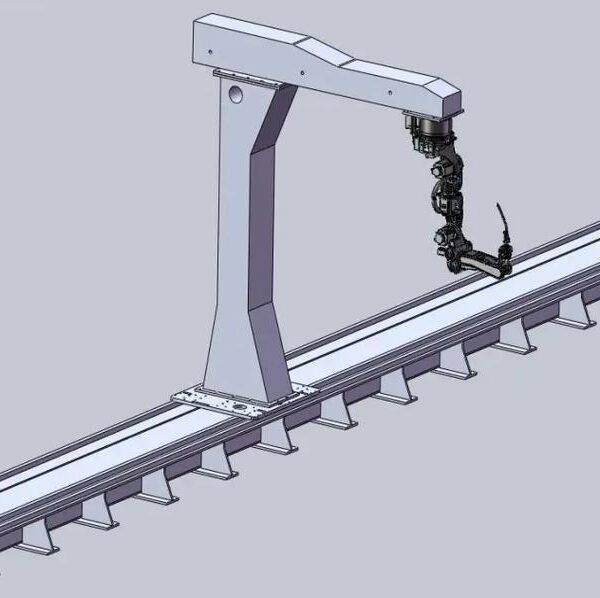
Cantilever Welding Robot solution
-
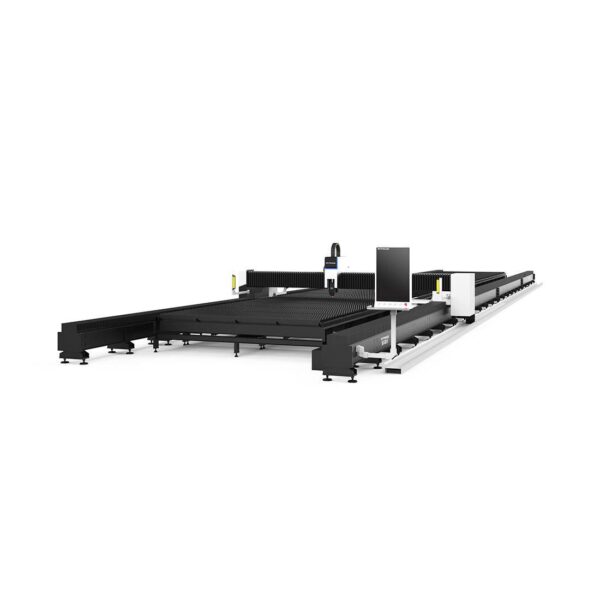
GF laser cutting machine
-
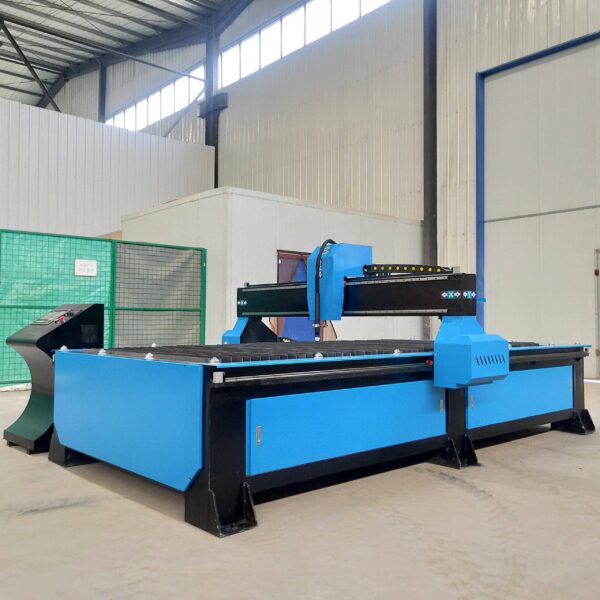
P3015 plasma cutting machine
-

LFP3015 Fiber Laser Cutter
-
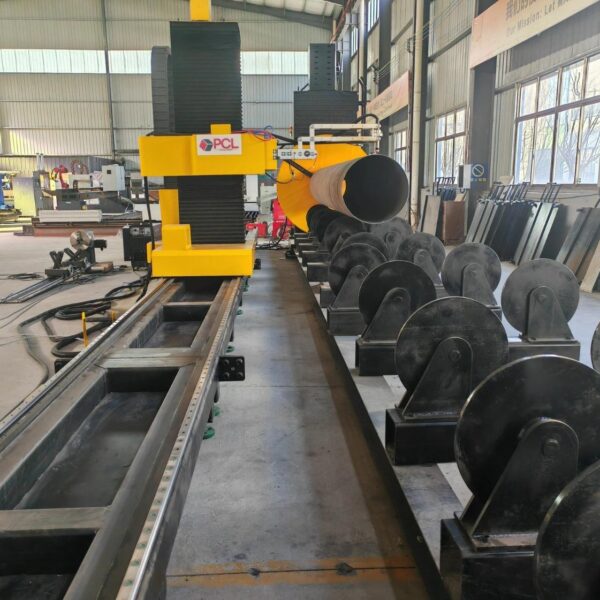
pipe plasma cutting machine
-
LFH 4020 Fiber Laser Cutting Machine
-
LFP4020
-
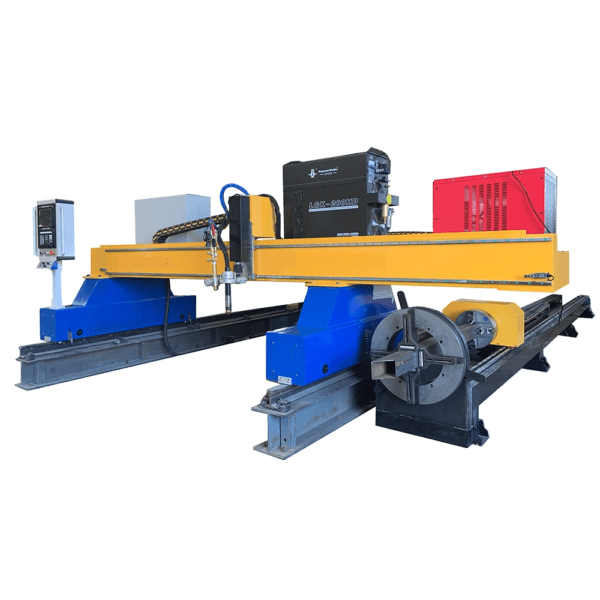
gantry plasma air cutting machine
-
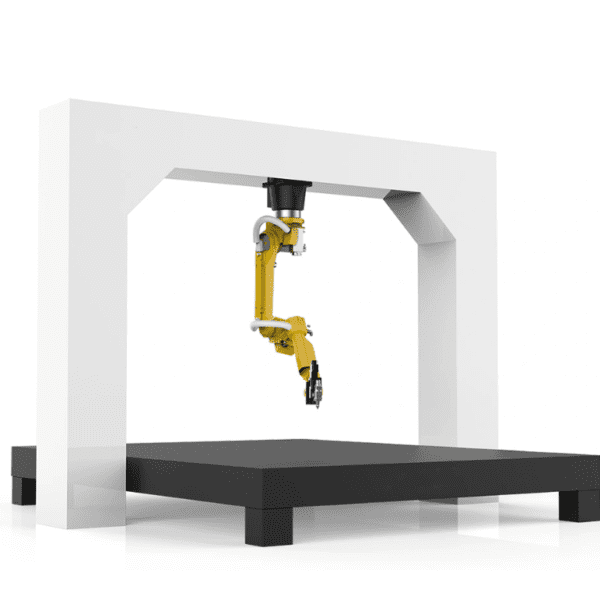
3D robot cutting machine
-
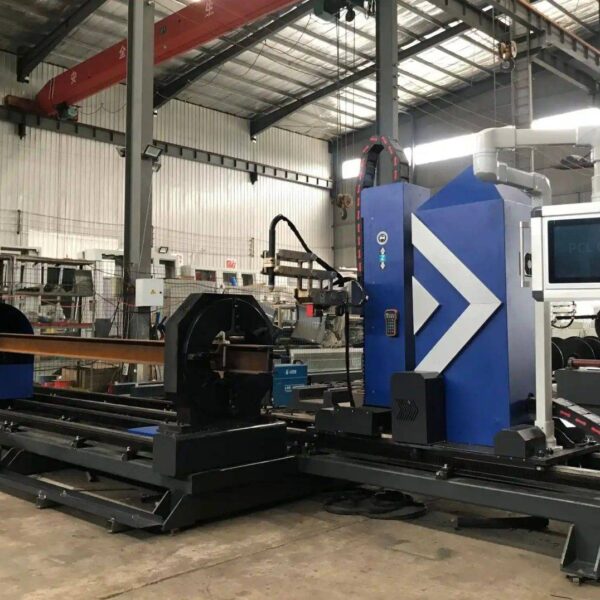
8 axis plasma cutting machine
-
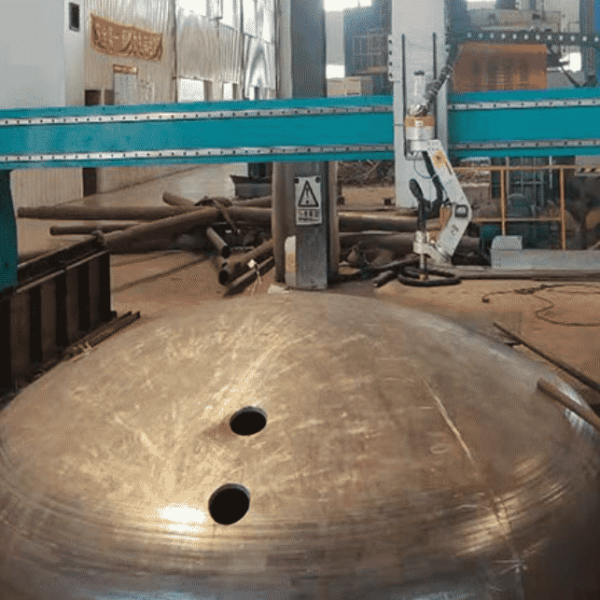
5 axis plasma cutting machine
-

LT360 tube laser cutting machine
-
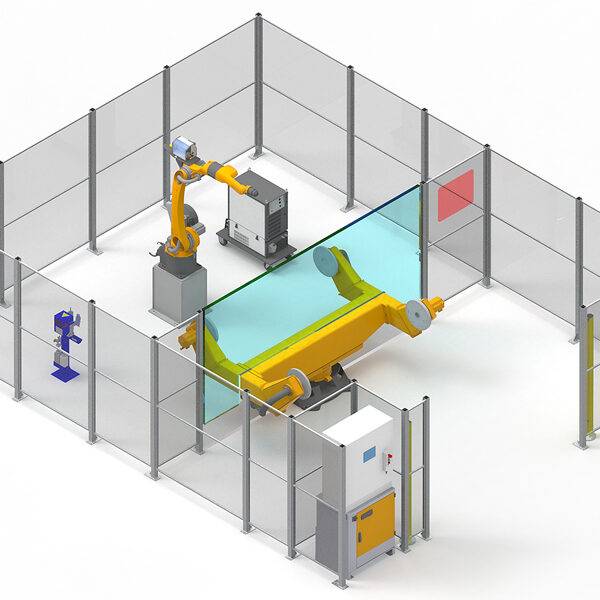
robot welding workstation
-
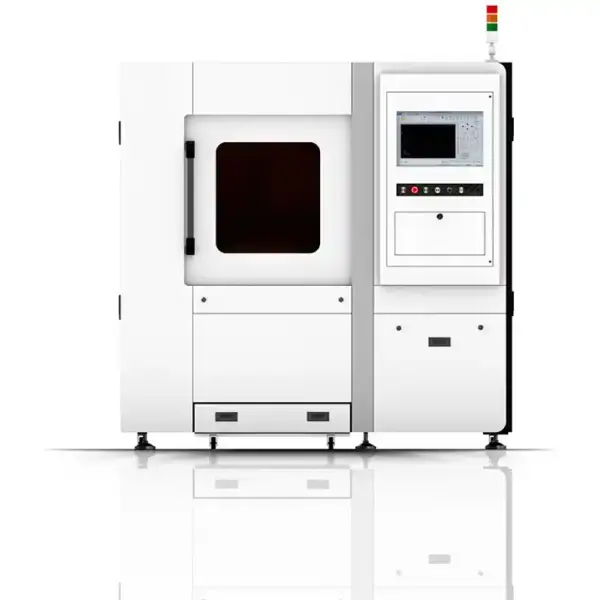
SF6060 fiber laser cutting machine
Advanced Fiber Laser Tube Processing Technology
Our CNC Fiber Laser Tube Cutting systems revolutionize metal fabrication by integrating high-precision cutting, punching, and profiling into a single automated workflow. Designed for versatility, this technology handles a wide array of profiles including Round, Square, Rectangular, and Oval tubes, as well as complex L-shaped and U-shaped channels.
- Precision Punching: High-speed hole punching with micron-level accuracy, eliminating the need for mechanical drilling or die-stamping.
- Complex Profiling: Advanced 3D pathing allows for intricate interlocking joints and specialized notch cuts, ideal for structural frames.
- High Material Efficiency: Intelligent nesting software minimizes scrap, reducing raw material costs across large production runs.
- Clean Finish: Delivers oxide-free, burr-free edges that require zero secondary grinding before welding.

Seamlessly processing multiple profiles with consistent precision.
Global Delivery & Logistics



From our high-tech manufacturing facility directly to your global site. PCL WeldCut ensures secure packaging, professional handling, and reliable international logistics to safeguard your equipment throughout the entire journey.
