Optimizing Wind Tower Fabrication via Mobile Robotic Automation
Industrial engineering in the wind energy sector demands a relentless focus on throughput and structural integrity. Traditional wind tower fabrication relies heavily on stationary sub-arc welding (SAW) gantries or manual intervention for complex geometries. However, the introduction of the Intelligent Robotic Welder equipped with a magnetic crawler chassis is redefining the shop floor workflow. These units bypass the logistical bottlenecks of moving massive tower sections to fixed welding stations, instead bringing the automation directly to the workpiece. This shift minimizes material handling time and increases the “arc-on” ratio, a critical metric for production efficiency.
The MAG Welding Process: Technical Precision in Heavy Plate
The primary welding methodology employed by these crawlers is Metal Active Gas (MAG) welding. For wind tower sections, which typically utilize S355 or higher-grade structural steel, the MAG process offers a versatile balance of penetration and deposition speed. Unlike manual processes, the robotic integration allows for precise control over the gas metal arc welding parameters, including wire feed speed, voltage, and travel speed, ensuring consistency across thousands of millimeters of weld beads.
The intelligent system utilizes advanced seam tracking—typically through through-arc sensing or tactile probes—to adjust the torch position in real-time. This is essential because the rolling process for large-diameter cans often results in minor fit-up variations. The robot compensates for these deviations, maintaining the correct root gap penetration and fill volume. By utilizing pulsed-MAG waveforms, the system reduces spatter and heat input, which preserves the metallurgical properties of the Heat Affected Zone (HAZ), a vital requirement for fatigue-prone wind turbine structures.
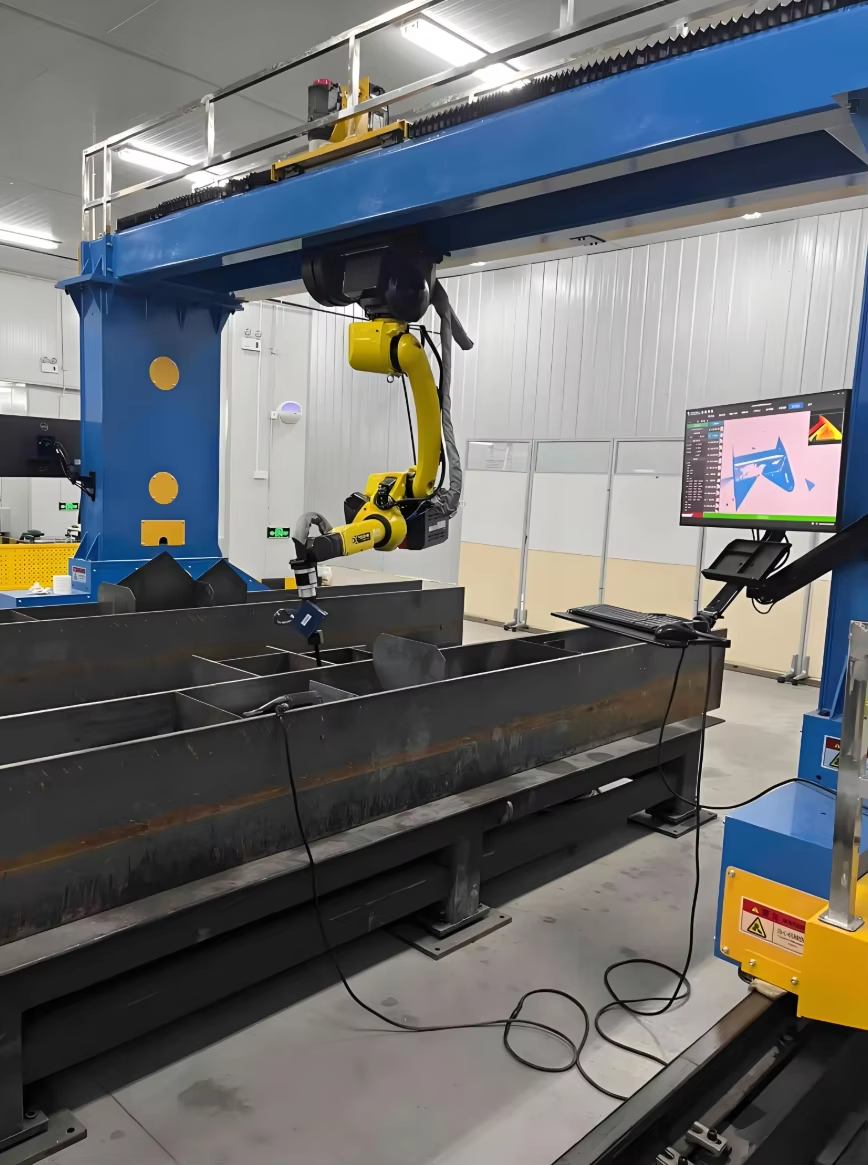
Throughput and Deposition Efficiency
The deployment of multi-pass strategies within a robotic framework ensures that thick-walled sections (often exceeding 50mm) are filled with high structural integrity. The robotic crawler can maintain a steady travel speed that far exceeds manual capability, often achieving a 20-30% increase in deposition rates. This is primarily due to the elimination of operator fatigue and the ability to use high-current parameters that would be difficult to manage manually over long durations.
Magnetic Crawler Kinematics and Operational Advantages
The mechanical advantage of a magnetic crawler lies in its high-flux permanent magnets or electromagnets, which provide the necessary adhesion to navigate the vertical and circumferential curves of a wind tower section. This adhesion allows the robot to perform “all-position” welding. From an industrial engineering perspective, this eliminates the need for expensive and space-consuming rotators for certain auxiliary welding tasks, such as door frame reinforcements or internal flange welding.
The crawler’s drive system must be synchronized with the welding power source to ensure that the weld bead geometry remains uniform. Intelligent crawlers utilize closed-loop feedback systems to monitor wheel slip and adjust torque, ensuring that even if the surface has minor scale or oil, the travel speed remains constant. This level of process control is fundamental to meeting ISO 5817 quality levels for fusion welding of steels.
Labor ROI and Economic Justification
The return on investment (ROI) for Robotic Welding in wind tower production is calculated through three primary vectors: labor scarcity mitigation, rework reduction, and consumable efficiency. The global shortage of certified high-pressure welders has driven labor costs to a premium. A single operator, who no longer needs the same level of manual dexterity but rather technical oversight skills, can manage two or three robotic crawlers simultaneously.
Cost-Benefit Breakdown
- Labor Displacement: One robot performs the work of 2.5 manual welders over a 24-hour cycle.
- Rework Reduction: Manual welding in wind towers often sees a 3-5% repair rate due to inclusions or lack of fusion. Robotic systems typically bring this under 0.5%.
- Consumable Savings: Precise control over the weld pool results in less over-welding. Reducing the “reinforcement” height of the weld to the engineering specification, rather than manual over-filling, saves tons of filler wire annually across a high-volume facility.
When factoring in the reduced need for scaffolding and crane time (since the crawler is portable), the payback period for a magnetic crawler system typically falls between 12 and 18 months, depending on the facility’s output volume.
Maintenance Protocols for High-Duty Cycle Robots
To maintain the labor ROI, a preventative maintenance (PM) schedule is non-negotiable. Robotic systems in heavy fabrication are exposed to metallic dust, heat, and electromagnetic interference. The maintenance strategy for a magnetic crawler focuses on the integrity of the drive mechanism and the welding torch consumables.
Weekly Mechanical Inspection
The magnetic wheels or tracks must be cleaned of metallic filings. Accumulation of ferritic debris can reduce adhesion force and lead to slippage. Furthermore, the gearbox seals should be inspected for leaks, as the high-heat environment near the weld arc can accelerate seal degradation.
Welding System Calibration
The MAG torch requires daily maintenance. This includes the replacement of contact tips and the application of anti-spatter compounds to the gas nozzle. Automated torch cleaning stations can be integrated, where the robot periodically docks to have the nozzle mechanically brushed and sprayed. Wire liners must also be blown out with compressed air to prevent friction buildup, which causes erratic wire feeding and arc instability.
Software and Sensor Validation
The “intelligence” of the robot relies on its sensors. Monthly calibration of the seam tracking system ensures that the robot remains centered in the joint. Software logs should be reviewed to identify any recurring “arc-out” errors, which may indicate issues with the power source grounding or wire quality.
Conclusion: The Future of Wind Tower Assembly
The integration of magnetic crawler robotic welders is not merely a localized improvement but a systemic upgrade to the wind tower production line. By focusing on the MAG process’s strengths and leveraging the mobility of crawler systems, manufacturers can achieve a level of precision and cost-efficiency that manual processes cannot match. As tower heights increase and material thicknesses grow to support larger turbines, the necessity for robotic welding will transition from a competitive advantage to a fundamental requirement for industry participation.
-
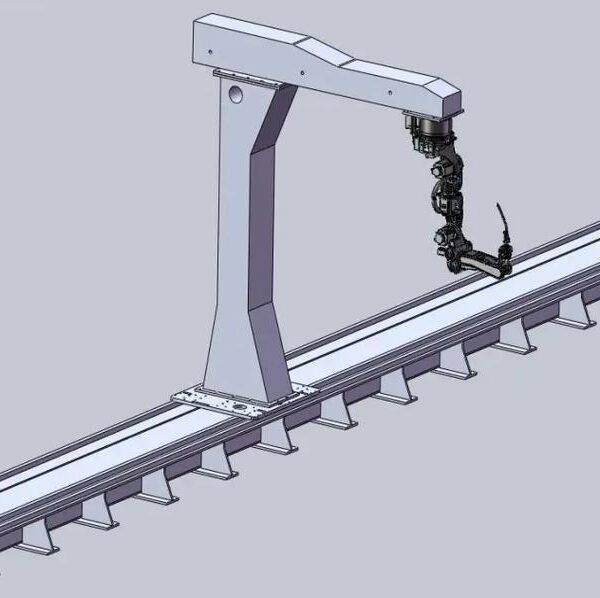

Cantilever Welding Robot solution
-
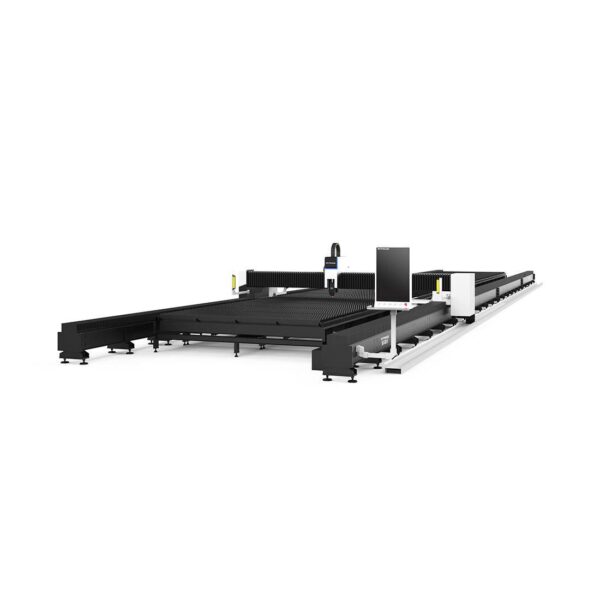

GF laser cutting machine
-
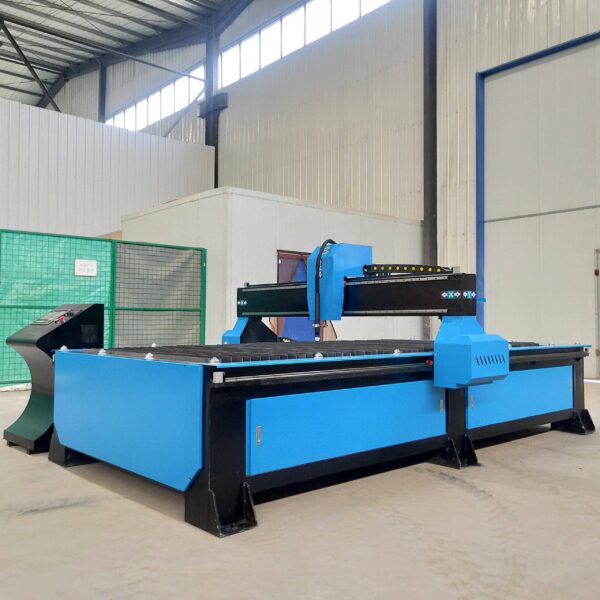
P3015 plasma cutting machine
-

LFP3015 Fiber Laser Cutter
-
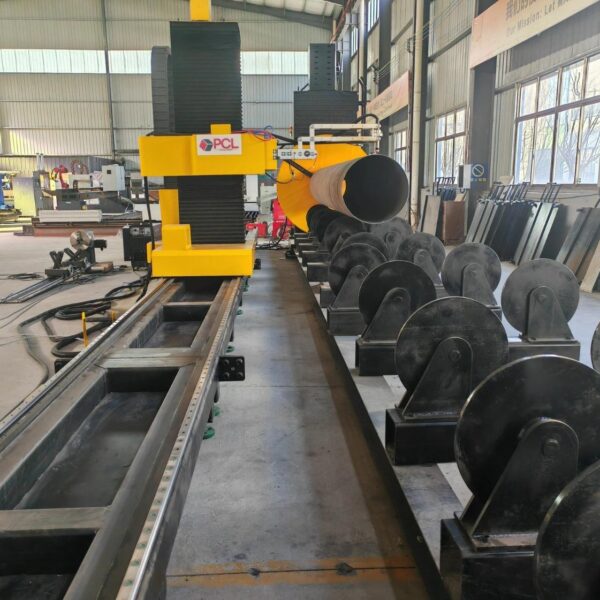
pipe plasma cutting machine
-
LFH 4020 Fiber Laser Cutting Machine
-
LFP4020
-
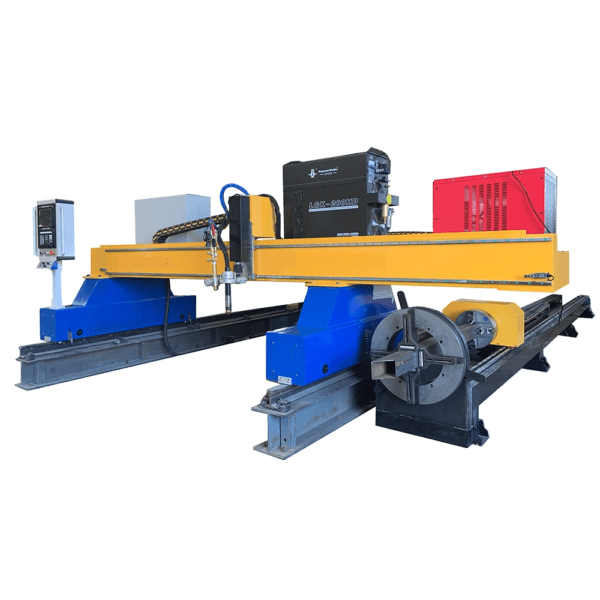
gantry plasma air cutting machine
-
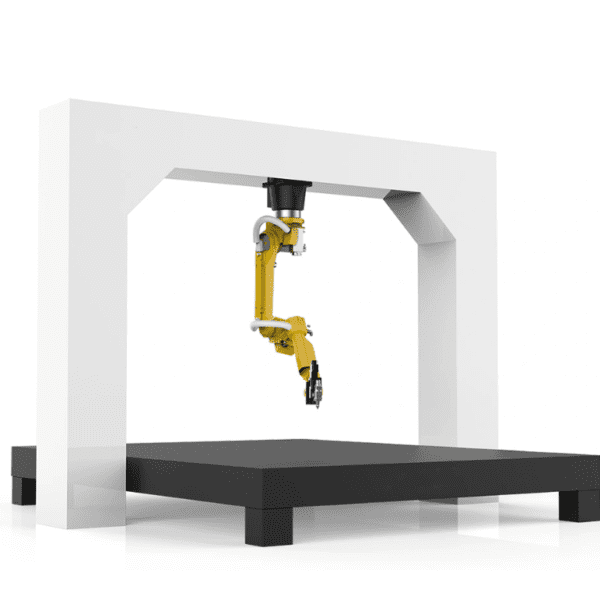
3D robot cutting machine
-
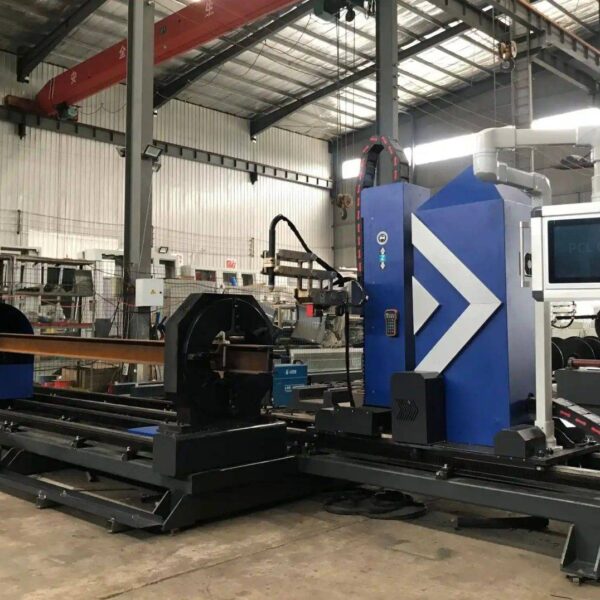
8 axis plasma cutting machine
-
5 axis plasma cutting machine
-

LT360 tube laser cutting machine
-
robot welding workstation
-
SF6060 fiber laser cutting machine
