Optimizing Wind Tower Production with Magnetic Crawler Welding Systems
The fabrication of utility-scale wind towers presents a unique set of logistical and engineering challenges. These structures, often exceeding 100 meters in height with diameters surpassing 4 meters, require massive circumferential and longitudinal welds. Traditional manual welding involves extensive scaffolding, high labor costs, and inherent risks associated with working at heights. The introduction of the intelligent robotic welder equipped with a magnetic crawler chassis offers a transformative solution. This system eliminates the need for fixed tracks, allowing the robot to adhere directly to the steel surface of the tower sections while delivering high-precision robotic MAG welding.
Technical Integration of the Magnetic Crawler Mechanism
The core of this robotic system is the magnetic drive assembly. Unlike traditional gantry systems, the crawler utilizes high-strength permanent magnets or electromagnets to generate sufficient adhesion force to counteract gravity. For industrial engineers, the primary concern is the stability of the welding torch relative to the seam. The crawler must maintain a constant speed and distance from the workpiece, regardless of the tower’s curvature.
Modern crawlers employ four-wheel or continuous track drives with high-torque servo motors. These motors provide the synchronized motion control necessary for multi-pass welding. By integrating encoders and inertial measurement units (IMUs), the robot can compensate for surface irregularities, ensuring that the welding travel speed remains constant, which is critical for maintaining consistent heat input and bead geometry.
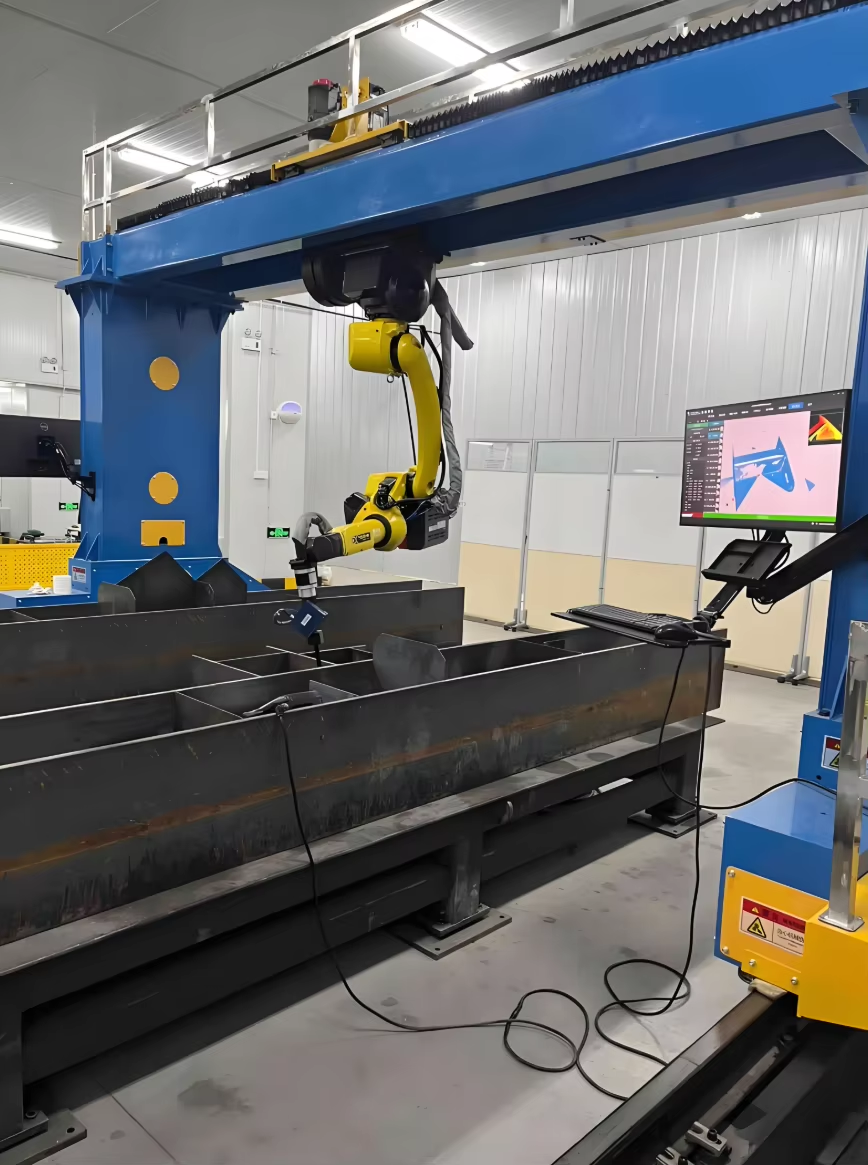
Advanced MAG Welding Parameters for Heavy Plate Fabrication
The Metal Active Gas (MAG) process is the preferred method for wind tower fabrication due to its high deposition rates and suitability for thick-section carbon steel. To achieve the structural integrity required for wind energy applications, the robotic system must manage multi-pass welding sequences. This involves an initial root pass followed by several fill and cap passes.
Engineers must optimize the wire feed speed and voltage to minimize spatter and maximize penetration. Using 1.2mm or 1.6mm solid or flux-cored wires, the robotic system can achieve deposition rates far exceeding manual capabilities. Furthermore, the integration of seam tracking technology—using either through-arc sensing or laser-based vision sensors (purely for guidance)—allows the robot to adjust the torch position in real-time. This compensates for slight fit-up variations in the tower rings, ensuring the weld metal volume is perfectly distributed within the joint.
Managing Heat Input and Material Integrity
In wind tower construction, excessive heat input can lead to grain growth and reduced toughness in the heat-affected zone (HAZ). The intelligent robotic system utilizes sophisticated software to monitor the interpass temperature. By communicating with the power source, the robot can adjust parameters on-the-fly or pause the operation to allow for cooling. This level of control ensures that the metallurgical properties of the S355 or S420 structural steel are preserved, meeting stringent ISO and AWS standards for fatigue resistance.
Maintenance Protocols for Robotic Welding Crawlers
To ensure a high Mean Time Between Failures (MTBF), a rigorous preventative maintenance schedule is mandatory. The harsh environment of a fabrication shop—filled with metallic dust and grinding debris—can be detrimental to the crawler’s magnetic tracks and internal electronics.
Daily and Weekly Maintenance Tasks
Daily inspections should focus on the welding torch consumables, including the contact tip, gas nozzle, and diffuser. Spatter buildup can disrupt the shielding gas flow, leading to porosity. Weekly, the magnetic drive wheels must be cleaned to remove accumulated ferrous particles that can interfere with surface adhesion. Additionally, the wire liner should be checked for friction; any resistance in the wire delivery system will cause fluctuations in the arc, compromising the weld quality.
Long-term Reliability Engineering
On a quarterly basis, the servo motor calibrations and sensor alignments must be verified. For the magnetic crawler, the integrity of the magnetic flux must be tested to ensure the safety of the unit when operating in a vertical or overhead orientation. Consistent predictive maintenance utilizing data logs from the robot’s controller can identify wear patterns in the drive gears before they lead to a catastrophic failure or downtime on the production line.
Labor ROI and Economic Impact Analysis
The financial justification for adopting automated welding systems in wind tower fabrication is primarily driven by labor productivity and quality yields. Manual welding of a single tower girth seam can take several days and requires multiple highly skilled welders working in shifts.
By implementing a magnetic crawler, the operator-to-output ratio is significantly improved. A single technician can oversee two or even three robotic units simultaneously. This transition shifts the labor requirement from manual “arc-time” to “system supervision.”
Quantifying the Return on Investment
When calculating the Return on Investment (ROI), several key performance indicators (KPIs) must be considered:
1. Arc-on Time Increase: Manual welders typically achieve a 20-30% duty cycle due to fatigue and setup. Robotic crawlers can reach a 70-85% duty cycle.
2. Consumable Efficiency: Automated systems reduce weld wire waste by precisely controlling the start and stop sequences and optimizing the bead profile to avoid over-welding.
3. Reduction in Repair Rates: Manual welds often suffer from defects like slag inclusions or lack of fusion due to human error. Robotics provide repeatable precision, dropping repair rates from 5-8% to less than 1%.
4. Safety and Scaffolding Costs: Eliminating the need for complex internal and external scaffolding for welders reduces both material costs and the Lost Time Injury (LTI) frequency.
In a typical high-volume wind tower facility, the payback period for an intelligent magnetic crawler system is often between 12 and 18 months. This calculation accounts for the initial capital expenditure (CAPEX), software licensing, and personnel training, offset by the drastic reduction in cost-per-meter of weld and increased throughput of the shop floor.
Future-Proofing the Fabrication Line
The scalability of magnetic crawler technology allows for modular production. As tower heights increase and wall thicknesses grow to support larger turbines, these robots can be updated with more powerful MAG power sources or modified to handle heavier payloads without requiring a complete redesign of the factory floor. By investing in intelligent welding automation, manufacturers ensure they can meet the increasing global demand for wind energy infrastructure while maintaining the highest levels of operational efficiency and structural reliability.
-
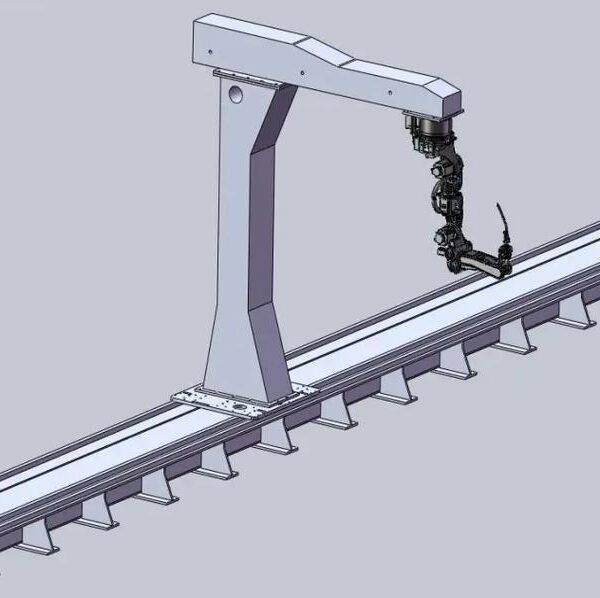

Cantilever Welding Robot solution
-
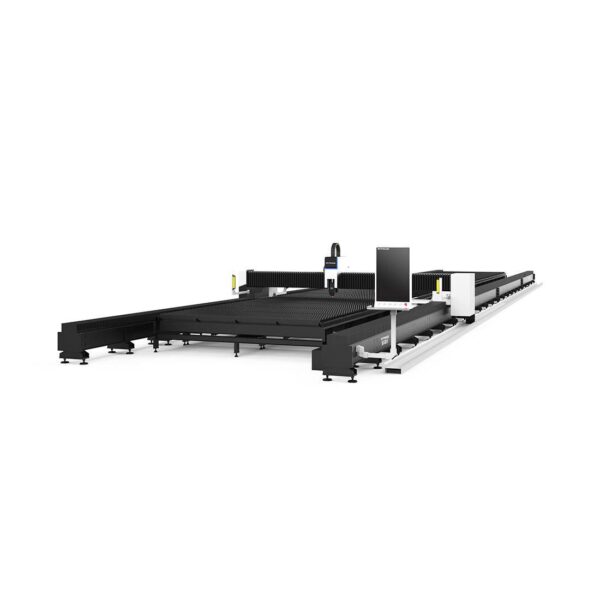

GF laser cutting machine
-
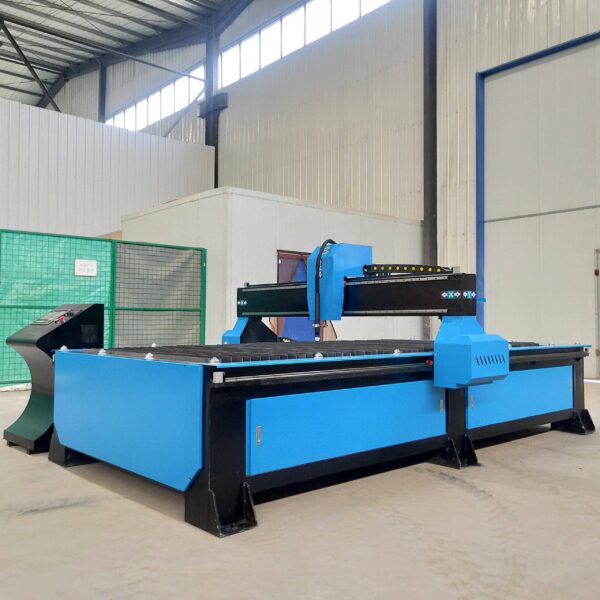
P3015 plasma cutting machine
-

LFP3015 Fiber Laser Cutter
-
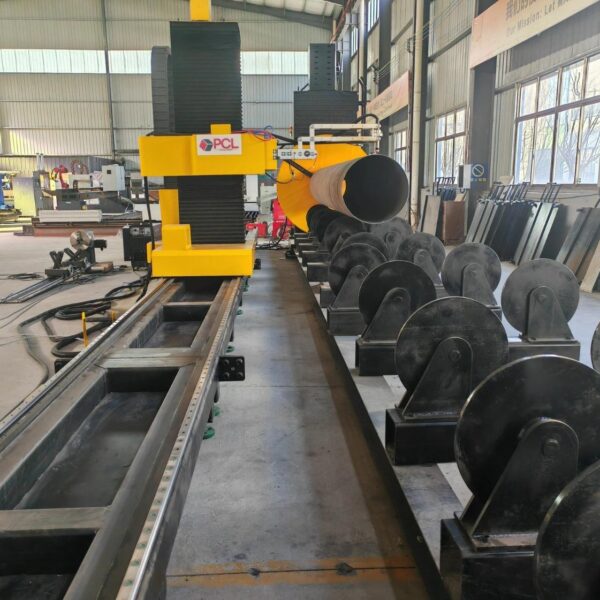
pipe plasma cutting machine
-
LFH 4020 Fiber Laser Cutting Machine
-
LFP4020
-
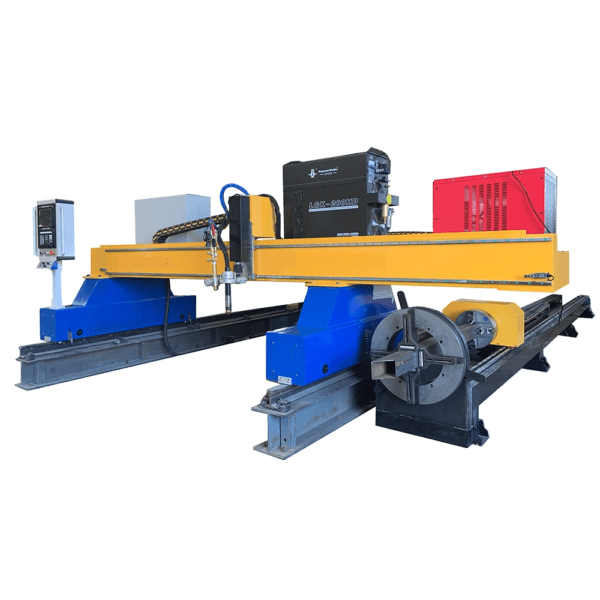
gantry plasma air cutting machine
-
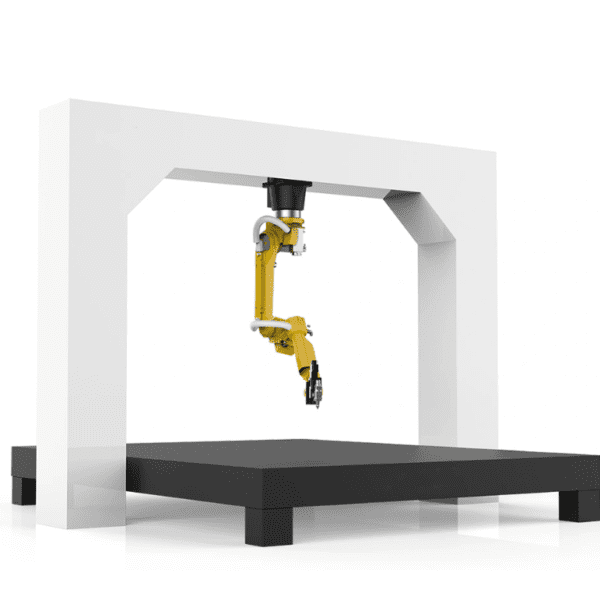
3D robot cutting machine
-
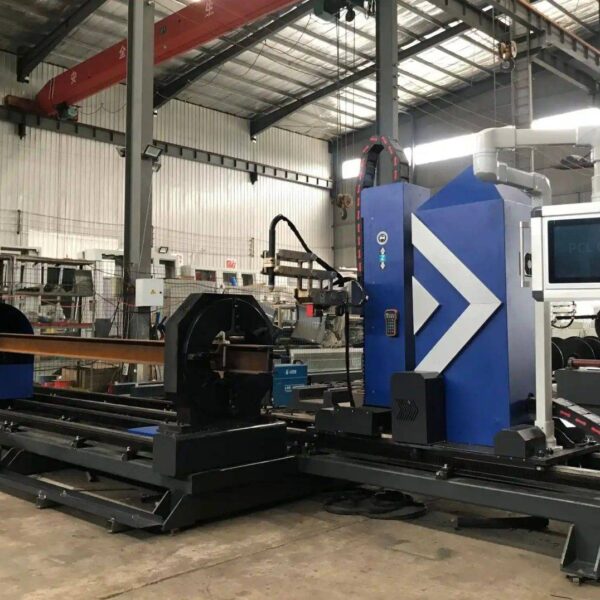
8 axis plasma cutting machine
-
5 axis plasma cutting machine
-

LT360 tube laser cutting machine
-
robot welding workstation
-
SF6060 fiber laser cutting machine
