Technical Integration of Magnetic Crawlers in Heavy-Duty Fabrication
The fabrication of wind tower segments presents unique geometric and logistical challenges. These structures, often exceeding four meters in diameter with wall thicknesses ranging from 20mm to 50mm, require continuous, high-integrity longitudinal and circumferential welds. Traditional manual welding in these environments involves significant ergonomic strain and intermittent duty cycles. The introduction of an Intelligent Robotic Welder mounted on a magnetic crawler platform addresses these limitations by providing a mobile, high-stability base for the welding torch.
The Magnetic Crawler utilizes high-flux permanent magnets or switchable electromagnets to adhere to the curved steel surface of the tower. This adhesion must be sufficient to support the weight of the robotic arm, the wire feeder, and the cable harness while maintaining precise traction. From an engineering perspective, the crawler’s drive system must compensate for gravity-induced drift, especially during circumferential “up-hill” or “down-hill” welding paths. By utilizing four-wheel independent drive systems and high-torque stepper motors, the crawler achieves the sub-millimeter positional accuracy required for multi-pass MAG welding.
Optimizing the MAG Welding Process for Wind Towers
Metal Active Gas (MAG) welding is the preferred process for Wind Tower fabrication due to its high deposition rates and the ability to utilize various shielding gas mixtures (typically Argon/CO2 blends) to control penetration and bead profile. In an automated crawler setup, the system manages the wire feed speed, voltage, and travel speed in real-time to ensure optimal heat input.

One of the primary advantages of the robotic system is its ability to handle thick-plate joinery through multi-pass strategies. The robot’s controller stores specific weld procedures (WPS) for each layer—from the root pass, which requires deep penetration and precise gap bridging, to the final cap pass, which demands aesthetic uniformity and minimal undercut. The intelligent system monitors the arc characteristics, adjusting the stick-out distance and torch angle to maintain a stable plasma column despite slight variations in joint fit-up.
Adaptive Seam Tracking and Sensory Feedback
Structural steel components of this scale are rarely perfect. Thermal distortion and machining tolerances can lead to variations in the weld groove. To counter this, the intelligent crawler is equipped with laser-based seam tracking or through-arc sensing. These sensors scan the groove geometry several millimeters ahead of the arc, feeding data back to the motion controller.
If the sensor detects a narrowing of the V-groove or a slight deviation in the centerline, the robot automatically adjusts its weave width and oscillation frequency. This level of autonomy ensures that the weld volume consistently fills the joint without the need for manual intervention or post-weld grinding. The integration of these sensors transforms the crawler from a simple motorized tractor into a truly responsive robotic unit capable of maintaining ISO 5817 quality standards in real-world factory conditions.
Maintenance Protocols for High-Uptime Operations
To maximize the return on investment, the maintenance of the robotic crawler must be proactive rather than reactive. The harsh environment of a welding shop—characterized by metallic dust, spatter, and high electromagnetic interference—necessitates a rigorous service schedule.
The MAG torch assembly is the most critical maintenance point. Automatic nozzle cleaning stations should be utilized to remove spatter build-up every few cycles. Furthermore, the contact tip, which facilitates the electrical transfer to the welding wire, must be inspected for “keyholing” or wear that could lead to arc instability. On the crawler itself, the magnetic wheels must be cleaned to prevent the accumulation of ferrous debris, which can compromise traction and surface finish.
The wire delivery system also requires attention. Constant tension must be maintained in the conduit to prevent “bird-nesting” at the drive rolls. From an industrial engineering standpoint, implementing a digital twin or a predictive maintenance log allows the facility to track the hours of operation for motors and sensors, scheduling replacements during planned downtime to avoid costly mid-shift failures during a tower’s longitudinal seam weld.
Economic Impact and Labor ROI
The transition to a robotic magnetic crawler is driven by the labor ROI and the need to mitigate the global shortage of skilled high-pressure welders. When calculating the return on investment, several factors beyond simple hourly wage replacement must be considered.
First is the “Arc-on Time” or duty cycle. A manual welder typically achieves a 20% to 30% duty cycle due to the need for repositioning, breaks, and fatigue management. A robotic crawler, conversely, can maintain an 80% duty cycle, stopping only for wire spool changes or inter-pass cleaning. This effectively triples the throughput of a single welding station.
Second is the reduction in “Repair Rates.” In wind tower fabrication, a single defect found via ultrasonic testing can cost thousands of dollars to gouge out and re-weld. The robotic system’s ability to provide repeatable, data-logged weld parameters reduces the defect rate to near zero. When factored over hundreds of tower segments per year, the savings in rework labor and materials often pay for the robotic system within 12 to 18 months.
Workforce Shift and Safety Enhancements
Automating the welding process does not eliminate the need for human expertise; rather, it shifts the role of the welder to that of a “Robotic System Operator.” This technician oversees multiple crawlers, monitors live data feeds, and performs quality audits. This shift significantly reduces the operator’s exposure to hazardous welding fumes, ultraviolet radiation, and the ergonomic risks of working in confined or elevated spaces.
By removing the human from the immediate vicinity of the arc, the facility can also implement higher-productivity parameters (higher currents and travel speeds) that would be too intense for manual operation. This synergy between human oversight and robotic execution represents the current zenith of industrial efficiency in heavy steel sectors.
Strategic Conclusion on Automated Welding
The deployment of an intelligent robotic welder with a magnetic crawler is a strategic necessity for modern wind tower production lines. By focusing on the robust application of MAG welding, maintaining strict preventive maintenance schedules, and capitalizing on the significant labor ROI provided by increased duty cycles, manufacturers can secure a competitive advantage. The ability to produce high-quality, defect-free welds at scale ensures that the growing demands of the global renewable energy infrastructure can be met with precision and economic viability.
-
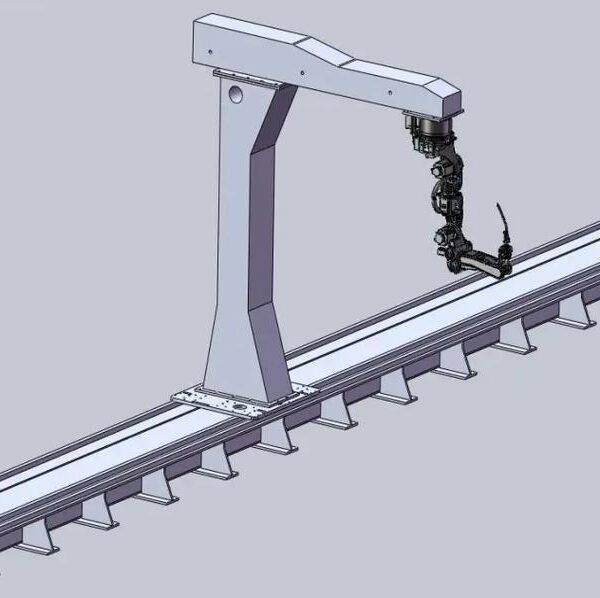

Cantilever Welding Robot solution
-
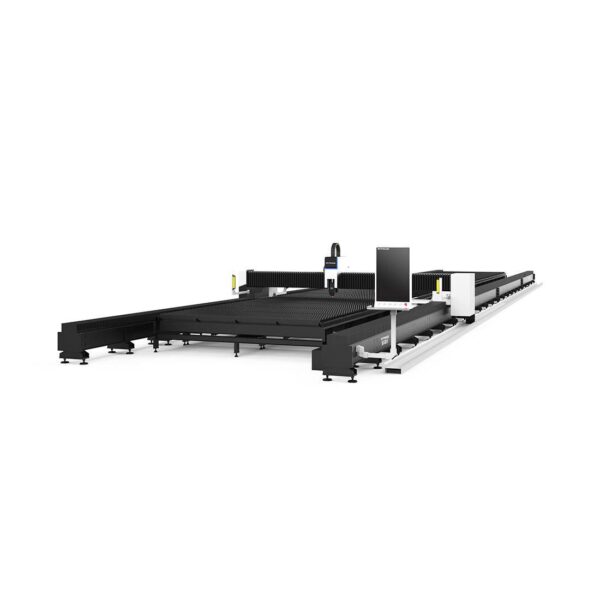

GF laser cutting machine
-
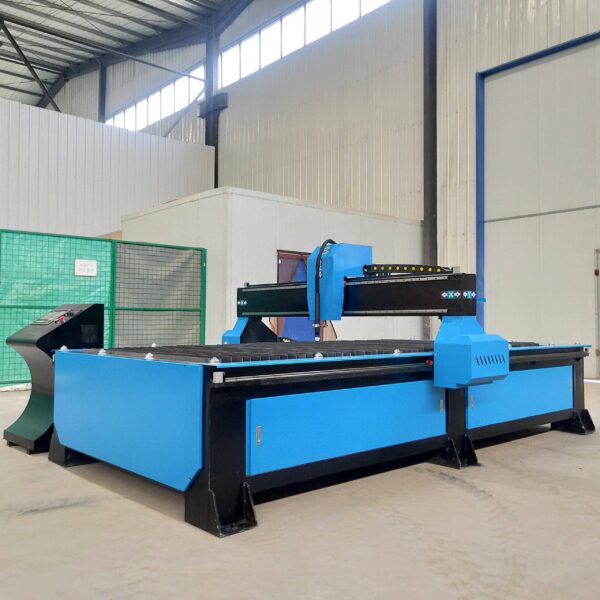
P3015 plasma cutting machine
-

LFP3015 Fiber Laser Cutter
-
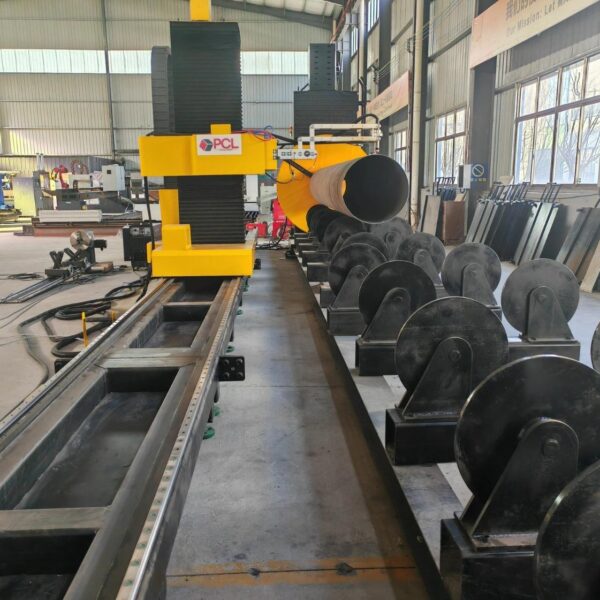
pipe plasma cutting machine
-
LFH 4020 Fiber Laser Cutting Machine
-
LFP4020
-
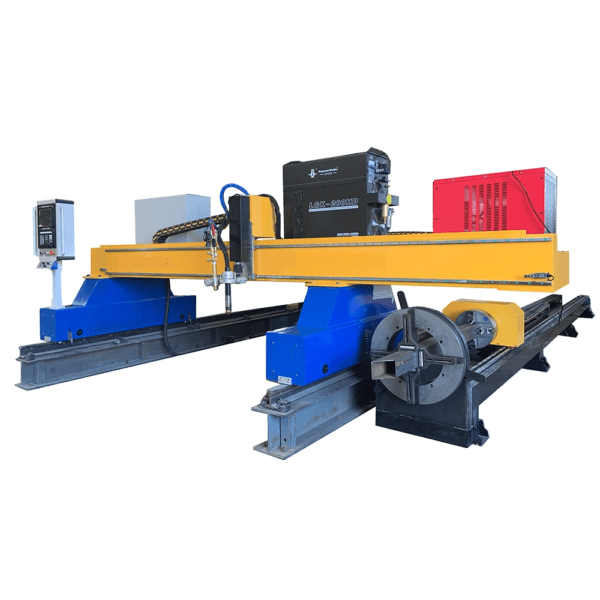
gantry plasma air cutting machine
-
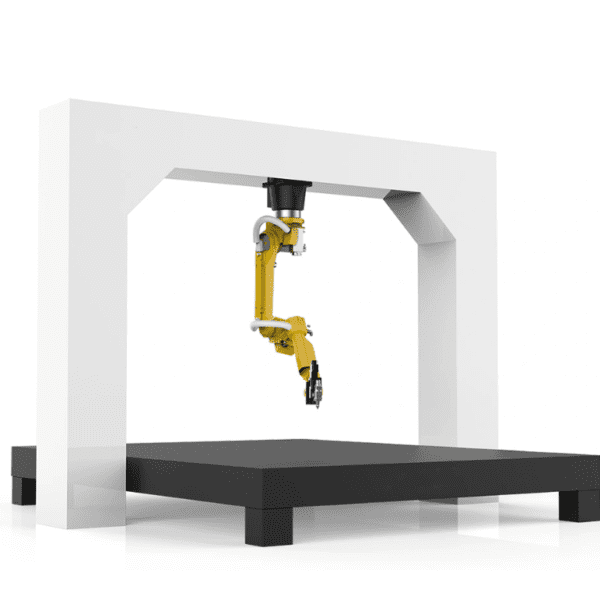
3D robot cutting machine
-
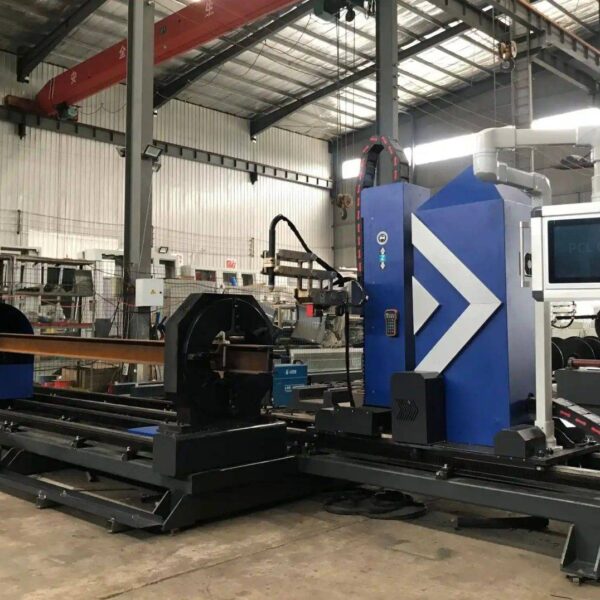
8 axis plasma cutting machine
-
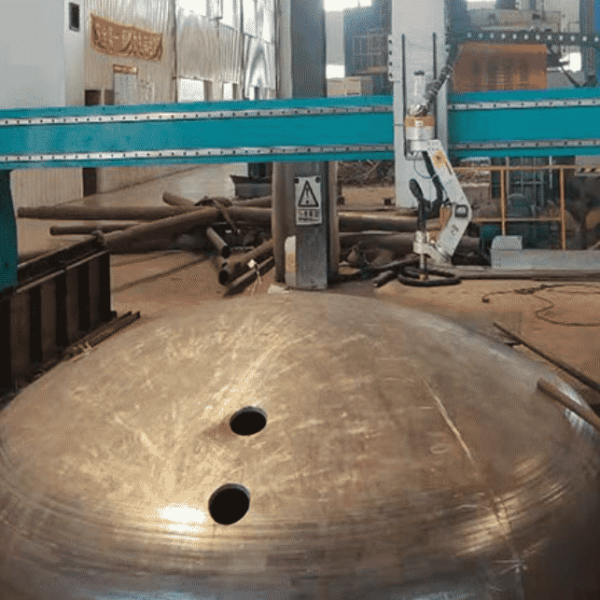
5 axis plasma cutting machine
-

LT360 tube laser cutting machine
-
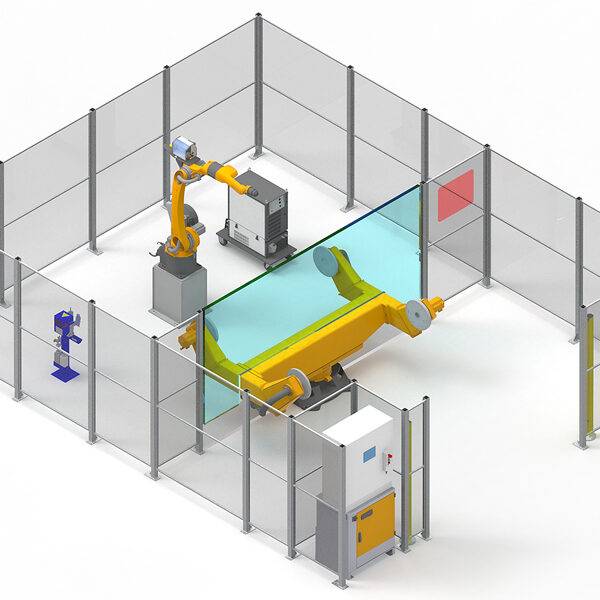
robot welding workstation
-
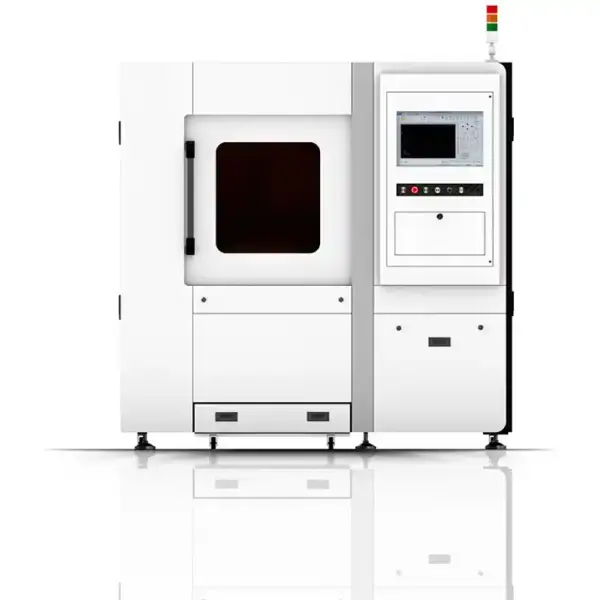
SF6060 fiber laser cutting machine
