Technical Framework of Magnetic Crawler Robotic Welding
In the current landscape of structural steel fabrication, the shift from manual labor to automated systems is driven by the need for precision and safety. The Magnetic Crawler welder represents a significant leap in this domain. Unlike stationary robotic arms that require the workpiece to be positioned within a specific reach, a magnetic crawler traverses the structure itself. This mobility is achieved through high-intensity permanent magnets or electromagnets integrated into the drive system, allowing the unit to maintain adhesion to vertical and overhead steel surfaces.
For industrial engineers, the primary objective is to maximize the “arc-on” time. Manual welding often sees a duty cycle of 20% to 30% due to fatigue, repositioning, and environmental constraints. An intelligent crawler system can push this metric toward 70% or higher. The integration of Automated Seam Tracking via laser-based vision sensors or through-the-arc sensing (TASC) ensures that the torch remains centered in the joint, compensating for thermal distortion or minor fit-up inaccuracies that are inherent in large-scale steel construction.
Optimization of the MAG Welding Process
The core functionality of these robots centers on MAG Welding (Metal Active Gas). In structural applications, this typically involves a mixture of Argon and CO2 to stabilize the arc and control spatter. The intelligent crawler regulates travel speed, wire feed rate, and voltage in real-time. To achieve deep penetration in thick-plate steel, the system must maintain a precise contact-to-work distance (CTWD).
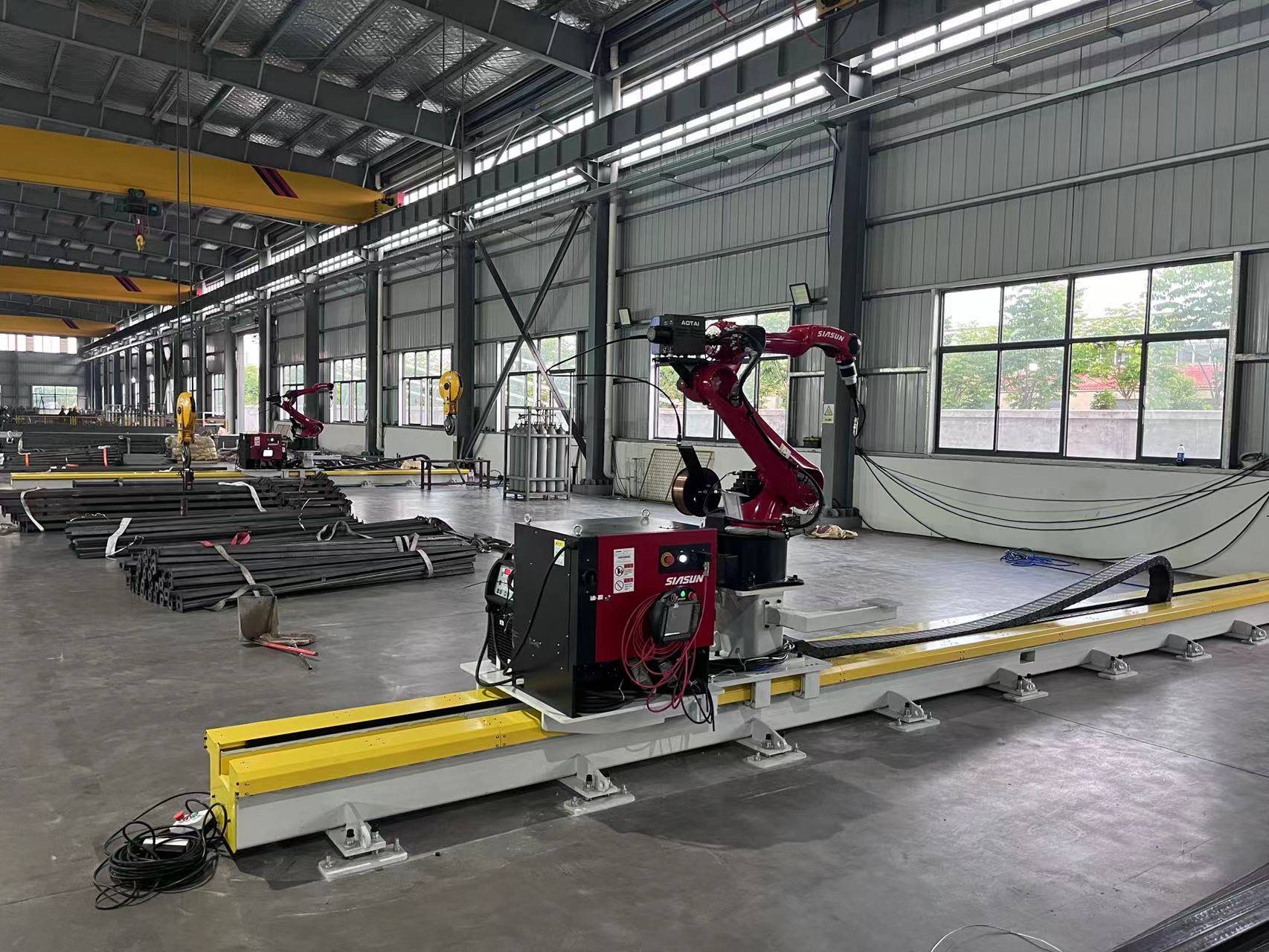
Engineers must configure the robot for specific transfer modes:
1. Short-circuit transfer for thinner sections to minimize heat input.
2. Spray transfer for high-deposition rates on heavy structural beams.
3. Pulsed-spray transfer to control the weld pool in vertical-up positions.
By digitizing the welding procedure specification (WPS), the robotic system ensures that every centimeter of the weld bead meets the required mechanical properties. This level of consistency is nearly impossible to maintain manually over an eight-hour shift, particularly when working on bridge girders or ship hulls where the geometry is repetitive yet demanding.
Quantifying Labor ROI and Operational Efficiency
From an industrial management perspective, the Return on Investment for a magnetic crawler welder is calculated through labor cost displacement and defect reduction. In a traditional setup, a large steel structure requires multiple skilled welders, scaffolding, and significant downtime for movement. The crawler eliminates the need for extensive scaffolding, as the robot “climbs” to the work area.
Direct Labor Savings
While the initial capital expenditure (CAPEX) for a robotic crawler is high, the reduction in man-hours per ton of steel is substantial. If a manual welder produces 3-4 meters of high-quality weld per hour, a robotic crawler can often double this output while simultaneously reducing the reject rate. In many structural steel environments, the cost of repairing a single weld defect (grinding, re-welding, and re-testing) can be five times the cost of the original weld. By achieving a 99% first-pass yield, the robot significantly impacts the bottom line.
Indirect Cost Mitigation
The use of robots also reduces the Long-Term Disability (LTD) risk and insurance premiums associated with welding fumes, ultraviolet radiation exposure, and falls from heights. These “soft” costs are often overlooked but are critical in a comprehensive Industrial ROI Analysis. When the robot handles the “dirty, dangerous, and dull” aspects of the job, the human workforce transitions into “Robot Technicians,” a role that is easier to recruit for in a tightening labor market.
Maintenance Protocols for Robotic Welding Systems
To ensure the longevity of the magnetic crawler and the welding power source, a strict preventive maintenance (PM) schedule must be enforced. Unlike stationary factory robots, crawlers are exposed to grinding dust, weld spatter, and varying temperatures, which can degrade sensitive components.
Drive System and Adhesion Maintenance
The magnetic wheels or tracks must be inspected daily for the accumulation of metallic debris. Fine steel particles can bridge the gap between the magnet and the surface, reducing the “pull-off” force and risking a fall. Engineers should monitor the motor torque of the crawler; an increase in baseline torque often indicates bearing wear or gear misalignment within the drive train.
Welding Torch and Consumables Management
The Welding Maintenance cycle is largely dictated by the consumption of contact tips and liners. Automated nozzle cleaning stations should be utilized to remove spatter buildup, which can interfere with gas flow and lead to porosity.
Key maintenance check-points include:
1. Wire Feed Rolls: Must be checked for tension and groove wear to prevent wire slipping.
2. Liner Integrity: Accumulated dust inside the torch cable can cause erratic wire feeding, leading to arc instability.
3. Grounding Connections: Because the robot moves, ensuring a consistent electrical ground is vital to prevent arc blow or damage to the robot’s onboard electronics.
Sensor Integration and Data-Driven Quality Control
The modern magnetic crawler is not merely a motorized tractor; it is an edge-computing device. By utilizing Real-time Data Logging, industrial engineers can track the parameters of every weld performed. This data is essential for “Industry 4.0” compliance and provides a digital birth certificate for the steel structure. If a failure occurs in the field years later, the manufacturer can trace back the exact voltage, current, and travel speed used during the fabrication of that specific joint.
Furthermore, advanced crawlers utilize thermal cameras to monitor the interpass temperature. In structural steel welding, maintaining the temperature within a specific range is crucial to prevent the formation of brittle phases in the heat-affected zone (HAZ). If the temperature exceeds the limit, the robot can be programmed to pause or adjust its travel speed, ensuring the metallurgical integrity of the structure without human intervention.
Conclusion: The Path Forward for Steel Fabrication
The adoption of an Intelligent Robotic Welder with a magnetic crawler is no longer a luxury for steel fabricators; it is a strategic necessity. By focusing on the Automation of MAG Welding, companies can overcome the twin challenges of labor shortages and increasing quality standards. The ability to deploy a robot directly onto a large workpiece reduces setup time and maximizes the deposition of weld metal. While the maintenance requirements are specialized, the resulting increase in throughput and decrease in rework provide a clear and rapid path to Profitability and ROI. As sensor technology continues to evolve, these robotic systems will become even more autonomous, further cementing their role as the backbone of modern industrial steel construction.
-
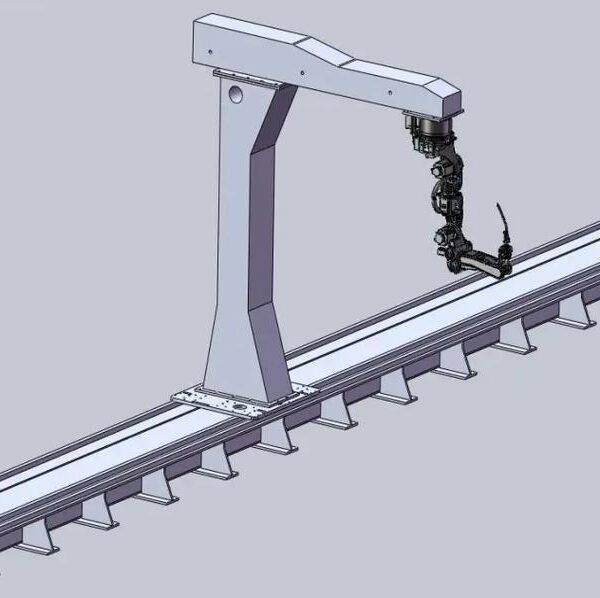

Cantilever Welding Robot solution
-
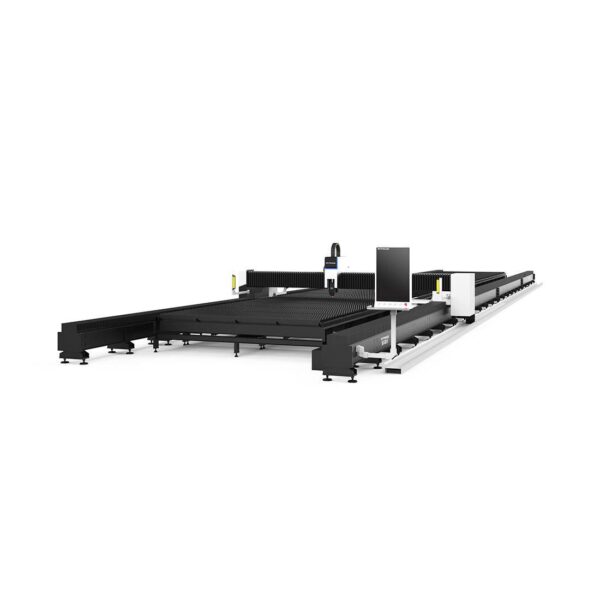

GF laser cutting machine
-
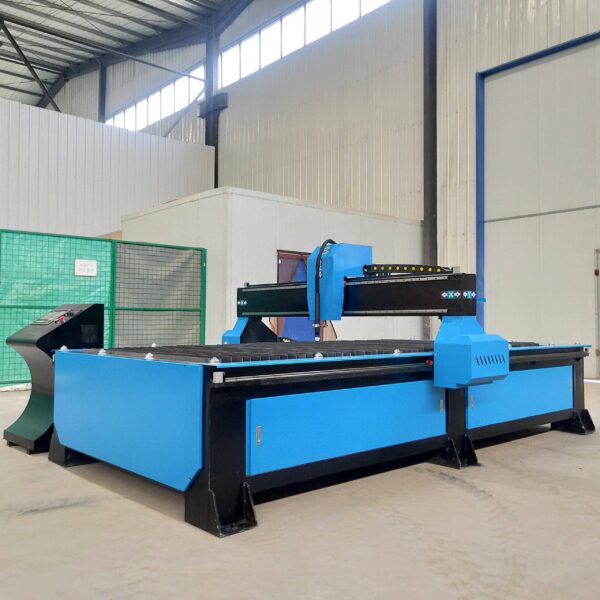
P3015 plasma cutting machine
-

LFP3015 Fiber Laser Cutter
-

pipe plasma cutting machine
-
LFH 4020 Fiber Laser Cutting Machine
-
LFP4020
-
gantry plasma air cutting machine
-
3D robot cutting machine
-
8 axis plasma cutting machine
-
5 axis plasma cutting machine
-

LT360 tube laser cutting machine
-
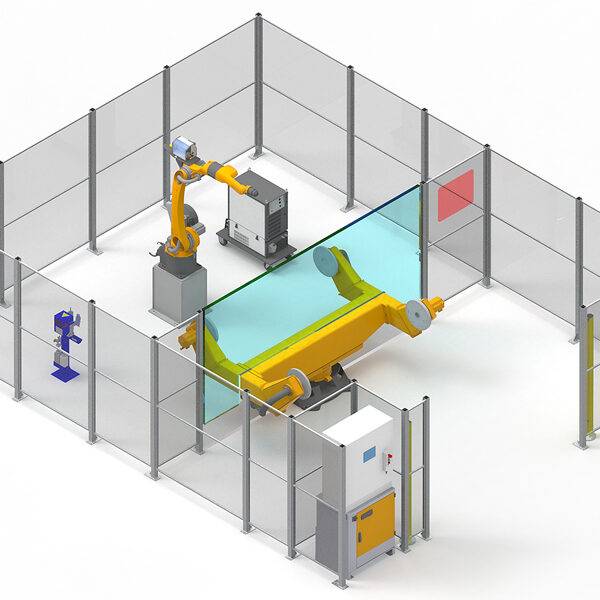
robot welding workstation
-
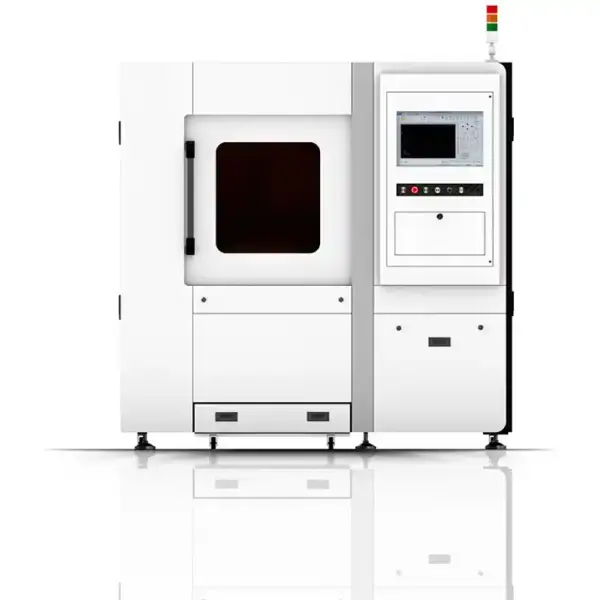
SF6060 fiber laser cutting machine
