Integrating Magnetic Crawler Systems in Ship Hull Fabrication
Shipbuilding remains one of the most demanding environments for structural assembly, characterized by massive steel plates and long-run weldments. Traditional manual welding in these environments faces significant hurdles, including ergonomic constraints, welder fatigue, and inconsistent penetration in vertical-up or overhead positions. The magnetic crawler welding system addresses these challenges by providing a mobile, stabilized platform capable of traversing curved hull sections while maintaining precise torch orientation.
The core of the system is the crawler chassis, which utilizes high-intensity neodymium permanent magnets or switchable electromagnets. This allows the robot to adhere to ferromagnetic surfaces with sufficient force to carry the weight of the MAG torch, wire feeder, and umbilical cables. Unlike fixed-track systems, the crawler provides the flexibility to follow the complex geometry of a vessel’s exterior without the need for time-consuming setup of guide rails. This adaptability is critical in modern shipyards where modular construction and rapid throughput are prioritized.
Advanced MAG Welding Parameters for Robotic Systems
The primary process utilized by these crawlers is Metal Active Gas (MAG) welding, often using flux-cored or solid wire. In a robotic configuration, the stability of the arc is governed by sophisticated control algorithms that synchronize the crawler’s travel speed with the wire feed rate. Because the robot does not experience fatigue, it can maintain a consistent stick-out distance and torch angle, which are the two most variable factors in manual welding.
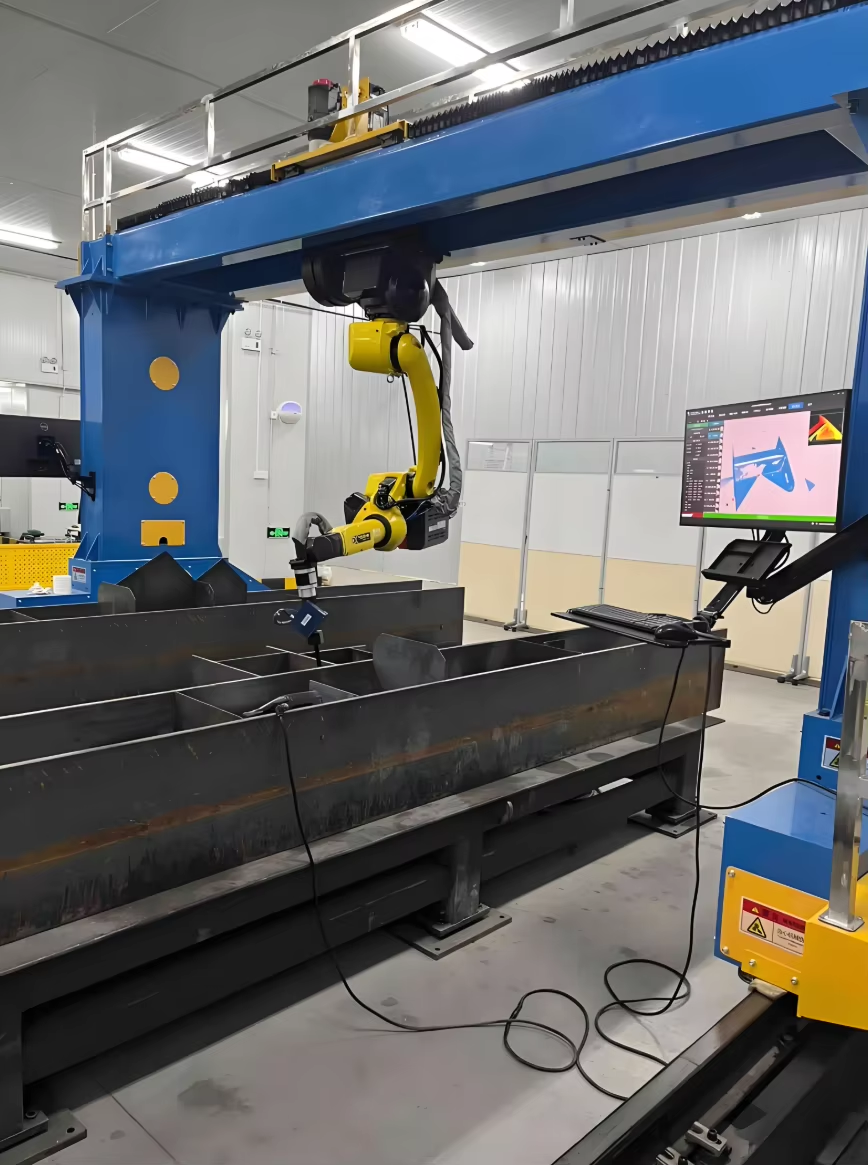
Engineers must calibrate the MAG power source for “pulsed-arc” or “spray-transfer” modes depending on the plate thickness. For vertical hull seams, the robot employs a weaving pattern programmed to ensure proper side-wall fusion. The MAG welding automation software integrates real-time feedback from the power source, adjusting parameters instantaneously to compensate for minor fluctuations in the joint gap. This level of precision results in a weld bead that requires minimal post-weld grinding, directly impacting the downstream production timeline.
Intelligent Seam Tracking and Sensor Integration
An Intelligent Robotic Welder is only as effective as its sensing capabilities. In shipbuilding, thermal expansion and tack-welding misalignments mean that a pre-programmed path is rarely sufficient. Robotic crawlers utilize through-the-arc sensing (TASC) or laser-based vision sensors to detect the actual center of the weld joint. Through-the-arc sensing monitors the electrical characteristics of the arc; as the torch weaves, changes in current indicate the proximity to the groove walls, allowing the robot to adjust its trajectory in real-time.
This “closed-loop” control system ensures that even on a 20-meter vertical seam, the weld remains centered. For the industrial engineer, this reduces the “repair rate”—the percentage of welds that fail radiographic or ultrasonic testing. In manual operations, repair rates can fluctuate between 5% and 15% depending on welder skill. An automated crawler can consistently achieve repair rates below 1%, drastically reducing the costs associated with gouging out and re-welding defective sections.
Maintenance Protocols for Robotic Welding Crawlers
The maritime environment is inherently hostile to precision machinery. Salt spray, metallic dust, and high heat from the MAG process necessitate a rigorous maintenance schedule. Robotic welding maintenance is divided into three categories: consumables, mechanical drive systems, and magnetic adhesion integrity.
The MAG torch assembly requires daily inspection. Spatter buildup on the gas nozzle can disrupt the shielding gas flow, leading to porosity. Automatic nozzle cleaning stations or anti-spatter injection systems are often integrated into the crawler’s workflow. Mechanically, the crawler’s drive tracks or wheels must be checked for the accumulation of ferromagnetic debris. Because the robot is magnetic, it naturally attracts steel grindings and shot-blast media, which can foul the gears or reduce the effective magnetic pull-force. Daily cleaning of the magnetic interface is a non-negotiable requirement for operational safety.
Electrical and Umbilical Management
The umbilical cord, which carries the welding power, shielding gas, wire, and control signals, is a common point of failure. In shipbuilding, these cables often drag across abrasive steel edges. Maintenance teams must perform weekly continuity tests and visual inspections for jacket breaches. Furthermore, the wire feed unit mounted on or near the crawler must be calibrated to ensure there is no slippage in the rollers, which would lead to arc instability. A proactive maintenance stance ensures that the robot’s Mean Time Between Failures (MTBF) remains high, maximizing the shipyard’s capital investment.
Economic Analysis: Labor ROI and Duty Cycle Efficiency
The transition from manual to robotic welding is primarily driven by the industrial welding ROI calculation. The most significant factor is the “arc-on time,” or duty cycle. A manual welder in a shipyard typically achieves a 20% to 30% duty cycle, as much of their time is spent repositioning, changing electrodes, cleaning slag, or taking breaks from the heat and fumes. In contrast, a magnetic crawler robot can maintain an arc-on time of 70% to 85%.
Consider a standard shipyard shift. A manual welder might complete 5 to 7 meters of high-quality vertical MAG welding per day. A single operator supervising two robotic crawlers can oversee the completion of 20 to 30 meters in the same period. While the initial capital expenditure (CAPEX) for a robotic crawler is high—ranging from $80,000 to $150,000 per unit—the reduction in man-hours per vessel is profound. In most high-cost labor markets, the payback period for these systems is achieved within 12 to 18 months of active operation.
Skill Shift and Labor Utilization
Implementing robotics does not necessarily eliminate the need for welders; rather, it shifts the labor requirement from “manual execution” to “process management.” The welder becomes a robotic technician, responsible for setting parameters and ensuring the system operates within its design envelope. This shift reduces the physical toll on the workforce, leading to lower turnover rates and fewer worker compensation claims related to respiratory issues or musculoskeletal strain. From an industrial engineering perspective, the predictability of robotic output allows for more accurate project scheduling and resource allocation, which is vital for meeting tight delivery windows in commercial shipbuilding.
Conclusion: The Future of Automated Ship Assembly
The deployment of intelligent magnetic crawlers for MAG welding represents a paradigm shift in heavy industrial fabrication. By decoupling the welding process from the physical limitations of the human operator, shipyards can achieve levels of consistency and throughput that were previously impossible. The combination of magnetic mobility, real-time seam tracking, and high-deposition MAG processes creates a robust solution for the challenges of modern hull construction. As the industry moves toward more data-driven manufacturing, the role of these robotic systems will only expand, cementing their place as the backbone of efficient shipyard operations.
-
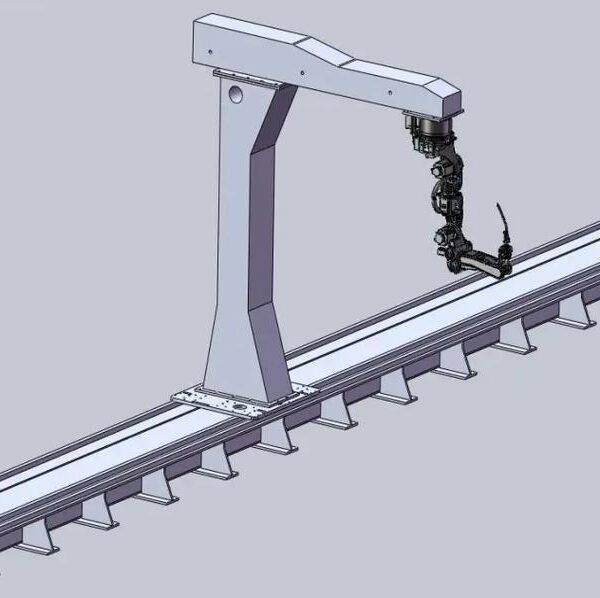

Cantilever Welding Robot solution
-
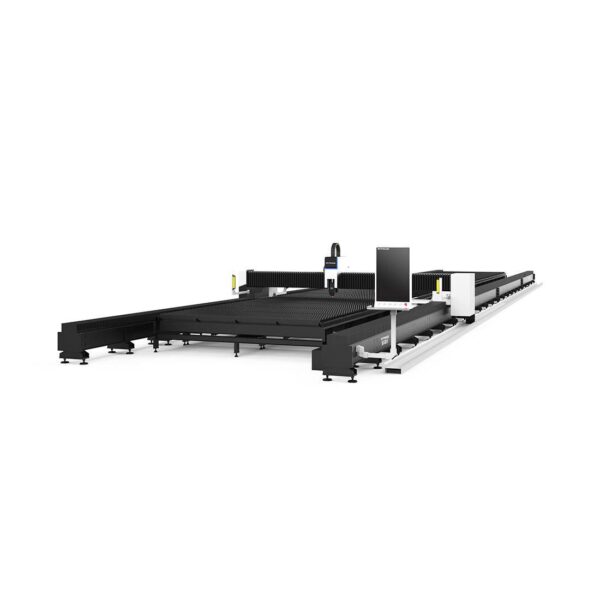

GF laser cutting machine
-
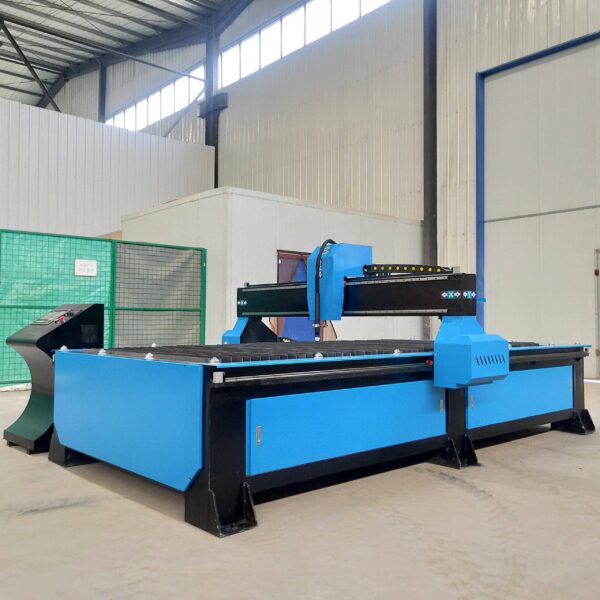
P3015 plasma cutting machine
-

LFP3015 Fiber Laser Cutter
-
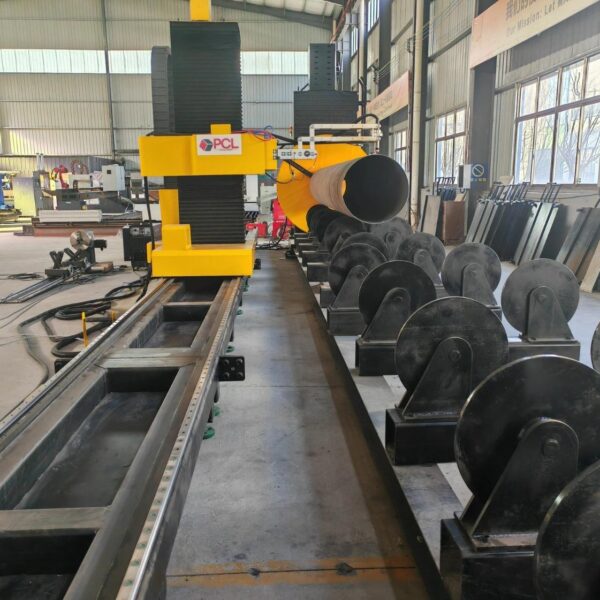
pipe plasma cutting machine
-
LFH 4020 Fiber Laser Cutting Machine
-
LFP4020
-
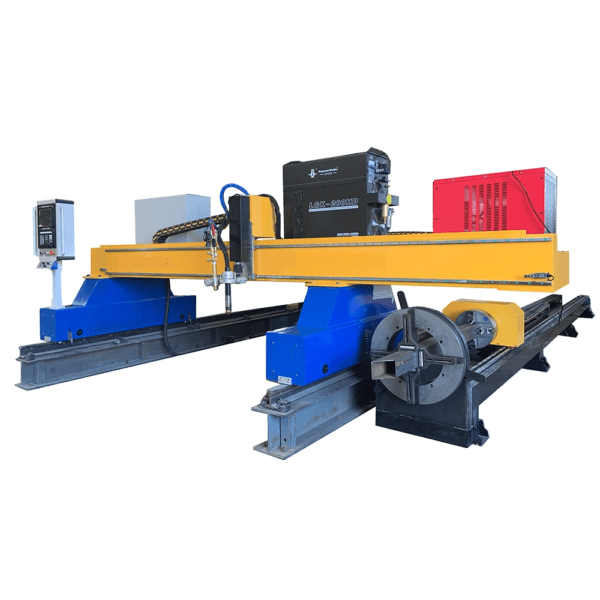
gantry plasma air cutting machine
-
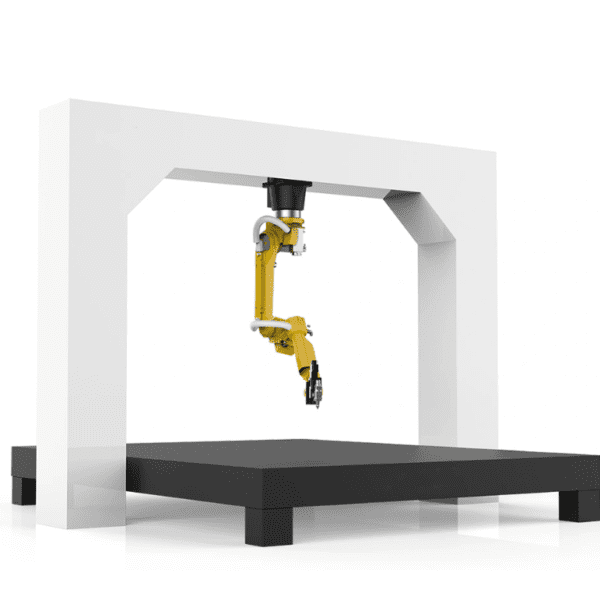
3D robot cutting machine
-
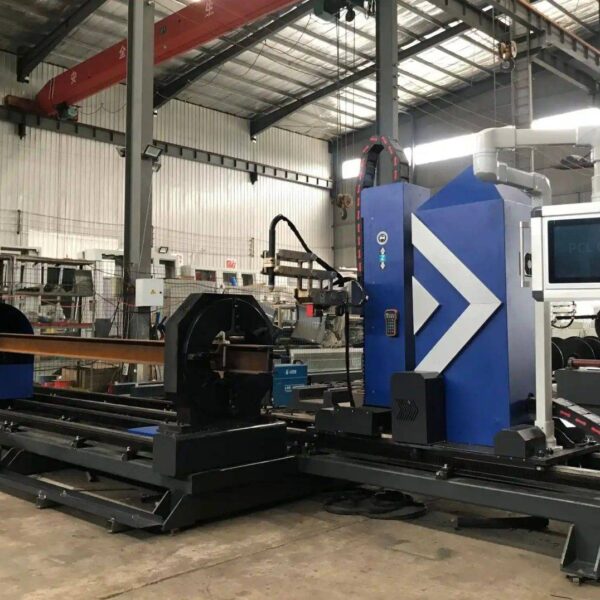
8 axis plasma cutting machine
-
5 axis plasma cutting machine
-

LT360 tube laser cutting machine
-
robot welding workstation
-

SF6060 fiber laser cutting machine
