Optimizing Shipyard Throughput via Magnetic Crawler Integration
In the heavy fabrication environment of a shipyard, the primary bottleneck remains the welding of large-scale structural components, specifically long seams on vertical hull plates and overhead deck sections. Traditional manual welding is restricted by human ergonomics and the physical limitations of maintaining consistent travel speeds in difficult positions. The introduction of an intelligent magnetic crawler welding system represents a fundamental shift in industrial engineering strategy. These units utilize high-flux permanent magnets or electromagnets to adhere to ferromagnetic surfaces, allowing the automated torch to traverse vertical and inverted planes with precision.
The Kinematics of Magnetic Adhesion and Mobility
The core of the robotic welder is its drive system. To maintain a constant contact force against gravity, the crawler utilizes neodymium-iron-boron (NdFeB) magnet arrays. These arrays are calculated to provide a safety factor of at least 3:1 against the weight of the crawler, the wire feeder, and the umbilical cables. From an engineering perspective, the traction control must account for surface irregularities such as mill scale or primer thickness. By employing a differential drive or a synchronized four-wheel drive system, the crawler can execute precise steering corrections to follow curved hull geometries. This mobility is essential for maintaining the torch-to-workpiece distance, which directly impacts the electrical stick-out and arc stability in the MAG process.
Advanced MAG Process Parameters in Robotic Applications
The Metal Active Gas (MAG) process is the preferred method for MAG welding automation in shipbuilding due to its high deposition rates compared to Shielded Metal Arc Welding (SMAW). When integrated into a magnetic crawler, the MAG system utilizes a mixture of Argon and CO2 to stabilize the arc while ensuring deep penetration into 15mm to 40mm thick steel plates.
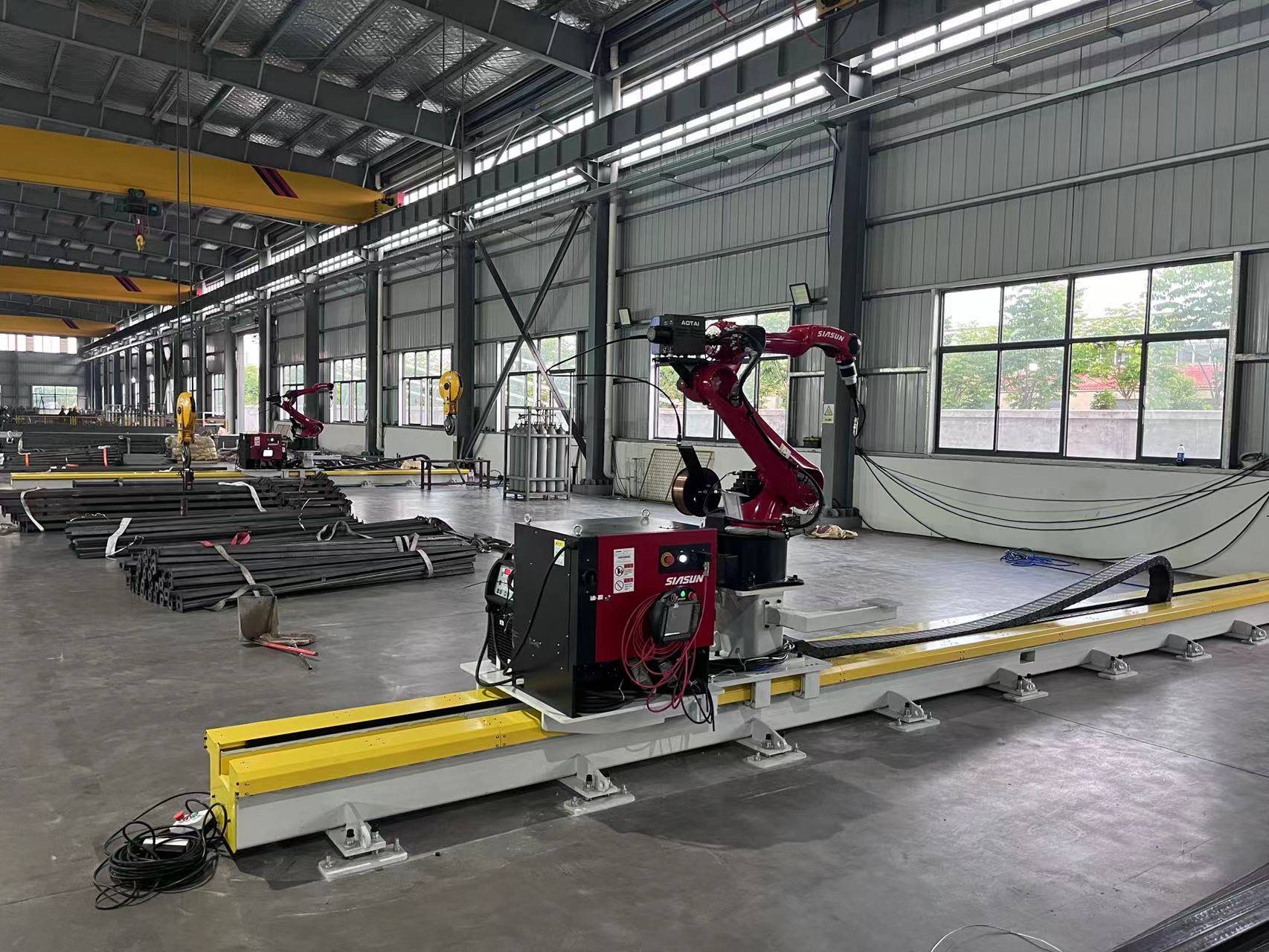
Unlike manual operators, the robotic system can utilize pulsed-spray transfer modes consistently. This reduces spatter and optimizes the droplet detachment frequency, which is critical when welding in the 3G (vertical-up) or 4G (overhead) positions. The industrial engineer must calibrate the travel speed (typically 250-450 mm/min) against the wire feed speed to ensure the heat input remains within the qualified Welding Procedure Specification (WPS) limits. Excessive heat input can degrade the Heat Affected Zone (HAZ) of high-tensile marine steels, while insufficient heat leads to lack of fusion.
Sensor Fusion and Real-Time Seam Tracking
Intelligent crawlers are equipped with “Through-Arc Seam Tracking” (TAST) or tactile sensors to compensate for fit-up deviations. In shipbuilding, large blocks often have gap variances due to thermal distortion or assembly tolerances. The robotic system monitors arc current fluctuations; as the torch oscillates across the joint, changes in the stick-out distance result in current variations. The control logic processes these signals to adjust the crawler’s lateral position in real-time. This level of autonomy ensures that the weld bead is perfectly centered in the groove, significantly reducing the probability of volumetric defects such as slag inclusions or porosity.
Maintenance Protocols for High-Duty Cycle Operations
To maintain the shipbuilding productivity gains promised by automation, a rigorous preventive maintenance (PM) schedule must be enforced. Unlike stationary robotic cells, magnetic crawlers operate in harsh, dusty, and often damp environments.
Drive and Adhesion Maintenance
The magnetic wheels or tracks must be inspected daily for the accumulation of metallic grinding dust and spatter. Ferrous debris on the magnets can reduce the effective adhesion force or cause “crabbing” in the travel path. Cleanliness of the drive surface is paramount to prevent slippage during vertical climbs.
Wire Delivery and Torch Consumables
The wire feed liners are high-wear items. Because the crawler may be 20-30 meters away from the primary power source, the umbilical management system must prevent kinks in the liner that increase friction and cause “bird-nesting” at the drive rolls. Contact tips must be replaced based on “arc-on” hours rather than failure to ensure consistent current transfer.
Weekly System Calibration
Industrial engineers should mandate a weekly calibration of the crawler’s encoders and the power source’s voltage/amperage output. This ensures that the digital twins or pre-programmed weld paths remain accurate to the physical execution.
Quantifying the Economic Impact and Labor ROI
The primary driver for adopting magnetic crawler technology is the robotic welder ROI. In a traditional manual welding setup, the “arc-on” time—the actual time spent depositing metal—rarely exceeds 30-35% due to fatigue, repositioning, and slag removal. A robotic crawler, however, can achieve duty cycles of 75-80%.
Consider a standard 10-meter vertical butt weld on a hull section. A manual welder may require multiple stops for repositioning and ergonomic breaks, leading to potential stop-start defects. The crawler completes the seam in a single continuous pass. When calculating ROI, the following factors are analyzed:
- Direct Labor Reduction: One technician can oversee three to four crawlers simultaneously.
- Deposition Efficiency: MAG welding with a crawler reduces wire waste by 15% compared to manual SMAW or flux-core processes.
- Rework Mitigation: Automated consistency reduces the NDT (Non-Destructive Testing) failure rate from an industry average of 5-8% down to less than 1%.
Comparative Analysis of Deposition Rates
| Metric | Manual SMAW | Manual MAG | Robotic Crawler (MAG) |
|---|---|---|---|
| Duty Cycle | 25% | 35% | 80% |
| Deposition Rate (kg/hr) | 1.2 – 2.0 | 3.0 – 4.5 | 6.0 – 9.0 |
| Defect Rate | High | Moderate | Ultra-Low |
Implementation Strategy for Industrial Engineers
Successful integration requires more than just purchasing equipment. It involves a workflow redesign. The “Block Assembly” phase must be optimized to provide clear paths for the crawlers. This may include the use of temporary guide rails for non-ferrous sections or specialized cable management bridges to prevent the weight of the umbilical from pulling the crawler off-path.
Furthermore, the transition involves upskilling the existing workforce. Welders transition into “Robotic Operators,” focusing on parameter optimization and system setup rather than physical exertion. This shift not only addresses the global shortage of skilled high-position welders but also extends the career longevity of the current staff by removing them from high-risk, ergonomically taxing environments.
Conclusion: The Future of Hull Fabrication
The adoption of intelligent magnetic crawlers for MAG welding is no longer an optional innovation but a necessity for competitive shipbuilding. By focusing on mechanical reliability, precise MAG parameter control, and a data-driven approach to maintenance and ROI, shipyards can significantly compress production timelines. The transition from manual-intensive labor to automated crawler systems provides a scalable solution to meet the increasing demands of global maritime infrastructure while ensuring the highest standards of structural integrity.
-
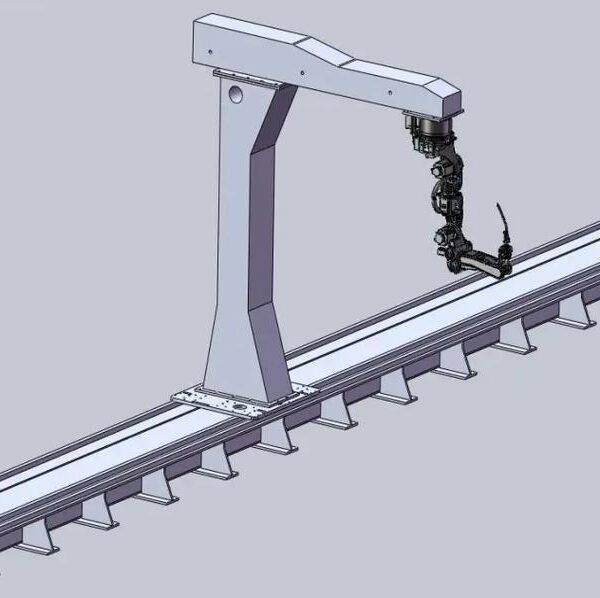

Cantilever Welding Robot solution
-

GF laser cutting machine
-
P3015 plasma cutting machine
-

LFP3015 Fiber Laser Cutter
-
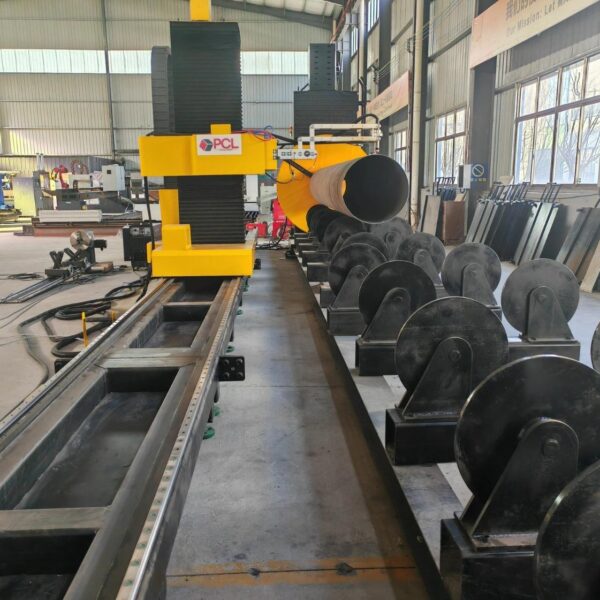
pipe plasma cutting machine
-
LFH 4020 Fiber Laser Cutting Machine
-
LFP4020
-
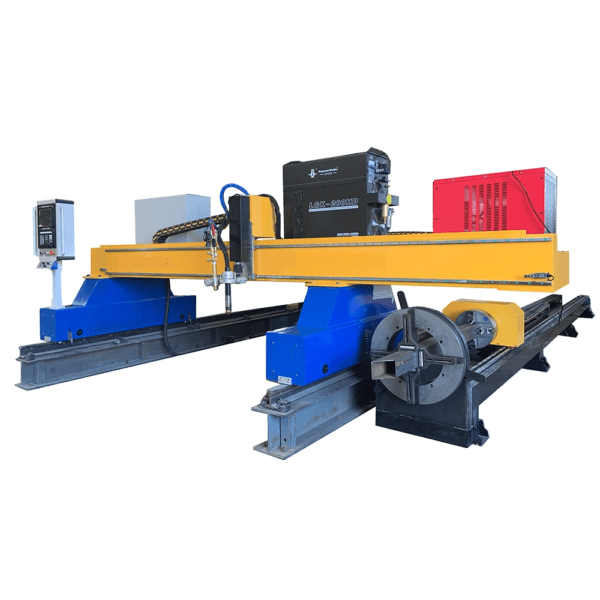
gantry plasma air cutting machine
-
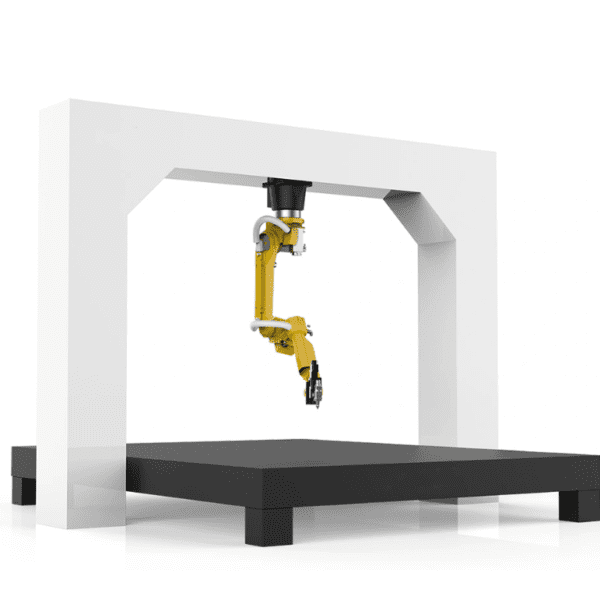
3D robot cutting machine
-
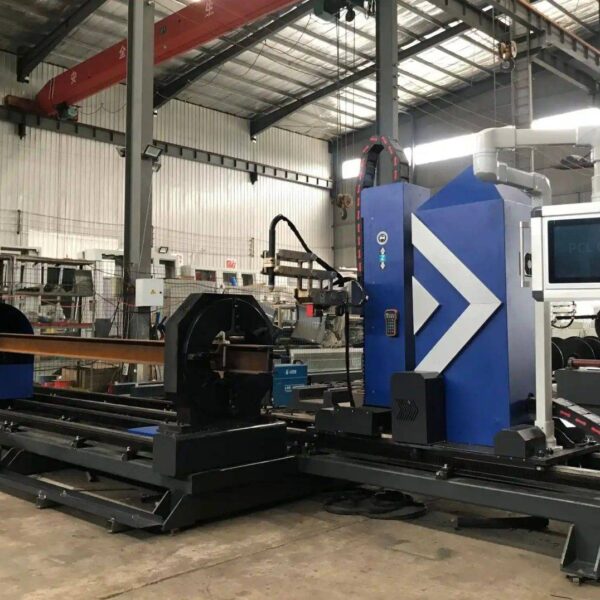
8 axis plasma cutting machine
-
5 axis plasma cutting machine
-

LT360 tube laser cutting machine
-
robot welding workstation
-

SF6060 fiber laser cutting machine
