Optimizing Heavy Fabrication with Magnetic Crawler MAG Systems
In the fabrication of construction machinery, such as excavator booms, crane chassis, and dump truck bodies, the welding of thick-plate steel represents the most significant labor bottleneck. Traditional manual welding in these environments is fraught with challenges, including ergonomic strain, inconsistent bead geometry, and high repair rates due to operator fatigue. The introduction of the Intelligent Robotic Welder with magnetic crawler technology addresses these variables by providing a stabilized, mobile platform for Metal Active Gas (MAG) welding. Unlike stationary robotic cells, these crawlers move along the workpiece, allowing for continuous welding of long-form seams without the need for complex multi-axis gantry systems.
Technical Fundamentals of MAG Welding in Construction Machinery
The choice of MAG welding for Construction Machinery is driven by the necessity for high deposition rates and deep penetration. In these applications, the process typically utilizes an 80/20 Argon-CO2 shielding gas mixture to balance arc stability with puddle fluidity. When integrated into a magnetic crawler system, the welding parameters—voltage, wire feed speed, and travel speed—are synchronized through a centralized controller to maintain a constant heat input.
Deposition Efficiency and Arc Stability
A primary metric for the industrial engineer is the deposition rate, measured in kilograms per hour. Manual MAG welding often sees a duty cycle of 30% to 40% due to the need for repositioning, slag removal (in flux-core applications), and operator breaks. A Magnetic Crawler increases this duty cycle to 70% or higher. Because the crawler provides a steady travel speed, it eliminates the “start-stop” defects common in long-seam manual welding, resulting in a more uniform heat-affected zone (HAZ) and reduced residual stress within the structural components.

Mechanical Adhesion and Path Accuracy
The magnetic crawler utilizes high-strength permanent magnets or electromagnets to adhere to ferromagnetic surfaces. This allows the robotic unit to perform vertical-up or even overhead welds on large-scale components that cannot be easily rotated by a positioner. For construction machinery, where components can exceed ten meters in length, the ability to bring the robot to the part rather than the part to the robot is a fundamental shift in lean manufacturing strategy.
Calculating Labor ROI and Throughput Gains
The financial justification for adopting Robotic Welding crawlers centers on the reduction of “Cost Per Meter” of weld. Labor costs are not merely the hourly wages of the welder, but include the overhead of safety equipment, specialized training, and the high cost of non-destructive testing (NDT) failures. When a human welder produces a defect in a 25mm thick plate, the cost of gouging, grinding, and re-welding is often triple the cost of the original weld.
Labor Redistribution and Productivity
In a standard fabrication shift, one operator can oversee two or three magnetic crawler units simultaneously. This shifts the role of the skilled welder from a manual laborer to a “Welding Technician” who monitors arc parameters and performs setup. By decoupling the welding time from the man-hours, a facility can increase its total throughput without a linear increase in headcount. In many North American and European markets, where certified welders are in short supply, this automation is a survival necessity rather than a luxury.
Amortization of Equipment Costs
Typical ROI for a magnetic crawler MAG system in a high-volume construction machinery plant is achieved within 12 to 18 months. This calculation includes the reduction in filler metal waste (due to tighter tolerance control) and the drastic reduction in post-weld grinding and cleanup. By maintaining a consistent arc length and travel speed, the crawler minimizes spatter, which directly reduces the labor required for finishing operations.
Maintenance Protocols for Robotic Crawler Systems
To ensure the longevity of an automated welding fleet, industrial engineers must implement a rigorous preventative maintenance (PM) schedule. Unlike manual torches, a robotic MAG system is sensitive to fluctuations in wire feed resistance and electrical conductivity.
Consumable Management
The contact tip and gas nozzle are the primary consumables. In a high-duty cycle robotic environment, contact tip wear occurs more predictably than in manual welding. Implementing a “scheduled replacement” rather than a “failure replacement” strategy prevents arc instability and burn-back issues. Furthermore, the wire liners must be purged or replaced regularly to prevent the accumulation of copper flakes or dust, which can cause erratic wire feeding and stall the crawler’s progress.
Crawler Chassis and Track Integrity
The magnetic drive system requires clean surfaces to maintain maximum traction. In a construction machinery plant, floor dust and metallic grindings can interfere with the magnetic flux. Maintenance teams must inspect the crawler’s tracks or wheels for debris buildup daily. Additionally, the synchronization between the crawler’s motor drive and the welding power source’s communication protocol must be calibrated quarterly to ensure that the “Travel Speed” displayed on the interface matches the physical movement of the torch across the workpiece.
Quality Assurance and NDT Success Rates
Quality in heavy machinery is governed by standards such as AWS D1.1 or ISO 5817. The MAG welding ROI is significantly bolstered by the high pass rate of Ultrasonic Testing (UT) and Radiographic Testing (RT) when using intelligent crawlers. Because the robot maintains a precise torch angle and stick-out distance (CTWD), the likelihood of lack of fusion or porosity is nearly eliminated. These systems often incorporate seam tracking sensors—either tactile or through arc voltage sensing—that allow the robot to compensate for minor fit-up variations in real-time, ensuring the weld remains centered in the joint groove.
Conclusion on Systemic Implementation
The integration of an intelligent robotic welder with a magnetic crawler is not merely an equipment upgrade; it is a shift toward data-driven manufacturing. By standardizing the welding process through automation, construction machinery manufacturers can achieve a level of consistency that is physically impossible for manual operators to sustain over an eight-hour shift. The combination of high-strength magnetic mobility and the proven efficiency of the MAG process provides a robust solution for the modern heavy-industry workshop, directly impacting the bottom line through enhanced throughput and superior structural integrity.
-
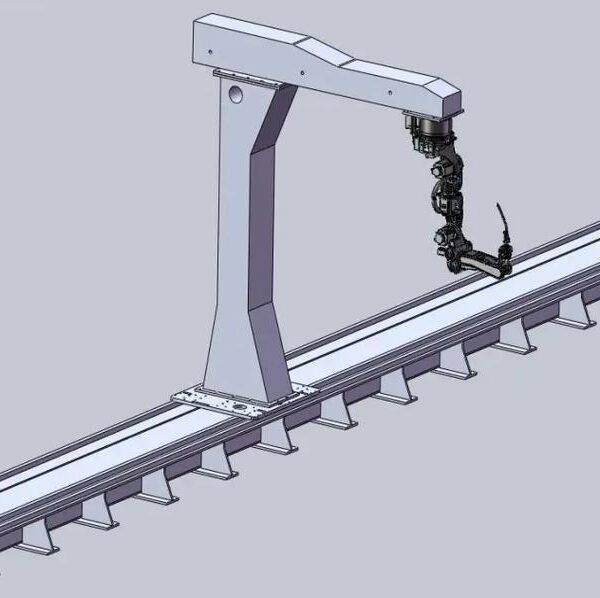

Cantilever Welding Robot solution
-
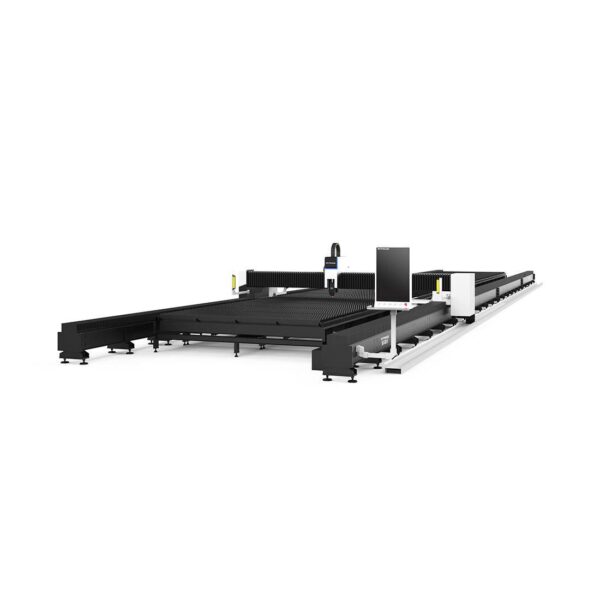

GF laser cutting machine
-
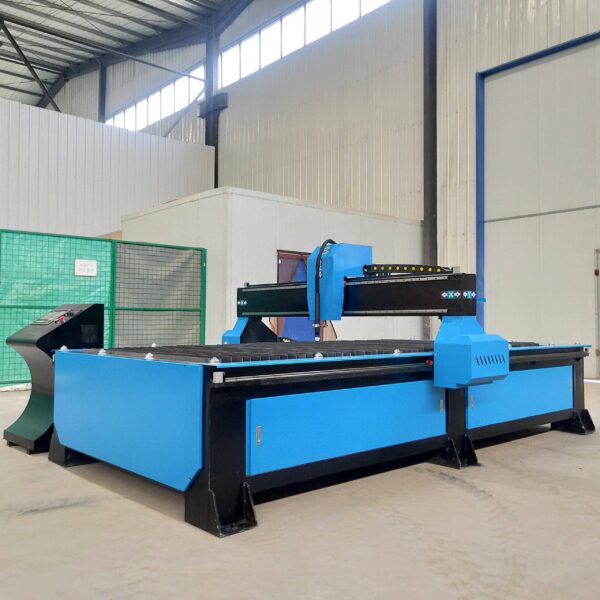
P3015 plasma cutting machine
-

LFP3015 Fiber Laser Cutter
-
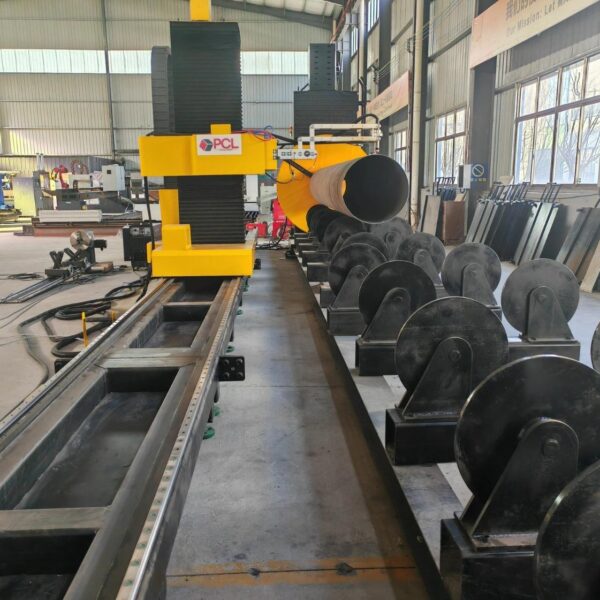
pipe plasma cutting machine
-
LFH 4020 Fiber Laser Cutting Machine
-
LFP4020
-
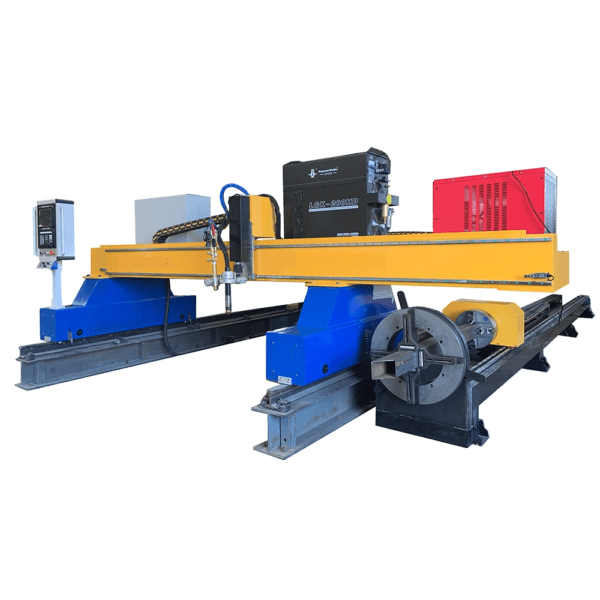
gantry plasma air cutting machine
-
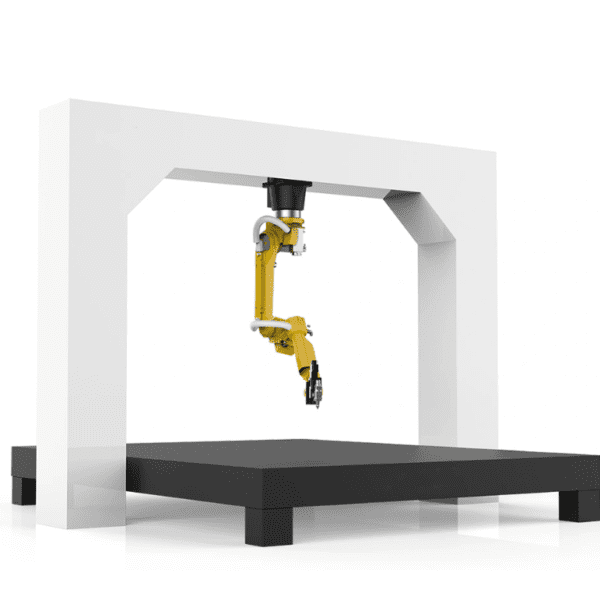
3D robot cutting machine
-
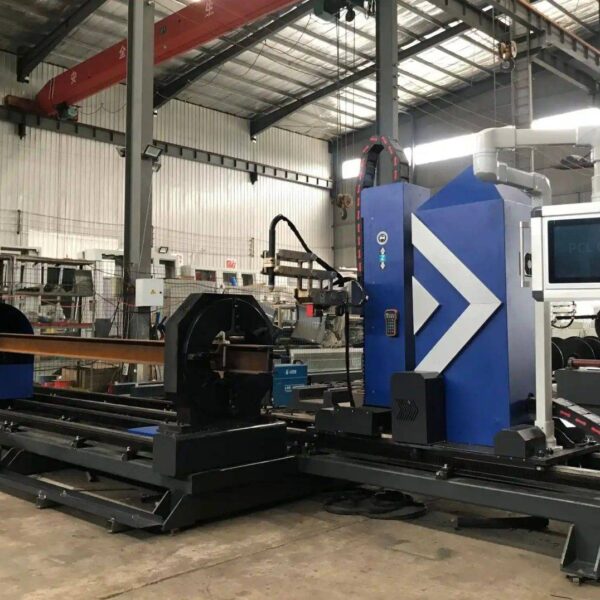
8 axis plasma cutting machine
-
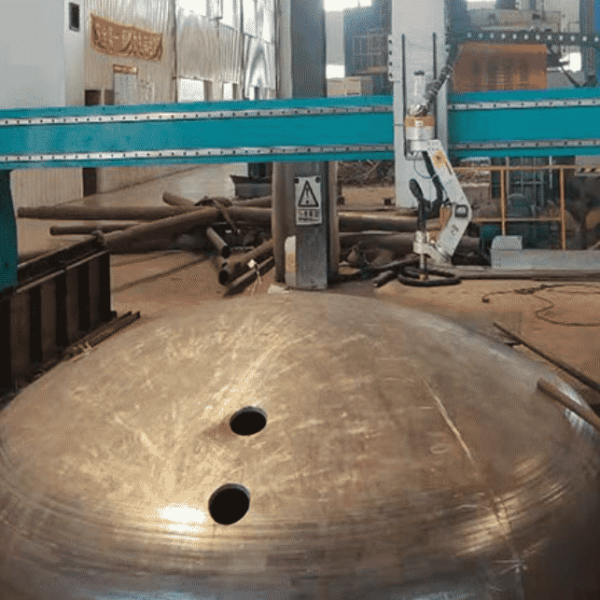
5 axis plasma cutting machine
-

LT360 tube laser cutting machine
-
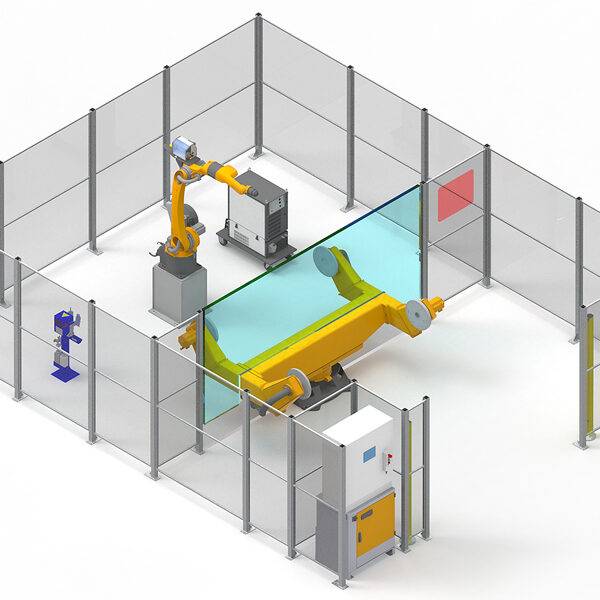
robot welding workstation
-
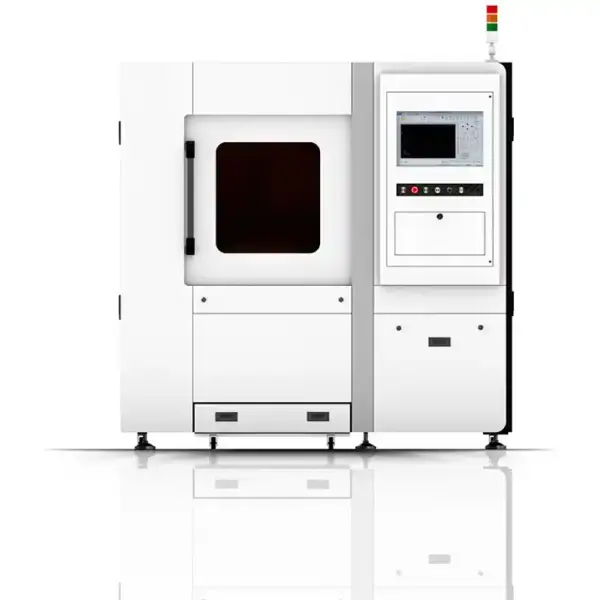
SF6060 fiber laser cutting machine
