Optimizing Bridge Infrastructure through Robotic MAG Systems
The fabrication and maintenance of bridge trusses represent one of the most demanding environments for structural engineering. Traditional manual welding in these scenarios requires extensive scaffolding, high-risk human positioning, and results in inconsistent throughput due to environmental variables. The introduction of an Intelligent Robotic Welder equipped with a magnetic crawler mechanism addresses these systemic inefficiencies. By migrating the welding process from a stationary manual station to a mobile, autonomous platform, the industry realizes a significant shift in operational duty cycles and structural integrity.
The core technology relies on the integration of high-force permanent magnets or switchable electromagnets within a drive system capable of navigating non-horizontal steel surfaces. This mobility allows the system to perform continuous welds across complex truss geometries without the downtime associated with repositioning human operators or manual equipment.
High-Precision MAG Welding in Vertical Orientations
for Bridge Trusses, the MAG welding (Metal Active Gas) process is selected for its high deposition rate and superior penetration depth in thick-gauge structural steel. When integrated with a robotic crawler, the system utilizes advanced sensors to monitor the weld pool in real-time. Unlike manual welding, where gravity affects the weld bead shape in vertical or overhead positions, the intelligent crawler adjusts wire feed speed and voltage parameters dynamically.
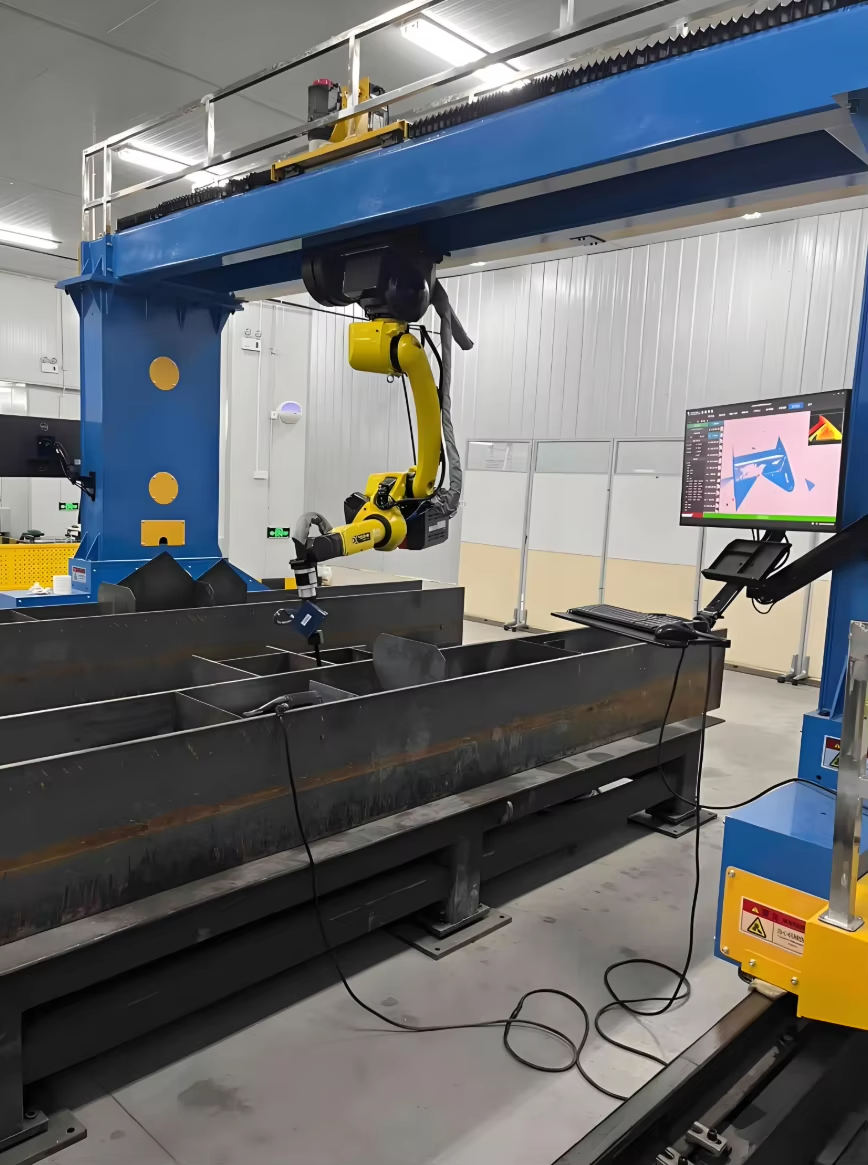
Throughput is optimized via computerized control of torch oscillation. This allows for a consistent “weave” pattern that ensures fusion at the root of the truss joint. In an industrial context, the “arc-on” time is significantly increased. While a manual welder might achieve a 20-30% duty cycle due to fatigue and repositioning, a magnetic crawler system operates at a duty cycle exceeding 75%. This creates a direct correlation between the robotic implementation and the reduction in project lead times.
Maintenance Protocols for Autonomous Crawler Systems
From an industrial engineering perspective, the reliability of the robotic system is measured by its Mean Time Between Failures (MTBF). Maintenance for a magnetic crawler welder is categorized into three critical subsystems: the drive mechanism, the MAG delivery system, and the sensor suite.
Drive Mechanism and Magnet Integrity
The magnetic tracks must be inspected for metallic debris accumulation, which can interfere with surface adhesion. Daily cleaning of the permanent magnets and verification of the traction motor’s torque output are mandatory. Any degradation in the magnetic flux density could lead to catastrophic failure, particularly in overhead truss applications.
MAG Delivery and Wire Feed Reliability
The wire feeder is the most common point of mechanical failure in Robotic Welding. Industrial standards dictate the use of high-quality liners to prevent “bird-nesting” of the welding wire. Maintenance schedules must include the replacement of contact tips every 40-50 hours of arc time and the inspection of the gas shroud to ensure laminar flow of the shielding gas. Consistent gas coverage is essential to prevent porosity in the weld metal, which is a critical failure point in bridge structures subject to fatigue loading.
Labor ROI and Economic Impact Analysis
The transition from manual labor to intelligent robotic systems is driven by the labor ROI (Return on Investment) calculation. In bridge construction, the cost of labor is not merely the hourly wage but includes the massive overhead of safety equipment, insurance, and the logistical costs of scaffolding.
A robotic crawler eliminates the need for expensive fall-protection systems for personnel in many zones. When analyzing the cost per linear meter of weld, the robotic system demonstrates a 40% to 60% reduction in unit labor costs over a three-year amortization period. This ROI is realized through three primary channels:
1. Defect Reduction
Robotic systems produce welds with high repeatability. This reduces the requirement for post-weld rework and grinding, which in manual operations can consume up to 15% of total man-hours.
2. Deposition Efficiency
By maintaining an optimal contact-tip-to-work distance (CTWD), the intelligent crawler minimizes spatter. Less spatter means higher filler metal recovery and less time spent on cleaning the base material for inspection.
3. Safety-Related Cost Avoidance
By removing the welder from the immediate vicinity of the arc, the company reduces exposure to welding fumes and the risk of falls. This results in lower workers’ compensation premiums and fewer lost-time incidents, contributing to a healthier bottom line.
Technical Integration of Path Planning
The “intelligence” of the robotic welder is found in its ability to adapt to deviations in the truss assembly. Structural steel often has tolerances that result in varying gap widths. The crawler uses laser seam tracking (for alignment, not cutting) or through-arc sensing to adjust the torch path in real-time. This ensures that the MAG process remains centered on the joint even if the crawler’s physical path deviates slightly due to surface irregularities.
For industrial engineers, this means the pre-processing requirements for the steel components are less stringent than those required for fixed-cell robotics. The crawler adapts to the environment rather than requiring the environment to be perfectly calibrated to the robot.
Long-Term Strategic Value
Deploying magnetic crawler welders is a strategic move toward Industry 4.0 in the construction sector. The data harvested during the welding process—such as current, voltage, and travel speed—can be logged for quality assurance. This digital twin of the weld provides bridge owners with a permanent record of structural integrity, which is invaluable for long-term maintenance and liability management.
In conclusion, the shift toward autonomous MAG welding on magnetic crawlers represents a necessary evolution for bridge truss fabrication. The combination of high duty cycles, reduced labor overhead, and rigorous maintenance standards ensures that infrastructure projects are completed faster, more safely, and with a significantly lower cost-per-weld than traditional manual methods.
-
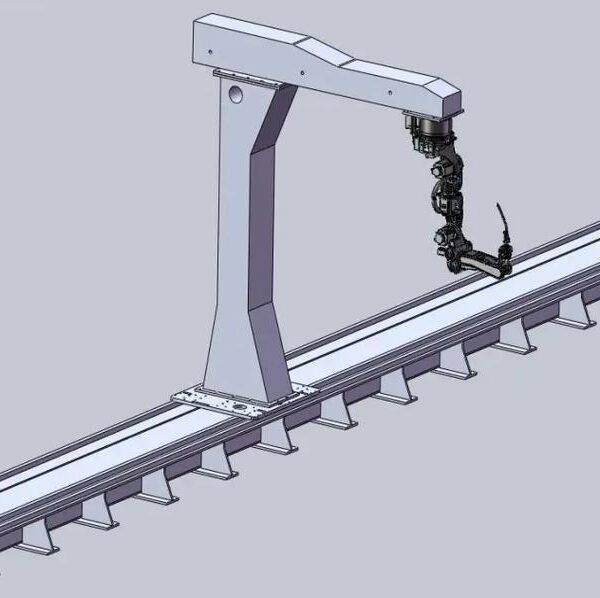

Cantilever Welding Robot solution
-
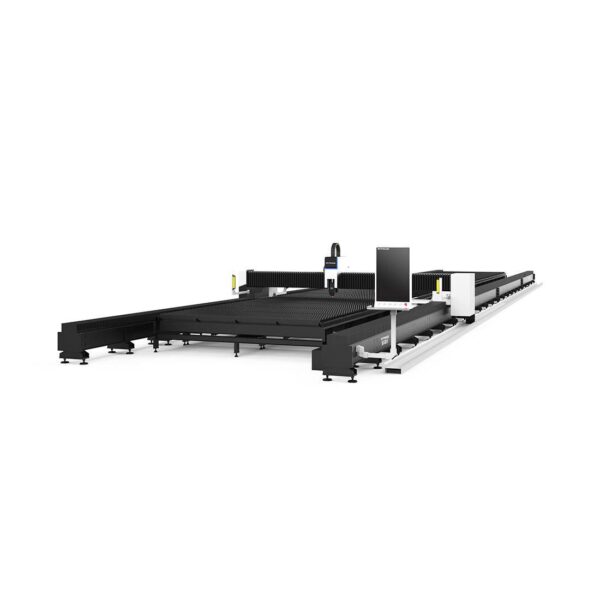

GF laser cutting machine
-
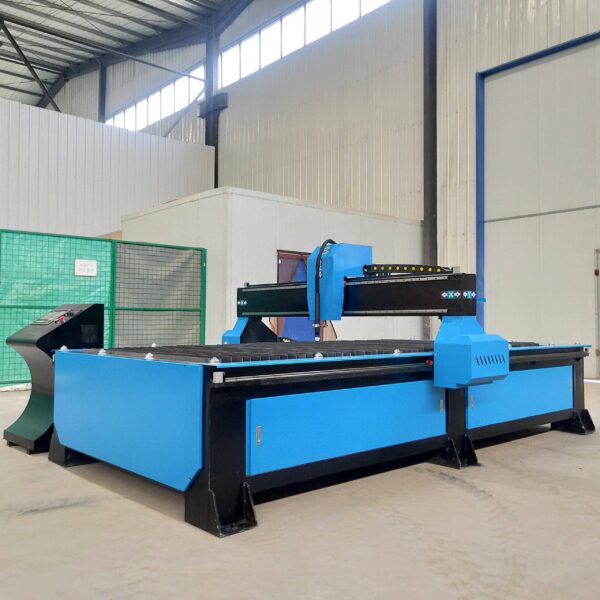
P3015 plasma cutting machine
-

LFP3015 Fiber Laser Cutter
-
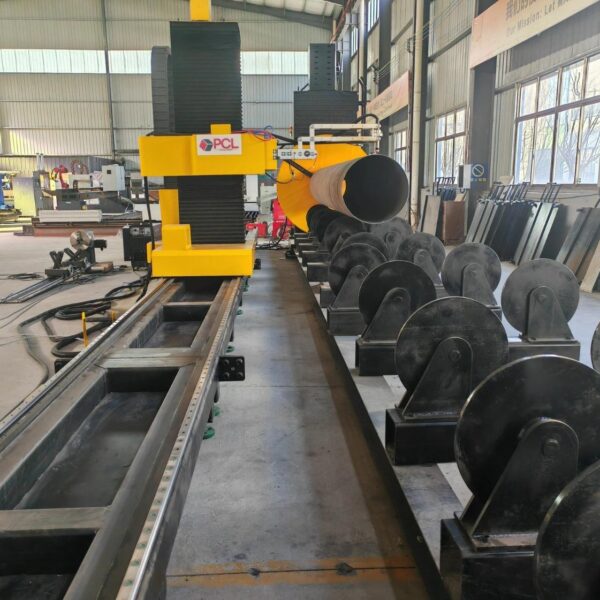
pipe plasma cutting machine
-
LFH 4020 Fiber Laser Cutting Machine
-
LFP4020
-
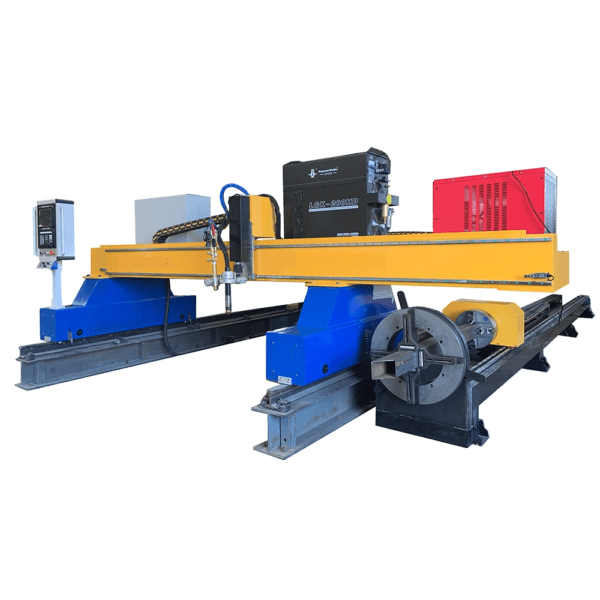
gantry plasma air cutting machine
-
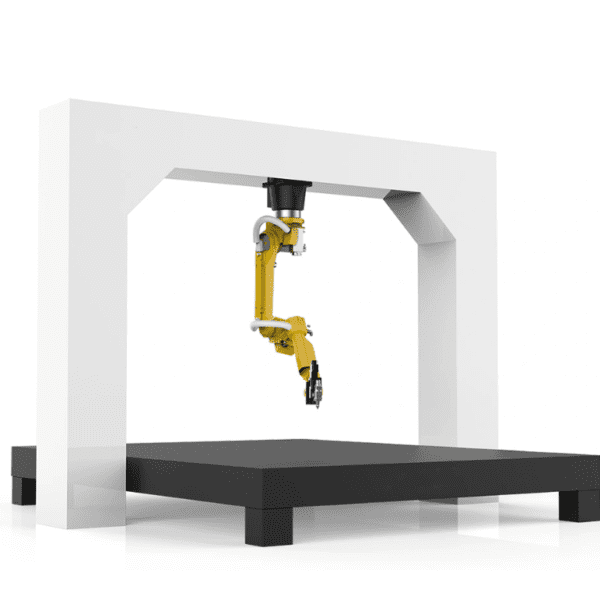
3D robot cutting machine
-
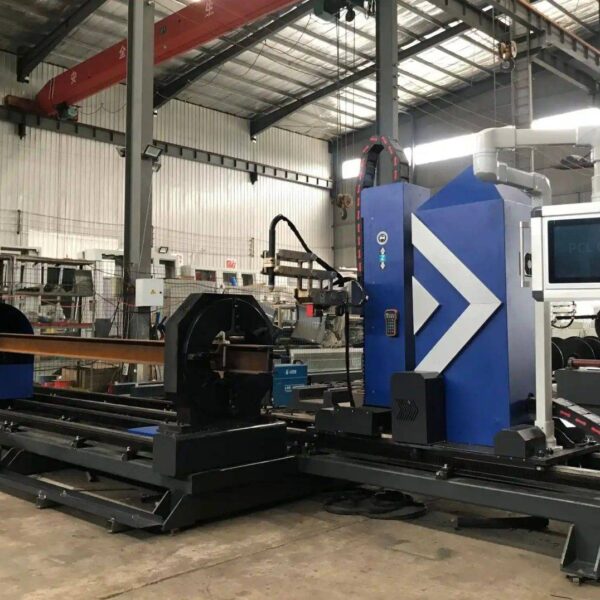
8 axis plasma cutting machine
-
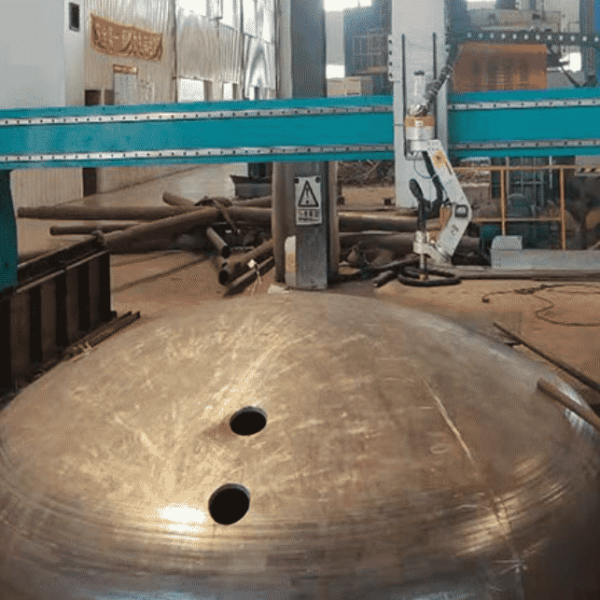
5 axis plasma cutting machine
-

LT360 tube laser cutting machine
-
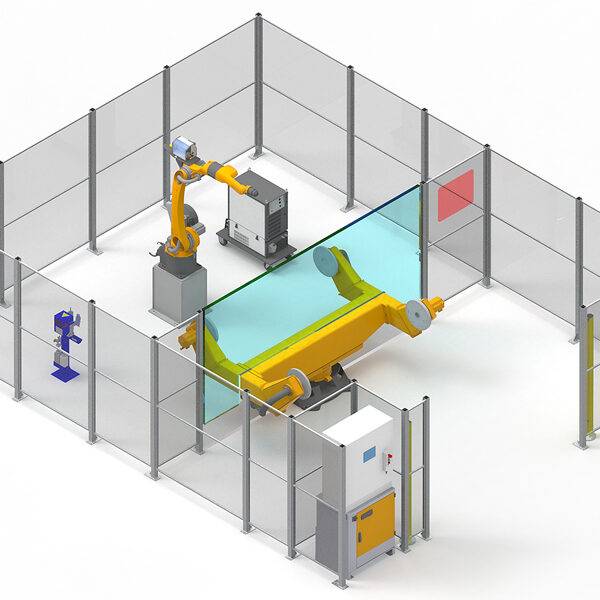
robot welding workstation
-
SF6060 fiber laser cutting machine
