Strategic Implementation of Intelligent Robotic Welding in Shipbuilding
In the heavy industrial landscape of shipbuilding, the transition from manual processes to automated MAG welding is no longer an elective upgrade but a structural necessity. Modern shipyards deal with massive workpieces where even minor thermal expansion can result in significant deviations from the original CAD model. An Intelligent Robotic Welder, specifically one optimized for Metal Active Gas (MAG) processes, offers the precision required to handle thick-plate joinery while maintaining the high deposition rates necessary for hull construction and block assembly.
The core challenge in shipbuilding is the lack of uniformity. Unlike the automotive industry, where parts are stamped to sub-millimeter precision, shipyard components are often subject to fit-up gaps and variances caused by previous assembly stages. Implementing a robotic cell without sensing capabilities results in high defect rates. By integrating intelligent sensors, specifically laser seam tracking, the robot can dynamically adjust its tool center point (TCP) and welding parameters in real-time, ensuring penetration and bead profile consistency despite structural irregularities.
The MAG Process: Technical Advantages and Deposition Rates
Metal Active Gas (MAG) welding is the preferred process for Shipbuilding due to its versatility and speed. When integrated into a robotic system, the MAG process utilizes a shielding gas—typically a mixture of Argon and CO2—to stabilize the arc and control the chemical composition of the weld pool. For industrial engineers, the primary metric of interest is the weld deposition rate. Manual welders often struggle to maintain consistency over long shifts, whereas a robotic system can operate at a 70% to 80% duty cycle.
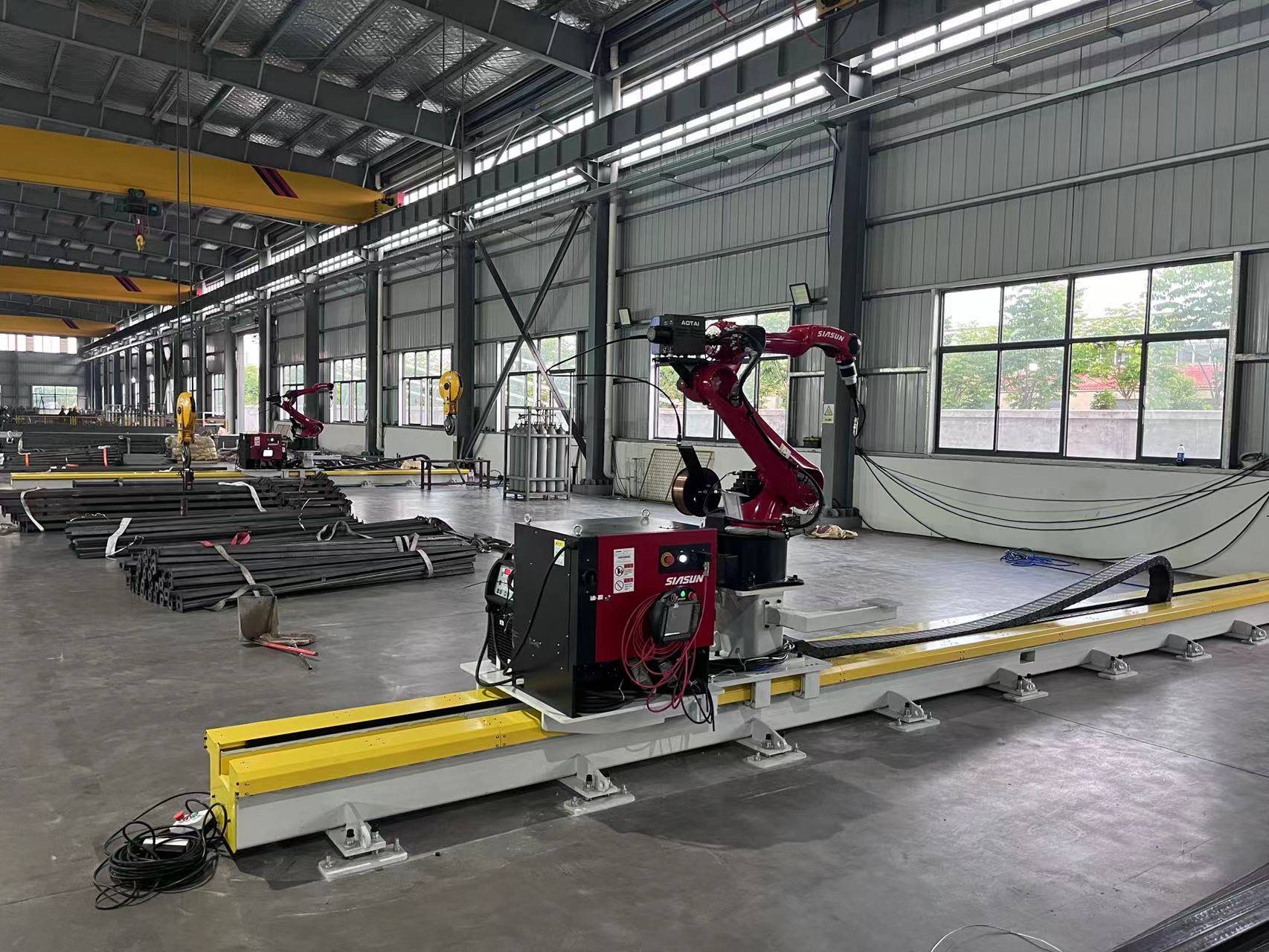
Robotic MAG systems allow for the use of high-current spray transfer modes that would be difficult for a human operator to manage manually over long durations due to heat and UV radiation. In shipbuilding, where fillet welds can span dozens of meters, the robot’s ability to maintain a constant travel speed and wire feed rate ensures a uniform heat-affected zone (HAZ). This uniformity is critical for the structural integrity of the vessel, reducing the likelihood of stress fractures and fatigue-related failures in the maritime environment.
Real-Time Correction via Laser Seam Tracking
The integration of laser seam tracking serves as the “eyes” of the robotic system. This technology utilizes a laser line generator and a high-speed camera to project a profile across the weld joint. The system calculates the cross-sectional area of the groove and the exact position of the root. As the robot moves, the sensor feeds data back to the controller, which adjusts the robot’s path to compensate for deviations such as “walking” of the plates or thermal warping during the welding process.
From an engineering standpoint, this eliminates the need for expensive, high-precision jigging. Traditional robotic setups require parts to be indexed perfectly. In shipbuilding, where parts can be 20 meters long, such precision is cost-prohibitive. Seam tracking allows the robot to “find” the weld start and track the seam even if the part is displaced by several centimeters. This adaptability is the primary driver for reducing rework, which is often the most significant hidden cost in shipyard operations.
Labor ROI and Workforce Transformation
The economic justification for intelligent robotic welding is found in labor ROI and throughput. A single robotic welding cell can often replace three to four manual welders in terms of pure output, but the real value lies in the reallocation of human capital. Skilled welders are transitioned into robot operators and cell technicians, focusing on process optimization rather than repetitive physical labor. This shift significantly reduces the occurrence of repetitive strain injuries and long-term health issues associated with arc welding fumes and posture.
Calculating the ROI involves analyzing the “Arc-on Time.” In manual operations, the arc-on time is frequently below 30% due to fatigue, setup, and repositioning. A robotic system with a well-designed gantry or rail system can push this metric above 75%. Furthermore, the reduction in filler metal waste and gas consumption through optimized arc starts and stops contributes to a faster payback period, typically ranging from 18 to 24 months in high-volume shipyards. By minimizing the “grind and re-weld” cycles through intelligent tracking, the total cost per meter of weld is lowered substantially.
Quantitative Throughput Improvements
When analyzing the lifecycle of a ship block assembly, the bottle-neck is almost always the welding phase. Manual welding requires frequent stops for electrode changes (in SMAW) or wire spool adjustments, and human error leads to intermittent slag inclusions. A robotic MAG system provides a continuous feed of wire, allowing for uninterrupted passes over several meters. This continuity improves the mechanical properties of the weld joint, as there are fewer “starts and stops,” which are the most common locations for weld defects.
Maintenance Protocols for Robotic Welding Cells
To sustain the high OEE promised by robotic systems, a rigorous preventative maintenance schedule must be enforced. Unlike manual equipment, robotic cells have sensitive components like the laser sensor, the wire drive assembly, and the robotic arm’s harmonic drives. In a shipyard environment, dust, metal filings, and humidity are constant threats to the system’s longevity.
Consumable Management
The contact tip and gas nozzle are the most frequently replaced items. In a robotic system, a “reamer” or torch cleaning station is essential. Every few cycles, the robot automatically docks at the cleaning station to remove spatter and apply anti-spatter fluid. This ensures that the gas flow remains laminar and the electrical contact remains consistent. Failure to automate this maintenance step leads to arc instability and increased downtime.
Laser Sensor Calibration
The laser seam tracking sensor must be protected by replaceable cover slides. These slides prevent spatter from damaging the expensive optics of the camera. Maintenance teams must inspect these slides daily. Additionally, the alignment between the laser sensor and the wire tip must be calibrated periodically to ensure that the offsets programmed in the software remain accurate relative to the physical world.
Wire Delivery Systems
In shipbuilding, wire is often pulled from large 500kg “marathon” drums to minimize changeover time. The conduit between the drum and the robot must be checked for friction. Any drag in the wire delivery system will manifest as arc fluctuations, which the intelligent controller might attempt to compensate for, leading to inconsistent bead profiles. Industrial engineers must ensure that the wire drive rollers are matched to the wire diameter and hardness (typically ER70S-6 or flux-cored variants) to prevent bird-nesting at the feeder.
Conclusion on Industrial Scalability
The deployment of intelligent robotic MAG welding with seam tracking is a transformative step for maritime manufacturing. It addresses the triple constraint of quality, cost, and schedule. By utilizing laser seam tracking to overcome the inherent inaccuracies of large-scale fabrication, shipyards can achieve levels of precision previously reserved for aerospace applications. The focus on labor ROI ensures that the investment pays for itself through increased throughput and reduced rework, while a disciplined approach to maintenance guarantees the reliability of the system over its operational life. For the industrial engineer, the data is clear: the integration of robotic intelligence into the welding process is the most effective way to modernize ship production for the 21st century.
-
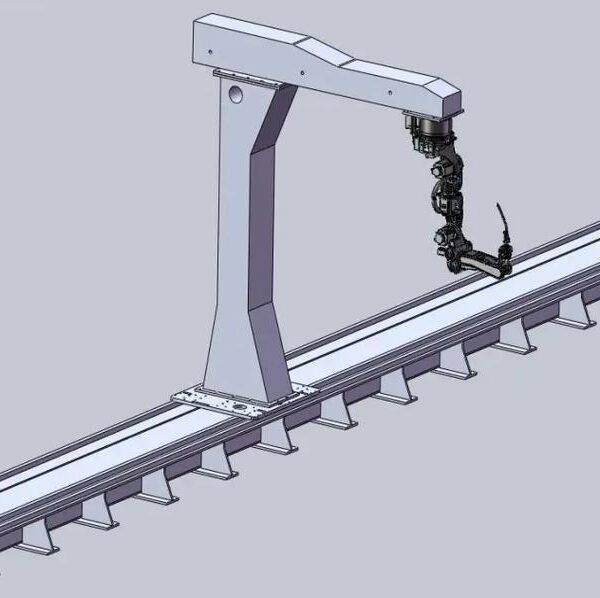

Cantilever Welding Robot solution
-
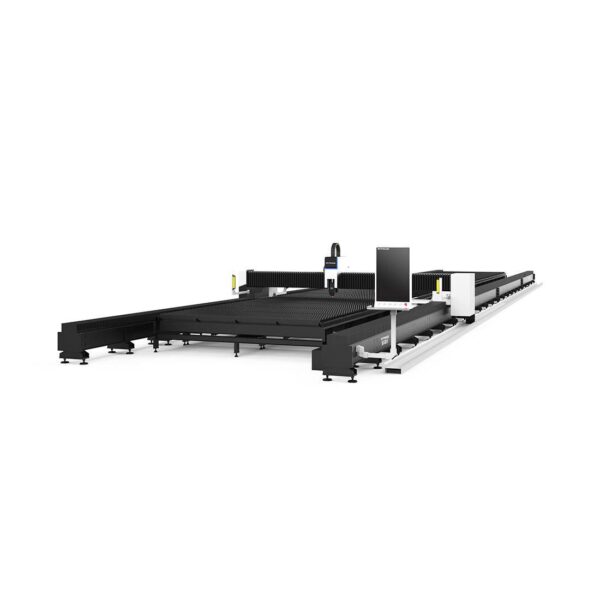

GF laser cutting machine
-
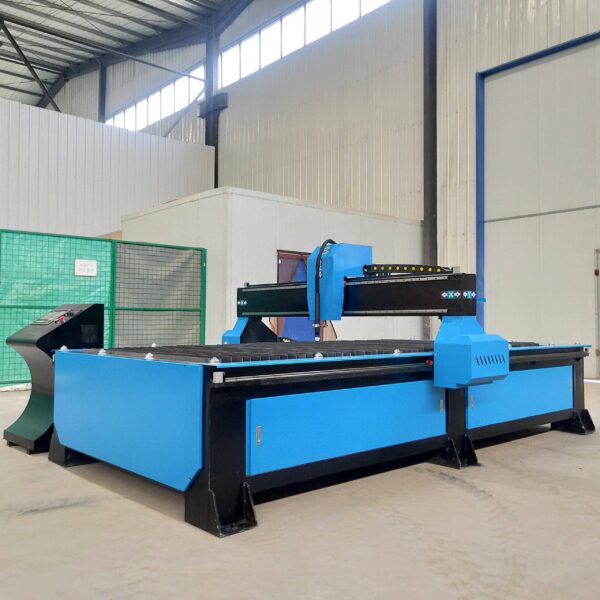
P3015 plasma cutting machine
-

LFP3015 Fiber Laser Cutter
-
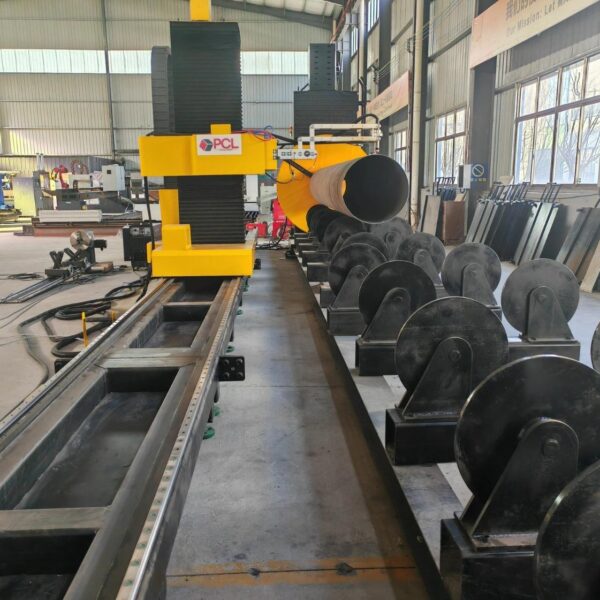
pipe plasma cutting machine
-
LFH 4020 Fiber Laser Cutting Machine
-
LFP4020
-
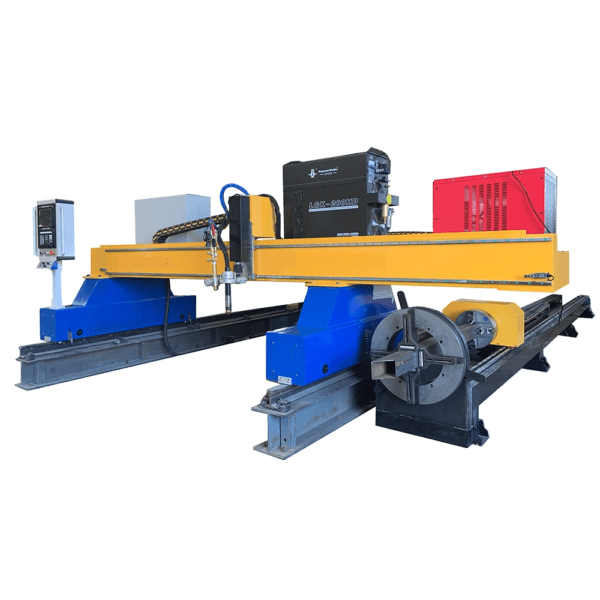
gantry plasma air cutting machine
-
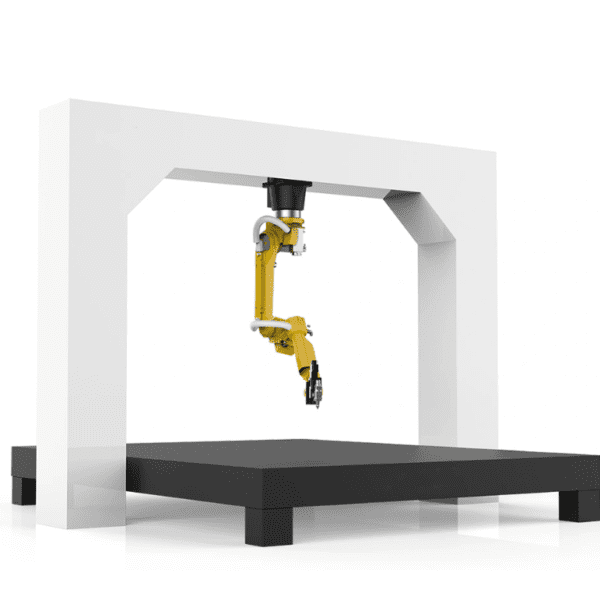
3D robot cutting machine
-
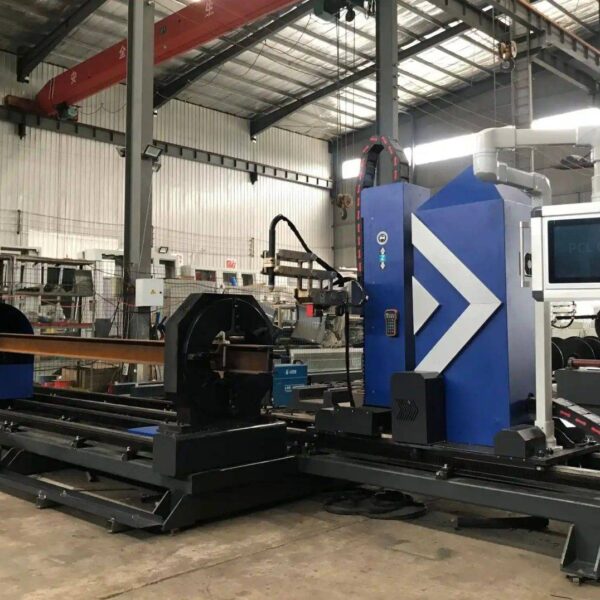
8 axis plasma cutting machine
-
5 axis plasma cutting machine
-

LT360 tube laser cutting machine
-
robot welding workstation
-
SF6060 fiber laser cutting machine
