Technical Specification and Implementation of Robotic MAG Systems
The construction machinery industry relies heavily on the structural integrity of thick-plate assemblies. From a production engineering standpoint, the MAG welding process (Metal Active Gas) remains the primary method for joining heavy-gauge carbon steels used in frames, booms, and buckets. Transitioning these tasks to an Intelligent Robotic Welder requires a shift from human-centric craftsmanship to data-driven process control. The core challenge in welding large-scale construction components is the inherent variability in workpiece fit-up. Thermal distortion from previous passes and tolerances in heavy-plate bending often result in seam deviations that exceed the capabilities of standard “blind” robotic programming.
Integrating Laser Seam Tracking provides the necessary closed-loop feedback to overcome these variables. Unlike traditional touch-sensing, laser-based tracking operates in real-time, scanning the joint geometry millimeters ahead of the welding arc. This system calculates the center of the groove and the gap width, allowing the robot controller to adjust the torch position and travel speed dynamically. For an industrial engineer, this minimizes the need for expensive high-precision fixtures, as the robot can compensate for gaps and offsets that would otherwise lead to weld defects or structural failure.
Advanced MAG Process Optimization for Heavy Infrastructure
MAG welding in the heavy machinery sector typically utilizes shielding gases composed of Argon and CO2 (usually 80/20 or 92/8). When deploying an Intelligent Robotic Welder, the welding power source must be integrated via a high-speed fieldbus interface (such as EtherCAT or Profinet). This allows for “Adaptive Welding,” where the Laser Seam Tracking system detects a change in the root gap and signals the power source to alter wire feed speed and voltage parameters on the fly to maintain a consistent penetration profile.

Managing Thermal Inputs and Distortion
Heavy sections require multi-pass welding. The robotic system must manage inter-pass temperatures to ensure the mechanical properties of the Heat Affected Zone (HAZ) remain within specification. Industrial engineers must program specific “cooling-off” logic or sequence the welds across the workpiece to balance thermal expansion. Intelligent systems can now store “Weld Data Monitoring” logs, providing a digital birth certificate for every excavator arm produced, detailing the exact heat input for every millimeter of the seam.
Economic Impact and Labor ROI Analysis
The primary driver for robotic investment is the significant improvement in labor ROI. The construction machinery sector faces a chronic shortage of certified high-deposition welders. A single Robotic Welding cell, operating with a two-station positioner, can typically match the output of three to four manual welders while maintaining a higher “arc-on” time percentage.
Throughput and Duty Cycle Comparisons
Manual welding operations often struggle to maintain a duty cycle above 30% due to operator fatigue, heat exposure, and the need for repositioning. An Intelligent Robotic Welder easily maintains duty cycles exceeding 75%. The return on investment is calculated not just through head-count reduction, but through the elimination of post-weld rework. In manual operations, grinding and re-welding due to inconsistent penetration can account for 15% of total labor costs. High-precision laser-tracked robots reduce this to near zero.
| Metric | Manual Welding | Robotic Welding (Laser Tracked) |
|---|---|---|
| Arc-On Time | 25-35% | 70-85% |
| Weld Consistency | Variable (Operator dependent) | High (Programmed repeatability) |
| Rework Rate | 8-15% | <1% |
| Filler Metal Utilization | Lower efficiency (Over-welding) | Optimized (Precision volume fill) |
Maintenance Protocols for Robotic Welding Cells
To ensure the labor ROI is not eroded by downtime, a rigorous preventive maintenance (PM) schedule is mandatory. Unlike manual equipment, robotic MAG systems have specific failure points that require engineering oversight. The laser sensor, positioned close to the arc, is a high-value component that requires protection. Industrial engineers must ensure the integration of “air knives” or sacrificial cover glasses to protect the optics from spatter and fume accumulation.
Consumable Management and Torch Calibration
The contact tip and liner are the most frequent points of failure. In high-volume construction machinery lines, an automated tip-changing station or a “reamer” (torch cleaner) is integrated into the cell cycle. Every 10-20 cycles, the robot performs a “TCP (Tool Center Point) Check” to verify that the torch neck has not bent due to thermal stress or accidental collisions. If the TCP has shifted, the system automatically recalibrates, ensuring the Laser Seam Tracking data aligns perfectly with the physical wire position.
Systemic Reliability and Spare Parts Inventory
An Industrial Engineer should maintain a critical spares kit that includes:
- Replacement laser sensor cover windows.
- Spare robotic wire drive rollers and liners.
- Pre-calibrated torch necks (Swan necks).
- High-flexibility corrugated conduits for the dress pack.
These items prevent minor mechanical failures from halting a multi-million dollar production line.
The Role of Laser Seam Tracking in Quality Assurance
In the context of the MAG welding process, the laser sensor does more than guide the robot; it acts as a primary inspection tool. By capturing the “Before” (joint geometry) and sometimes the “After” (weld bead profile), the system provides objective data that replaces subjective visual inspection. For critical load-bearing joints in construction machinery, this data is invaluable for liability protection and structural certification.
The integration of Laser Seam Tracking also allows for “Seam Finding,” where the robot searches for the start of the weld without the need for manual jogging. This autonomy is crucial when dealing with large, heavy components that might be placed on a pallet with +/- 10mm of positional error. The robot scans, finds the start point, and commences the Intelligent Robotic Welder sequence without human intervention, effectively decoupling the machine’s cycle time from the operator’s availability.
Strategic Conclusion for Manufacturing Operations
Deploying an Intelligent Robotic Welder within the construction machinery sector is a strategic necessity rather than a luxury. The combination of the MAG welding process and Laser Seam Tracking addresses the fundamental variables of heavy fabrication: material inconsistency and labor scarcity. By focusing on high duty cycles, minimized rework, and structured maintenance, manufacturers can realize a labor ROI that justifies the initial capital expenditure within 18 to 24 months. The shift towards automated joining is the only viable path for scaling production while meeting the rigorous safety and durability standards required for modern heavy equipment.
-
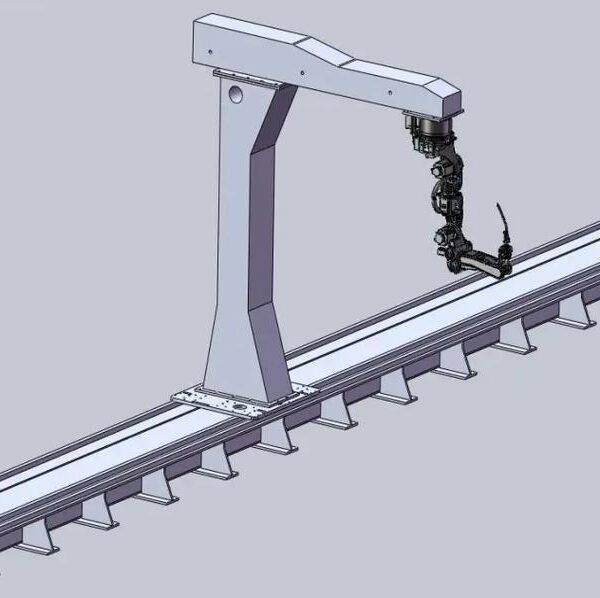

Cantilever Welding Robot solution
-
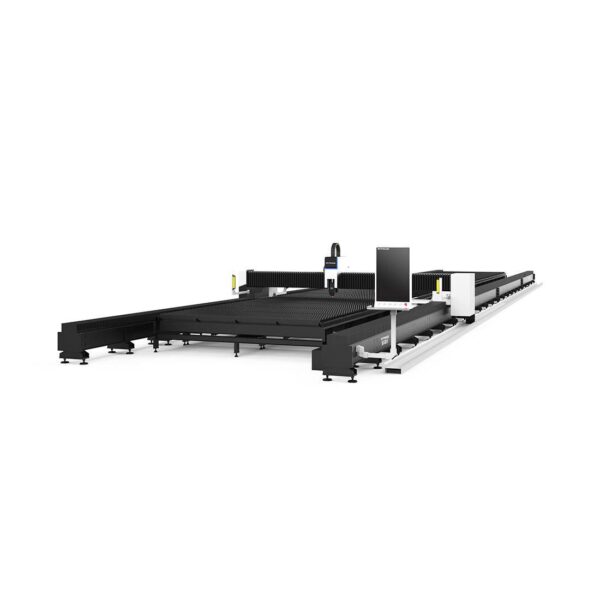

GF laser cutting machine
-
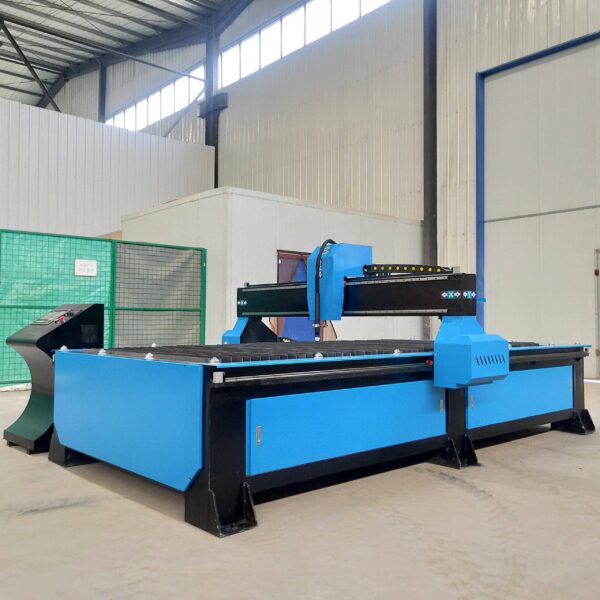
P3015 plasma cutting machine
-

LFP3015 Fiber Laser Cutter
-
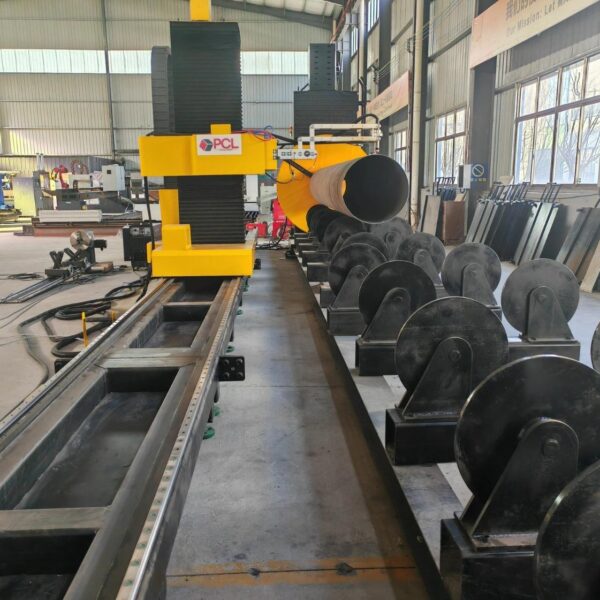
pipe plasma cutting machine
-
LFH 4020 Fiber Laser Cutting Machine
-
LFP4020
-
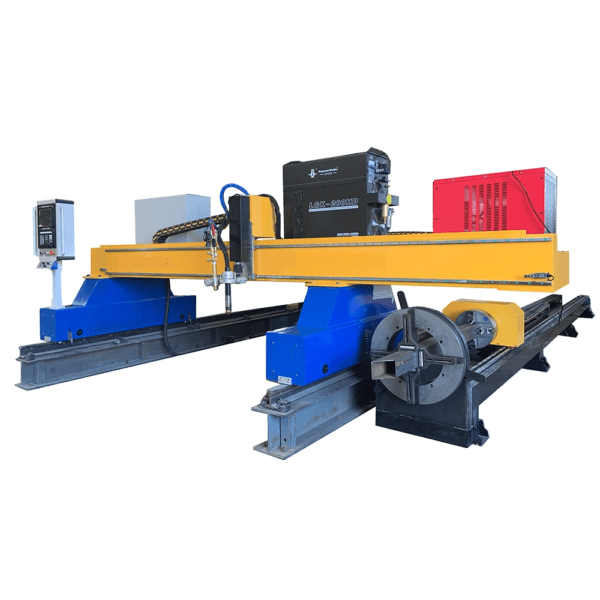
gantry plasma air cutting machine
-
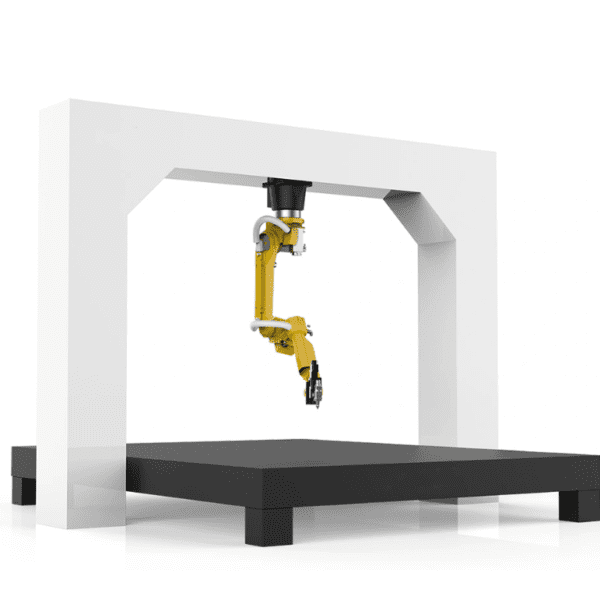
3D robot cutting machine
-
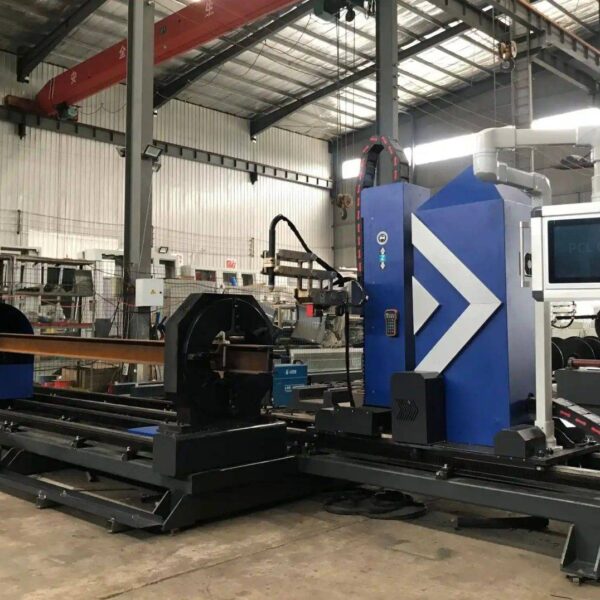
8 axis plasma cutting machine
-
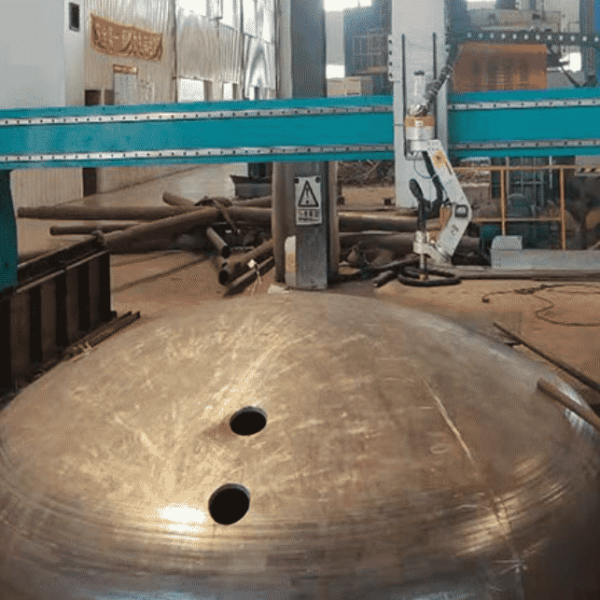
5 axis plasma cutting machine
-

LT360 tube laser cutting machine
-
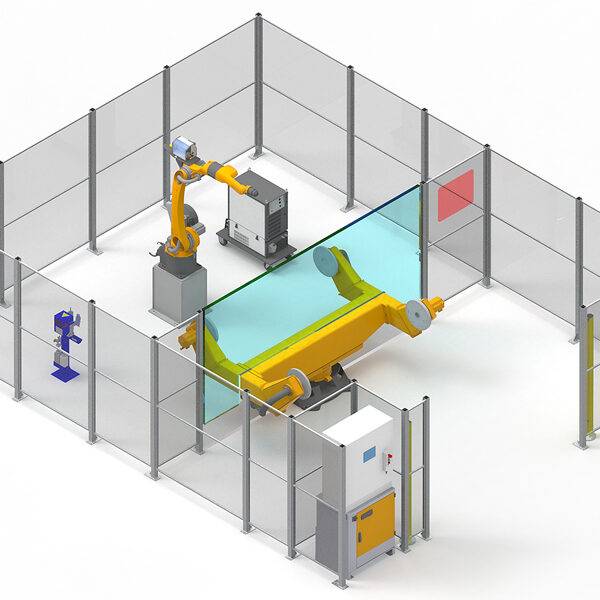
robot welding workstation
-
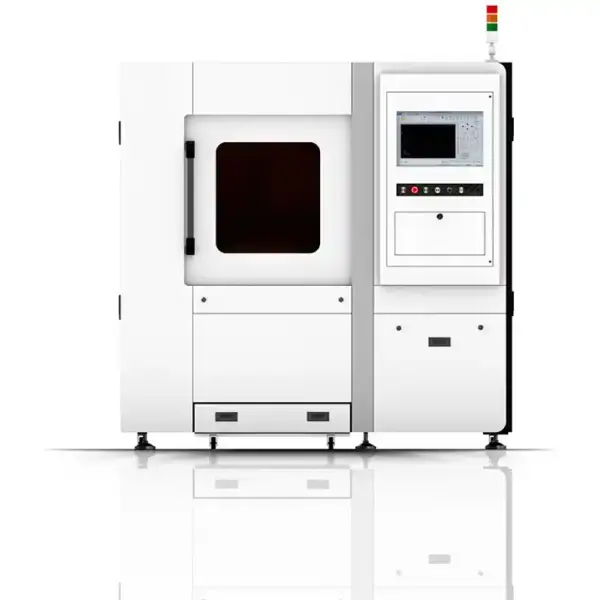
SF6060 fiber laser cutting machine
Advanced Fiber Laser Tube Processing Technology
Our CNC Fiber Laser Tube Cutting systems revolutionize metal fabrication by integrating high-precision cutting, punching, and profiling into a single automated workflow. Designed for versatility, this technology handles a wide array of profiles including Round, Square, Rectangular, and Oval tubes, as well as complex L-shaped and U-shaped channels.
- Precision Punching: High-speed hole punching with micron-level accuracy, eliminating the need for mechanical drilling or die-stamping.
- Complex Profiling: Advanced 3D pathing allows for intricate interlocking joints and specialized notch cuts, ideal for structural frames.
- High Material Efficiency: Intelligent nesting software minimizes scrap, reducing raw material costs across large production runs.
- Clean Finish: Delivers oxide-free, burr-free edges that require zero secondary grinding before welding.

Seamlessly processing multiple profiles with consistent precision.
Global Delivery & Logistics



From our high-tech manufacturing facility directly to your global site. PCL WeldCut ensures secure packaging, professional handling, and reliable international logistics to safeguard your equipment throughout the entire journey.
