Optimizing Bridge Truss Fabrication through Robotic Welding Automation
The structural integrity of bridge trusses depends heavily on the consistency of fillet and groove welds across massive steel sections. Historically, this sector has relied on manual labor, where welders manage complex geometries and heavy deposition requirements in challenging ergonomic positions. However, the introduction of robotic welding automation has shifted the baseline for productivity. By utilizing intelligent systems that combine high-capacity power sources with advanced motion control, industrial engineers can now standardize output quality regardless of the scale of the workpiece.
Bridge trusses present a unique challenge: they are rarely perfectly uniform. Thermal expansion during welding, material tolerances from the mill, and assembly fit-up variances mean that a “one-size-fits-all” robotic program often fails. This is where 3D vision systems become the critical differentiator, allowing the robot to perceive the environment and adjust the toolpath in real-time.
Adaptive Path Planning with 3D Vision Integration
The core of an intelligent welding cell is the 3D vision integration. Unlike traditional robots that follow a pre-programmed coordinate path, vision-enabled systems perform a pre-weld scan of the joint. The system generates a high-resolution point cloud, comparing the “as-built” geometry against the “as-designed” CAD model.

Real-Time Gap Compensation
In bridge truss construction, gap variances between the web members and the chords are inevitable. A 3D vision system identifies these gaps and automatically adjusts the welding parameters—such as wire feed speed, travel speed, and torch oscillation width. This ensures that the throat thickness of the weld remains constant, preventing the structural weaknesses associated with underfill or excessive reinforcement.
Geometric Mapping and Error Correction
The vision system also serves as an automated inspection tool. By mapping the weld path before the arc is struck, the robot avoids collisions with clamps or tack welds that were not accounted for in the original simulation. This level of autonomy reduces the need for constant operator intervention, allowing one technician to oversee multiple welding stations simultaneously.
MAG Welding Performance and Process Control
For heavy-duty infrastructure, Metal Active Gas (MAG) welding is the preferred process due to its high deposition rates and deep penetration characteristics. When executed by a robotic arm, the MAG welding efficiency is significantly enhanced through precise control of the arc transfer mode.
High Deposition Rates
Robotic systems can maintain a consistent 95% duty cycle, compared to the 30-40% typically seen in manual bridge welding operations. Using 1.2mm or 1.6mm solid or metal-cored wires, the robot can maintain high travel speeds while ensuring gas shielding integrity. The result is a substantial increase in kilograms of weld metal deposited per hour, which is the primary metric for throughput in truss fabrication shops.
Thermal Management and Distortion Control
Engineers must account for the heat input into the truss to prevent structural warping. Robotic controllers can implement optimized welding sequences—skipping between different joints to distribute heat more evenly across the chord. Because the robot moves at a precise, calculated velocity, the Heat Affected Zone (HAZ) is minimized and predictable, facilitating better metallurgical properties in the finished bridge component.
Maintenance Protocols for High-Uptime Cells
A robotic cell is only as effective as its uptime. Maintenance in a bridge fabrication environment must be proactive rather than reactive. The abrasive nature of steel fabrication dust and the intensity of high-amperage MAG welding require a strict schedule.
Consumable Management
The contact tip and gas nozzle are the most frequently replaced components. Automated torch cleaning stations (reamers) should be integrated into the cell cycle. Every few weld cycles, the robot moves to the cleaning station to remove spatter and apply anti-spatter spray. This ensures a stable arc and prevents gas flow turbulence, which is a leading cause of porosity in bridge welds.
3D Sensor Protection
The 3D vision sensor is a sensitive optical instrument located near a high-heat, high-spatter environment. Using pneumatic shutters or sacrificial glass covers is essential. Regular calibration checks ensure that the spatial relationship between the sensor and the wire tip (the Tool Center Point or TCP) remains accurate within sub-millimeter tolerances.
Wire Delivery Systems
Given the length of bridge trusses, robots are often mounted on gantries. This requires long wire conduits. Industrial engineers must specify high-quality liners and drum-feeding systems to prevent wire feeding oscillations, which could lead to arc instability or “burn-back” to the contact tip.
Labor ROI Analysis and Economic Impact
The decision to implement robotic welding is driven by a comprehensive labor ROI analysis. In the current labor market, finding certified welders capable of performing 100% X-ray quality welds on heavy structural steel is increasingly difficult and expensive.
Direct Labor Cost Reduction
While the initial capital expenditure (CAPEX) for a 3D-vision-equipped robotic gantry is high, the reduction in man-hours per truss is dramatic. A robot can often replace three to four manual welders in terms of pure output. This allows the human workforce to be transitioned into higher-value roles, such as weld procedure specification (WPS) development, quality assurance, and system programming.
Rework and Quality Assurance Savings
In bridge construction, the cost of rework is astronomical. Gouging out a defective weld on a massive chord member involves significant labor, consumables, and project delays. Robotic systems, by virtue of their repeatability and vision-based joint tracking, reduce defect rates to near zero. The “first-time-through” rate becomes a predictable KPI, allowing project managers to schedule bridge assembly with higher confidence.
Long-Term Asset Utilization
A well-maintained robotic welding cell has an operational life of 10 to 15 years. When amortized over the millions of pounds of steel processed during that period, the cost per foot of weld is significantly lower than manual alternatives. Furthermore, the ability of the system to work in “lights-out” shifts during peak production periods provides a scalability that manual labor cannot match.
Integration into the Industrial Workflow
Successfully deploying an Intelligent Robotic Welder requires more than just the hardware. It requires an engineering-first approach to the shop floor layout. Materials must be staged to minimize robot idle time, and upstream processes must ensure that parts are delivered within the “vision envelope” of the sensor.
By focusing on the synergy between 3D vision perception and the raw power of the MAG welding process, bridge fabricators can achieve a level of structural reliability and economic efficiency that was previously unattainable. The data collected by these systems during the welding process also provides a digital twin of the truss, offering invaluable documentation for the lifecycle management of the infrastructure.
-
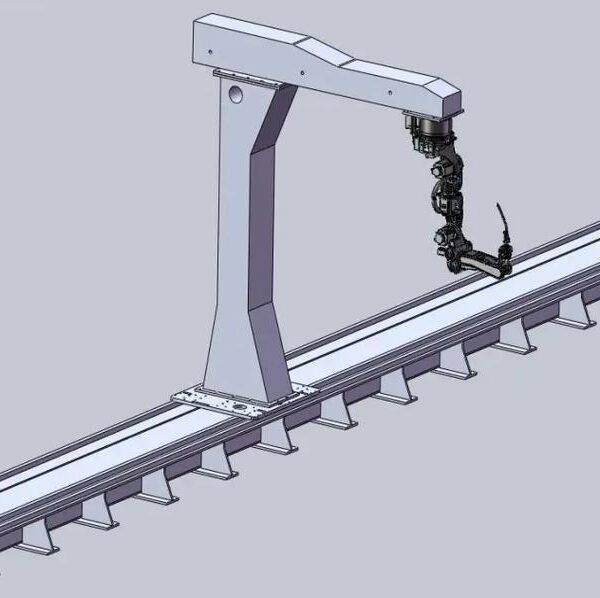

Cantilever Welding Robot solution
-
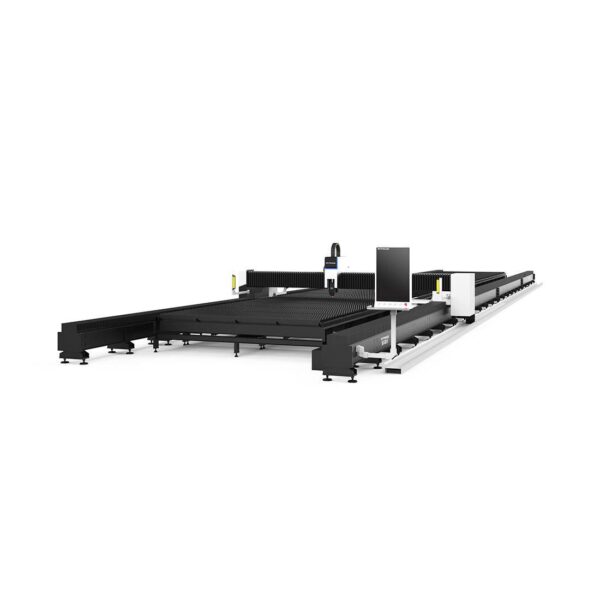

GF laser cutting machine
-
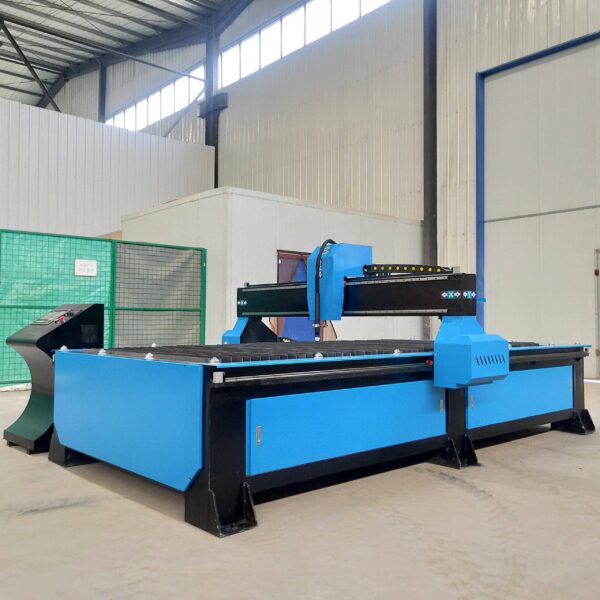
P3015 plasma cutting machine
-

LFP3015 Fiber Laser Cutter
-
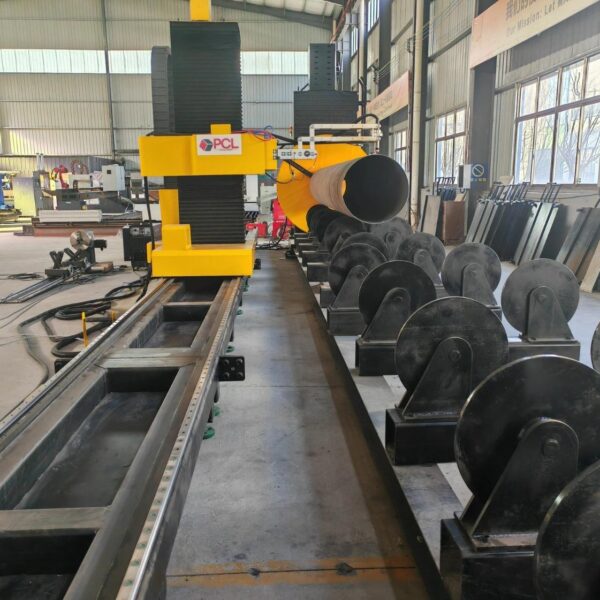
pipe plasma cutting machine
-
LFH 4020 Fiber Laser Cutting Machine
-
LFP4020
-
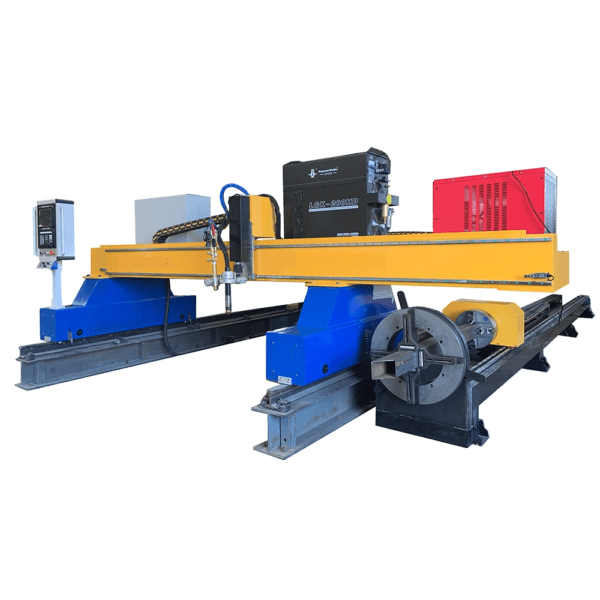
gantry plasma air cutting machine
-
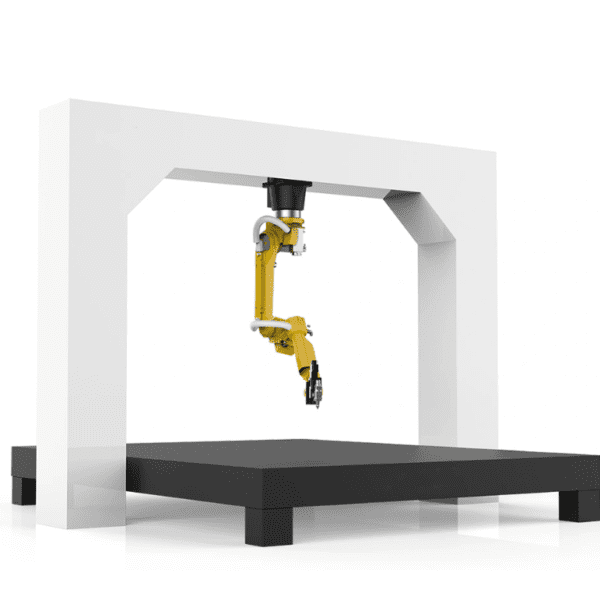
3D robot cutting machine
-
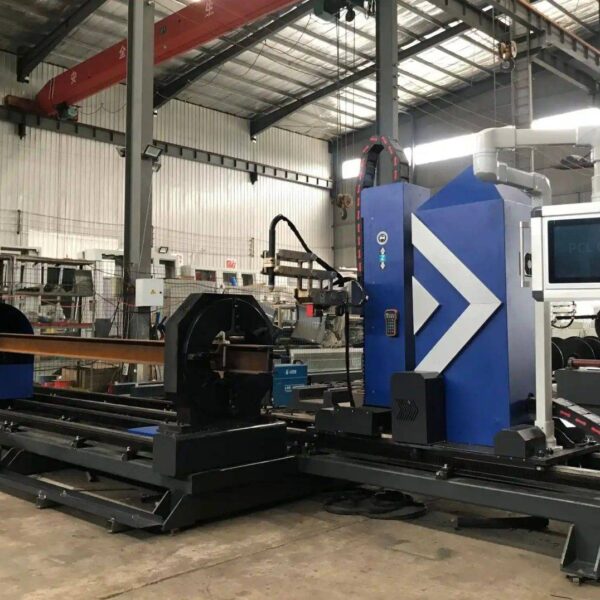
8 axis plasma cutting machine
-
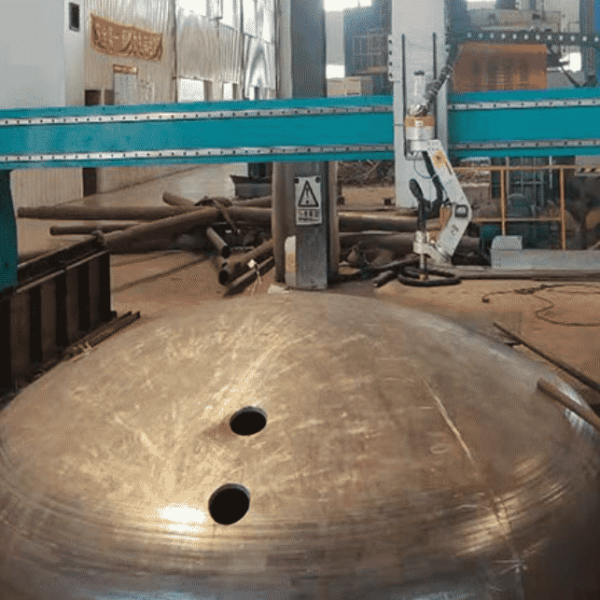
5 axis plasma cutting machine
-

LT360 tube laser cutting machine
-
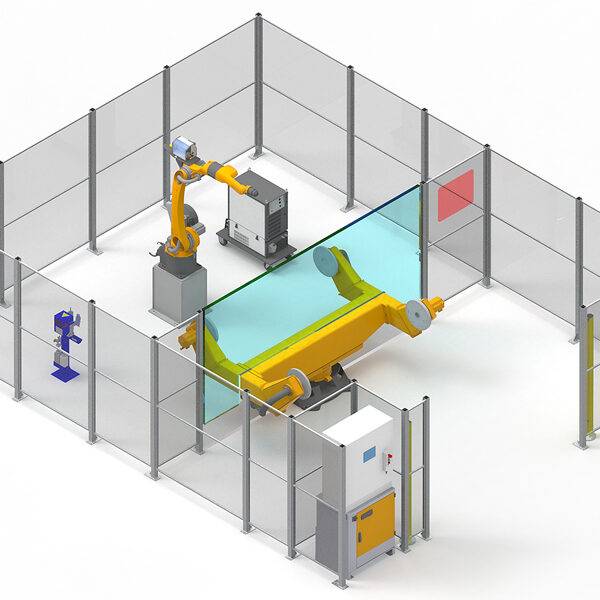
robot welding workstation
-
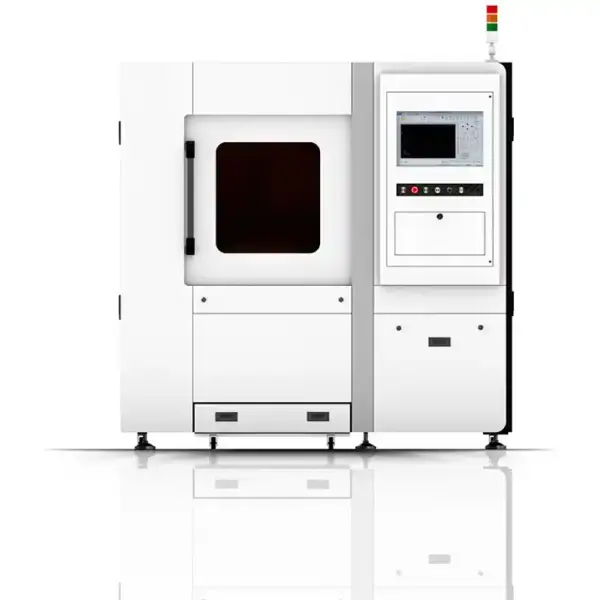
SF6060 fiber laser cutting machine
Advanced Fiber Laser Tube Processing Technology
Our CNC Fiber Laser Tube Cutting systems revolutionize metal fabrication by integrating high-precision cutting, punching, and profiling into a single automated workflow. Designed for versatility, this technology handles a wide array of profiles including Round, Square, Rectangular, and Oval tubes, as well as complex L-shaped and U-shaped channels.
- Precision Punching: High-speed hole punching with micron-level accuracy, eliminating the need for mechanical drilling or die-stamping.
- Complex Profiling: Advanced 3D pathing allows for intricate interlocking joints and specialized notch cuts, ideal for structural frames.
- High Material Efficiency: Intelligent nesting software minimizes scrap, reducing raw material costs across large production runs.
- Clean Finish: Delivers oxide-free, burr-free edges that require zero secondary grinding before welding.

Seamlessly processing multiple profiles with consistent precision.
Global Delivery & Logistics



From our high-tech manufacturing facility directly to your global site. PCL WeldCut ensures secure packaging, professional handling, and reliable international logistics to safeguard your equipment throughout the entire journey.