Field Evaluation: Integration of 6-Axis Collaborative Welder in Quebec Heavy-Duty Manufacturing
1.0 Introduction and Site Context
This report summarizes the technical findings from the Q3 deployment of a heavy-duty industrial 6-axis collaborative welder at a mid-sized fabrication facility in Laval, Quebec. The primary objective was the transition from manual GMAW (Gas Metal Arc Welding) to a semi-autonomous workflow specifically targeting galvanized pipe assemblies used in municipal infrastructure.
The Quebec industrial landscape currently faces a dual pressure: a critical shortage of CWB (Canadian Welding Bureau) certified high-level welders and a rigorous regulatory environment regarding workplace safety and emission controls. The implementation of Automated Welding systems is no longer a luxury for these shops; it is a prerequisite for maintaining throughput. This report focuses on the practical synergy between 6-axis kinematics and the specific metallurgical challenges of galvanized coatings.
2.0 The 6-Axis Collaborative Welder: Kinematic Requirements
In the context of pipe welding, the “6-Axis” component of the collaborative welder is non-negotiable. Unlike standard Cartesian robots or 4-axis SCARA units, a 6-axis arm provides the necessary Degrees of Freedom (DoF) to maintain a consistent torch work angle and travel angle relative to the curved surface of a pipe, especially when navigating saddle joints and branch connections.

2.1 Torch Orientation and Work Envelope
During the field test, we observed that maintaining a 10-to-15-degree push angle is critical when dealing with the zinc vapors inherent in galvanized pipe welding. The 6-axis collaborative welder allowed for real-time adjustments of the 5th and 6th axes (the wrist) to ensure the arc stayed at the leading edge of the puddle. In a manual environment, fatigue often leads to a “drag” angle, which traps zinc gas in the weld pool, leading to catastrophic porosity. The automated welding program fixed the torch orientation within a ±0.5-degree tolerance, a level of precision unattainable over an eight-hour shift by even the most skilled operator.
2.2 Collaborative Safety vs. Industrial Speed
The “Collaborative” aspect was tested against Quebec’s CNESST safety standards. Because the unit operates without the massive footprint of traditional light curtains and hard fencing, we were able to integrate the station directly into the existing flow of the shop. However, “collaborative” does not mean “slow.” By utilizing the high-speed non-collaborative mode when the area scanner detects no personnel, we achieved cycle times that matched traditional industrial robots while retaining the flexibility of hand-guiding (Lead-Through Programming) for quick set-ups on small-batch custom pipes.
3.0 Automated Welding Implementation Logic
Automated welding in a Quebec workshop requires a shift in philosophy from “part-by-part” to “process-by-process.” The synergy between the 6-axis hardware and the automation software was evaluated based on arc-on time and rework rates.
3.1 Programming for High-Mix/Low-Volume
The Laval facility specializes in diverse pipe diameters (ranging from 2″ to 8″ Schedule 40). We utilized a parametric programming block where the operator inputs the pipe diameter and wall thickness into the HMI, and the 6-axis collaborative welder automatically calculates the toolpath. This is where automated welding adds the most value: it de-skills the path generation. We reduced the changeover time from 45 minutes (manual setup) to under 4 minutes.
3.2 Sensing and Adaptive Control
A significant lesson learned involved the use of “Touch Sensing.” Galvanized pipes often have slight variations in outer diameter (OD) and seam height. The automated welding system was programmed to use the welding wire as a probe to find the pipe’s center and start point. This 3D offset ensures that even if the pipe is slightly misaligned in the jig, the 6-axis arm compensates, preventing the lack-of-fusion defects common in static automation.
4.0 Technical Deep-Dive: Galvanized Pipe Welding
Welding galvanized steel is a notoriously difficult process due to the zinc coating, which has a boiling point (907°C) significantly lower than the melting point of steel (approx. 1500°C). This discrepancy leads to the rapid expansion of zinc vapor within the arc column.
4.1 Mitigating Zinc-Induced Porosity
The field report identified three critical variables that the 6-axis collaborative welder managed more effectively than a human operator:
- Travel Speed: We found that a slower travel speed—contrary to intuition—allowed the zinc vapor to escape the weld pool before solidification. We locked the automated welding speed at 280mm/min for 4mm wall thickness.
- Arc Gap Maintenance: A consistent arc length of 2.5mm was maintained via the robot’s voltage sensing. Fluctuations in arc length in manual welding are the primary cause of spatter when welding galvanized pipe.
- Oscillation (Weaving): To further agitate the puddle and allow gas escape, we implemented a 2Hz “Z-shaped” weave pattern. The 6-axis precision allowed for a weave width of exactly 1.5mm, which effectively “boiled out” the zinc without overheating the Heat Affected Zone (HAZ).
4.2 Consumable Selection and Shielding Gas
In the Quebec facility, we moved away from standard 100% CO2 to a 92% Argon / 8% CO2 mixture. While CO2 provides better penetration, the Argon-rich mix produced a more stable arc with the collaborative welder’s pulse-spray settings. We utilized an E71T-11 self-shielded flux-core wire for some outdoor-bound assemblies, but for the majority of the indoor pipe work, a silicon-bronze or a specialized “low-zinc” solid wire provided the best results in the automated cycle.
5.0 The Quebec Environment: Lessons Learned
Operating a 6-axis collaborative welder in a Canadian climate introduces specific variables. During the winter months, the ambient temperature of the shop floor can drop, affecting the viscosity of the grease in the robotic joints and the temperature of the base metal.
5.1 Cold-Start Calibration
We implemented a 10-minute “warm-up” routine for the 6-axis arm to ensure kinematic accuracy. Furthermore, we found that galvanized pipe stored in unheated warehouses required a localized pre-heat to 50°C to drive off surface moisture (condensation) which, when combined with zinc vapors, increases the risk of hydrogen-induced cracking.
5.2 Compliance and Documentation
Under CWB W47.1, the welding procedure specification (WPS) must be strictly followed. The beauty of the automated welding system is its data-logging capability. For every galvanized pipe joint welded, the system recorded the amperage, voltage, and travel speed. This digital “birth certificate” for each part significantly reduced the administrative burden for the Quality Control (QC) department, as they no longer relied on manual logs for CWB compliance.
6.0 Practical Findings and ROI
The integration of the 6-axis collaborative welder resulted in a 35% increase in throughput for the galvanized pipe line. More importantly, the reject rate due to porosity dropped from 12% to under 1.5%.
6.1 Fume Extraction: The Critical Link
A major technical hurdle was fume extraction. Zinc oxide fumes are toxic. We integrated a high-vacuum extraction nozzle directly onto the torch of the 6-axis arm. Because the automated welding path is predictable, the extraction arm was always perfectly positioned to capture 95% of emissions at the source. This improved the shop’s air quality and complied with the stringent “Règlement sur la santé et la sécurité du travail” (RSST) in Quebec.
7.0 Conclusion
The synergy between a 6-axis collaborative welder and automated welding protocols is the only viable path forward for high-volume galvanized pipe fabrication in Quebec. The precision of the 6-axis movement allows for the specific “weave and pause” techniques required to manage zinc outgassing, while the automation ensures these techniques are applied consistently across every shift. Future deployments should focus on integrating vision systems to further automate the “fit-up” check, as the 6-axis arm is only as good as the geometry it is fed.
Signed,
Senior Welding Engineer
Quebec Field Division
-
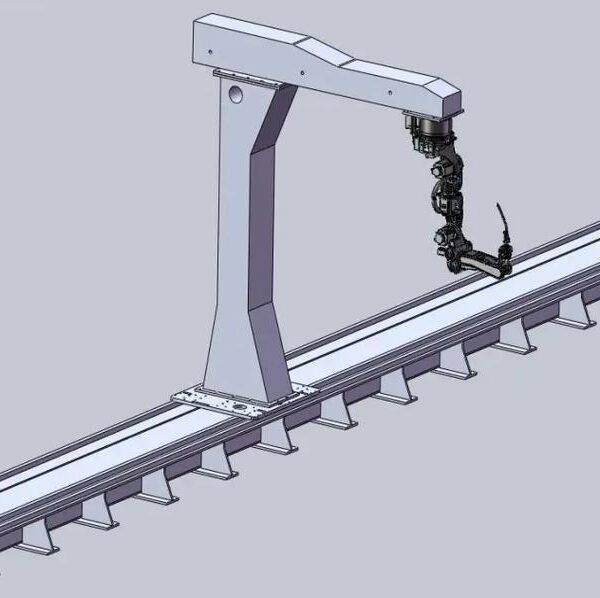

Cantilever Welding Robot solution
-
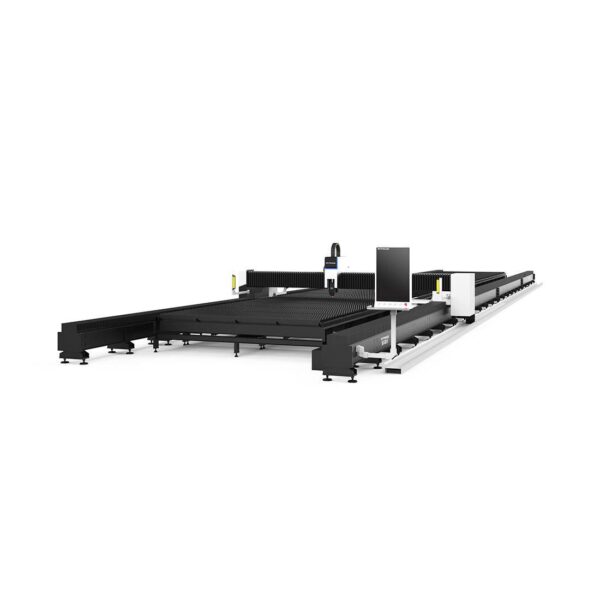

GF laser cutting machine
-
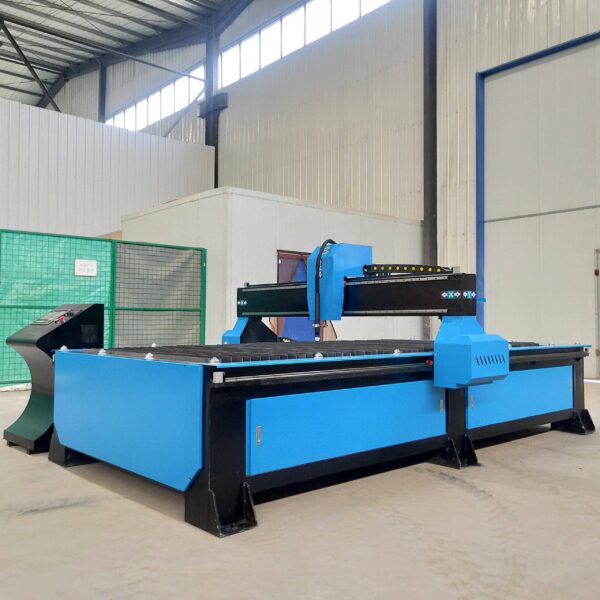
P3015 plasma cutting machine
-

LFP3015 Fiber Laser Cutter
-
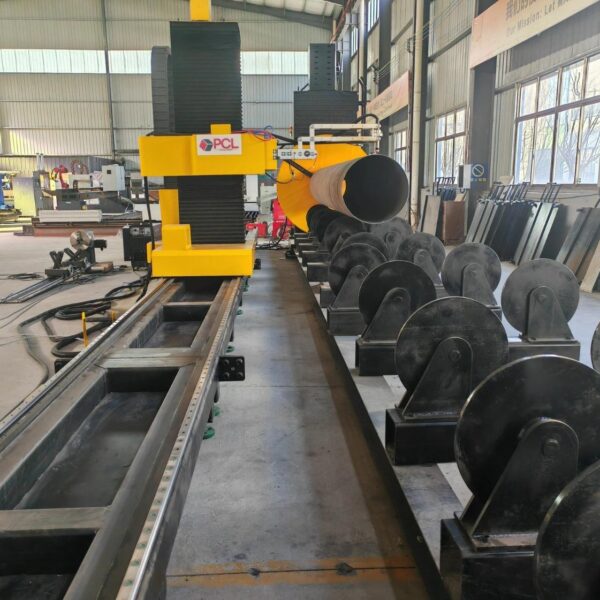
pipe plasma cutting machine
-
LFH 4020 Fiber Laser Cutting Machine
-
LFP4020
-
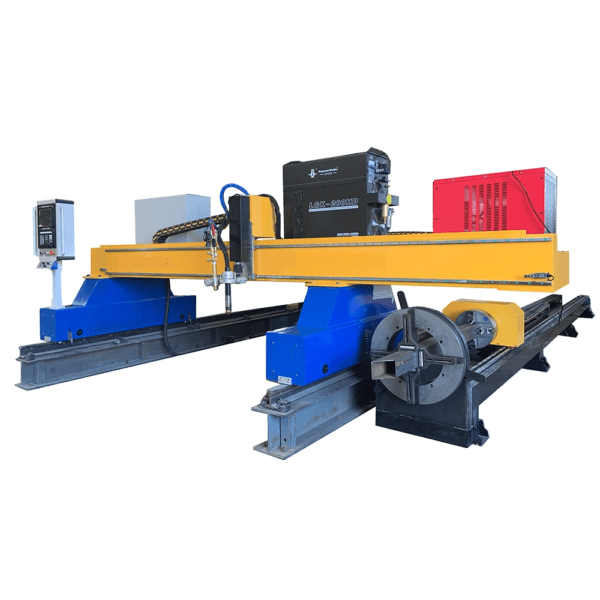
gantry plasma air cutting machine
-
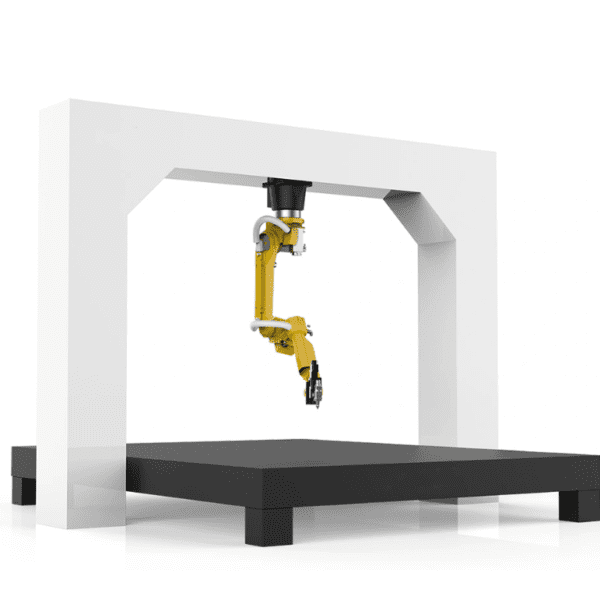
3D robot cutting machine
-
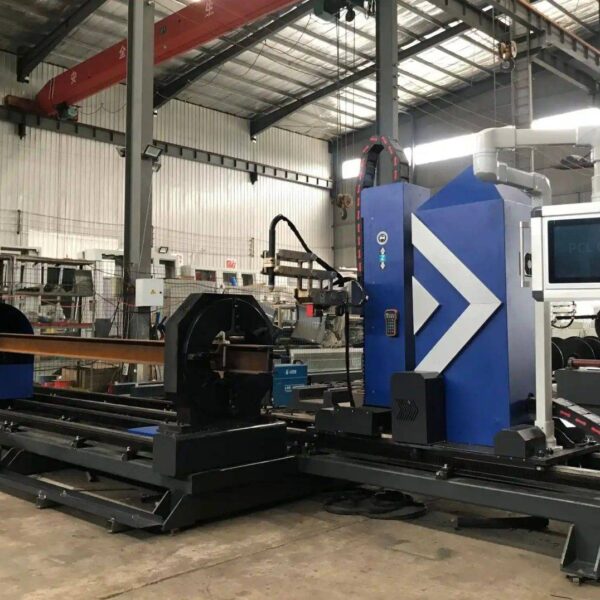
8 axis plasma cutting machine
-
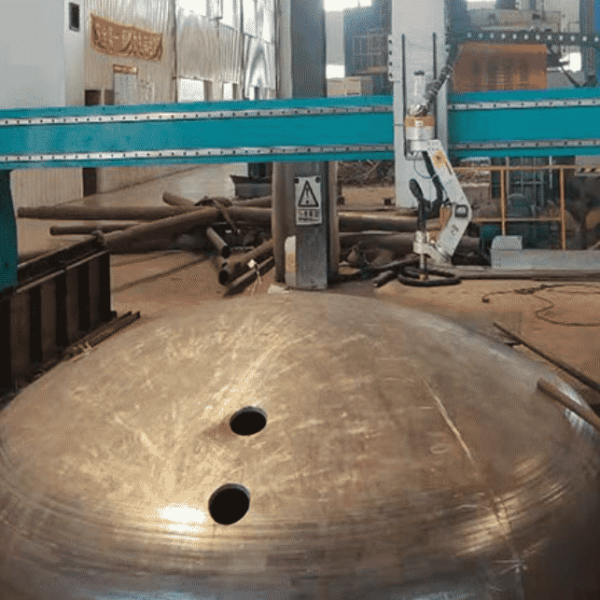
5 axis plasma cutting machine
-

LT360 tube laser cutting machine
-
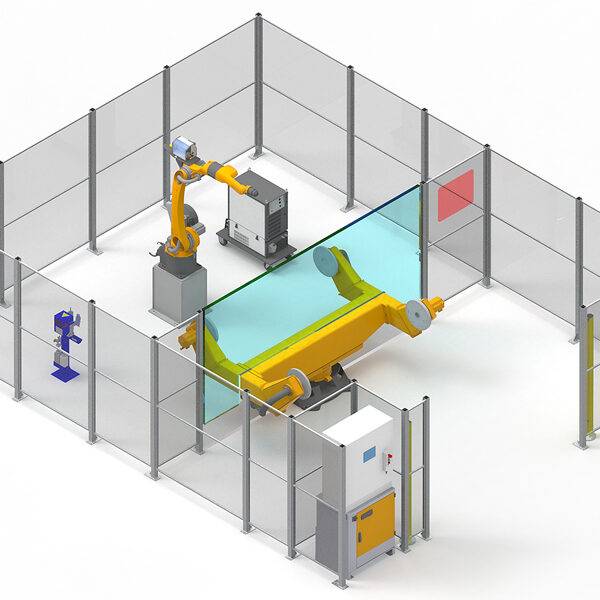
robot welding workstation
-
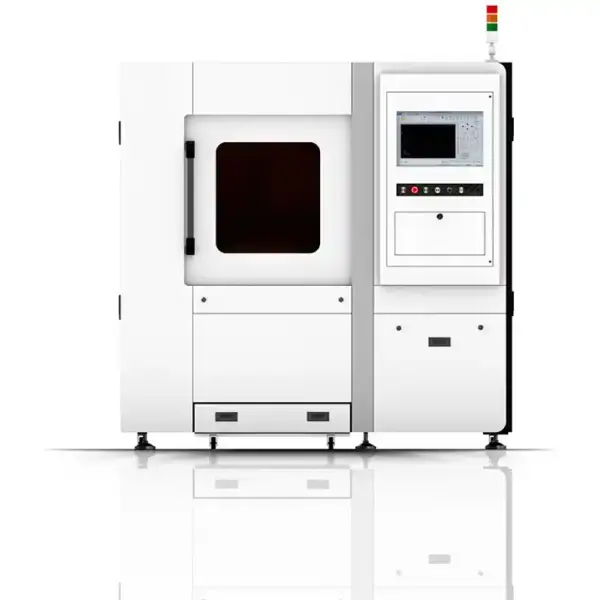
SF6060 fiber laser cutting machine
