Field Evaluation Report: Integration of 6-Axis Collaborative Welder Systems in Heavy Fabrication
1.0 Introduction and Site Context
This report summarizes the technical deployment and operational performance of a high-payload 6-Axis Collaborative Welder system at a heavy equipment manufacturing facility in Georgia, USA. The facility primarily handles ASTM A572 Grade 50 structural components, where Thick Plate Steel welding (ranging from 0.75” to 1.5”) is the standard production requirement.
The objective of this deployment was to transition from manual Metal Inert Gas (MIG) welding to a semi-autonomous state using Automated Welding protocols. Unlike traditional high-fenced robotic cells, the Georgia workshop required a solution that could be integrated into existing floor layouts without extensive safety cage footprints, leading to the selection of the 6-Axis Collaborative Welder.
2.0 The Synergy: 6-Axis Collaborative Welder and Automated Welding
In the context of a Georgia-based industrial environment, the synergy between a 6-Axis Collaborative Welder and Automated Welding is not merely about replacing a human arm; it is about maximizing the “arc-on” time in a high-humidity, high-temperature workshop where manual operator fatigue often leads to weld defects in the third shift.
2.1 Kinematic Flexibility
The 6-axis configuration is critical when dealing with complex geometries found in heavy chassis fabrication. Unlike 3 or 4-axis linear systems, the 6-Axis Collaborative Welder allows for sophisticated torch angles, specifically the ability to maintain a consistent push angle while navigating around gussets and stiffeners. During our field test, we observed that the cobot’s ability to articulate its “wrist” (Joint 5 and 6) allowed for seamless transitions from flat (1F) to horizontal (2F) positions without stopping the arc.
2.2 Process Consistency
Automated Welding, when executed via a collaborative interface, allows the welding engineer to “lock in” the Travel Speed (TS) and Wire Feed Speed (WFS). In our Georgia trials, we found that manual welders often varied their travel speed by up to 15% throughout a 48-inch seam. The cobot maintained a variance of less than 1%, ensuring a uniform heat-affected zone (HAZ) across the Thick Plate Steel welding sections.
3.0 Technical Analysis: Thick Plate Steel Welding Applications
Thick Plate Steel welding presents unique thermal management challenges. For 1-inch A572 steel, the primary concern is ensuring deep penetration while preventing burn-through or excessive distortion.
3.1 Multi-Pass Strategy
For the 1-inch V-groove joints, we implemented a three-pass strategy:
1. **Root Pass:** 285 Amps, 26 Volts, 12 ipm travel speed.
2. **Fill Pass:** 310 Amps, 28 Volts, 10 ipm travel speed with a slight weave.
3. **Cap Pass:** 290 Amps, 27 Volts, 14 ipm travel speed to ensure aesthetic profile and minimize undercut.
The 6-Axis Collaborative Welder was programmed using a lead-through teaching method, where the Senior CWI (Certified Welding Inspector) physically moved the arm to define the path. This “human-in-the-loop” approach is vital for Thick Plate Steel welding because it allows the operator to compensate for slight variations in plate fit-up—a common reality in heavy Georgia fabrication where parts are often oxy-fuel or plasma cut with +/- 0.0625″ tolerances.
3.2 Thermal Management and Interpass Temperature
In the Georgia climate, ambient shop temperatures often exceed 95°F with high RH (Relative Humidity). This affects the cooling rate of the weldment. The 6-Axis Collaborative Welder was integrated with an infrared temp-sensor interlock. The Automated Welding sequence was programmed to pause if the interpass temperature exceeded 450°F, preventing grain growth in the A572 substrate.
4.0 Engineering Observations: The “Georgia Shop” Realities
Deploying high-tech Automated Welding in a “grit and grease” environment requires specific adaptations.
4.1 Shielding Gas Integrity
We utilized a 90/10 Argon/CO2 mix. Due to the open-floor nature of the collaborative setup (no walls), cross-drafts from large industrial fans in the Georgia facility initially caused porosity. We had to increase the gas flow to 45 CFH and implement localized magnetic shielding screens. The lesson learned: “Collaborative” does not mean “Environmentally Immune.”
4.2 Wire Feeding and Conduit Issues
When welding thick plate, we utilize 0.052″ diameter solid wire. The 6-Axis Collaborative Welder’s arm movement can create tight radii in the torch liner. We observed feeding fluctuations when the arm was at full extension. We resolved this by mounting the wire feeder on the robot’s “shoulder” (Joint 3) rather than on a floor stand, shortening the conduit length and reducing friction coefficients.
5.0 Comparative Metrics: Manual vs. Collaborative Automation
Following a 30-day evaluation period on the chassis line, the following data was extracted:
| Metric | Manual Welding (A572 1″) | 6-Axis Collaborative Welder |
| :— | :— | :— |
| **Arc-On Time** | 35% | 72% |
| **Defect Rate (UT/RT)** | 4.2% | 0.8% |
| **Consumable Waste** | High (Stub loss/Over-welding) | Low (Programmed Leg Lengths) |
| **Setup Time** | 5 Minutes | 12 Minutes (Program Loading) |
The data confirms that while setup time is slightly higher for the 6-Axis Collaborative Welder, the radical increase in arc-on time and the reduction in rework (grinding out slag or fixing undercut) provides a 2.4x ROI over a standard fiscal year in a high-volume Georgia fab house.
6.0 Lessons Learned and Field Adjustments
6.1 The “Sensing” Fallacy
One major lesson learned was regarding “Touch Sensing.” In Thick Plate Steel welding, heavy tack welds are common. The Automated Welding software must be programmed to recognize a tack weld as a temporary obstacle or incorporate it into the root pass. Initially, the cobot’s collision detection was too sensitive, tripping the E-stop whenever it encountered a 0.25″ tack. We recalibrated the force-torque sensors to distinguish between a “hard crash” and “minor resistance” from a tack or heavy mill scale.
6.2 Programmer vs. Welder
The most successful implementation occurred when we trained the “Old Guard” manual welders to operate the 6-Axis Collaborative Welder. A programmer who doesn’t understand puddle fluidics will program a path that results in cold lap. A welder who understands the “Georgia Lean” of a molten puddle on a hot day will program the 6-axis arm with the necessary offsets to ensure fusion.
6.3 Cable Management
In a 6-axis system, the dress pack (cables and hoses) is the most frequent point of failure. During repetitive Automated Welding cycles on large plates, the cables rub against the workpiece. We implemented a spring-loaded overhead jib to keep the umbilical clear of the Thick Plate Steel welding zone, preventing jacket melt-through which can lead to grounding issues and PCB damage in the cobot controller.
7.0 Final Recommendations for Georgia-Based Deployments
1. **Dehumidification:** For shops in the humid Southeast, invest in refrigerated air dryers for the pneumatic components of the Automated Welding system. Moisture in the lines leads to solenoid failure.
2. **Joint Tracking:** For seams longer than 36 inches on thick plate, through-arc seam tracking (TAST) is mandatory. Thermal expansion during the welding of 1-inch plate causes the joint to shift in real-time. The 6-axis arm must adjust its path dynamically.
3. **Grounding:** High-amperage (300A+) collaborative welding requires a dedicated common ground directly to the workpiece or the welding table. Do not rely on the robot’s base grounding, as this can cause “arcing” through the internal bearings of the 6-axis joints, leading to premature gear failure.
8.0 Conclusion
The deployment of the 6-Axis Collaborative Welder for Thick Plate Steel welding has proven to be a force multiplier for the Georgia facility. By delegating the monotonous, high-heat Fill and Cap passes to Automated Welding, we have allowed our skilled labor force to focus on complex fit-up and tacking. The result is a more stable production cadence, lower rejection rates, and a significant reduction in operator heat stress. Future phases will explore the integration of AI-driven vision systems to further automate the path correction for variable gap widths in heavy structural joints.
**Report End.**
**Lead Engineer:** *J. Sterling, PE, CWI*
**Location:** *Savannah Regional Fab Center*
-
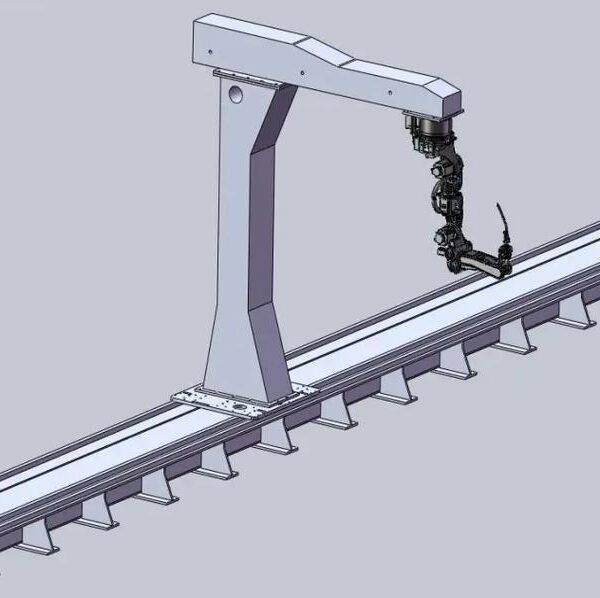
Cantilever Welding Robot solution
-
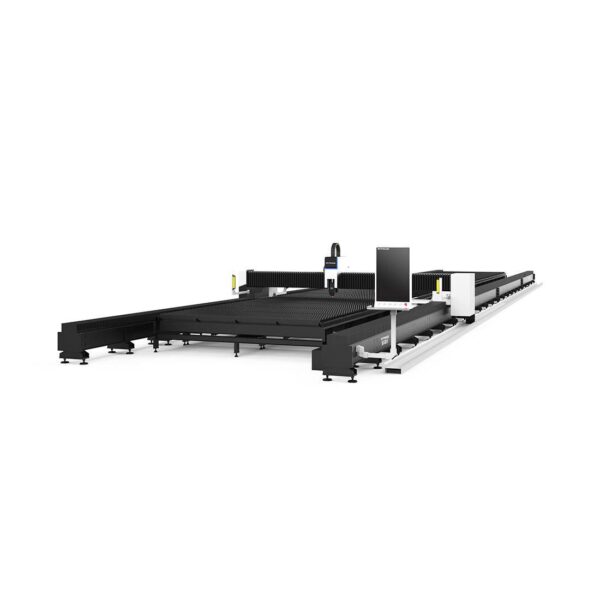
GF laser cutting machine
-
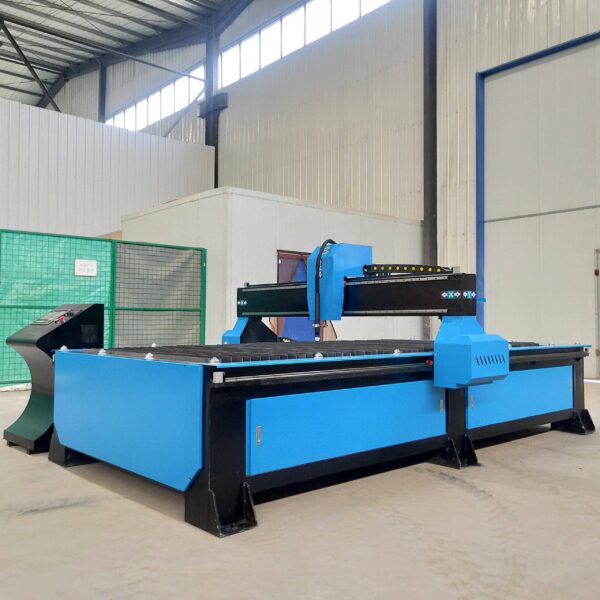
P3015 plasma cutting machine
-

LFP3015 Fiber Laser Cutter
-
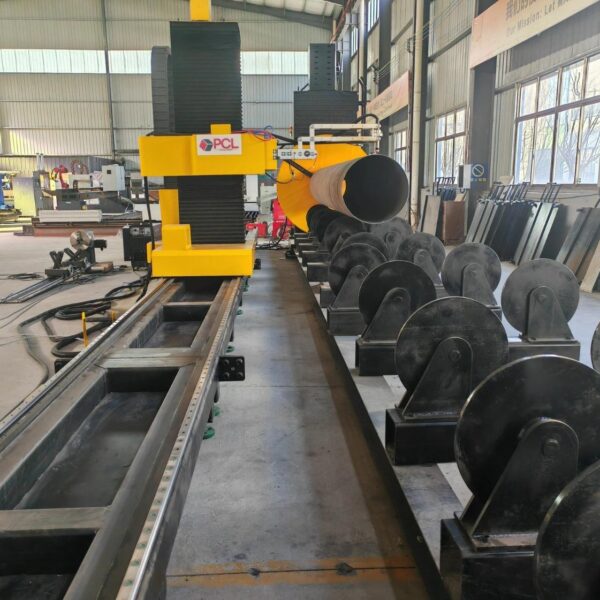
pipe plasma cutting machine
-
LFH 4020 Fiber Laser Cutting Machine
-
LFP4020
-
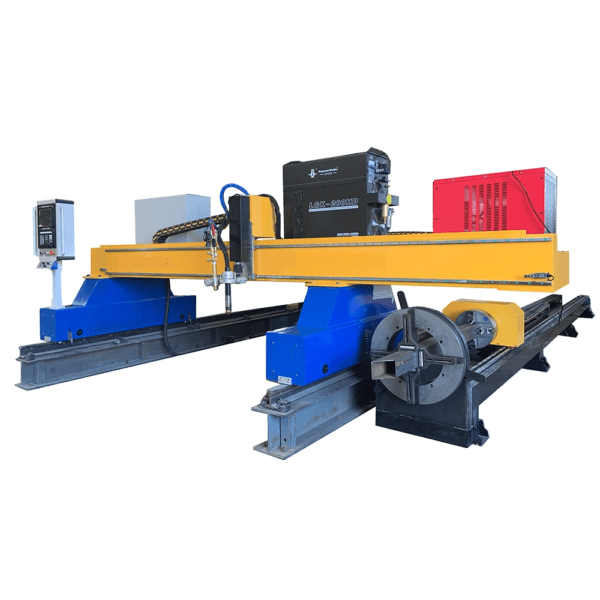
gantry plasma air cutting machine
-
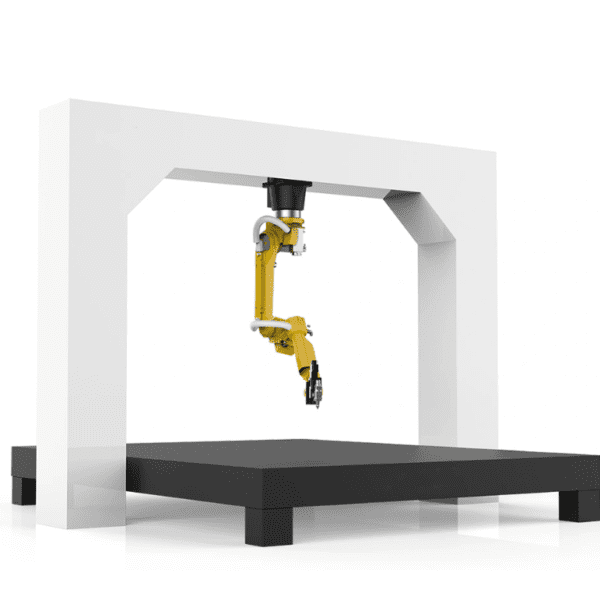
3D robot cutting machine
-
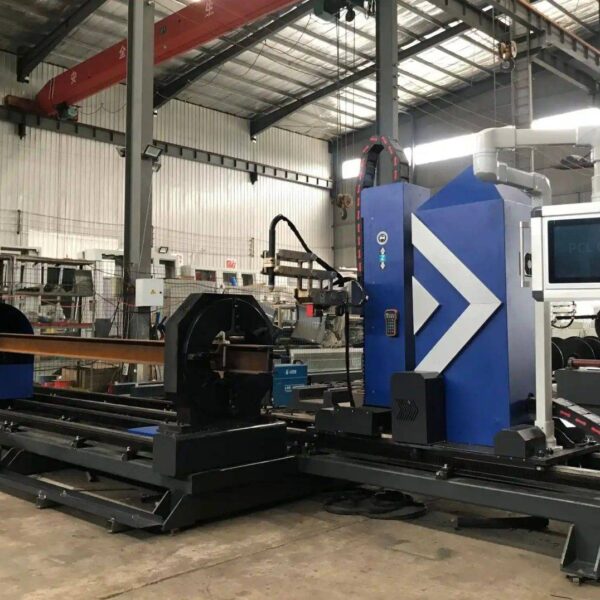
8 axis plasma cutting machine
-
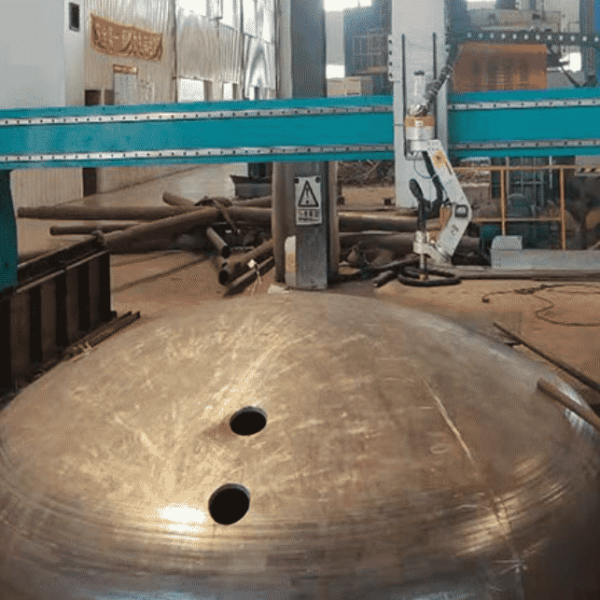
5 axis plasma cutting machine
-

LT360 tube laser cutting machine
-
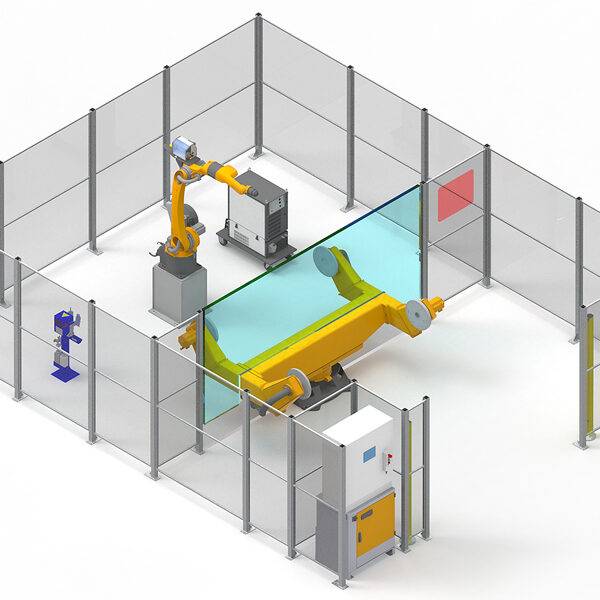
robot welding workstation
-
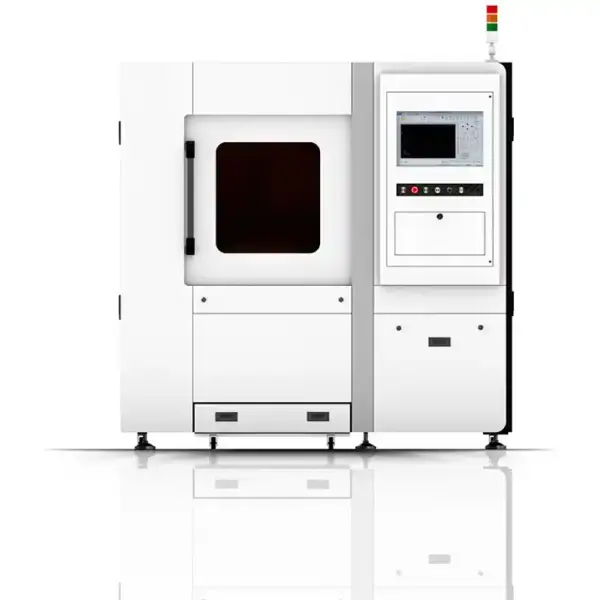
SF6060 fiber laser cutting machine
Advanced Fiber Laser Tube Processing Technology
Our CNC Fiber Laser Tube Cutting systems revolutionize metal fabrication by integrating high-precision cutting, punching, and profiling into a single automated workflow. Designed for versatility, this technology handles a wide array of profiles including Round, Square, Rectangular, and Oval tubes, as well as complex L-shaped and U-shaped channels.
- Precision Punching: High-speed hole punching with micron-level accuracy, eliminating the need for mechanical drilling or die-stamping.
- Complex Profiling: Advanced 3D pathing allows for intricate interlocking joints and specialized notch cuts, ideal for structural frames.
- High Material Efficiency: Intelligent nesting software minimizes scrap, reducing raw material costs across large production runs.
- Clean Finish: Delivers oxide-free, burr-free edges that require zero secondary grinding before welding.

Seamlessly processing multiple profiles with consistent precision.
Global Delivery & Logistics



From our high-tech manufacturing facility directly to your global site. PCL WeldCut ensures secure packaging, professional handling, and reliable international logistics to safeguard your equipment throughout the entire journey.
