Precision H-Beam Fabrication for Medical Equipment Infrastructure
The manufacturing of medical equipment infrastructure, such as oncology radiation therapy bases and heavy-duty diagnostic imaging platforms, requires structural integrity coupled with extreme dimensional precision. Traditional H-beam processing—relying on mechanical sawing, manual drilling, and oxy-fuel cutting—frequently fails to meet the stringent tolerances required for sensitive medical hardware. The integration of fiber laser resonators specifically configured for structural steel allows for a shift from raw industrial fabrication to high-precision engineering.
Controlling Thermal Deformation in Thin and Heavy Wall H-Beams
Thermal management is the primary challenge when applying laser energy to structural H-beams. In medical environments, frames must be perfectly level to ensure the calibration of robotic arms and imaging sensors. Traditional thermal cutting methods introduce a significant heat-affected zone, leading to material warping and internal stress redistribution. This often results in a “bowing” effect along the flange or web of the beam.
Modern H-beam laser systems mitigate this through real-time thermal compensation algorithms. By utilizing multi-point sensing and non-contact height tracking, the machine adjusts the focal position and cutting speed dynamically. This ensures that the energy input is optimized for the specific thickness of the web versus the flange. Because the laser beam is concentrated, the total heat input is a fraction of that used in plasma or oxy-fuel processes. The result is a component that remains dimensionally stable, eliminating the need for post-cut hydraulic straightening or stress-relief annealing.
Aesthetics and Hidden Design for Medical Environments
Medical equipment must often bridge the gap between heavy industrial support and sterile, aesthetic furniture design. High-end medical suites require hidden fastening systems to maintain hygiene and visual appeal. Laser cutting enables the execution of seamless welding preparations and complex 3D intersection trajectories that are impossible to achieve with mechanical tooling.
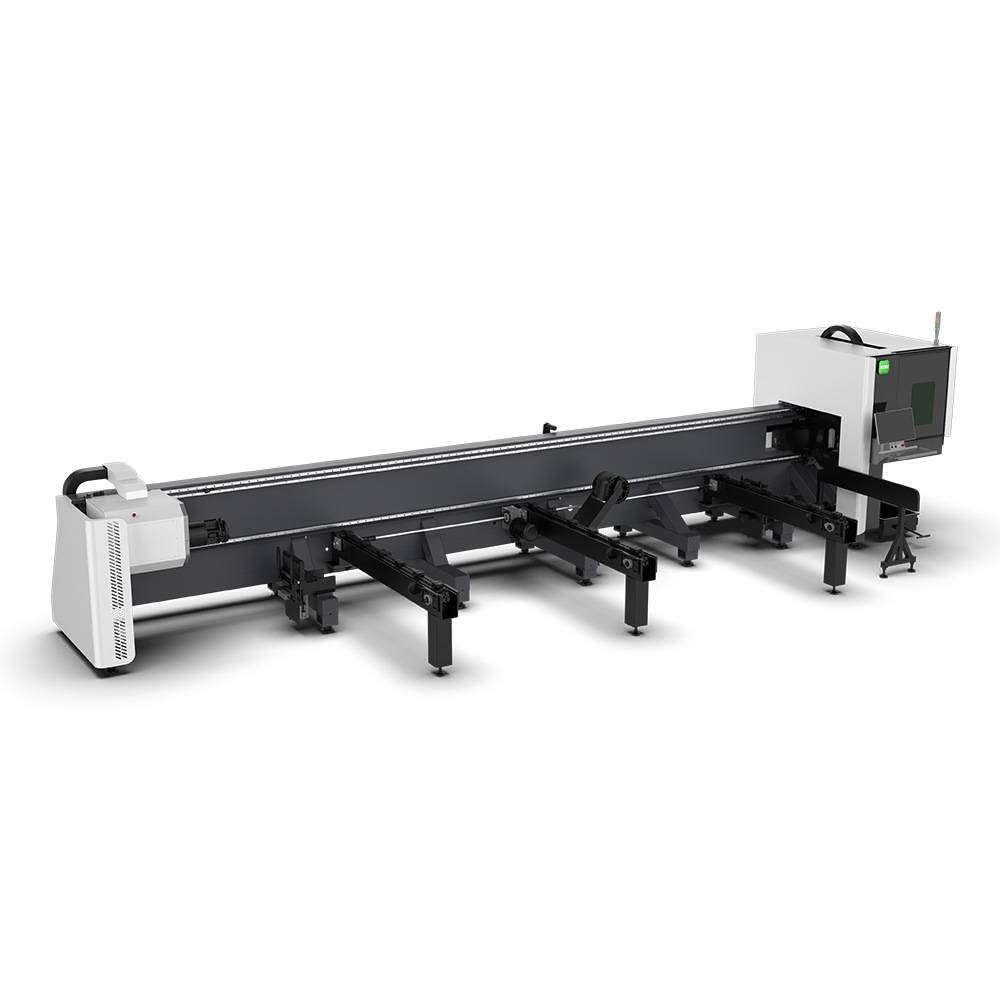
The precision of the laser allows for the creation of “hidden” industrial design holes—recessed slots and internal tabs that allow H-beams to interlock before welding. This self-fixturing capability ensures that the final assembly is square and true. Furthermore, the laser produces a clean, oxide-free edge. For medical furniture, this means welding can occur immediately without grinding. The resulting weld beads are uniform and require minimal finishing, facilitating the smooth, “seamless” appearance required for powder-coated medical housings.
Market Competitiveness: From Days to Hours
Lead time is a critical differentiator in the medical supply chain. Traditional fabrication of a complex H-beam frame involves multiple stations: a band saw for length, a magnetic drill for bolt holes, and a manual grinder for weld prep. This fragmented workflow typically consumes three working days for a standard batch of medical base frames.
By consolidating these operations into a single laser processing cycle, the timeline is compressed from 3 days to approximately 3 hours. The ability to cut complex intersections, such as mitered joints with intricate cable pass-throughs, in a single pass removes the bottleneck of manual layout and marking. This speed does not come at the cost of quality; the laser maintains a repeatable accuracy of +/- 0.2mm, which is significantly higher than the +/- 2.0mm standard of manual structural fabrication.
Workflow Efficiency and ERP Integration
The efficiency of H-beam laser cutting extends into the digital office. Modern systems utilize digital nesting logic that integrates directly with a facility’s ERP system. When a design for a new medical scanner mount is finalized in CAD, the data is exported directly to the nesting software. The software calculates the most efficient use of the raw H-beam stock, minimizing scrap rates which are often 15-20% higher in manual sawing operations.
This digital thread ensures that every hole, notch, and bevel is accounted for before the material even reaches the machine bed. Because the output is burr-free, the secondary processing stage—traditionally the most labor-intensive part of structural work—is eliminated. Components move directly from the laser discharge table to the welding cell, creating a lean manufacturing flow that supports Just-In-Time (JIT) production schedules for medical OEMs.
Technical Performance Comparison
| Metric | Traditional Fabrication | H-Beam Laser System |
|---|---|---|
| Processing Time (Batch) | 72 Hours | 3 Hours |
| Dimensional Accuracy | ± 2.0 mm | ± 0.2 mm |
| Secondary Grinding | Mandatory (Burrs/Oxide) | None (Burr-free) |
| Thermal Distortion | High (Requires Straightening) | Minimal (Controlled) |
| Joint Complexity | Simple 90° / Miters | Complex 3D Intersections |
Eliminating Human Error in Complex Assemblies
In medical manufacturing, a single misplaced bolt hole in an H-beam can lead to catastrophic delays during cleanroom assembly. Laser cutting eliminates the manual “center-punch and drill” method, which is prone to human error and cumulative tolerance stack-up. The laser machine’s internal probing system verifies the beam’s actual dimensions—accounting for mill tolerances in the raw steel—and shifts the cutting program to match the physical center-line of the workpiece. This ensures that every feature is placed with absolute precision relative to the actual geometry of the beam.
Structural Integrity and Final Considerations
The use of H-beam laser cutting represents a fundamental shift for medical equipment manufacturers. By controlling thermal deformation, companies can produce frames that support tons of sensitive equipment while maintaining the aesthetic finish of high-end furniture. The reduction in lead time and the elimination of secondary processing provide a clear ROI, allowing manufacturers to respond faster to market demands without sacrificing the precision that medical applications dictate. The transition to a digital, laser-centric workflow is no longer an optional upgrade but a necessity for staying competitive in a high-tolerance industry.
-
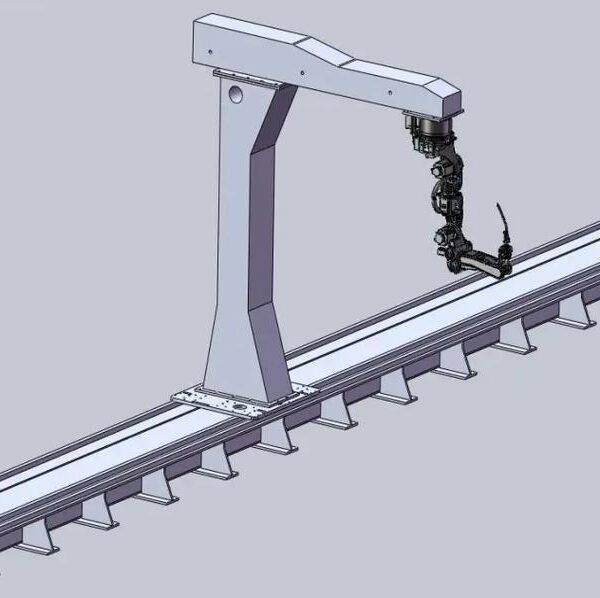

Cantilever Welding Robot solution
-
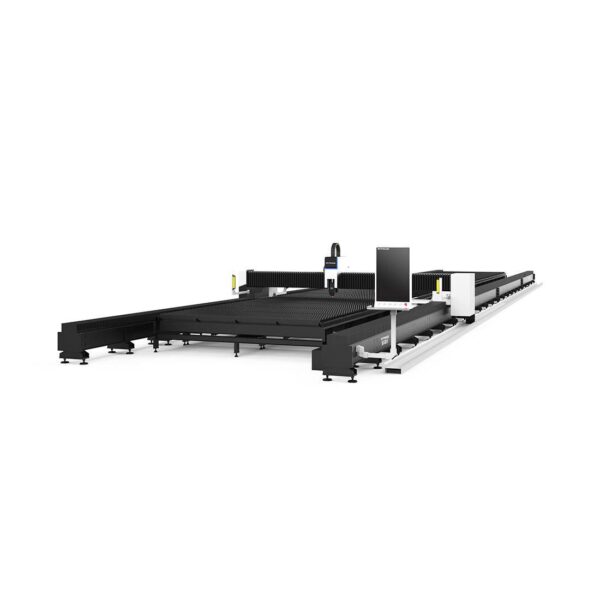

GF laser cutting machine
-
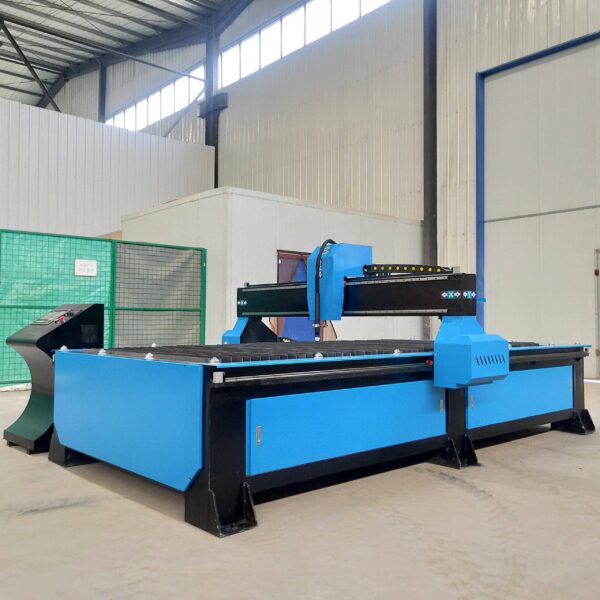
P3015 plasma cutting machine
-

LFP3015 Fiber Laser Cutter
-
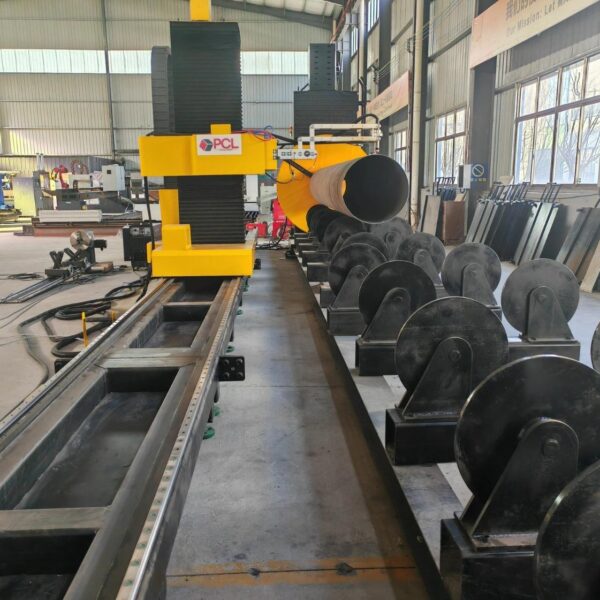
pipe plasma cutting machine
-
LFH 4020 Fiber Laser Cutting Machine
-
LFP4020
-
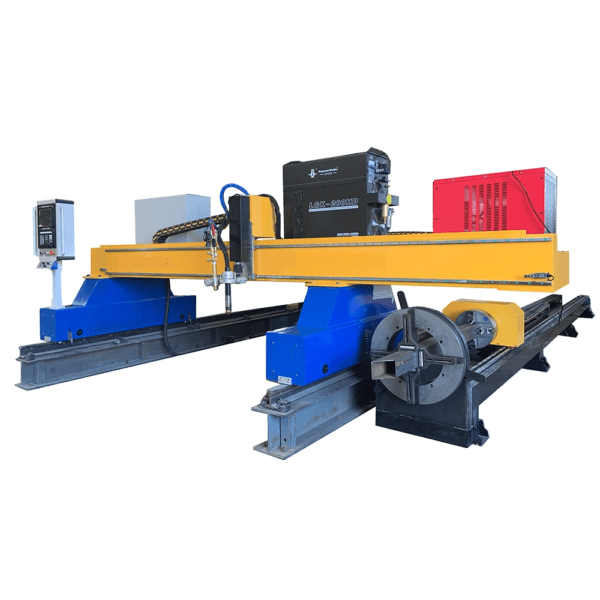
gantry plasma air cutting machine
-
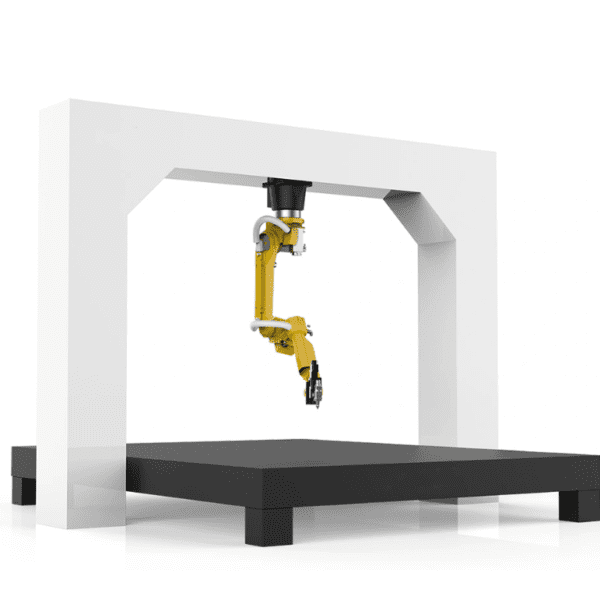
3D robot cutting machine
-
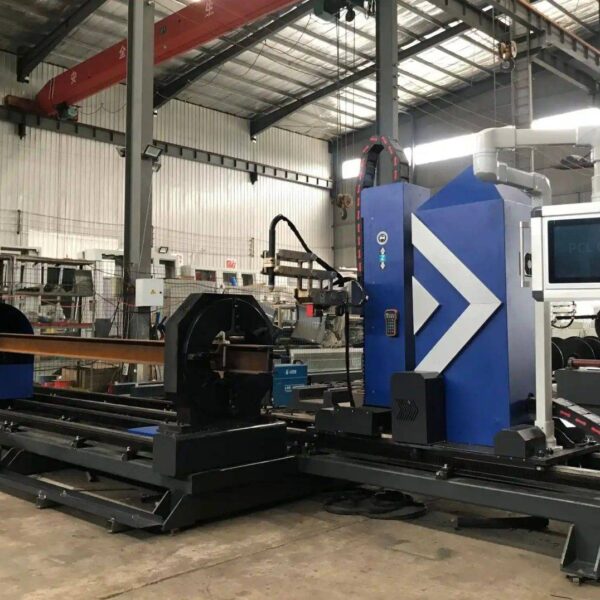
8 axis plasma cutting machine
-
5 axis plasma cutting machine
-

LT360 tube laser cutting machine
-
robot welding workstation
-
SF6060 fiber laser cutting machine
