High-Precision H-Beam Processing for Structural Gym Equipment
The production of heavy-duty fitness equipment—specifically power racks, functional trainers, and weight-bearing benches—requires structural integrity that standard thin-walled tubing cannot provide. Manufacturers are increasingly moving toward H-beam profiles to handle higher static and dynamic loads. However, traditional processing methods involving manual sawing, drilling, and deburring create bottlenecks. The integration of an H-beam laser cutting machine with an Automatic bundle loader addresses these inefficiencies by consolidating multiple fabrication steps into a single automated cycle.
Intelligence: Material Utilization and Structural Integrity
In high-volume gym equipment manufacturing, material costs account for a significant portion of the total overhead. Standard cutting methods often result in scrap rates exceeding 15% due to manual measurement errors and wide saw blade kerfs. Modern fiber laser systems utilize advanced Nesting Software to optimize the arrangement of parts along the H-beam. This software calculates the most efficient sequence, achieving up to 95% material utilization. By nesting complex geometries—such as bolt holes for adjustable racks and interlocking joints—directly onto the raw beam, the system minimizes the remaining “bone” or scrap.
Beyond placement optimization, structural integrity is maintained through automatic Weld Seam Recognition. H-beams and heavy square tubes often possess longitudinal weld seams from the mill. In gym equipment, placing a stress-bearing bolt hole or a critical bend directly on a weld seam can lead to structural failure under heavy load. The laser system uses high-resolution sensors to detect the seam’s position and automatically rotates the beam or adjusts the cutting path to ensure that all apertures and notches are positioned on the base metal, maintaining the safety ratings required for commercial fitness environments.
Hardware Engineering: Vibration Damping and Chuck Configuration
The foundation of cutting accuracy lies in the machine bed construction. For H-beam processing, where raw materials can weigh hundreds of kilograms, a standard welded steel frame is insufficient. A Cast Iron Bed is required to provide superior vibration damping. The high carbon content of cast iron absorbs the kinetic energy generated by high-speed laser head movements and the heavy rotation of the beam. This thermal and mechanical stability ensures that tolerances remain within ±0.03mm, preventing the jagged edges or dimensional deviations that occur with lighter, welded frames.
The clamping mechanism is the second critical hardware factor. While a 2-chuck system is standard for light tubes, H-beams require a 3-chuck configuration to ensure stability and material economy.
Technical Comparison: 2-Chuck vs. 3-Chuck Systems
| Feature | 2-Chuck System | 3-Chuck System |
|---|---|---|
| Support Length | Limited; beam may sag in center. | Full support throughout the cutting zone. |
| Tailings Waste | 200mm – 300mm per beam. | Achieves Zero Tailing (near-zero waste). |
| Processing Accuracy | Vibration increases as beam shortens. | Constant clamping force eliminates vibration. |
| Heavy Load Handling | Risk of slippage on heavy H-beams. | Distributed torque for secure rotation. |
The 3-chuck system allows the machine to pass the beam through the middle chuck and hand it off to the final chuck, enabling cutting right to the edge of the material. In a facility processing 50 beams per day, reducing the tailing waste from 250mm to 0mm saves approximately 12.5 meters of raw material daily, significantly impacting the annual ROI.
Workflow Efficiency and Digital Integration
The primary bottleneck in gym equipment assembly is the “secondary processing” phase. Traditional sawing leaves burrs and slag that must be manually ground down before welding or powder coating. Fiber laser cutting produces a finished edge that is burr-free. The concentrated energy density of the laser creates a narrow heat-affected zone (HAZ), preserving the metallurgical properties of the H-beam flanges and web. Parts can move directly from the outfeed conveyor to the welding station, eliminating the labor-intensive cleaning stage.
Integration with Enterprise Resource Planning (ERP) systems further streamlines the workflow. Digital nesting files are generated in the office and sent directly to the machine’s control unit. The Automatic Bundle Loader allows the operator to load up to 3 tons of H-beams at once. The system automatically measures the length of each beam, cross-references it with the ERP job order, and executes the cuts. This removes the “human-in-the-loop” requirement for measurement and loading, allowing a single operator to manage multiple machines simultaneously.
Optimizing the Production of Complex Geometries
Gym equipment design often requires complex intersections where one H-beam meets another at an angle or where a round tube must pass through the H-beam web. Manually milling these “fish-mouth” cuts or rectangular apertures is time-consuming and prone to fit-up errors. The 3D cutting capability of the laser head allows for precise beveling and complex contouring.
When the H-beam is held securely by the 3-chuck mechanism, the laser can execute high-speed perpendicular cuts and angled chamfers with the same tool. This precision ensures that when parts reach the welding jig, the fit-up is tight. Tight fit-up reduces the amount of filler metal required and minimizes the risk of weld distortion, which is critical for maintaining the symmetry of large frames like squat racks.
Conclusion: The Technical Advantage
Shifting to an automated H-beam laser cutting system is not merely an upgrade in cutting speed; it is a fundamental shift in manufacturing logic. By utilizing a Cast Iron Bed for stability, a 3-chuck system for Zero Tailing, and intelligent software for Weld Seam Recognition, manufacturers can produce higher-quality gym frames at a lower cost per unit. The elimination of secondary processing and the integration of ERP-driven nesting transform the shop floor into a high-efficiency digital fabrication environment, capable of meeting the rigorous demands of the modern fitness industry.
-
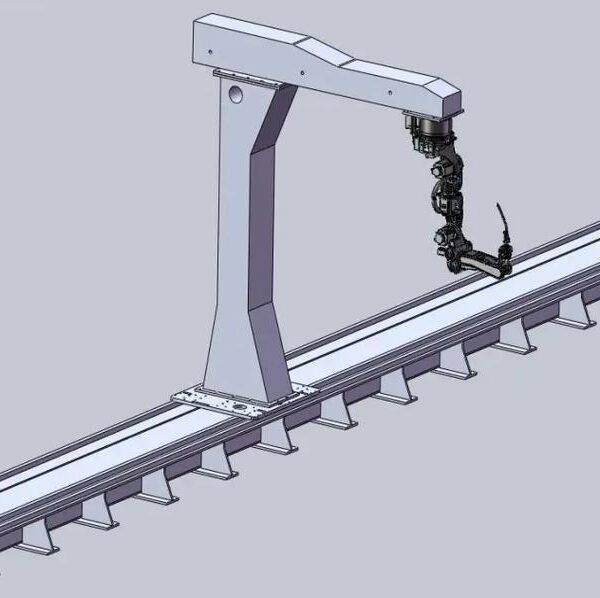
Cantilever Welding Robot solution
-
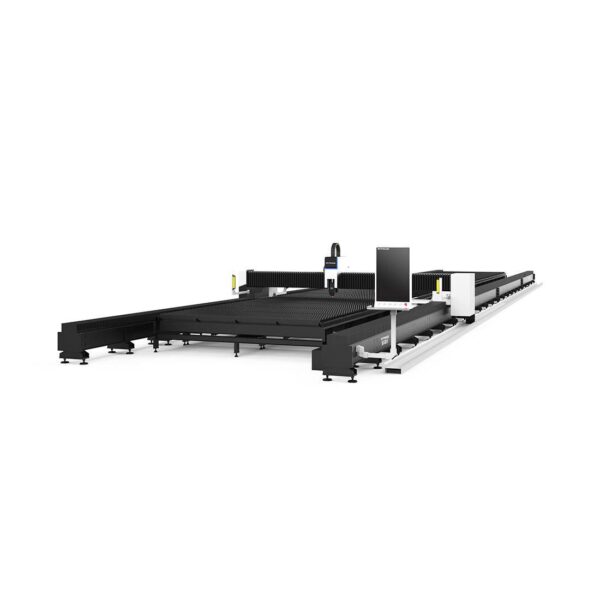
GF laser cutting machine
-
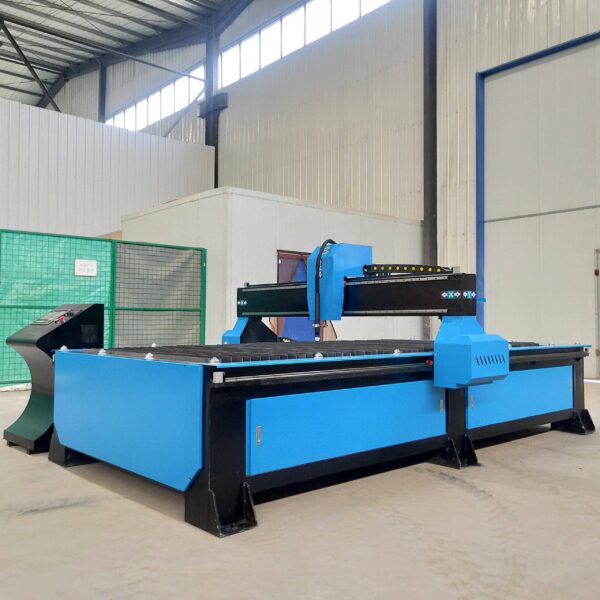
P3015 plasma cutting machine
-

LFP3015 Fiber Laser Cutter
-
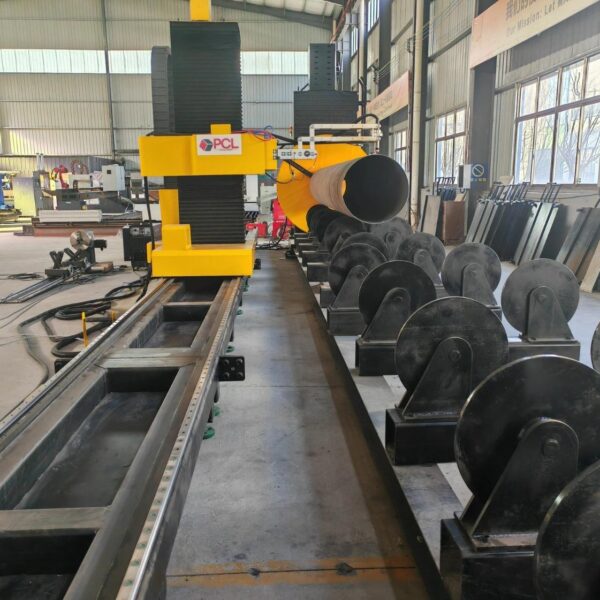
pipe plasma cutting machine
-
LFH 4020 Fiber Laser Cutting Machine
-
LFP4020
-
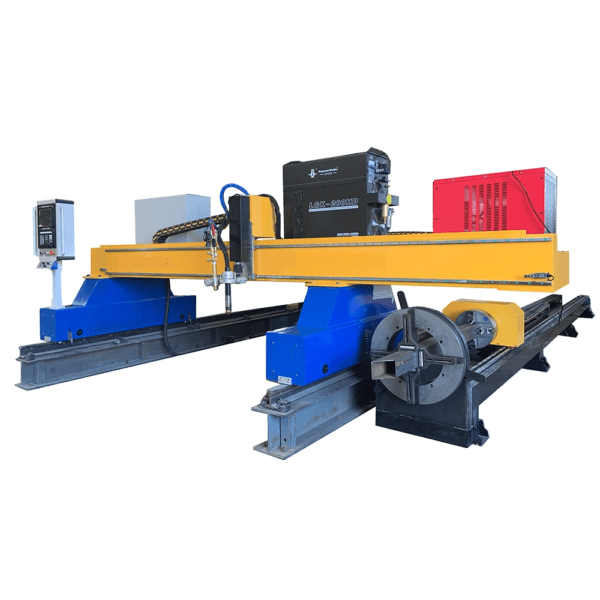
gantry plasma air cutting machine
-
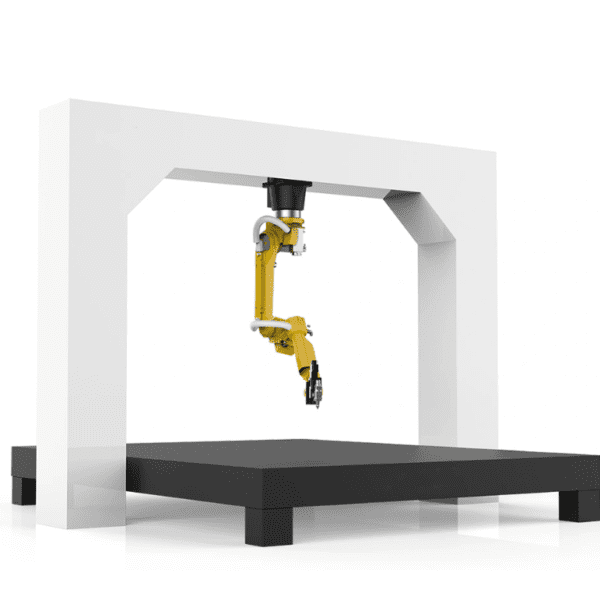
3D robot cutting machine
-
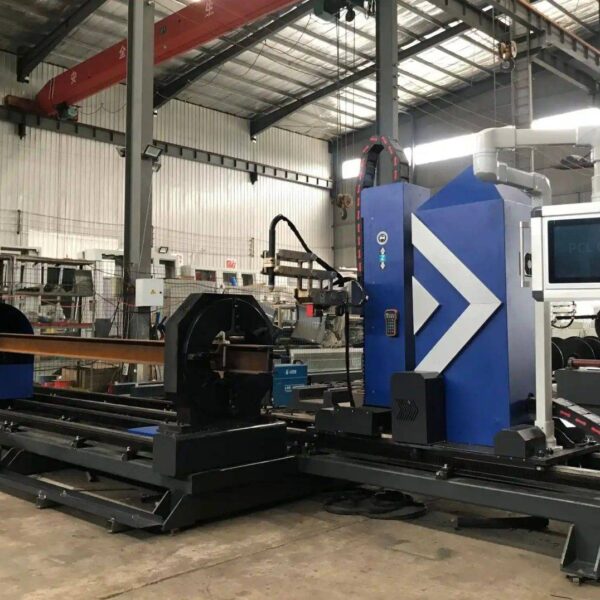
8 axis plasma cutting machine
-
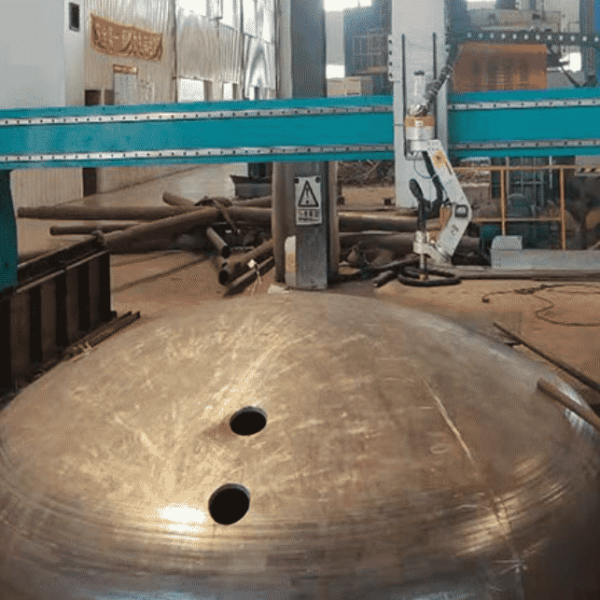
5 axis plasma cutting machine
-

LT360 tube laser cutting machine
-
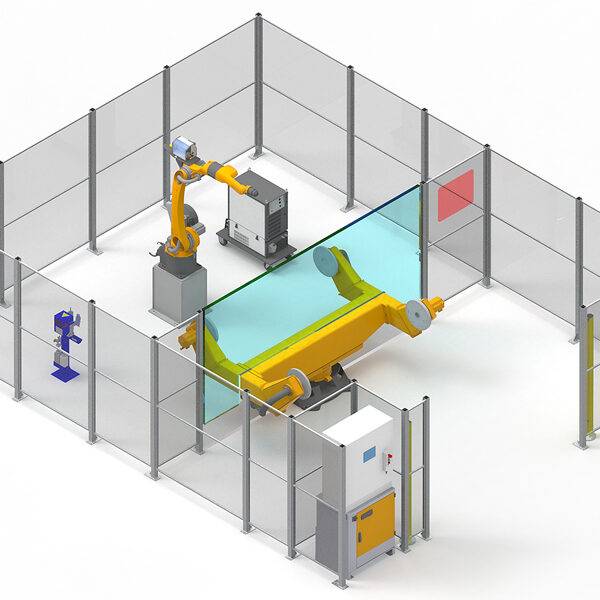
robot welding workstation
-
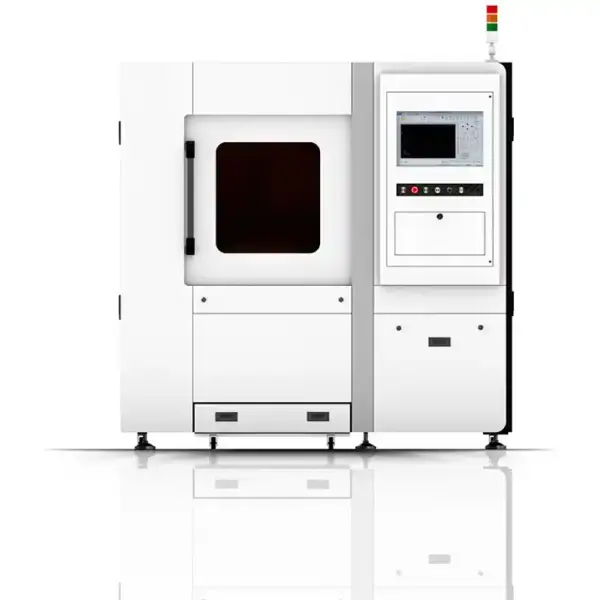
SF6060 fiber laser cutting machine
Advanced Fiber Laser Tube Processing Technology
Our CNC Fiber Laser Tube Cutting systems revolutionize metal fabrication by integrating high-precision cutting, punching, and profiling into a single automated workflow. Designed for versatility, this technology handles a wide array of profiles including Round, Square, Rectangular, and Oval tubes, as well as complex L-shaped and U-shaped channels.
- Precision Punching: High-speed hole punching with micron-level accuracy, eliminating the need for mechanical drilling or die-stamping.
- Complex Profiling: Advanced 3D pathing allows for intricate interlocking joints and specialized notch cuts, ideal for structural frames.
- High Material Efficiency: Intelligent nesting software minimizes scrap, reducing raw material costs across large production runs.
- Clean Finish: Delivers oxide-free, burr-free edges that require zero secondary grinding before welding.

Seamlessly processing multiple profiles with consistent precision.
Global Delivery & Logistics



From our high-tech manufacturing facility directly to your global site. PCL WeldCut ensures secure packaging, professional handling, and reliable international logistics to safeguard your equipment throughout the entire journey.
