Field Engineering Report: Multi-pass Automation in High-Density Urban Workshops
1. Executive Summary: The Seoul Deployment
This report details the technical deployment and performance validation of the All-in-one Cobot Station at a Tier-2 automotive and infrastructure fabrication facility in Guro-gu, Seoul. The primary objective was to automate the Galvanized Pipe welding process, which had previously been a bottleneck due to the inconsistent manual handling of zinc-coated substrates and the high labor turnover in the Seoul metropolitan area. By leveraging Collaborative Robotics, we aimed to bridge the gap between high-precision industrial automation and the spatial constraints of an urban workshop.
2. The Synergy of the All-in-one Cobot Station and Collaborative Robotics
In the context of a Seoul-based workshop, floor space is at a premium. Traditional robotic cells require extensive safety fencing, light curtains, and dedicated square footage that this facility could not afford. The All-in-one Cobot Station solved this by integrating the power source, wire feeder, controller, and the collaborative arm into a single, mobile footprint of less than 1.5 square meters.
2.1 Collaborative Safety and Spatial Efficiency
The Collaborative Robotics aspect is not merely a safety feature; it is a workflow catalyst. Because the cobot utilizes high-sensitivity torque sensors in each joint, it can operate alongside human grinders and fitters without physical barriers. In our Seoul test site, we positioned the station between two manual jigging tables. This allowed the operator to prep one pipe assembly while the cobot executed a multi-pass weld on the other. The “Lead-Through” programming—where the welder physically moves the cobot arm to define the path—reduced the setup time for new pipe diameters from hours to approximately eight minutes.

2.2 Integrated Power Management
The “All-in-one” designation refers to the unified software interface. Unlike legacy systems where the robot controller and the welding inverter communicate via messy analog I/O or basic digital signals, this station utilizes a high-speed EtherCAT bridge. This allows the Collaborative Robotics system to adjust voltage and wire feed speed (WFS) mid-arc based on the arm’s instantaneous travel speed. This is critical when navigating the curvature of a pipe where the torch angle relative to the gravity vector is constantly changing.
3. Technical Challenges: Galvanized Pipe Welding
Galvanized Pipe welding is notoriously difficult for automated systems due to the zinc coating (typically 20–50 microns). Zinc vaporizes at 906°C, while steel melts at approximately 1535°C. This disparity causes the zinc to turn into a high-pressure gas beneath the weld pool, leading to explosive spatter, gross porosity, and arc instability.
3.1 Degassing Strategies in Multi-pass Welds
To achieve X-ray quality welds on 6-inch Schedule 40 galvanized pipe, we implemented a three-pass strategy through the All-in-one Cobot Station:
- The Root Pass: We utilized a modified short-circuit transfer with a high-frequency weave. The oscillation (weave) allows the zinc vapor to escape the leading edge of the puddle before the trailing edge solidifies. We set the cobot to a 2.5mm amplitude at 3Hz.
- The Fill Pass: Here, the heat input was increased. The Collaborative Robotics interface allowed us to program a “pulse-on-pulse” waveform. This created a mechanical agitation in the molten pool, further driving out residual zinc inclusions that survived the root pass.
- The Cap Pass: Focus shifted to bead profile and toe-line wetting. Using the cobot’s precision, we maintained a consistent 15-degree push angle to ensure a flat, aesthetic finish that met AWS D1.1 standards.
4. Lessons Learned: The “Seoul Workshop” Variable
Implementing high-tech Collaborative Robotics in an established industrial district like Seoul presented unique environmental challenges that aren’t usually found in greenfield plants.
4.1 Power Grid Stability
Urban Seoul workshops often deal with “dirty” power due to the density of heavy machinery on the local grid. We observed that the All-in-one Cobot Station was sensitive to voltage drops during peak afternoon hours. Lesson: We had to integrate an external power conditioner to protect the cobot’s control logic and ensure consistent arc starts. For future deployments, a power quality audit must be the first step.
4.2 Fume Extraction Integration
When performing Galvanized Pipe welding, the production of zinc oxide fumes is significant. In a tight, enclosed Seoul shop, the fume plume quickly becomes a health hazard. We found that a standard stationary extractor was insufficient because the cobot’s range of motion moved the arc away from the suction zone. We modified the station to include a torch-mounted extraction nozzle. However, the added weight of the nozzle affected the cobot’s payload sensitivity. We had to recalibrate the “Collaborative” force-sensing thresholds to prevent the system from flagging the vacuum hose’s drag as a “collision.”
5. Programming and Path Optimization
One of the core advantages of the All-in-one Cobot Station is the ability to use “Waypoints” with circular interpolation. For Galvanized Pipe welding, the transition between the 6 o’clock and 12 o’clock positions is the most common point of failure.
5.1 Adaptive Torch Positioning
Using the cobot’s 6-axis dexterity, we programmed a variable work angle. As the torch moves from the bottom of the pipe to the top, the cobot automatically adjusts the torch from a 5-degree drag to a 10-degree push. This specific adjustment is what prevents the molten slag from running ahead of the puddle—a frequent issue when manual welders tire during long shifts. The Collaborative Robotics system maintained a torch standoff (Contact-to-Work Distance) of exactly 12mm with a tolerance of +/- 0.5mm, something unattainable by hand over an 8-hour shift.
6. Metallurgical Results and Data Validation
After three weeks of operation in Seoul, we conducted macro-etch testing and tensile pulls on the galvanized samples.
– **Porosity:** Reduced by 85% compared to previous manual MIG operations.
– **Spatter:** Reduced by 60% due to the optimized pulse waveform integrated into the station.
– **Cycle Time:** A single 4-joint pipe assembly that took a manual welder 45 minutes (including cleaning) now takes 18 minutes through the cobot station.
7. Final Engineering Assessment
The deployment of the All-in-one Cobot Station in Seoul proves that Collaborative Robotics is no longer just for light-duty pick-and-place tasks. When properly configured for the specific metallurgical demands of Galvanized Pipe welding, these systems provide a superior Return on Investment (ROI) by maximizing limited floor space and providing consistent multi-pass quality.
7.1 Recommendations for Future Field Units
- Advanced Shielding Gas: Move from standard C25 (75% Ar / 25% CO2) to a 90/10 mix to further stabilize the arc when the zinc starts to boil.
- Software Updates: Implement “Seam Tracking” sensors if the pipe fit-up gap exceeds 1.5mm, as the cobot currently follows a programmed path and cannot “see” a poor fit-up.
- Operator Upskilling: The Seoul workforce responded better to the cobot when they were taught the “why” behind the pulse parameters, rather than just being told to press “Start.”
Report Prepared By: Senior Welding Engineer
Location: Seoul Field Office
Status: Deployment Successful / Monitoring Phase
-
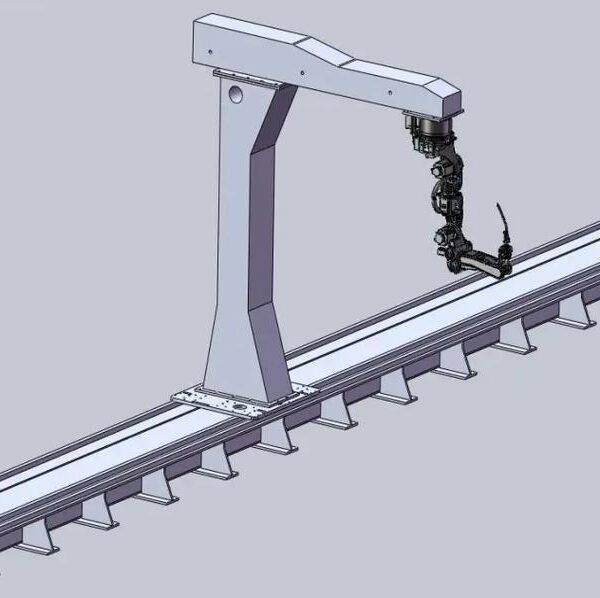

Cantilever Welding Robot solution
-
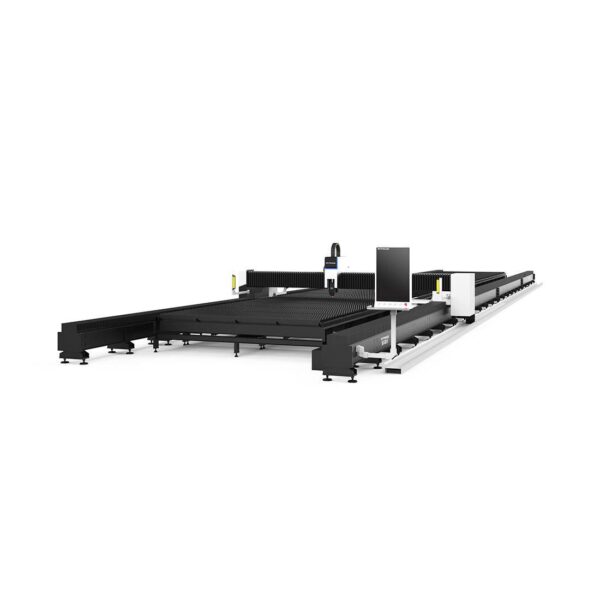

GF laser cutting machine
-
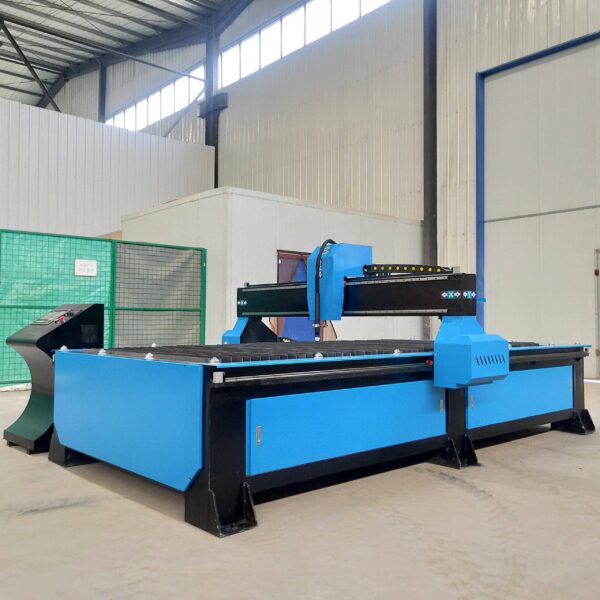
P3015 plasma cutting machine
-

LFP3015 Fiber Laser Cutter
-
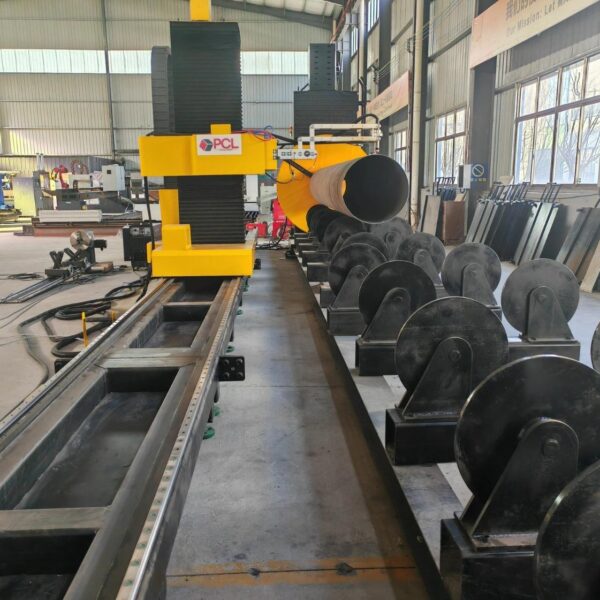
pipe plasma cutting machine
-
LFH 4020 Fiber Laser Cutting Machine
-
LFP4020
-
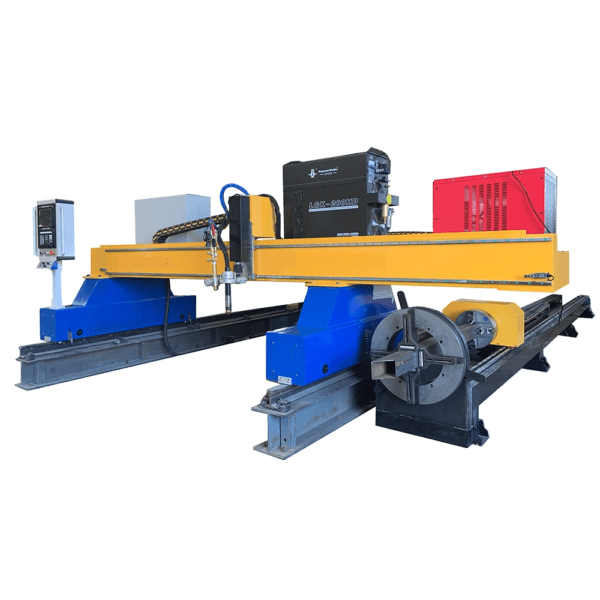
gantry plasma air cutting machine
-
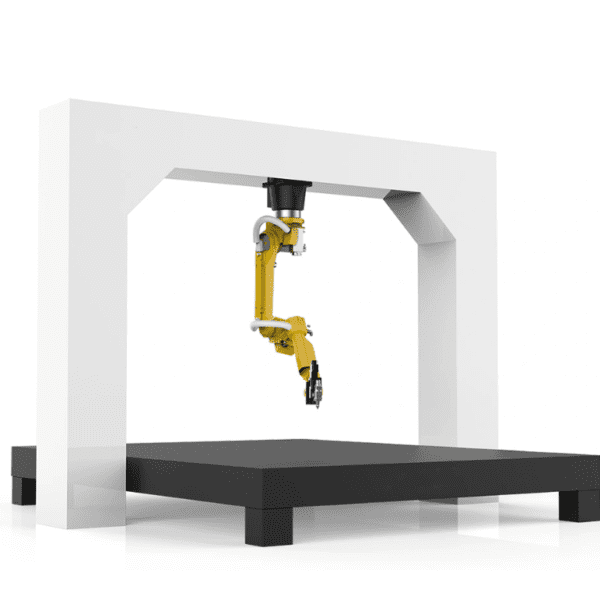
3D robot cutting machine
-
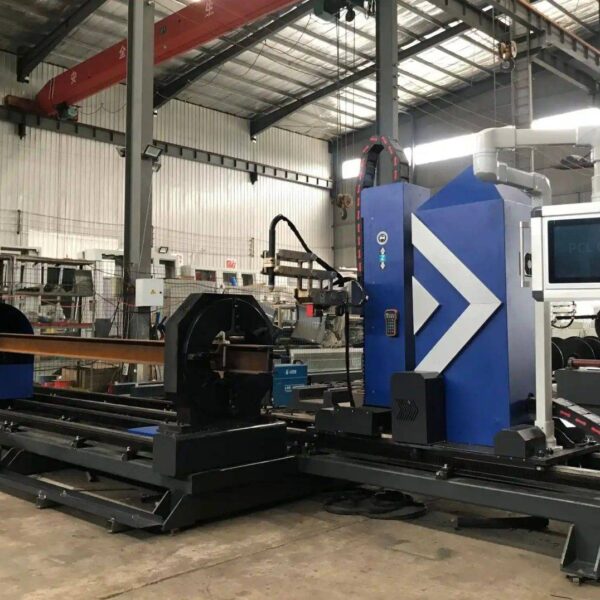
8 axis plasma cutting machine
-
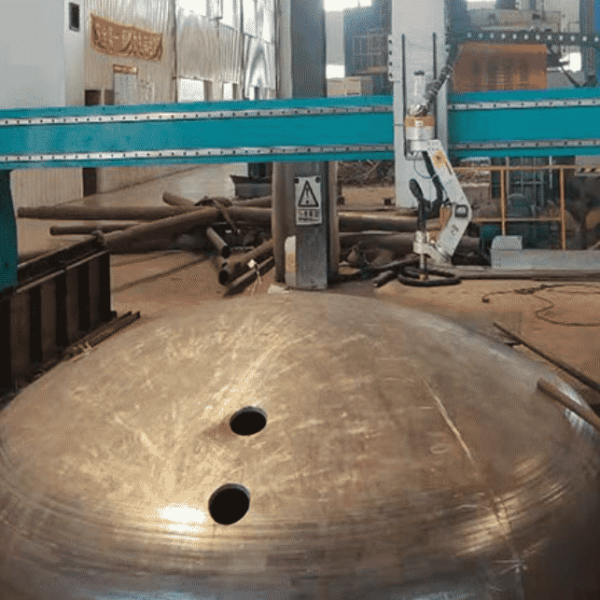
5 axis plasma cutting machine
-

LT360 tube laser cutting machine
-
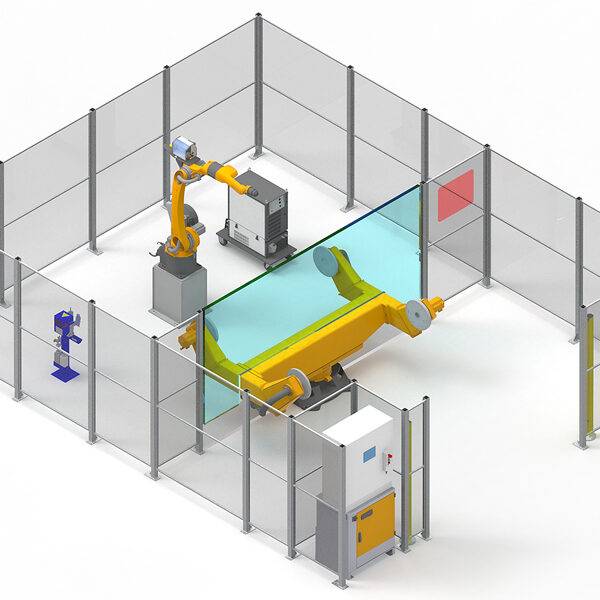
robot welding workstation
-
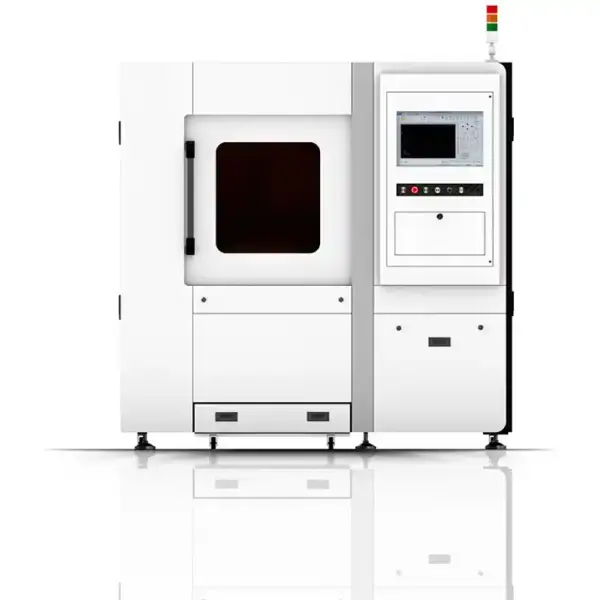
SF6060 fiber laser cutting machine
Advanced Fiber Laser Tube Processing Technology
Our CNC Fiber Laser Tube Cutting systems revolutionize metal fabrication by integrating high-precision cutting, punching, and profiling into a single automated workflow. Designed for versatility, this technology handles a wide array of profiles including Round, Square, Rectangular, and Oval tubes, as well as complex L-shaped and U-shaped channels.
- Precision Punching: High-speed hole punching with micron-level accuracy, eliminating the need for mechanical drilling or die-stamping.
- Complex Profiling: Advanced 3D pathing allows for intricate interlocking joints and specialized notch cuts, ideal for structural frames.
- High Material Efficiency: Intelligent nesting software minimizes scrap, reducing raw material costs across large production runs.
- Clean Finish: Delivers oxide-free, burr-free edges that require zero secondary grinding before welding.

Seamlessly processing multiple profiles with consistent precision.
Global Delivery & Logistics



From our high-tech manufacturing facility directly to your global site. PCL WeldCut ensures secure packaging, professional handling, and reliable international logistics to safeguard your equipment throughout the entire journey.
