Technical Field Report: Implementation of Intelligent Arc Control in Monterrey Facility
1.0 Introduction and Project Scope
This report documents the deployment and fine-tuning of the Intelligent Arc Control (IAC) system integrated with a 6-axis Robotic Arm Welder at our Monterrey, Mexico, fabrication plant. The primary objective was the modernization of the plant’s Sheet Metal Fabrication welding line, transitioning from legacy manual processes to a fully integrated Industrial Automation framework.
Monterrey’s industrial environment presents unique challenges, including high ambient temperatures and a specific power grid frequency profile that affects high-speed switching power sources. The goal of this implementation was to achieve a zero-defect rate on 1.5mm to 3.0mm cold-rolled steel components while maintaining a cycle time reduction of at least 25%.
2.0 System Architecture: The Robotic Arm Welder and Industrial Automation Synergy
The core of the installation is a high-speed, 6-axis Robotic Arm Welder interfaced with a 500-ampere inverter power source. The synergy between the manipulator and the broader Industrial Automation system is facilitated through an EtherNet/IP communication protocol, allowing the central PLC (Programmable Logic Controller) to adjust weld parameters in real-time based on upstream sensor data.
2.1 Kinematic Calibration and Tool Center Point (TCP) Accuracy
In the context of Sheet Metal Fabrication welding, a deviation of even 0.5mm can result in a burn-through or a lack of fusion. We utilized a laser-based TCP calibration kit to ensure the Robotic Arm Welder maintained its positioning within ±0.08mm. In Monterrey, we observed significant thermal expansion of the jigging fixtures during the mid-day shift (ambient temps reaching 40°C in the shop). This necessitated a dynamic offset recalibration within the automation logic to account for fixture “drift.”
2.2 I/O Integration and Safety Protocols
Industrial Automation is not merely about the robot; it is about the safety and efficiency of the entire cell. We integrated light curtains and pressure-sensitive floor mats into the robot’s safety controller. A critical lesson learned was the necessity of “soft-stop” routines. Abruptly cutting power to the Robotic Arm Welder during an arc-on state caused micro-cracking in the weld crater. We revised the logic to allow the robot to complete the crater-fill sequence before executing a safety-induced pause, provided the safety breach was in Zone B (non-collision zone).
3.0 Process Optimization for Sheet Metal Fabrication Welding
Sheet metal is notoriously unforgiving. The primary challenge in this Monterrey deployment was managing the heat-affected zone (HAZ) to prevent warping.
3.1 Intelligent Arc Control (IAC) Parameters
The IAC software monitors the arc length 20,000 times per second. By adjusting the current and voltage mid-droplet transfer, the Robotic Arm Welder can maintain a stable arc even when the sheet metal slightly deforms due to heat. We moved away from standard spray transfer to a modified short-circuit process (Pulse-on-Pulse). This reduced the total heat input by 18%, significantly improving the structural integrity of the thin-gauge joints.
3.2 Shielding Gas Dynamics and Monterrey Humidity
Monterrey’s humidity levels can fluctuate wildly, leading to porosity issues in Sheet Metal Fabrication welding. We installed a gas mixing station to provide a precise 90% Argon / 10% CO2 blend. Through the Industrial Automation dashboard, we implemented real-time flow monitoring. We discovered that local pneumatic lines were introducing moisture; the addition of a high-capacity refrigerated air dryer and a dedicated gas-line filtration system was mandatory to maintain X-ray quality welds.
4.0 Addressing Local Infrastructure and Environmental Factors
Operating a high-end Robotic Arm Welder in Monterrey requires more than just standard setup. The local electrical grid exhibited voltage spikes that initially caused the inverter modules to trip.
4.1 Power Conditioning and Heat Management
To protect the Industrial Automation hardware, we installed a 30kVA dedicated voltage regulator for each welding cell. Furthermore, the internal cooling fans of the robot controllers were insufficient for the Monterrey summer. We retrofitted the cabinets with heat exchangers to prevent the CPU from throttling, which previously caused “stuttering” in the robot’s motion path, resulting in uneven weld beads.
4.2 Technician Training and Cultural Transition
A critical component of Industrial Automation is the human element. The local workforce in Monterrey is highly skilled in manual MIG welding but required intensive training on the HMI (Human-Machine Interface) of the Robotic Arm Welder. We established a “Lead Tech” program where manual welders were trained in “Touch Sensing” and “Through-Arc Seam Tracking” (TAST). This shifted their role from laborers to process controllers, ensuring long-term sustainability of the automation project.
5.0 Field Data and Performance Metrics
After 90 days of continuous operation, the data extracted from the Industrial Automation supervisory system shows the following:
- Duty Cycle Improvement: The Robotic Arm Welder maintained an average duty cycle of 72%, compared to the 22% achieved by manual Sheet Metal Fabrication welding.
- Spatter Reduction: The IAC system reduced spatter by 85%. This eliminated the need for a secondary grinding station, saving approximately $4,500 USD per month in abrasive consumables and labor.
- Rework Rate: Rework dropped from 8.5% to 0.4%. The primary causes for the remaining 0.4% were traced back to upstream stamping inconsistencies, not the welding process itself.
6.0 Lessons Learned and Engineering Recommendations
The Monterrey deployment provided several “hard-won” insights that should be applied to future North American Industrial Automation rollouts:
6.1 The Importance of Wire Feeding Consistency
In Sheet Metal Fabrication welding, the friction in the liner can cause the wire to “stutter,” leading to arc instability. We found that the standard 3-meter torch cables were too long for the Robotic Arm Welder‘s high-speed oscillation. Switching to a 1.5-meter torch with a dedicated wire-drive motor on the robot’s third axis (push-pull system) solved the feeding issues and allowed for the use of softer 5000-series aluminum wire when required.
6.2 Software-Defined Limits
Initially, we allowed operators to adjust the wire feed speed (WFS) by ±15%. This was too wide a margin. We tightened the “Job Mode” limits within the Industrial Automation software to ±5%. This ensured that the Robotic Arm Welder stayed within the validated Welding Procedure Specification (WPS) while still allowing for minor variations in material batches.
6.3 Fixture Maintenance and Wear
The high throughput of the Robotic Arm Welder accelerated the wear on the copper backing bars used in the Sheet Metal Fabrication welding jigs. We have recommended a preventative maintenance schedule that includes cleaning the backing bars every 500 cycles to prevent arc-strike contamination.
7.0 Conclusion
The integration of the Robotic Arm Welder within the Monterrey facility’s Industrial Automation ecosystem is a technical success. By focusing on the specific physics of Sheet Metal Fabrication welding—specifically arc stability and heat management—we have created a system that exceeds manual output while maintaining superior quality standards. The project proves that sophisticated arc control can overcome environmental variables if the underlying automation architecture is robust and correctly calibrated to the local infrastructure.
Report Prepared By:
Senior Welding Engineer
Industrial Automation Division, Monterrey Site
-
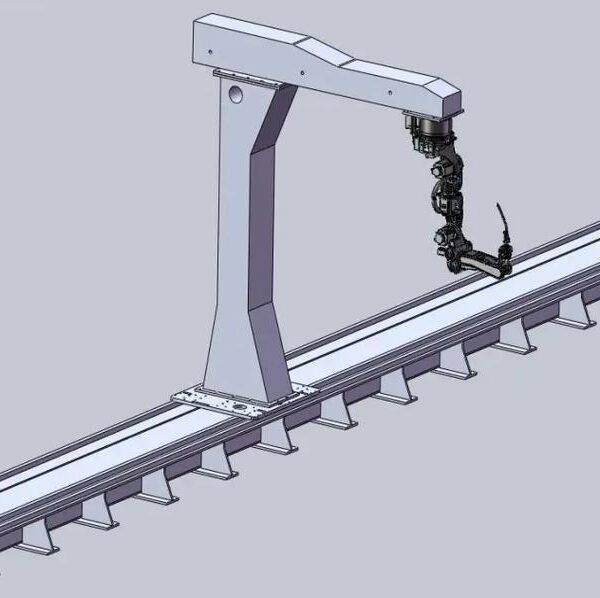

Cantilever Welding Robot solution
-
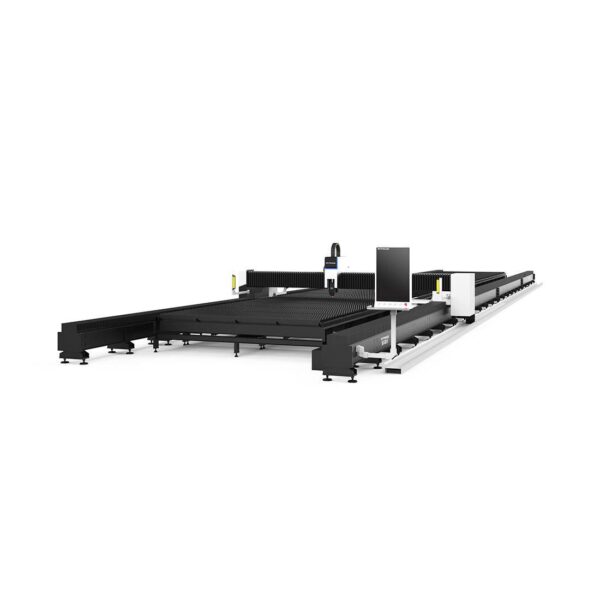

GF laser cutting machine
-
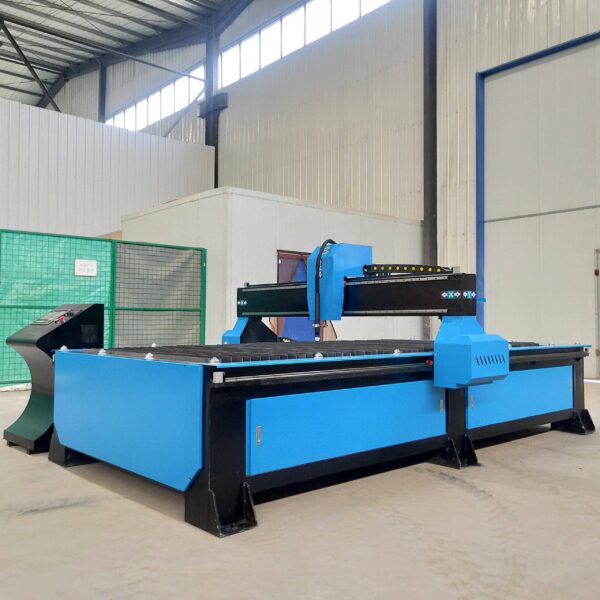
P3015 plasma cutting machine
-

LFP3015 Fiber Laser Cutter
-

pipe plasma cutting machine
-
LFH 4020 Fiber Laser Cutting Machine
-
LFP4020
-
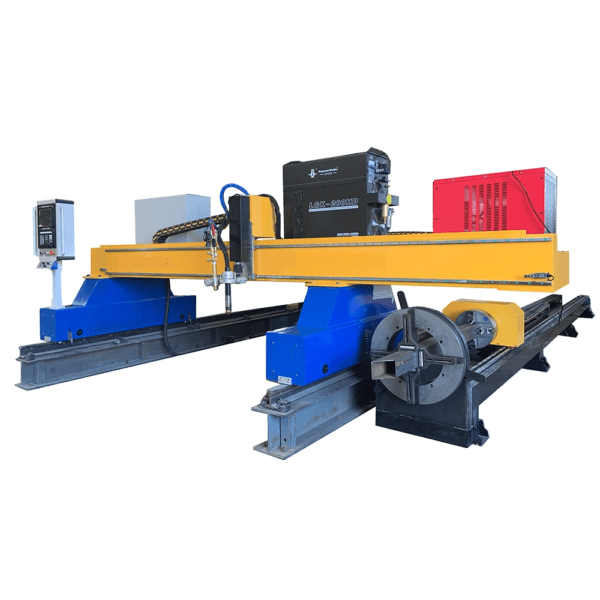
gantry plasma air cutting machine
-
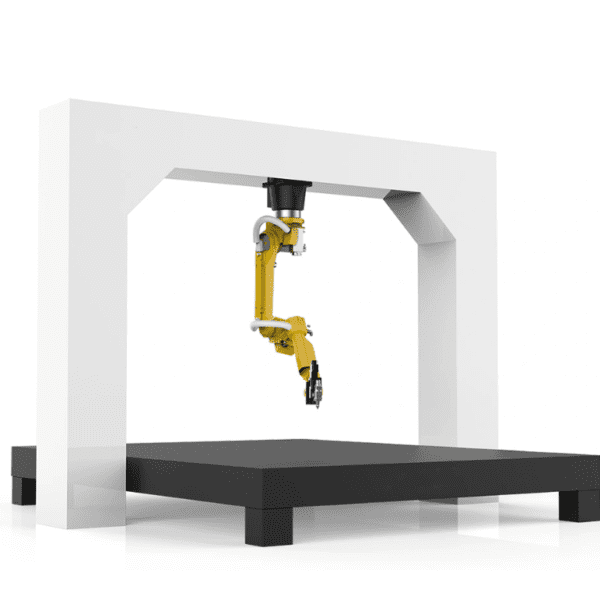
3D robot cutting machine
-
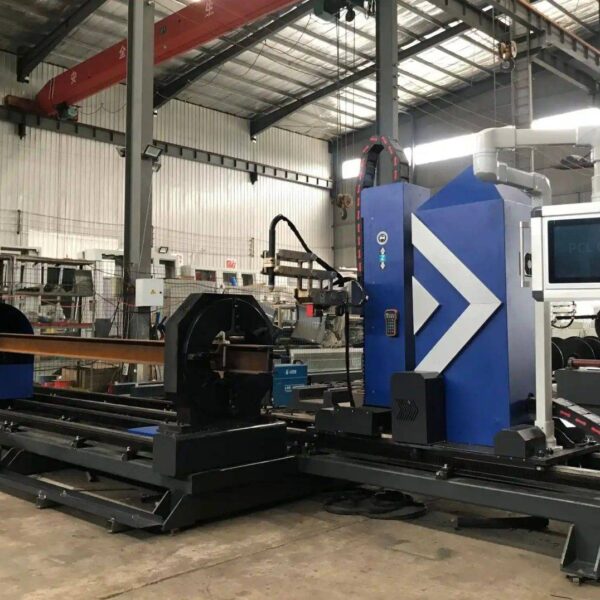
8 axis plasma cutting machine
-
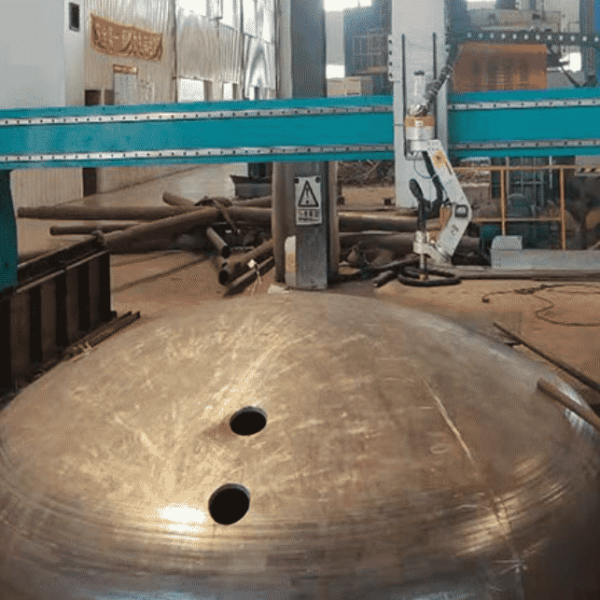
5 axis plasma cutting machine
-

LT360 tube laser cutting machine
-
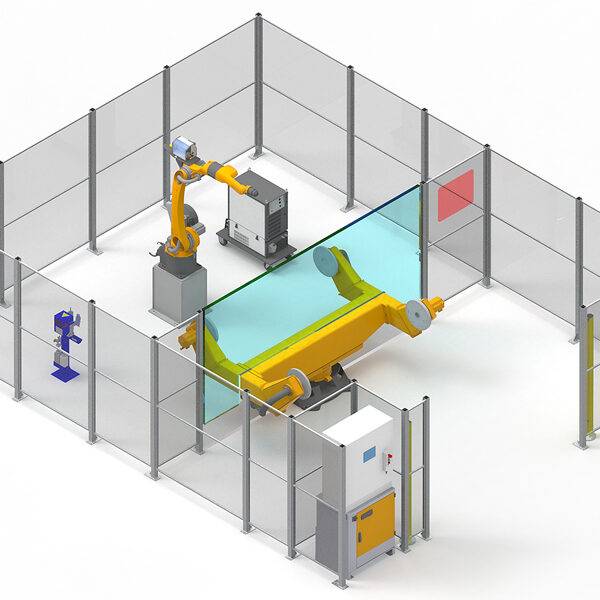
robot welding workstation
-
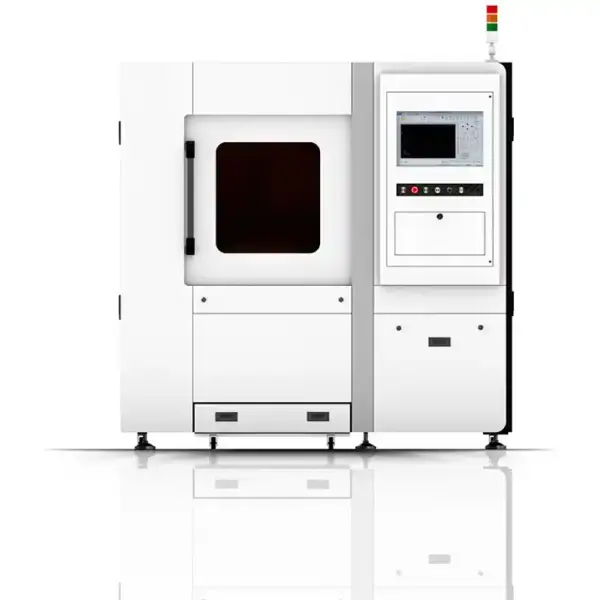
SF6060 fiber laser cutting machine
