Field Engineering Report: Integration of Intelligent Arc Control in Heavy Fabrication
1.0 Site Context and Project Scope
This report details the field deployment and optimization of a high-performance MIG/MAG Welding Robot system at a primary structural steel fabrication facility in the Port of Antwerp, Belgium. The facility specializes in offshore mooring components and heavy-duty port infrastructure, necessitating the transition from manual flux-cored arc welding (FCAW) to automated Arc Welding Solutions to meet revised European EN 1090-2 execution classes.
The primary technical challenge involved Thick Plate Steel welding, specifically S355J2+N grades ranging from 25mm to 60mm in thickness. Our objective was to implement an intelligent arc control system capable of maintaining penetration depth and bead profile consistency over long-duration duty cycles (80%+) while minimizing the thermal distortion common in high-amperage robotic applications.
2.0 The MIG/MAG Welding Robot Configuration
The hardware architecture deployed in Antwerp consists of a 6-axis industrial manipulator integrated with a 500A digital power source. Unlike standard robotic setups, this MIG/MAG Welding Robot utilizes a specialized “Intelligent Arc Control” firmware package. This allows for high-speed communication (sub-millisecond) between the power source and the robotic controller.
2.1 Wire Drive and Torch Geometry
For Thick Plate Steel welding, we opted for a water-cooled torch rated for 100% duty cycle at 500A. The wire drive system is a four-roll planetary feeder mounted on the robot’s upper arm to reduce “snaking” of the 1.2mm G3Si1 solid wire. In the Antwerp climate—characterized by high humidity—we found that maintaining consistent wire tension was critical to preventing arc instability. We implemented a pressurized wire delivery drum system to protect the filler metal from atmospheric moisture before it reaches the robot.
3.0 Implementing Advanced Arc Welding Solutions
The term Arc Welding Solutions is often used broadly, but in this field application, it refers specifically to the synergy between through-arc seam tracking (TAST) and adaptive pulse-arc parameters. In Antwerp, we faced variability in the preparation of heavy V-groove joints; manual plasma cutting often left gaps varying between 3mm and 5mm.
3.1 Adaptive Gap Bridging
The Arc Welding Solutions implemented allow the MIG/MAG Welding Robot to sense the current fluctuations as the torch weaves across the joint. If the system detects a wider gap, the robot’s controller automatically adjusts the travel speed and increases the weave amplitude while the power source modulates the pulse frequency to maintain the molten pool’s surface tension. This prevent the “burn-through” or “sagging” typical of manual thick-plate welding.
3.2 Real-time Data Logging
A core component of our solution was the integration of a Weld Data Monitoring (WDM) system. For the maritime industry in Belgium, traceability is non-negotiable. Every decimeter of the weld is logged, recording voltage, amperage, wire feed speed, and gas flow rates. This digital twin of the welding process serves as the primary QC document, reducing the need for post-weld NDT (Non-Destructive Testing) like X-ray or Ultrasonic testing on secondary joints.
4.0 Challenges in Thick Plate Steel Welding
Thick Plate Steel welding introduces metallurgical complexities that standard thin-gauge robotic cells do not encounter. The primary concern in the Antwerp project was the Heat Affected Zone (HAZ) and the risk of hydrogen-induced cracking (HIC).
4.1 Thermal Management and Interpass Temperature
When welding 40mm plate, the heat sink effect of the surrounding metal is massive. However, excessive heat input from the MIG/MAG Welding Robot can degrade the toughness of the S355 steel. We programmed the robot with a strict interpass temperature limit of 250°C. To maintain productivity, we utilized a twin-station setup: the robot welds one 4-meter section of a bridge girder while the second section cools or is prepared by the fitters. This maximizes the MIG/MAG Welding Robot uptime without compromising the metallurgical integrity of the Thick Plate Steel welding.
4.2 Root Pass Integrity
The most critical phase is the root pass. Traditionally, this was done manually to ensure 100% penetration. By using our specialized Arc Welding Solutions, we developed a “modified short-arc” program for the robot. This program provides a high-energy, stable arc at lower voltages, allowing the robot to achieve full penetration in a 60-degree V-butt joint without a backing bar. This saved the client approximately 14 man-hours per girder in grinding and back-gouging costs.
5.0 The Synergy: Hardware and Process Optimization
The success in Antwerp was not due to the robot alone, but the integration of the MIG/MAG Welding Robot with customized Arc Welding Solutions specifically tuned for Thick Plate Steel welding. We discovered that by using an 80/20 Argon/CO2 gas mix, we could optimize the “spray transfer” mode to achieve high deposition rates (approx. 6kg/hr) while the intelligent control kept the spatter to a minimum.
The synergy between the robotic pathing and the power source’s arc logic meant that the “crater fill” at the end of each long pass was handled automatically. In thick plates, craters are a major point of failure. The robot’s ability to ramp down the current while performing a small circular motion ensures the crater is filled and the cooling rate is controlled, eliminating “star cracks.”
6.0 Lessons Learned from the Field
After three months of operation in the Antwerp facility, several practical engineering lessons have emerged that should be applied to future heavy-industry automation projects.
6.1 Gas Dynamics in Large Workshops
The Port of Antwerp’s large, open-door workshops create significant drafts. We found that standard gas nozzles were insufficient. We moved to a high-flow, long-reach tapered nozzle and increased the gas flow to 22L/min. Even with a MIG/MAG Welding Robot, if the shielding gas is compromised by a draft, the Arc Welding Solutions cannot compensate for the resulting porosity. We eventually installed localized windbreaks around the robotic cells.
6.2 Earth Grounding for High Amperage
With Thick Plate Steel welding, the currents are consistently high (380A-450A). Standard ground clamps are insufficient for robotic duty cycles. We experienced “arc blow” during the first week, where the arc was being deflected by magnetic fields. The fix was implementing a dual-grounding system—attaching ground leads to both ends of the workpiece to ensure an even distribution of the return current, which stabilized the robotic arc significantly.
6.3 Sensor Maintenance
The laser sensors used for seam finding are sensitive to the fine dust found in heavy fabrication environments. We implemented a mandatory “sensor wipe” at the start of every shift and integrated a compressed air blow-off cycle into the robot’s “home” routine. Reliability of the Arc Welding Solutions is only as good as the data coming from the sensors.
7.0 Conclusion
The deployment in Antwerp proves that a MIG/MAG Welding Robot is no longer just a tool for the automotive industry. When paired with intelligent Arc Welding Solutions, it is the most efficient method for Thick Plate Steel welding in the heavy structural sector. We achieved a 40% reduction in welding time and a 95% first-pass yield on NDT inspections. The key to success remains the rigorous control of heat input and the adaptation of robotic paths to real-world joint variations. Moving forward, the facility plans to expand this robotic integration to their circular pile-driving division, further leveraging the data-logging capabilities for international compliance.
Report Filed By:
Senior Welding Engineer
Antwerp Field Office
-
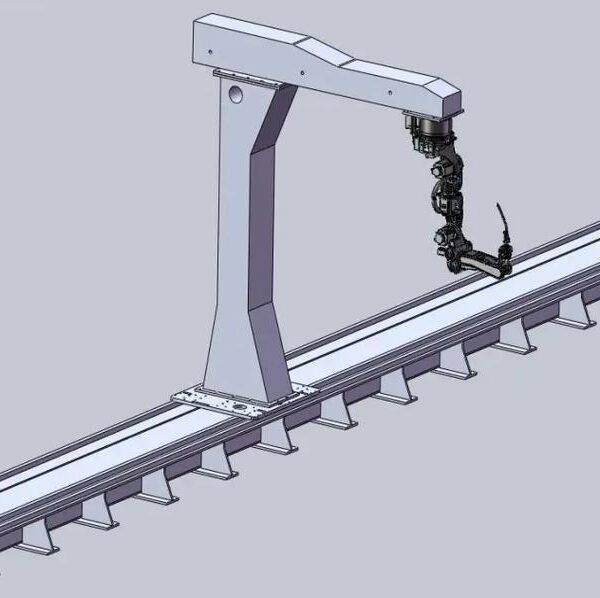

Cantilever Welding Robot solution
-
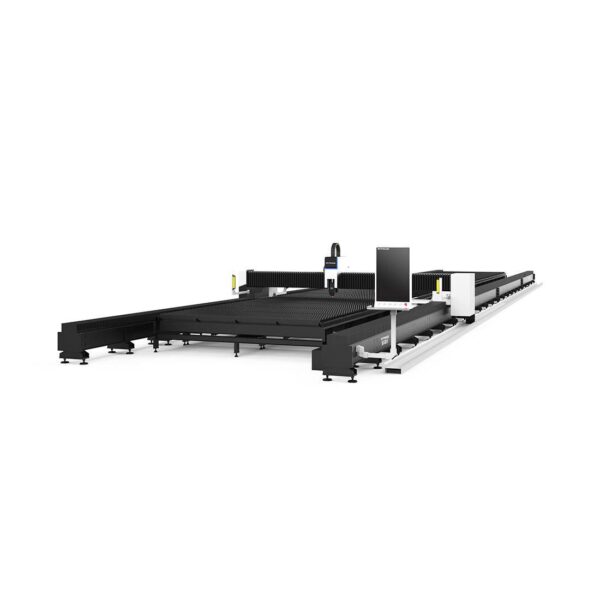

GF laser cutting machine
-
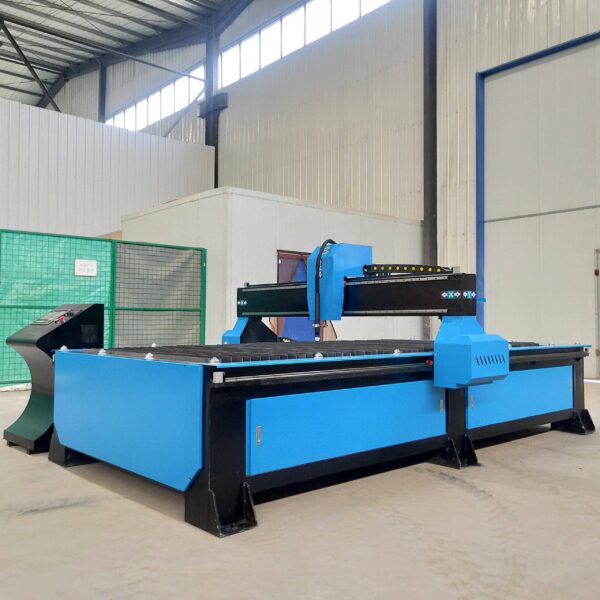
P3015 plasma cutting machine
-

LFP3015 Fiber Laser Cutter
-
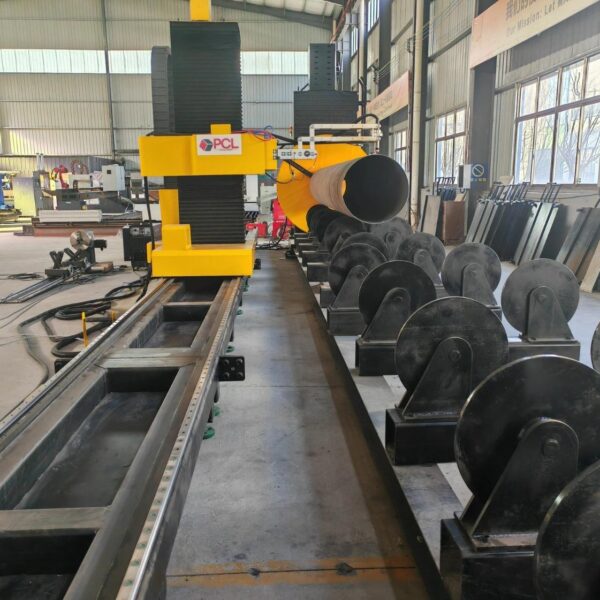
pipe plasma cutting machine
-
LFH 4020 Fiber Laser Cutting Machine
-
LFP4020
-
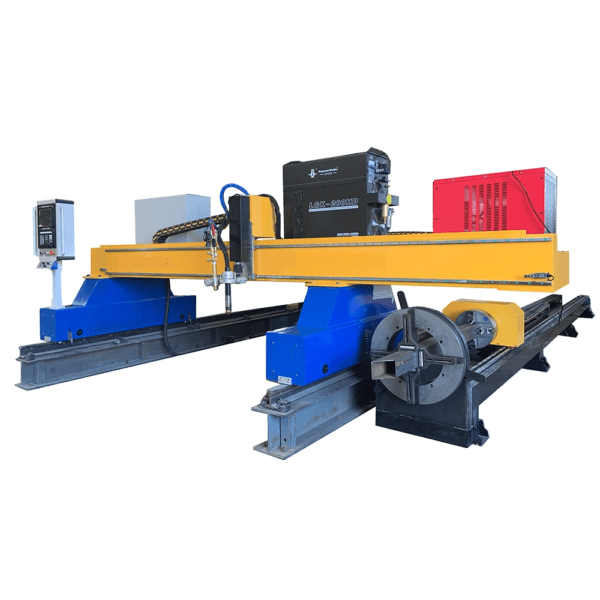
gantry plasma air cutting machine
-
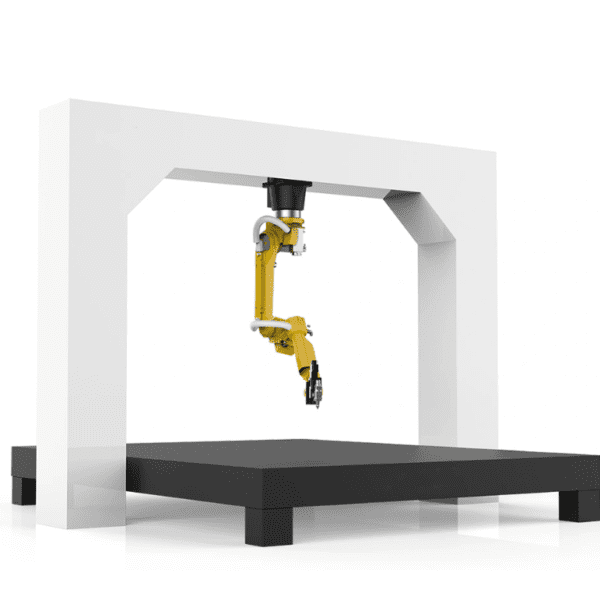
3D robot cutting machine
-
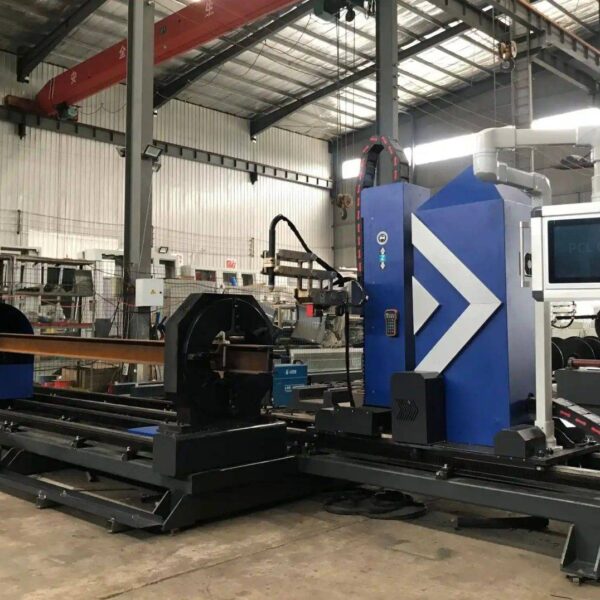
8 axis plasma cutting machine
-
5 axis plasma cutting machine
-

LT360 tube laser cutting machine
-
robot welding workstation
-
SF6060 fiber laser cutting machine
Advanced Fiber Laser Tube Processing Technology
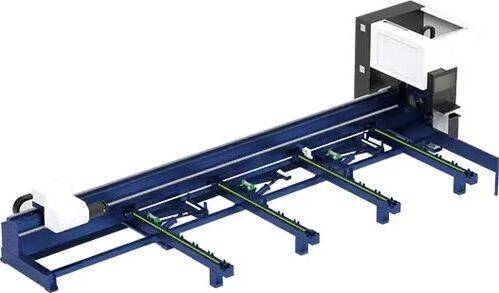
Our CNC Fiber Laser Tube Cutting systems revolutionize metal fabrication by integrating high-precision cutting, punching, and profiling into a single automated workflow. Designed for versatility, this technology handles a wide array of profiles including Round, Square, Rectangular, and Oval tubes, as well as complex L-shaped and U-shaped channels.
- Precision Punching: High-speed hole punching with micron-level accuracy, eliminating the need for mechanical drilling or die-stamping.
- Complex Profiling: Advanced 3D pathing allows for intricate interlocking joints and specialized notch cuts, ideal for structural frames.
- High Material Efficiency: Intelligent nesting software minimizes scrap, reducing raw material costs across large production runs.
- Clean Finish: Delivers oxide-free, burr-free edges that require zero secondary grinding before welding.

Seamlessly processing multiple profiles with consistent precision.
Global Delivery & Logistics



From our high-tech manufacturing facility directly to your global site. PCL WeldCut ensures secure packaging, professional handling, and reliable international logistics to safeguard your equipment throughout the entire journey.
