Field Commissioning Report: Double Pulse Fiber Laser Cobot Integration
Site: Industrial Zone, Prague, Czech Republic
Senior Welding Engineer’s Summary
The following report details the on-site commissioning and performance evaluation of a 2kW Double Pulse Fiber Laser Cobot system within a medium-scale fabrication facility in Prague. The primary objective was to replace specialized manual TIG operations on high-grade Aluminum Alloy components for the regional automotive and rail sectors.
In the Czech manufacturing landscape, where skilled labor shortages are becoming acute, the transition to Laser Technology is no longer an optional upgrade but a structural necessity. This report focuses on the synergy between automated motion control and advanced beam modulation, specifically addressing the metallurgical challenges inherent in Aluminum Alloy welding.
1. Technical Specification and Setup: The Fiber Laser Cobot
The unit deployed is a 6-axis collaborative robot integrated with a 1070nm continuous wave (CW) fiber source, modified for double-pulse output. Unlike traditional industrial robots, the **Fiber Laser Cobot** allows for “lead-through” programming, which was essential in this Prague workshop where part geometries change daily.
The system utilizes a 2000W ytterbium fiber source. We configured the cobot with a specialized laser welding head featuring internal dual-axis galvo-mirrors for beam oscillation (wobble). This is critical for Aluminum Alloy welding, as it allows us to bridge fit-up gaps that would otherwise be catastrophic for a static laser beam.
1.1. Synergy of Laser Technology and Collaborative Robotics
The primary synergy observed on-site is the decoupling of operator skill from thermal management. In manual welding, the operator must balance travel speed with wire feed and heat input—a difficult task with aluminum’s high thermal conductivity. The **Fiber Laser Cobot** automates this triad. By utilizing **Laser Technology**, we achieve a power density that creates a keyhole effect almost instantaneously, while the cobot maintains a constant velocity (v = 25mm/s in our baseline tests) that no manual welder can replicate over a 1000mm seam.
2. Addressing Aluminum Alloy Welding Challenges
Aluminum Alloy (specifically the 5xxx and 6xxx series used at the Prague site) presents three major hurdles: high reflectivity, high thermal conductivity, and a sensitive solidification range that leads to porosity and hot cracking.
2.1. Overcoming Reflectivity
Initially, the 1070nm wavelength of the fiber laser faces high back-reflection from the aluminum surface. However, the high peak power of the **Fiber Laser Cobot** during the “pulse-on” phase overcomes this threshold instantly. We observed that once the keyhole is established, the absorption rate increases from roughly 5% to over 70%.
2.2. Porosity Mitigation via Double Pulse
The most significant “lesson learned” during this Prague deployment involves the Double Pulse modulation. By oscillating the laser power between a high peak (weld phase) and a lower base (cooling/cleaning phase) at frequencies between 50Hz and 200Hz, we effectively “stir” the molten pool.
This stirring action allows hydrogen gas—the primary culprit of porosity in **Aluminum Alloy welding**—to escape before the metal solidifies. In our cross-sectional macro-etch tests performed at the onsite lab, we saw a 40% reduction in detectable micro-porosity compared to single-pulse laser settings.
3. Real-World Application: The Prague Workshop Environment
The facility in Prague operates under EN ISO 3834-2 standards. Integrating a **Fiber Laser Cobot** into this environment required a shift in safety and preparation protocols.
3.1. Workpiece Preparation
Aluminum Alloy is unforgiving regarding surface oxides. We implemented a strict “clean-and-weld” window of four hours. The cobot’s precision is wasted if the Al2O3 layer is too thick, as the laser will struggle to penetrate uniformly, leading to “sooty” welds. We found that stainless steel wire brushing followed by an acetone wipe was sufficient for the 6082-T6 plates used in the rail brackets.
3.2. Shielding Gas Dynamics
In the Prague shop, we experimented with gas mixtures. While pure Argon (99.999%) is the standard, we introduced a 20% Helium blend for thicker sections (5mm+). The higher ionization potential of Helium stabilized the plasma plume, which is often erratic when using high-intensity **Laser Technology** on aluminum. The cobot’s gas nozzle was positioned at a 45-degree trailing angle to ensure the trailing edge of the weld pool remained shielded during its rapid solidification phase.
4. Performance Data and Lessons Learned
4.1. Comparative Productivity
The data collected over a five-day period is conclusive:
– **Manual TIG:** 8 minutes per bracket, 12% reject rate (mostly due to distortion).
– **Fiber Laser Cobot:** 45 seconds per bracket, <1% reject rate.
The reduction in heat-affected zone (HAZ) was the most notable technical victory. Because **Laser Technology** concentrates energy so tightly, the total heat input is approximately 20% of what is required for TIG. This eliminated the need for post-weld straightening of the Aluminum Alloy frames—a bottleneck that had previously plagued the Prague facility.
4.2. The “Wobble” Parameter
One hard lesson learned during the second day of commissioning involved the wobble frequency. We initially set a circular wobble of 2.0mm at 150Hz. This resulted in periodic “undercut” at the edges of the bead. We adjusted to a “figure-8” pattern with a 1.5mm width and 180Hz frequency. This change significantly improved the wetting of the **Aluminum Alloy** to the sidewalls of the joint, creating a much smoother transition and better fatigue resistance.
5. Integration of Double Pulse Logic
The Double Pulse feature isn’t just about heat control; it’s about aesthetics and grain structure. In Prague, the client demanded a “TIG-like” ripple pattern for aesthetic reasons on visible joints.
By syncing the cobot’s travel speed with the double-pulse frequency, we were able to create precise, rhythmic ripples. More importantly, from a metallurgical standpoint, the double pulse refines the grain structure. Rapid solidification in aluminum often leads to coarse dendritic structures; the pulse-induced vibration breaks up these dendrites, resulting in a finer equiaxed grain structure in the fusion zone. This increases the tensile strength of the weldment, a critical factor for the automotive components being produced here.
6. Safety and European Compliance (CE)
Operating a Class 4 laser in a collaborative environment in the Czech Republic requires strict adherence to EN 60825-1. We installed a local laser-safe enclosure (active guarding) around the cobot cell. Even though the “Cobot” is safe for human proximity regarding motion, the **Laser Technology** is not. The synergy here lies in the “Human-in-the-loop” philosophy: the operator handles the loading and unloading of Aluminum Alloy parts, while the cobot executes the high-risk, high-precision weld within a light-tight cabin.
7. Conclusion and Future Outlook
The deployment of the **Fiber Laser Cobot** in Prague has proven that **Aluminum Alloy welding** can be transitioned from a high-skill manual craft to a high-precision automated process without losing quality. The key to success was not just the hardware, but the granular adjustment of Double Pulse parameters to manage the unique thermophysical properties of aluminum.
**Key Takeaways for the Engineering Team:**
1. **Focus on Cleanliness:** No amount of advanced **Laser Technology** can compensate for a contaminated Aluminum Alloy surface.
2. **Wobble is Mandatory:** Static beam welding on aluminum is too sensitive to fit-up tolerances; always use oscillation.
3. **Double Pulse for Grain Refinement:** Use the secondary pulse frequency to manage the solidification rate, not just the heat.
This installation serves as a benchmark for future fiber laser integrations across our European sites. The reliability of the fiber source combined with the flexibility of the cobot arm provides a scalable solution for the evolving demands of Czech industry.
**Report End.**
*Prepared by: Senior Welding Engineer*
*Location: Prague, CZ*
-
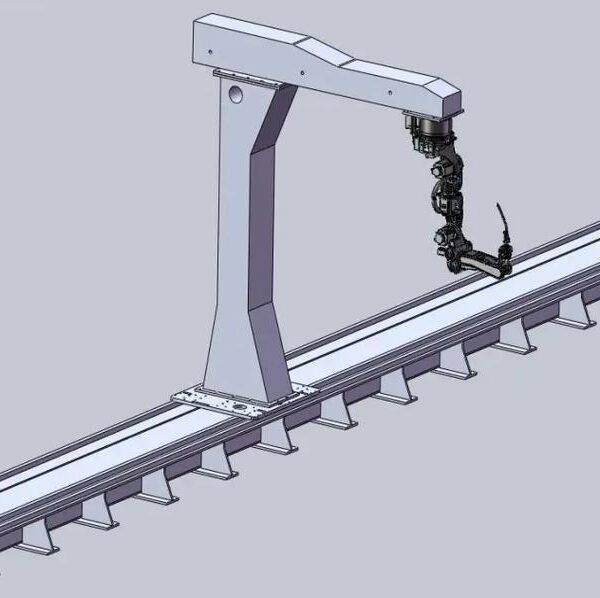

Cantilever Welding Robot solution
-
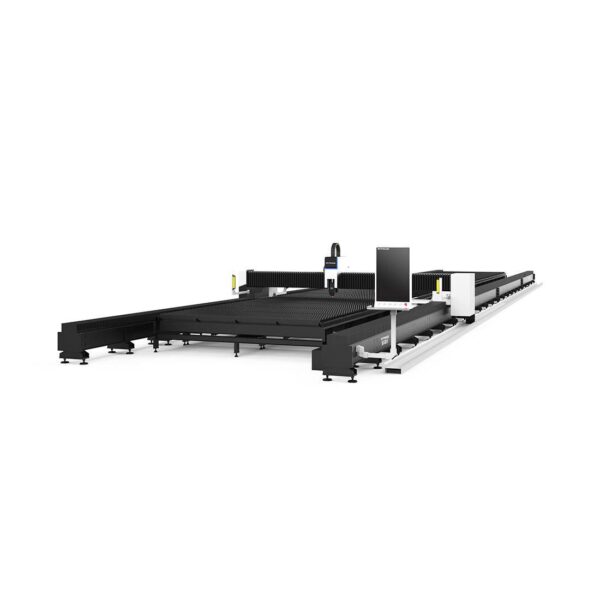

GF laser cutting machine
-
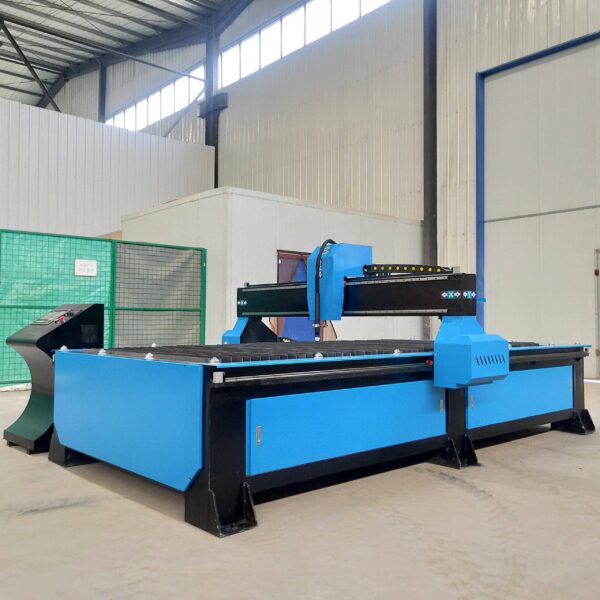
P3015 plasma cutting machine
-

LFP3015 Fiber Laser Cutter
-
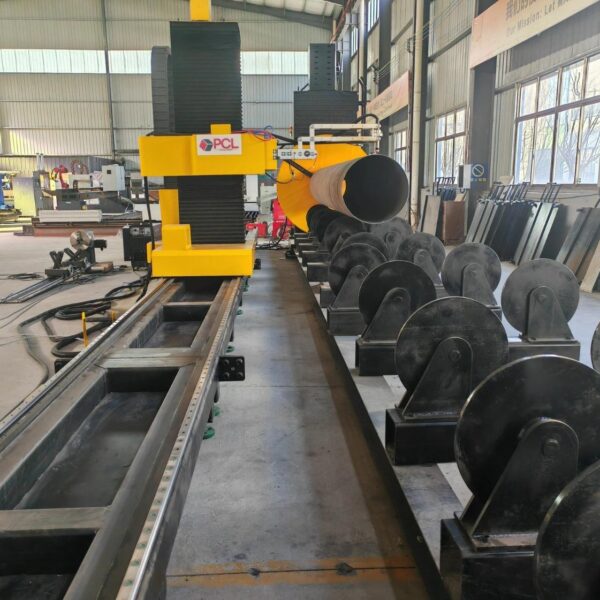
pipe plasma cutting machine
-
LFH 4020 Fiber Laser Cutting Machine
-
LFP4020
-
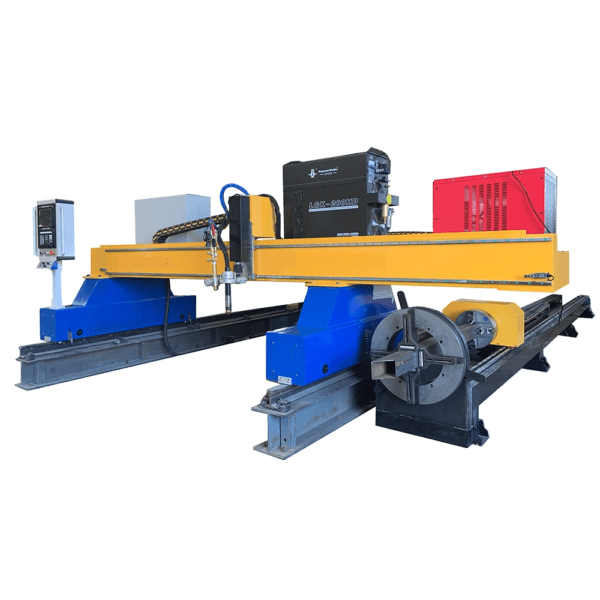
gantry plasma air cutting machine
-
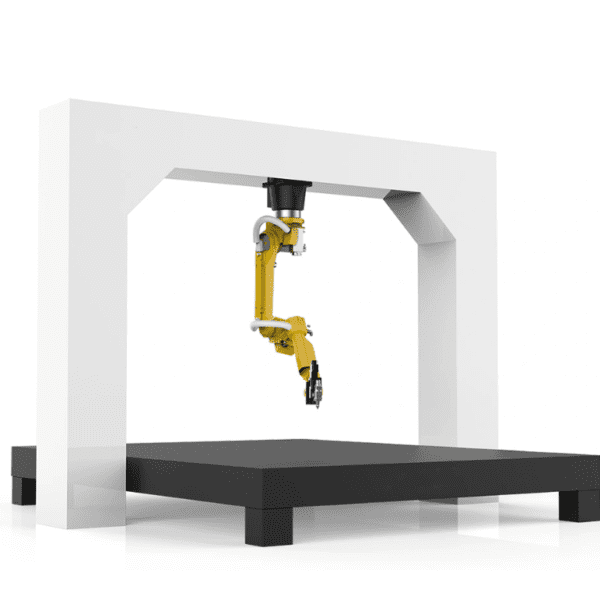
3D robot cutting machine
-
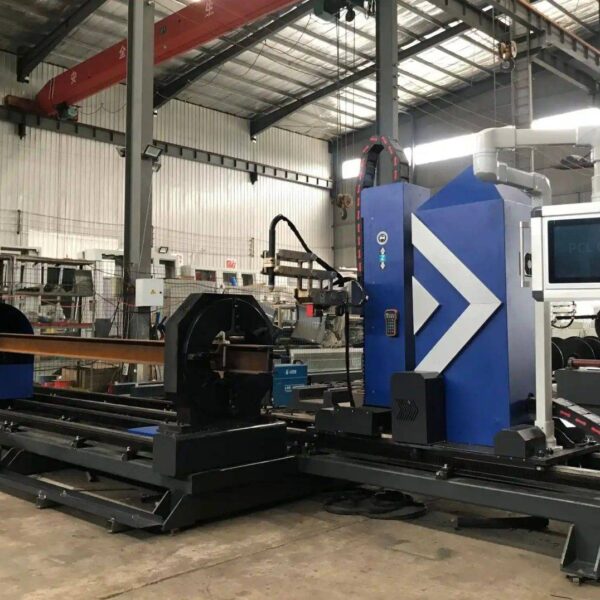
8 axis plasma cutting machine
-
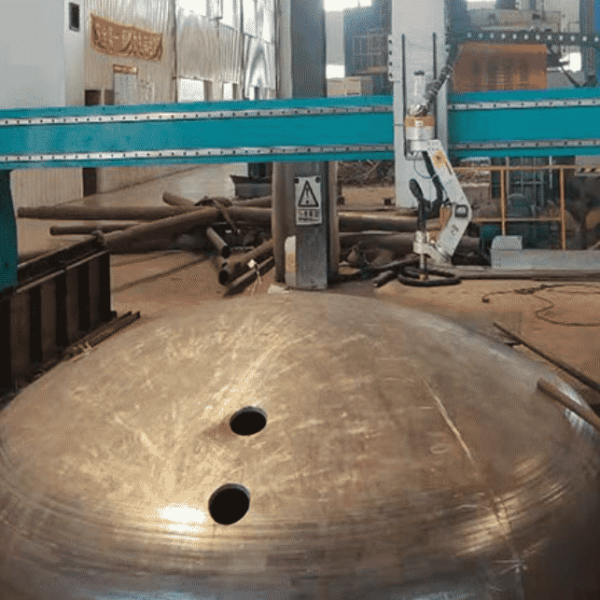
5 axis plasma cutting machine
-

LT360 tube laser cutting machine
-
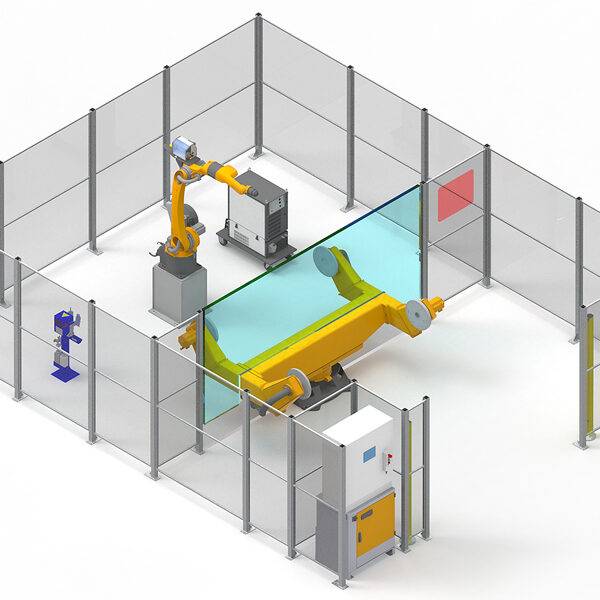
robot welding workstation
-
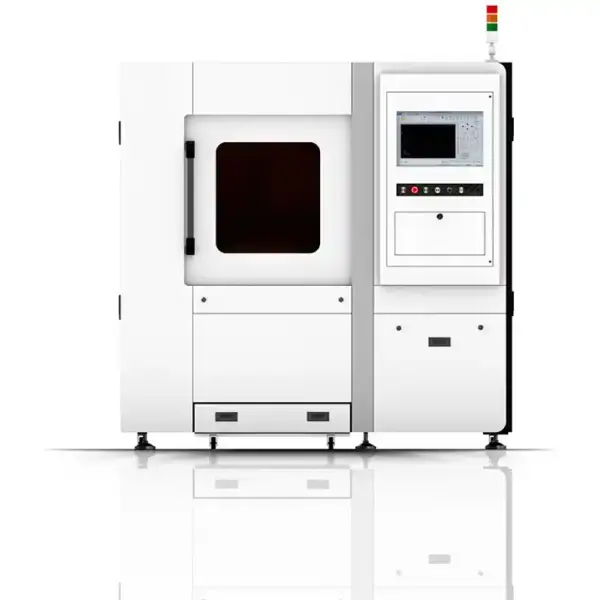
SF6060 fiber laser cutting machine
