Field Engineering Report: Commissioning and Optimization of Automated MAG Welding Cell
1. Site Overview: Curitiba Industrial Complex (CIC)
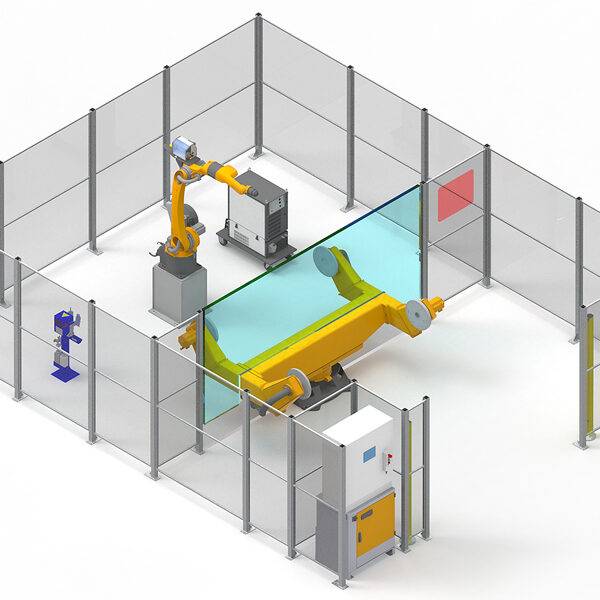
This report outlines the technical findings and system adjustments performed during the commissioning of the high-speed **Automated MAG Welding Cell** at the Curitiba facility. The primary objective was to replace legacy manual stations with a synchronized double-pulse robotic system to handle high-tensile structural steel components. Curitiba’s unique environmental factors—specifically the high ambient humidity during the summer months—presented immediate challenges regarding hydrogen-induced cracking and porosity which required immediate refinement of our **Arc Welding Solutions**.
The facility is currently bifurcated; 80% of production is dedicated to heavy-duty structural steel using MAG (Metal Active Gas), while a specialized clean-room annex has been established for **Titanium welding** of aerospace-grade heat exchangers. This report focuses on the synergy between these processes and the deployment of the robotic cell.
2. The Automated MAG Welding Cell: Technical Configuration
The core of the installation is a six-axis industrial robot integrated with a 500-amp power source capable of high-frequency double-pulse modulation.
2.1. Double Pulse Logic and Waveform Control
In the Curitiba workshop, we encountered significant fit-up variations in the structural frames. The **Automated MAG Welding Cell** was programmed to utilize a “Pulse-on-Pulse” or “Double Pulse” waveform. This involves modulating the wire feed speed and the current between a high peak (to ensure penetration) and a lower background level (to allow the weld pool to cool and solidify slightly).
**Technical parameters established:**
* **Primary Pulse Frequency:** 120 Hz to 180 Hz.
* **Secondary (Thermal) Pulse:** 1.5 Hz to 3.5 Hz.
* **Peak Current:** 340A.
* **Base Current:** 160A.
The result is a weld bead with a “stacked-dime” aesthetic similar to TIG, but at MAG speeds (approx. 600-800 mm/min). This cooling phase is critical for the Curitiba line because it narrows the Heat Affected Zone (HAZ), reducing the distortion of the 6mm plates.
2.2. Shielding Gas Dynamics
We moved from a standard 75/25 Argon/CO2 mix to a 92/8 Argon/CO2 ratio. The higher Argon content is essential for the stable spray transfer required by the **Automated MAG Welding Cell**. However, we noted that the gas delivery system in the Curitiba plant suffered from pressure drops. We installed point-of-use regulators to ensure a constant 25 L/min flow at the torch nozzle, mitigating the risk of atmospheric nitrogen aspiration.
3. Integrating Comprehensive Arc Welding Solutions
Implementing a robot is not merely about the hardware; it is about the “Arc Welding Solutions” that connect the power source to the digital twin of the part.
3.1. Through-Arc Seam Tracking (TAST)
One of the primary **Arc Welding Solutions** deployed was TAST. Given the thermal expansion of the large frames during the weld cycle, the programmed path often deviated from the actual joint. TAST monitors the change in welding current as the robot weaves across the joint. If the current increases (indicating a shorter CTWD – Contact Tip to Work Distance), the robot adjusts its Z-axis in real-time.
3.2. Torch Cleaning and Wire Clipping
A lesson learned from the first week of operation: the high-duty cycle of an **Automated MAG Welding Cell** leads to rapid spatter accumulation, even with double pulse. We integrated an automated reamer station. The “Arc Welding Solutions” package now includes a programmed cleaning cycle every five parts, incorporating an anti-spatter injection system. Furthermore, we implemented a wire-clipping routine to ensure a consistent wire stick-out for the next arc-start, which reduced “cold start” defects by 22%.
4. Titanium Welding: Transitioning from Steel to Reactive Metals
While the MAG cell handles the structural bulk, the facility’s expansion into **Titanium welding** represents a significant leap in technical requirement. Titanium’s high affinity for oxygen at temperatures above 400°C makes the “open-air” MAG techniques used on the main floor impossible.
4.1. Atmospheric Control and Shielding
For the **Titanium welding** wing, we transitioned from the MAG cell’s active gas philosophy to a strictly inert environment. We utilized a customized TIG-based robotic cell. The “Arc Welding Solutions” here involve trailing shields—essentially secondary gas chambers attached to the torch that flood the cooling weld bead with high-purity (99.999%) Argon.
4.2. Contamination Lessons
The proximity of the **Automated MAG Welding Cell** (which produces carbon steel dust) to the **Titanium welding** area was an initial oversight. Cross-contamination led to “intermetallic embrittlement” in the Ti-6Al-4V samples.
**Corrective Action:** We established a strict “clean zone” protocol. Tools used for the MAG cell (grinders, wire brushes) are strictly forbidden in the Titanium annex. We also implemented a color-coded tool system to prevent accidental carbon steel contact with the titanium workpieces.
5. Engineering Observations and Field Adjustments
5.1. The “Curitiba Humidity” Factor
During the 2:00 PM humidity spikes common in Curitiba, we observed an increase in subsurface porosity in the MAG welds. Despite using high-quality wire, the moisture in the air was being pulled into the arc.
* **Solution:** We introduced a pre-heat stage using an induction coil integrated into the robot’s sequence. By raising the base metal temperature to 60°C, we successfully drove off surface moisture before the arc initiated. This is a crucial component of the “Arc Welding Solutions” for any facility located in a humid subtropical climate.
5.2. Wire Feed Consistency
We identified a “stick-slip” issue in the 15-meter conduits of the **Automated MAG Welding Cell**. This caused micro-fluctuations in the arc length, which the double-pulse software tried to compensate for, leading to a “hunting” effect.
* **Solution:** We replaced the standard liners with graphite-impregnated low-friction liners and moved to a “push-pull” drive system. This provides the constant torque required to maintain the precise wire feed speed (WFS) necessary for high-frequency pulsing.
6. Lessons Learned and Future Recommendations
The integration of an **Automated MAG Welding Cell** in the Curitiba site has proven that hardware alone is insufficient. The success of the project relied on the following:
1. **Synergy of Process:** The “Arc Welding Solutions” must be holistic. You cannot optimize the robot without optimizing the gas delivery, the wire feed consistency, and the environmental controls.
2. **Training Gap:** The local operators were proficient in manual MAG but lacked the “arc sensing” vocabulary required to troubleshoot a robot. We have initiated a 4-week training program focusing on “Reading the Arc” through the power source’s digital interface.
3. **Titanium Sensitivity:** **Titanium welding** requires a level of cleanliness that is often at odds with a heavy-duty MAG shop. Segregation of these areas must be physical, not just procedural.
4. **Waveform Customization:** Don’t rely on factory “synergic” curves. Every shop’s electrical grid and gas purity vary. We spent three days “tweaking” the pulse width and frequency to match the specific impedance of the Curitiba plant’s power supply.
7. Conclusion
The cell is now operating at a 94% uptime rate. The transition to the Double Pulse **Automated MAG Welding Cell** has reduced post-weld grinding by 60% and increased throughput by 45%. The **Titanium welding** annex is currently in the qualification phase for NADCAP certification, following the implementation of stricter clean-room protocols. The modular nature of our current **Arc Welding Solutions** allows for future scaling, with a second MAG cell scheduled for installation in Q4.
**Report End.**
*Lead Welding Engineer, Field Operations.*
-
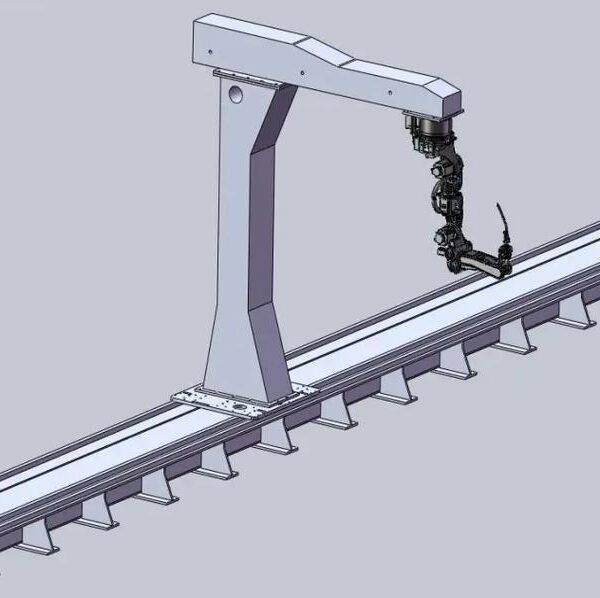

Cantilever Welding Robot solution
-
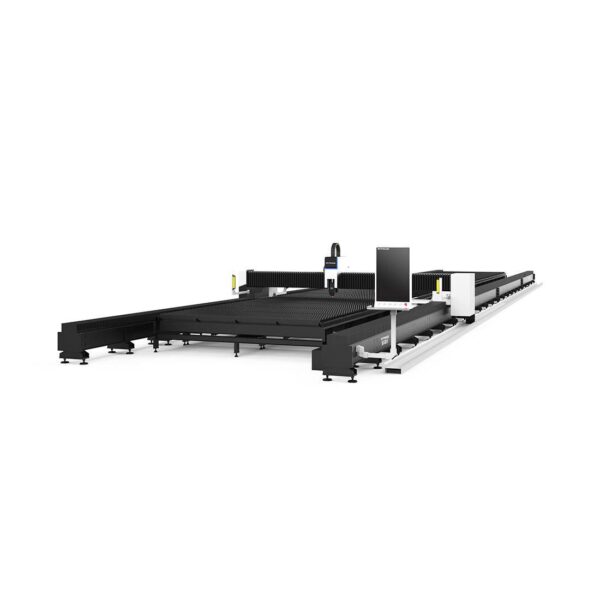

GF laser cutting machine
-
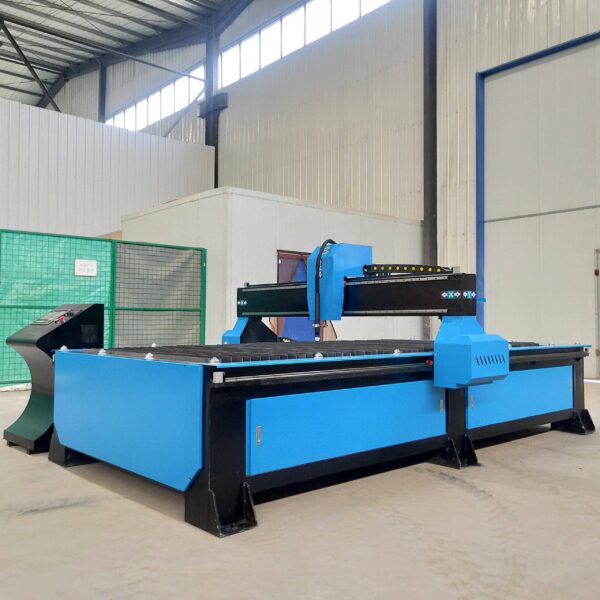
P3015 plasma cutting machine
-

LFP3015 Fiber Laser Cutter
-
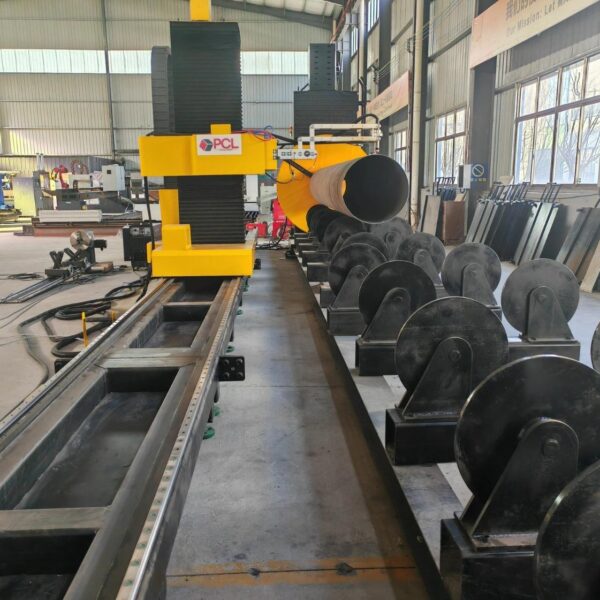
pipe plasma cutting machine
-
LFH 4020 Fiber Laser Cutting Machine
-
LFP4020
-
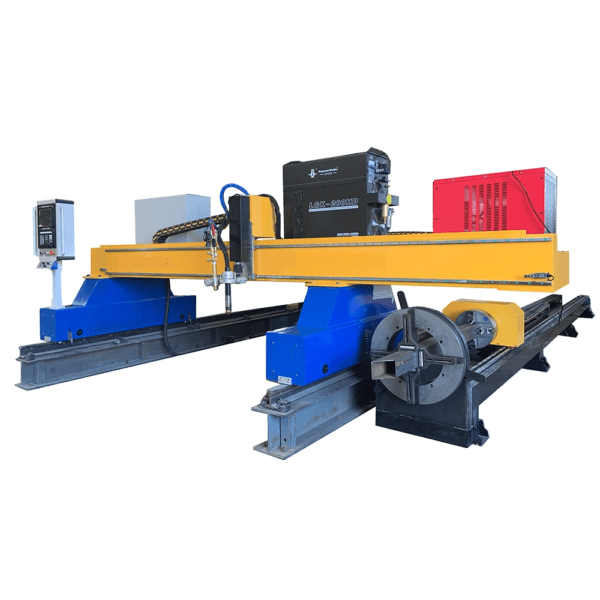
gantry plasma air cutting machine
-
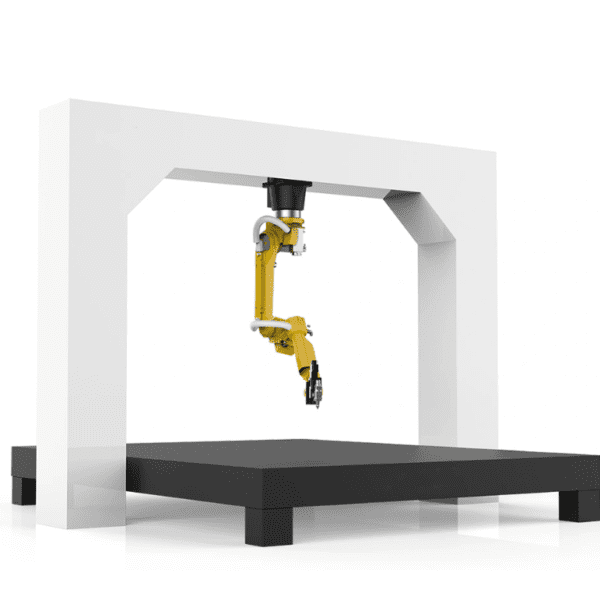
3D robot cutting machine
-
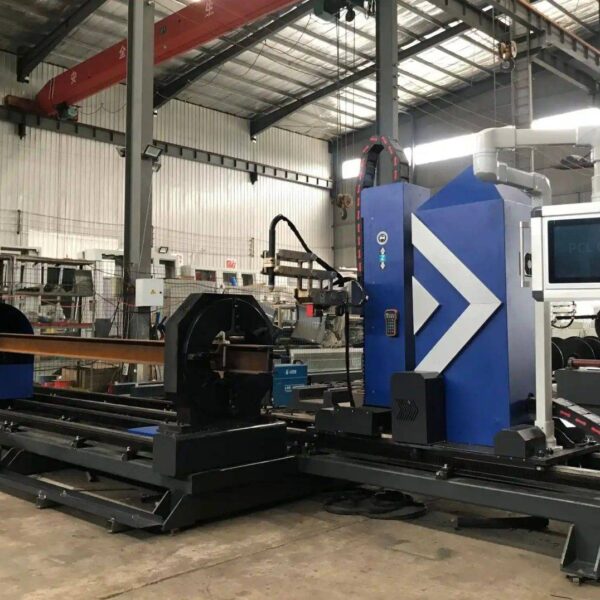
8 axis plasma cutting machine
-
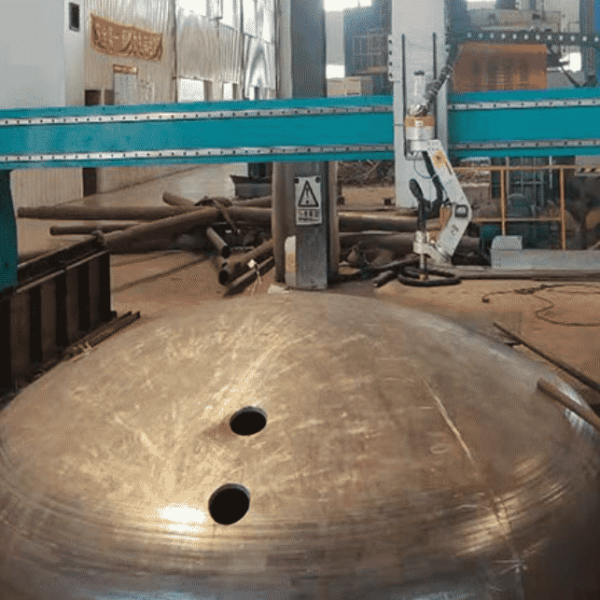
5 axis plasma cutting machine
-

LT360 tube laser cutting machine
-
robot welding workstation
-
SF6060 fiber laser cutting machine
Advanced Fiber Laser Tube Processing Technology
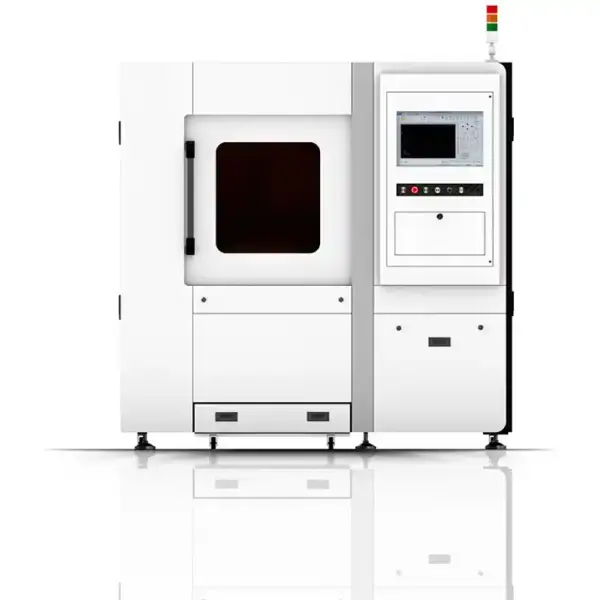
Our CNC Fiber Laser Tube Cutting systems revolutionize metal fabrication by integrating high-precision cutting, punching, and profiling into a single automated workflow. Designed for versatility, this technology handles a wide array of profiles including Round, Square, Rectangular, and Oval tubes, as well as complex L-shaped and U-shaped channels.
- Precision Punching: High-speed hole punching with micron-level accuracy, eliminating the need for mechanical drilling or die-stamping.
- Complex Profiling: Advanced 3D pathing allows for intricate interlocking joints and specialized notch cuts, ideal for structural frames.
- High Material Efficiency: Intelligent nesting software minimizes scrap, reducing raw material costs across large production runs.
- Clean Finish: Delivers oxide-free, burr-free edges that require zero secondary grinding before welding.

Seamlessly processing multiple profiles with consistent precision.
Global Delivery & Logistics



From our high-tech manufacturing facility directly to your global site. PCL WeldCut ensures secure packaging, professional handling, and reliable international logistics to safeguard your equipment throughout the entire journey.
