Field Evaluation Report: 1500W All-in-one Cobot Station Deployment
Site Location: Industrial Precinct, Saint-Denis, Paris, France
1. Introduction and Objective
This report outlines the technical performance and operational integration of a 1500W All-in-one Cobot Station at a medium-scale architectural fabrication facility in Paris. The primary objective was to transition high-volume mild steel welding tasks—specifically S235JR and S355 grade components—from manual Gas Metal Arc Welding (GMAW) to an automated framework.
In the high-rent, space-constrained environment of a Parisian workshop, the footprint of the equipment is as critical as its duty cycle. The deployment focused on the synergy between Collaborative Robotics and fiber laser technology to solve two specific issues: skilled labor shortages and the requirement for “clean” welds that minimize post-process grinding.
2. Hardware Architecture: The All-in-one Cobot Station
The “All-in-one” designation is not merely marketing terminology; in this field application, it refers to the physical integration of the fiber laser source, the water chiller, the wire feeder, and the robotic controller into a single mobile chassis.
Technical Specification Overview:
– **Laser Source:** 1500W Continuous Wave (CW) Fiber.
– **Cooling:** Integrated dual-circuit refrigerated chiller.
– **Interface:** 10-inch tactile HMI with simplified G-code translation.
– **Mobility:** Industrial casters with stabilizing leveling pads.
By utilizing an All-in-one Cobot Station, we eliminated the cable management nightmare typically associated with custom robotic cells. In the Paris facility, where floor space is valued at a premium, the ability to roll the station to the workpiece—rather than bringing the workpiece to a fixed cell—reduced material handling time by an estimated 22%.
3. The Role of Collaborative Robotics in Modern Fabrication
The implementation of collaborative robotics marks a departure from traditional industrial robots that require light curtains and physical fencing. This station utilizes a 6-axis cobot arm with sensitive torque sensors in every joint.
Key Field Observations:
– **Lead-Through Programming:** Our lead welders were able to “teach” the path by physically moving the torch. This reduced the setup time for a standard 400mm fillet weld on mild steel to under three minutes.
– **Safety Compliance:** In accordance with ISO 10218-1 and ISO/TS 15066, the cobot was configured to stop upon detecting a resistance of 120N. This allowed our staff to work in tandem with the machine, performing fit-ups on one side of the table while the cobot welded on the other.
– **Operator Psychology:** Unlike high-speed Delta or SCARA robots, the collaborative nature of this station reduced operator anxiety. The welders viewed the tool as a “sophisticated jig” rather than a replacement, which accelerated site-wide adoption.
4. Technical Analysis: Mild Steel Welding Performance
The core of this deployment was mild steel welding ranging from 1.5mm to 6.0mm thickness. Mild steel, while forgiving in manual processes, requires precise thermal management in laser applications to avoid undercut and excessive grain growth in the Heat Affected Zone (HAZ).
Wobble Parameters and Gap Bridging:
One of the primary lessons learned during the Paris trials was the necessity of the “Wobble” function. Laser welding is notoriously sensitive to fit-up tolerances. We utilized a figure-eight wobble pattern with a frequency of 180Hz and a width of 2.5mm. This allowed the 1500W beam to bridge fit-up gaps of up to 0.8mm on 3mm S235 plate—something previously impossible with static fiber heads.
Penetration and Speed:
On 4mm mild steel T-joints, we achieved full penetration at a travel speed of 18mm/s with the 1500W output set at 85% duty cycle. This is roughly four times faster than a skilled manual TIG welder and twice as fast as GMAW when factoring in the lack of spatter.
5. Integration Synergy: All-in-one Station meets Collaborative Robotics
The synergy between the All-in-one Cobot Station and collaborative robotics is most evident in the “Total Cost of Ownership” (TCO) and “Process Consistency.”
In the Paris workshop, we faced inconsistent power harmonics from the local grid. The All-in-one station’s internal power conditioning stabilized the 1500W output, ensuring that the laser intensity remained constant even when neighboring heavy machinery (like a CNC plasma table) cycled on.
Furthermore, the collaborative arm’s repeatability (+/- 0.05mm) ensures that once the “Golden Run” is established for a mild steel part, every subsequent part is identical. This removes the “human variable” of hand-steadiness and travel speed, which is where most mild steel defects originate in manual shops.
6. Lessons Learned from the Paris Field Site
Technical deployments rarely go perfectly. Here are the raw engineering takeaways from the Saint-Denis site:
A. The “Clean Air” Requirement:
Parisian humidity and urban dust levels affected the protective windows of the laser head more than anticipated. We learned that the “All-in-one” unit needs a dedicated, dry compressed air line (ISO 8573-1 Class 1.4.1) for the air knife to prevent lens contamination. Using standard shop air led to lens pitting within 40 hours of operation.
B. Grounding and Interference:
Despite the collaborative robotics being shielded, we experienced occasional HMI flickering. We traced this to improper grounding of the work table. In old European industrial buildings, you cannot trust the existing ground. We installed a dedicated copper earth stake for the station, which resolved all signal noise.
C. Wire Feed Synchronization:
When mild steel welding with the 1500W source, the timing of the wire retraction (Burnback) is critical. If the wire stays in the melt pool 50ms too long after the laser shuts off, it sticks. We had to fine-tune the cobot’s “End Action” script to include a 2mm Z-axis lift simultaneous with laser-off.
7. Metallurgical and Structural Validation
Post-weld analysis of the S355 mild steel samples showed a significantly narrower HAZ compared to traditional GMAW. Micro-hardness testing across the weld interface indicated a slight increase in hardness in the fusion zone, but remained within acceptable limits for structural architectural work.
The aesthetic quality was a major win. The Parisian client required a “brushed” finish. Because the 1500W laser produces zero spatter and a flat bead profile, the post-weld finishing time was reduced from 15 minutes per unit to a 30-second wipe with a Scotch-Brite pad.
8. Conclusion
The deployment of the 1500W All-in-one Cobot Station in Paris demonstrates that collaborative robotics has matured beyond simple “pick and place” tasks. When applied to mild steel welding, the technology offers a viable path for high-cost urban manufacturers to remain competitive.
The success of this station lies in its mobility and the lowering of the “programming barrier.” By integrating the laser, cooling, and control logic into a single footprint, the station solves the logistical hurdles of the workshop, while the cobot arm solves the repeatability and labor hurdles of the welding process itself.
Final Recommendation: For future deployments, ensure a rigorous fit-up jigging strategy. The cobot is precise, but it cannot “see” a badly prepped joint like a human welder can. Precision in the prep is the price of speed in the weld.
Engineer: Senior Welding Lead
Date: May 22, 2024
Status: Site Commissioned and Operational.
-
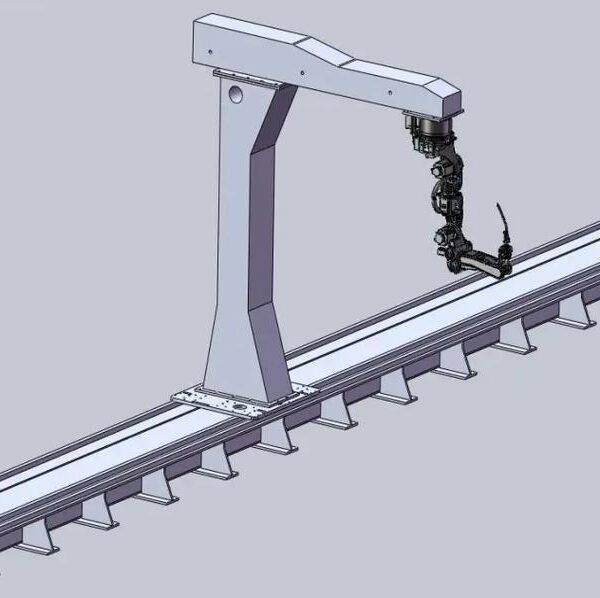

Cantilever Welding Robot solution
-
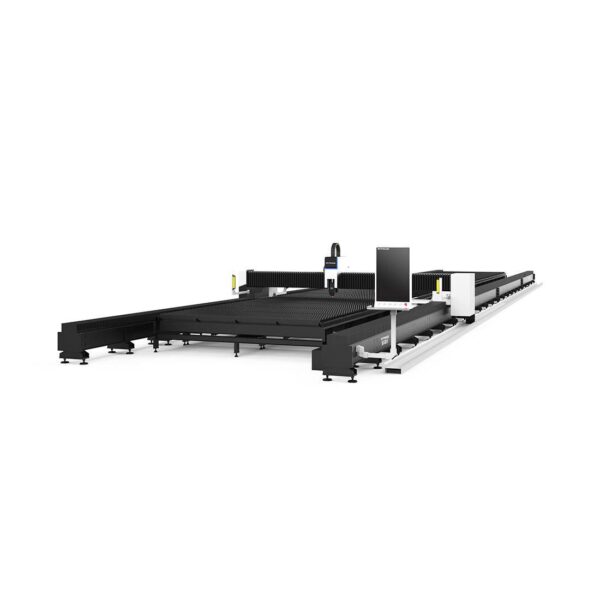

GF laser cutting machine
-
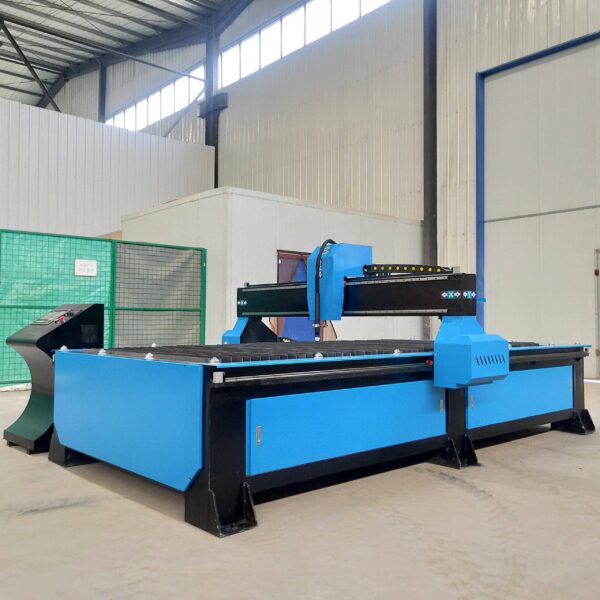
P3015 plasma cutting machine
-

LFP3015 Fiber Laser Cutter
-
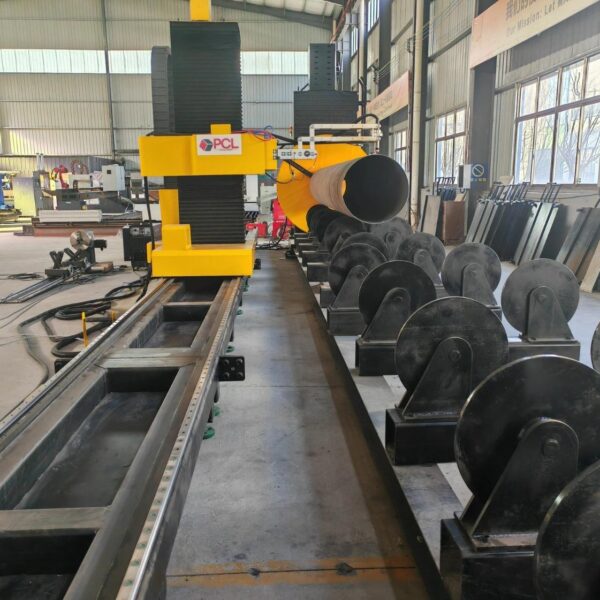
pipe plasma cutting machine
-
LFH 4020 Fiber Laser Cutting Machine
-
LFP4020
-
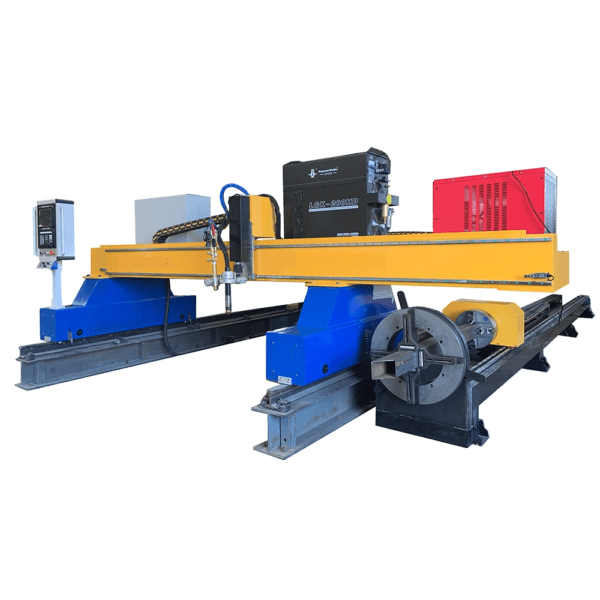
gantry plasma air cutting machine
-
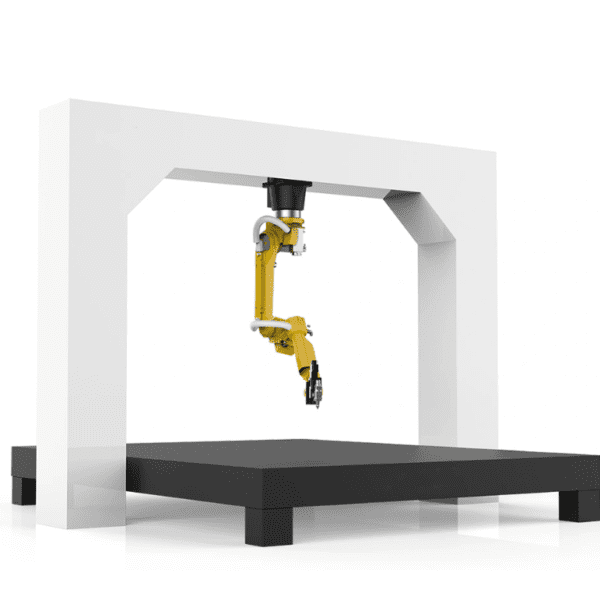
3D robot cutting machine
-
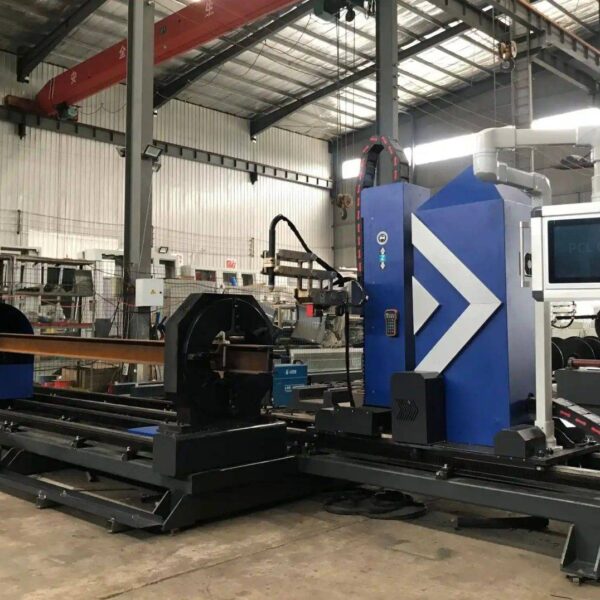
8 axis plasma cutting machine
-
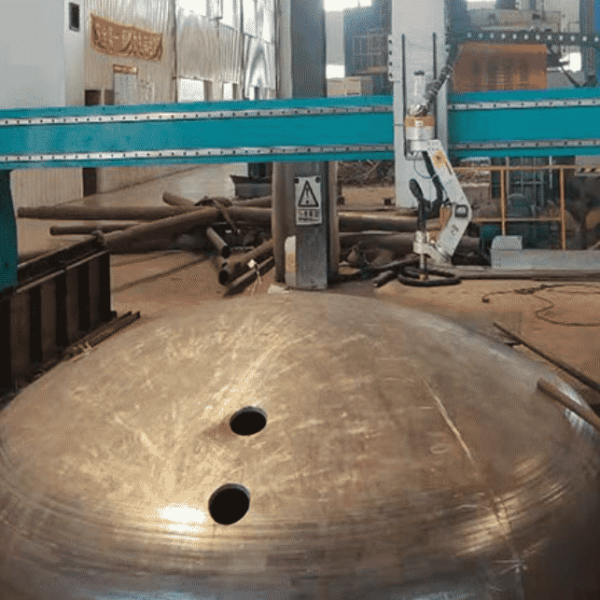
5 axis plasma cutting machine
-

LT360 tube laser cutting machine
-
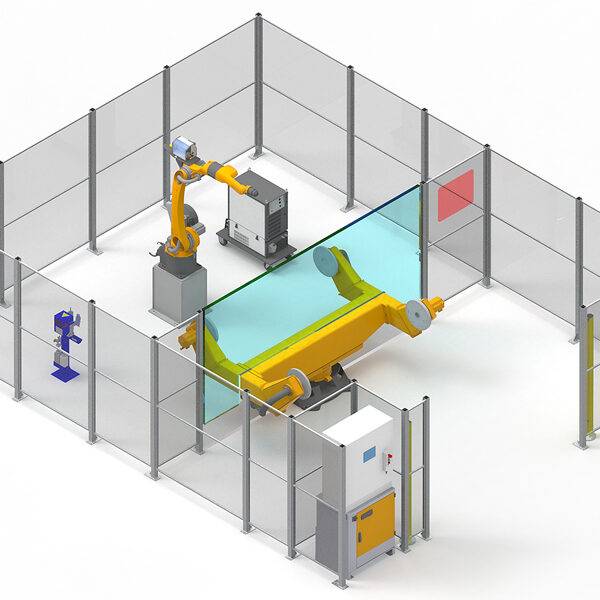
robot welding workstation
-
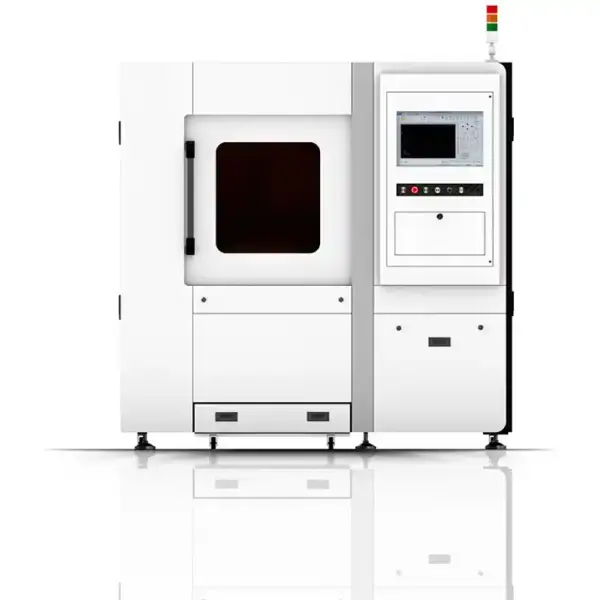
SF6060 fiber laser cutting machine
