Precision Engineering in Automotive Exhaust Fabrication
The manufacturing of automotive exhaust systems involves complex geometries designed to fit within tight chassis constraints while maintaining optimal backpressure and structural integrity. D-shape tubes are increasingly utilized in these systems to maximize cross-sectional area in restricted spaces. However, the non-concentric nature of D-shape profiles presents significant challenges for traditional mechanical cutting and processing methods. The integration of 5-axis fiber laser technology with 45-degree beveling capabilities addresses these challenges by consolidating multiple fabrication steps into a single automated process.
Lead Time Compression: From 3 Days to 3 Hours
In traditional exhaust manufacturing, a D-shape component undergoes several discrete stages. This typically begins with mechanical sawing, followed by a secondary milling or grinding operation to achieve the necessary bevel angle for weld preparation. Each stage requires its own setup, specialized jigging, and internal transport, often resulting in a cumulative lead time of 72 hours for a standard production batch.
The implementation of a tube laser cutting machine eliminates these logistical bottlenecks. By utilizing a 3D cutting head, the machine processes the flat and curved surfaces of the D-shape profile in a continuous motion. The ability to execute a 45-degree bevel during the primary cutting cycle ensures that the tube is ready for the welding cell immediately upon discharge. By removing the need for intermediate storage and manual handling between machines, manufacturers can reduce the total processing window to 3 hours. This 95% reduction in lead time directly enhances market competitiveness by allowing for just-in-time production and reducing work-in-progress (WIP) inventory costs.
Overcoming Intersection Geometry Challenges
Exhaust manifolds and mufflers require precise intersection cuts where D-shape tubes meet circular or oval components. Manually calculating and executing these “fishmouth” cuts with a 45-degree bevel is technically demanding and prone to human error. Laser systems utilize advanced nesting algorithms to calculate the varying kinematics required to maintain a consistent bevel angle across the shifting topography of a D-shape profile.
The CNC system synchronizes the rotation of the tube with the tilt and swivel of the laser head. This ensures that the focal point remains perpendicular to the programmed cut path, even as the distance from the tube’s center of rotation changes. The result is a high-difficulty intersection cut with a tolerance of +/- 0.1mm, ensuring a perfect fit-up for robotic welding and reducing the consumption of filler wire.
Technical Comparison: Traditional vs. 5-Axis Laser
| Metric | Traditional Mechanical Process | D-Shape Tube Laser (Bevel) |
|---|---|---|
| Total Lead Time | 48 – 72 Hours | 2 – 4 Hours |
| Secondary Processing | Deburring and Grinding Required | None (Burr-Free) |
| Dimensional Tolerance | +/- 0.5mm to 1.0mm | +/- 0.1mm |
| Material Waste | High (Saw Kerf + Crop Ends) | Low (Micro-Joint Nesting) |
| Labor Intensity | 3-4 Skilled Operators | 1 Cross-Trained Operator |
Workflow Efficiency and ERP Integration
Modern industrial laser systems operate as nodes within a wider digital ecosystem. Unlike standalone saws, these machines integrate directly with Enterprise Resource Planning (ERP) systems. Digital part files (STEP or IGES) are imported into the nesting software, which automatically calculates the most efficient layout to maximize material utilization.
The absence of secondary processing is a critical factor in workflow efficiency. Mechanical cutting leaves a thick burr and often introduces oils or coolants that must be cleaned before welding. The laser process, particularly when using nitrogen as an assist gas, results in an oxide-free, burr-free edge. This “ready-to-weld” state eliminates the deburring station entirely, streamlining the factory floor layout and reducing the total headcount required for a single production line.
EHS Compliance and Workforce Accessibility
The transition to laser technology provides significant Environment, Health, and Safety (EHS) benefits. Traditional sawing and grinding are high-noise operations that generate airborne metallic dust and ergonomic hazards through repetitive manual handling. Fiber laser systems are fully enclosed, utilizing high-efficiency particulate air (HEPA) filtration systems to capture fumes and dust at the source, while maintaining noise levels well below OSHA-mandated thresholds.
Furthermore, the industry is currently facing a shortage of highly skilled manual machinists. Modern tube laser machines feature intuitive graphical user interfaces (GUI) that simplify complex operations. A young operator with basic computer literacy can be trained to manage the machine’s operation and routine maintenance in just 2 days. This democratization of high-precision manufacturing allows companies to scale production without being limited by the availability of specialized manual labor.
Metallurgical Integrity and the Heat-Affected Zone
A common concern in automotive exhaust fabrication is the impact of heat on the thin-walled stainless steel (typically 409 or 304 grade) used in D-shape tubes. High-speed fiber lasers minimize the Heat-Affected Zone (HAZ), ensuring that the material properties near the cut edge remain stable. This is vital for maintaining the corrosion resistance of the exhaust system, as excessive heat during the cutting process can lead to chromium depletion and subsequent premature failure at the weld seams.
The 45-degree bevel produced by the laser is not only precise in its angle but also in its depth. This consistency allows for the implementation of automated orbital welding, as the robot can rely on a uniform V-groove across the entire circumference of the D-shape joint. The synergy between high-precision laser cutting and automated welding results in a final product that meets the rigorous vibration and thermal cycle standards of the automotive industry.
Conclusion: The ROI of Integrated Beveling
Investing in D-shape tube laser technology with 45-degree beveling capability represents a fundamental shift in automotive manufacturing strategy. By consolidating cutting, beveling, and deburring into one operation, manufacturers achieve drastic reductions in lead time and labor costs. The move from a 3-day multi-step process to a 3-hour automated cycle provides the agility required to respond to shifting market demands while maintaining the high geometric tolerances necessary for modern exhaust systems. Through digital ERP integration and improved EHS profiles, this technology provides a sustainable path for industrial growth in a competitive global landscape.
-
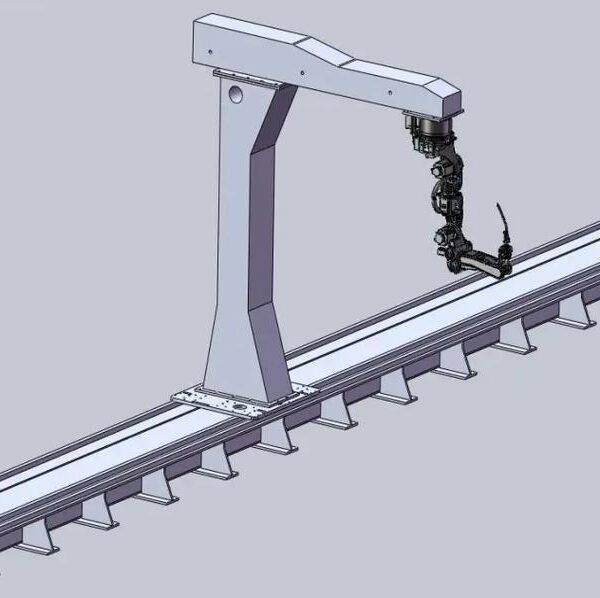
Cantilever Welding Robot solution
-
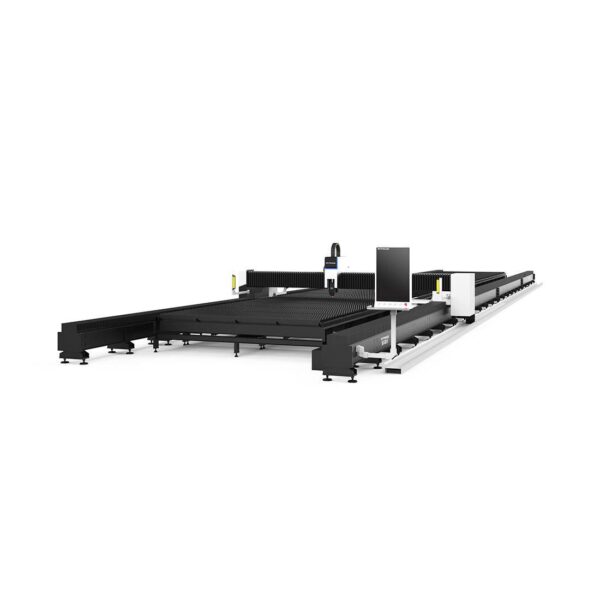
GF laser cutting machine
-
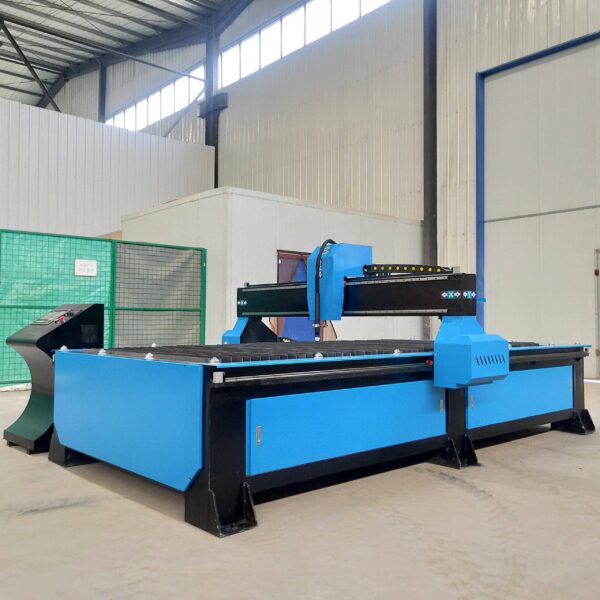
P3015 plasma cutting machine
-

LFP3015 Fiber Laser Cutter
-

pipe plasma cutting machine
-
LFH 4020 Fiber Laser Cutting Machine
-
LFP4020
-
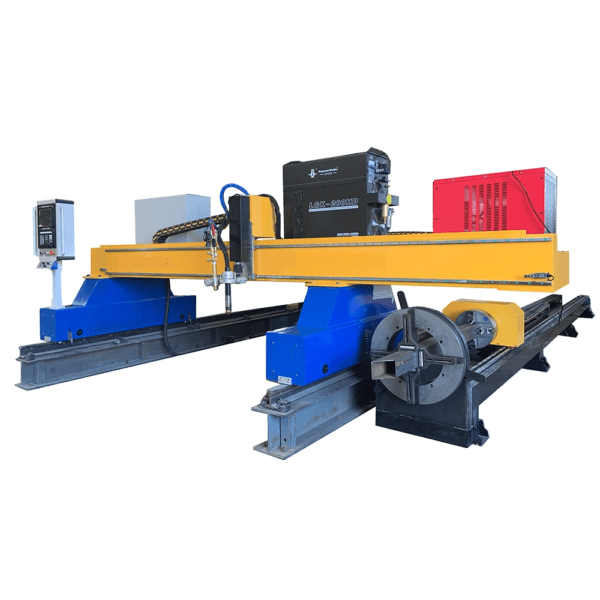
gantry plasma air cutting machine
-
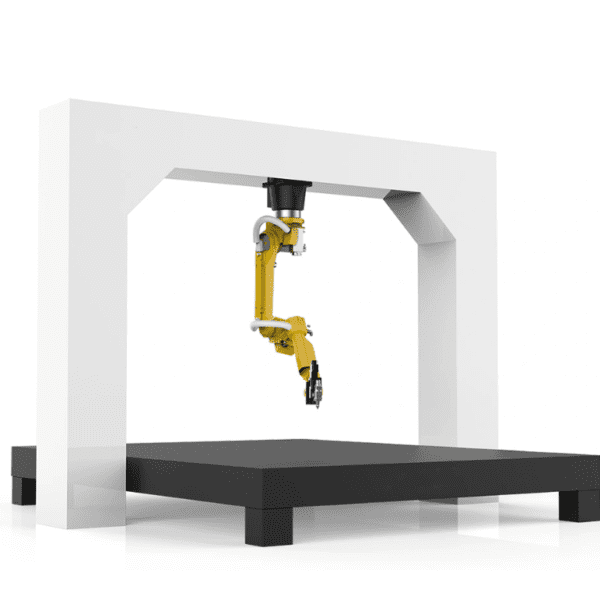
3D robot cutting machine
-
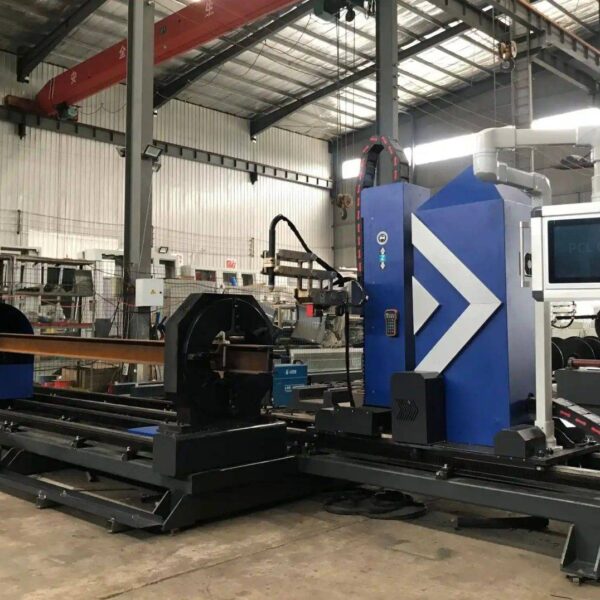
8 axis plasma cutting machine
-
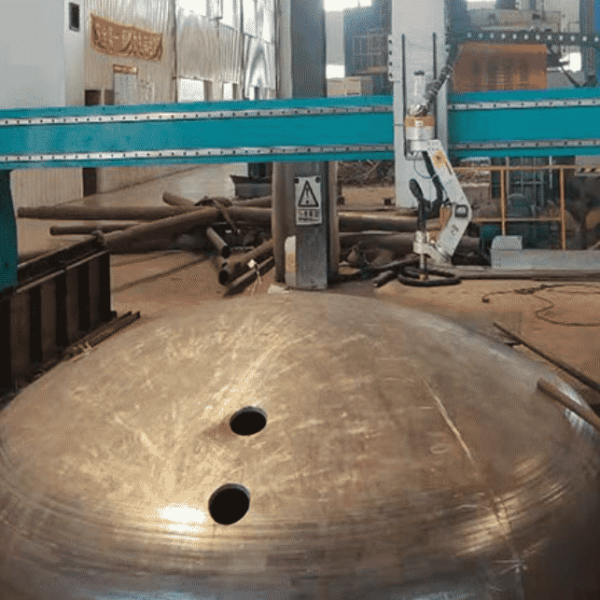
5 axis plasma cutting machine
-

LT360 tube laser cutting machine
-
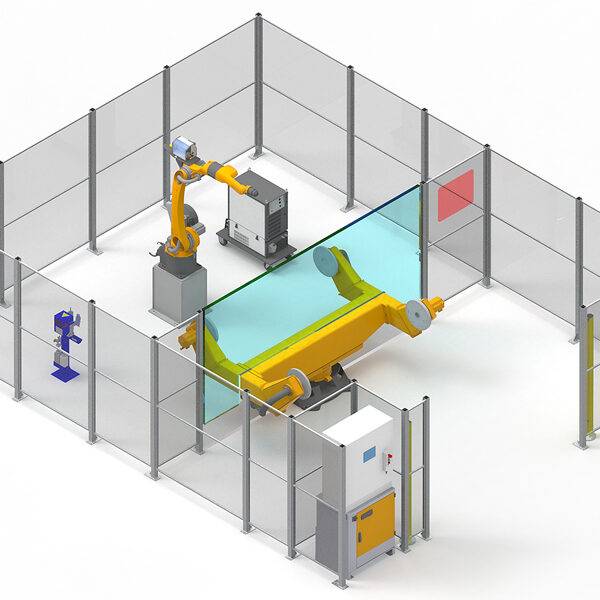
robot welding workstation
-
SF6060 fiber laser cutting machine
Advanced Fiber Laser Tube Processing Technology
Our CNC Fiber Laser Tube Cutting systems revolutionize metal fabrication by integrating high-precision cutting, punching, and profiling into a single automated workflow. Designed for versatility, this technology handles a wide array of profiles including Round, Square, Rectangular, and Oval tubes, as well as complex L-shaped and U-shaped channels.
- Precision Punching: High-speed hole punching with micron-level accuracy, eliminating the need for mechanical drilling or die-stamping.
- Complex Profiling: Advanced 3D pathing allows for intricate interlocking joints and specialized notch cuts, ideal for structural frames.
- High Material Efficiency: Intelligent nesting software minimizes scrap, reducing raw material costs across large production runs.
- Clean Finish: Delivers oxide-free, burr-free edges that require zero secondary grinding before welding.

Seamlessly processing multiple profiles with consistent precision.
Global Delivery & Logistics



From our high-tech manufacturing facility directly to your global site. PCL WeldCut ensures secure packaging, professional handling, and reliable international logistics to safeguard your equipment throughout the entire journey.
