Precision Engineering in Structural Steel: The Role of Zero-Tailing CNC Tube Lasers
In structural steel fabrication, the transition from conventional sawing and drilling to integrated CNC laser cutting represents a fundamental shift in mechanical throughput. Modern industrial requirements demand tighter tolerances and higher yield rates, particularly when processing heavy-gauge RHS (Rectangular Hollow Sections) and I-beams. The integration of zero-tailing technology, combined with a cast iron damping architecture, addresses the primary bottlenecks of material waste and secondary processing labor.
Hardware Architecture: Cast Iron Bed and Vibration Damping
The structural integrity of a CNC tube laser starts with the machine bed. High-speed fiber laser cutting requires extreme acceleration and deceleration of the cutting head. Utilizing a high-strength cast iron bed provides a significant advantage over traditional welded plate frames. Cast iron possesses a superior vibration damping capacity, which absorbs the kinetic energy generated during rapid traverse movements. This stability ensures that the heat-affected zone (HAZ) remains consistent and the focal point of the laser remains precise, even when processing pipes exceeding 200kg per meter.
The mechanical stability is further enhanced by the chuck configuration. While 2-chuck systems are standard for light-duty applications, structural steel fabrication necessitates a 3-chuck or 4-chuck system. A 3-chuck system allows for “stepping” the material through the cutting zone. The middle chuck provides a constant pivot point, reducing the oscillation of long pipes, while the rear and front chucks coordinate to move the material past the laser head. This configuration is essential for maintaining the moment of inertia required to rotate heavy, non-symmetrical profiles without losing axial alignment.
Workflow Efficiency: ERP Integration and Burr-Free Processing
Standard fabrication workflows often involve four distinct stages: measurement/layout, sawing, drilling, and deburring. A CNC tube laser consolidates these into a single automated process. The primary efficiency driver is the elimination of secondary processing. Laser cutting produces a kerf width of approximately 0.1mm to 0.3mm, resulting in clean, burr-free edges that are ready for immediate welding. This removes the need for manual grinding or mechanical deburring stations.
Digital integration via ERP systems allows for seamless nesting. Modern software platforms take CAD data directly and optimize the nesting pattern across multiple pipe lengths. This digital thread ensures that the shop floor receives precise instructions, reducing human error in measurement. The integration also tracks material usage in real-time, providing accurate data for inventory management and job costing. By utilizing advanced nesting algorithms, the software can orient parts to utilize the maximum length of the raw stock, accounting for the mechanical limitations of the chucks.
Mechanical Comparison: 2-Chuck vs. 3-Chuck Systems
The following table outlines the technical divergence between standard systems and high-performance structural configurations.
| Technical Feature | Standard 2-Chuck System | Advanced 3-Chuck System |
|---|---|---|
| Tailing Length (Waste) | 150mm – 250mm | 0mm – 50mm (Zero Tailing) |
| Support Stability | Low (prone to sagging) | High (multi-point clamping) |
| Max Pipe Weight | Moderate | Heavy (up to 1200kg per pipe) |
| Processing Speed | Standard | High (no slippage) |
ROI Analysis: Zero-Tailing and Labor Substitution
The return on investment (ROI) for a CNC tube laser is calculated through material yield and labor reduction. Conventional tube lasers leave a “tailing” or remnant at the end of every pipe because the chuck cannot hold the material once it passes a certain point. This waste typically measures between 150mm and 200mm. Zero-tailing technology utilizes a multi-chuck hand-off mechanism, allowing the laser to cut right up to the edge of the material. In a high-volume structural environment, saving 15cm to 20cm per pipe translates to a 2-3% increase in total material utilization. Over an annual cycle of 1,000 tons of steel, this saves approximately 20-30 tons of raw material.
Labor substitution is the second major cost-saving pillar. A single CNC tube laser operator can replace a team of 3 to 5 workers who would otherwise be engaged in manual sawing, layout marking, drilling, and finishing. By automating the kinematic positioning of the workpiece, the machine ensures that every hole, notch, and mitre cut is identical, eliminating the scrap costs associated with manual measurement errors.
Maintenance: CNC Rail Lubrication and Longevity
To maintain high-precision tolerances over a 10-year lifecycle, the machine’s motion system must be protected from the abrasive dust generated during the laser process. Manual lubrication is often inconsistent, leading to premature wear on the linear guides and rack-and-pinion systems. Automated CNC rail lubrication systems deliver metered doses of lubricant to the bearing blocks at specific intervals based on travel distance. This ensures a constant oil film, reducing friction and preventing the oxidation of the rails. In a structural steel environment where heavy particles and sparks are prevalent, this automated maintenance is critical for preventing mechanical backlash and maintaining positional accuracy.
Conclusion
The deployment of a zero-tailing CNC tube laser with a cast iron bed and automated lubrication provides a measurable competitive advantage for structural steel fabricators. By integrating software-driven nesting with high-stability hardware, facilities can achieve higher throughput with a significantly reduced headcount. The elimination of material waste through zero-tailing technology ensures that the capital expenditure is offset by immediate gains in material yield and the removal of costly secondary finishing processes.
-
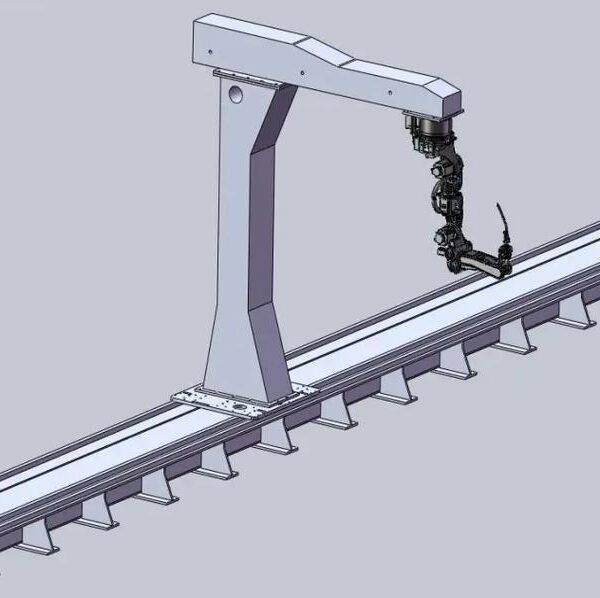

Cantilever Welding Robot solution
-
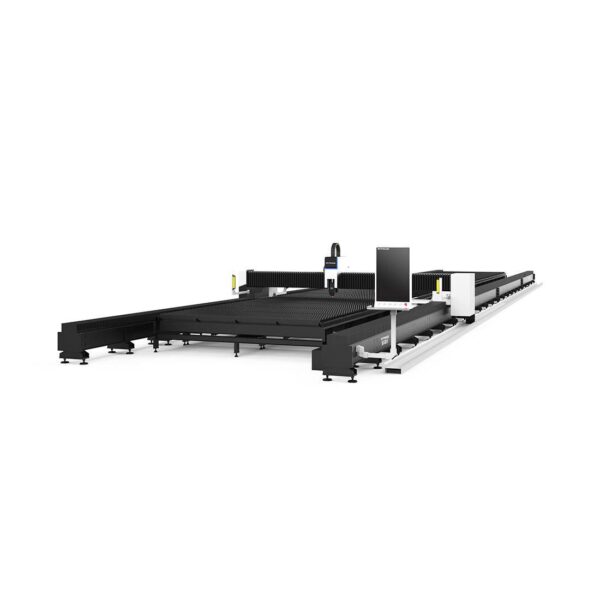

GF laser cutting machine
-
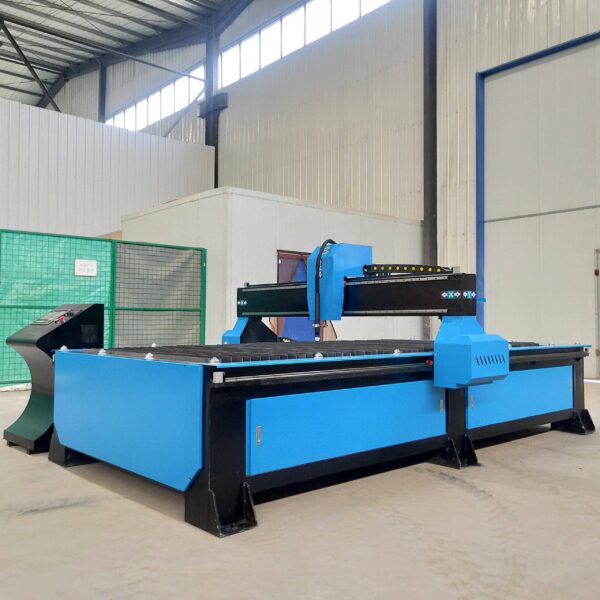
P3015 plasma cutting machine
-

LFP3015 Fiber Laser Cutter
-
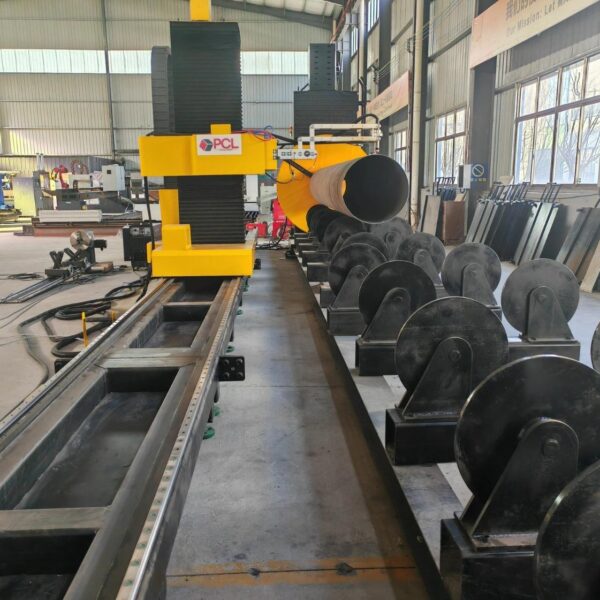
pipe plasma cutting machine
-
LFH 4020 Fiber Laser Cutting Machine
-
LFP4020
-
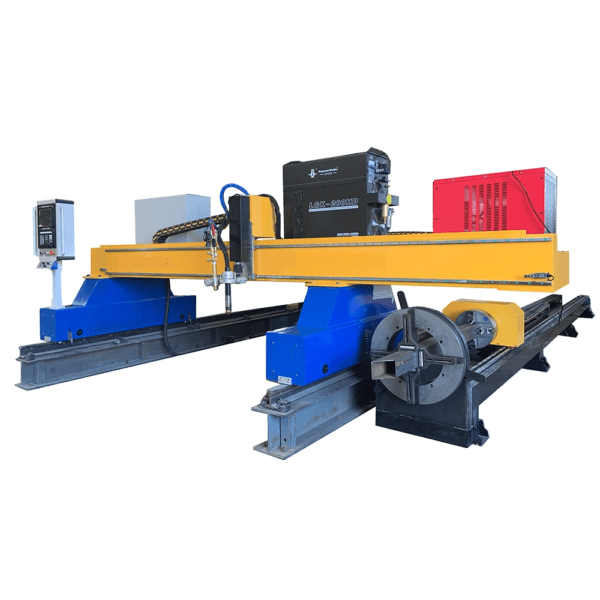
gantry plasma air cutting machine
-
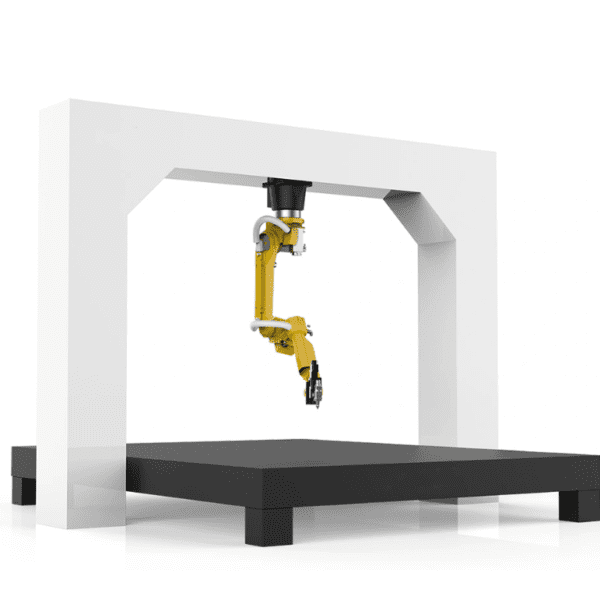
3D robot cutting machine
-
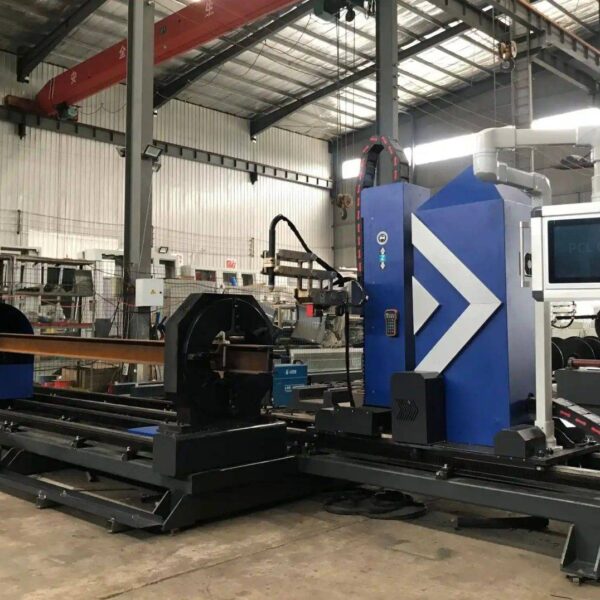
8 axis plasma cutting machine
-
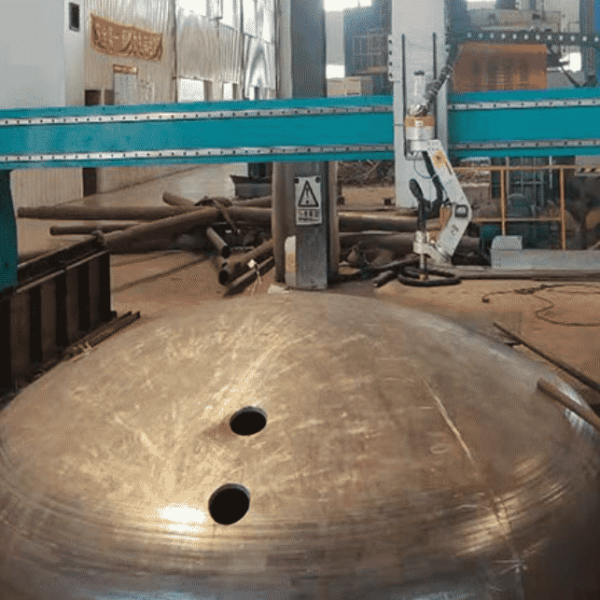
5 axis plasma cutting machine
-

LT360 tube laser cutting machine
-
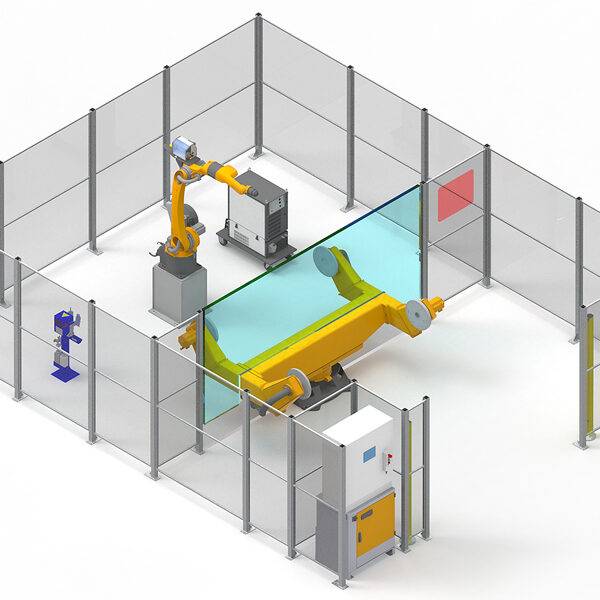
robot welding workstation
-
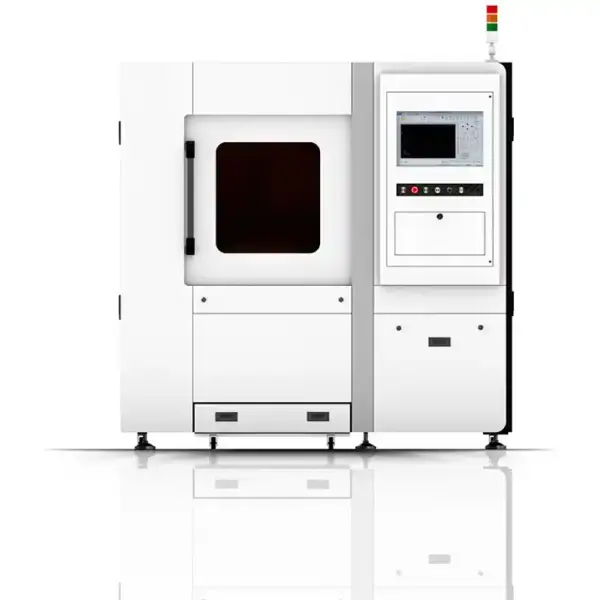
SF6060 fiber laser cutting machine
Advanced Fiber Laser Tube Processing Technology
Our CNC Fiber Laser Tube Cutting systems revolutionize metal fabrication by integrating high-precision cutting, punching, and profiling into a single automated workflow. Designed for versatility, this technology handles a wide array of profiles including Round, Square, Rectangular, and Oval tubes, as well as complex L-shaped and U-shaped channels.
- Precision Punching: High-speed hole punching with micron-level accuracy, eliminating the need for mechanical drilling or die-stamping.
- Complex Profiling: Advanced 3D pathing allows for intricate interlocking joints and specialized notch cuts, ideal for structural frames.
- High Material Efficiency: Intelligent nesting software minimizes scrap, reducing raw material costs across large production runs.
- Clean Finish: Delivers oxide-free, burr-free edges that require zero secondary grinding before welding.

Seamlessly processing multiple profiles with consistent precision.
Global Delivery & Logistics



From our high-tech manufacturing facility directly to your global site. PCL WeldCut ensures secure packaging, professional handling, and reliable international logistics to safeguard your equipment throughout the entire journey.
