Engineering Foundations of Medical Grade Tube Lasers
In the manufacturing of medical equipment—ranging from hospital beds and surgical tables to diagnostic scanning frames—the margin for structural error is nonexistent. The transition from manual sawing and drilling to automatic tube laser processing is driven by the requirement for repeatable dimensional stability and complex geometry execution. Pneumatic chuck systems represent the critical interface between the machine’s motion control and the raw material, ensuring that thin-walled stainless steel tubes remain concentric throughout high-speed rotation and acceleration. Unlike mechanical clamping, pneumatic pressure provides consistent force distribution, preventing the deformation of fragile profiles while maintaining the rigid grip necessary for high-frequency fiber laser cutting.
Hardware Rigidity: The Role of the Cast Iron Bed
The structural integrity of a tube laser starts with the machine bed. Industrial-grade tube lasers utilize a heavy-duty cast iron bed, typically HT300 or higher, which undergoes a process of stress annealing to eliminate internal tensions. The primary advantage of cast iron over welded steel frames is its inherent vibrational damping capacity. During the rapid movement of the laser head and the rotation of the pneumatic chucks, kinetic energy creates micro-vibrations. In a medical manufacturing context, these vibrations lead to chatter marks and irregularities in the cut edge. A cast iron bed absorbs these frequencies, ensuring that the heat-affected zone (HAZ) remains localized and the laser beam remains perfectly perpendicular to the material surface, regardless of the feed rate.
Kinematic Stability: 3-Chuck vs. 2-Chuck Systems
The choice between a 2-chuck and a 3-chuck configuration dictates the level of precision and material utilization available to the manufacturer. In a standard 2-chuck system, the tube is held at the rear and guided at the front. However, as the cut progresses toward the end of the tube, the lack of support leads to “tube whip” or sagging, which compromises the accuracy of the final cuts.
A 3-chuck system introduces a middle chuck that provides continuous support. This configuration allows for “zero-tailing” or ultra-short tailing, meaning the laser can cut closer to the clamping point without losing stability. For medical equipment manufacturers using expensive alloys or precision-grade stainless steel, reducing material waste is a significant factor in total cost of ownership. The 3-chuck setup ensures that the tube remains centered through the entire cutting cycle, enabling complex 45-degree bevels and interlocking joints at the very ends of the workpiece.
Technical Comparison Table
| Feature | 2-Chuck System | 3-Chuck System |
|---|---|---|
| Tailing Waste | 150mm – 250mm | 0mm – 50mm |
| Support Stability | Medium (End sag possible) | High (Full-length support) |
| Max Tube Weight | Standard | Extended / Heavy wall |
| Processing Accuracy | +/- 0.1mm | +/- 0.03mm |
Precision Engineering: HAZ and 45-Degree Beveling
Medical frames often require complex intersections to maintain structural integrity while minimizing weight. Achieving a perfect 45-degree bevel is essential for creating flush joints that do not require excessive filler material during the welding process. Automated tube lasers equipped with 5-axis cutting heads allow for precise kerf width control and beveled edges that fit together with zero clearance.
A critical technical metric in this process is the minimization of the Heat Affected Zone. Excessive heat during the laser cut can alter the metallurgical properties of stainless steel, leading to carbide precipitation and reduced corrosion resistance—a failure point in sterilized medical environments. High-speed pneumatic chuck synchronization allows the laser to maintain a constant linear speed, even during complex rotations, which keeps the thermal input consistent and the HAZ at a microscopic level. This eliminates the need for post-cut grinding or chemical passivation in many applications.
Aesthetics and Industrial Design Integration
The aesthetics of medical equipment and high-end rehabilitation furniture are not merely cosmetic; they are functional. Surfaces must be smooth for sanitation, and joints must be seamless to prevent the accumulation of contaminants. Automatic tube lasers facilitate “hidden industrial design” by allowing for internal tab-and-slot alignment features. These features are cut directly into the tubes, allowing components to self-fixture before welding.
This pneumatic synchronicity ensures that holes for fasteners, wire routing, or adjustment pins are placed with absolute repeatability. For furniture-grade medical equipment, such as adjustable examination chairs, the laser can produce “seamless welding prep” where the edges of the tubes are chamfered precisely to allow for a flush-mount weld bead. This reduces the labor required for secondary finishing and polishing, as the joint is structurally sound and visually clean immediately following the welding cycle.
Operational Efficiency in High-Mix Production
Medical device manufacturing often involves high-mix, low-volume production runs. The pneumatic chuck system facilitates rapid changeovers between different tube diameters and profiles (round, square, oval) without the need for manual jaw adjustments. Software integration allows for the automatic adjustment of clamping pressure based on material wall thickness. This prevents the “crushing” effect often seen in manual systems when transitioning from heavy-wall structural frames to thin-walled aesthetic components.
By utilizing a 3-chuck system on a cast iron bed, manufacturers can achieve a level of taper compensation that ensures vertical cuts are perfectly square. This is vital for the assembly of telescopic tubes used in IV stands and lift mechanisms, where friction-free movement depends on the concentricity of the laser-cut slots and the straightness of the tube’s longitudinal axis.
Conclusion: The ROI of Precision Hardware
Investing in an automatic tube laser with Pneumatic chuck precision is a strategic move for manufacturers targeting the medical and high-end furniture sectors. The combination of a vibration-damping cast iron bed and the kinematic superiority of a 3-chuck system translates directly into reduced scrap rates, faster assembly times, and superior product finishes. By controlling the HAZ and mastering the 45-degree bevel, facilities can bypass traditional machining bottlenecks, delivering equipment that meets the stringent safety and aesthetic standards of the healthcare industry.
-
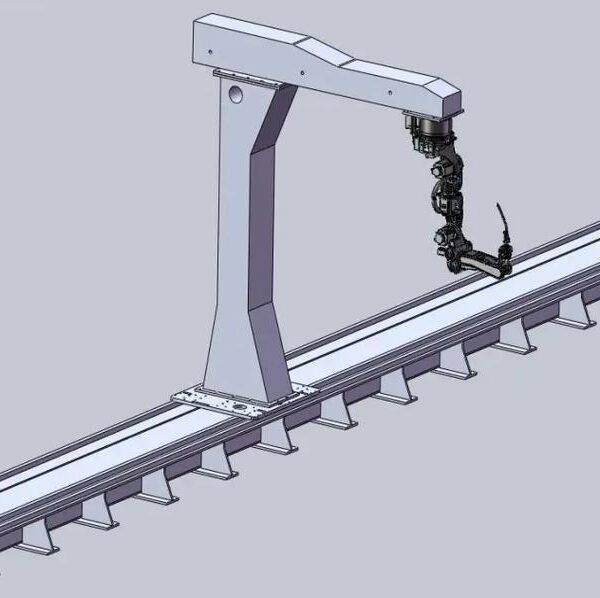

Cantilever Welding Robot solution
-
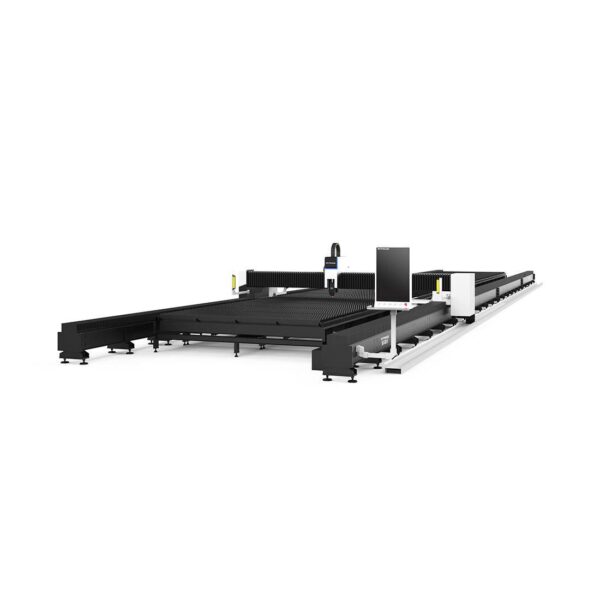

GF laser cutting machine
-
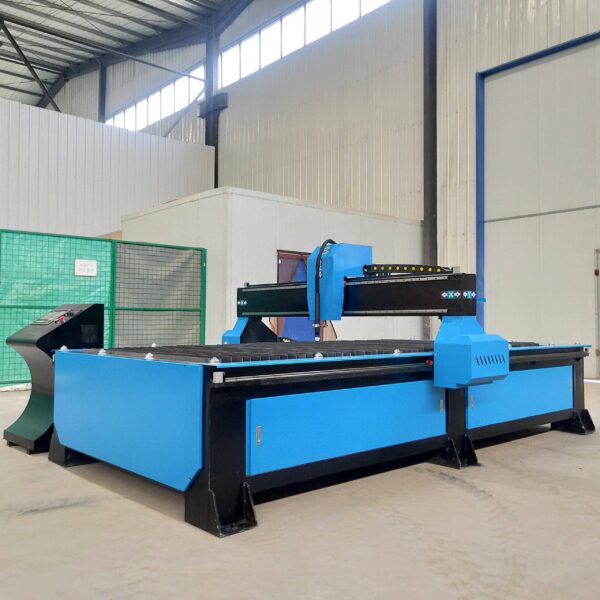
P3015 plasma cutting machine
-

LFP3015 Fiber Laser Cutter
-
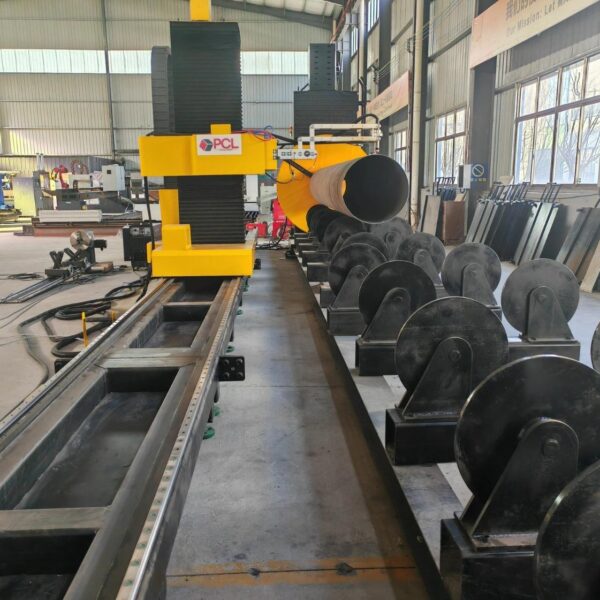
pipe plasma cutting machine
-
LFH 4020 Fiber Laser Cutting Machine
-
LFP4020
-
gantry plasma air cutting machine
-
3D robot cutting machine
-
8 axis plasma cutting machine
-
5 axis plasma cutting machine
-

LT360 tube laser cutting machine
-
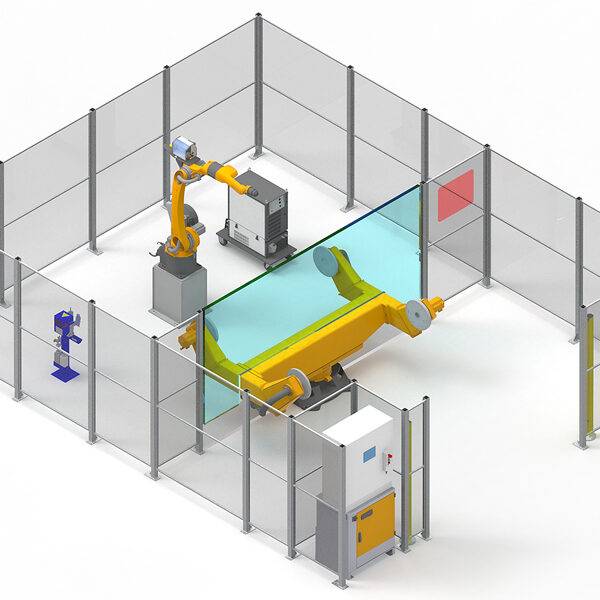
robot welding workstation
-
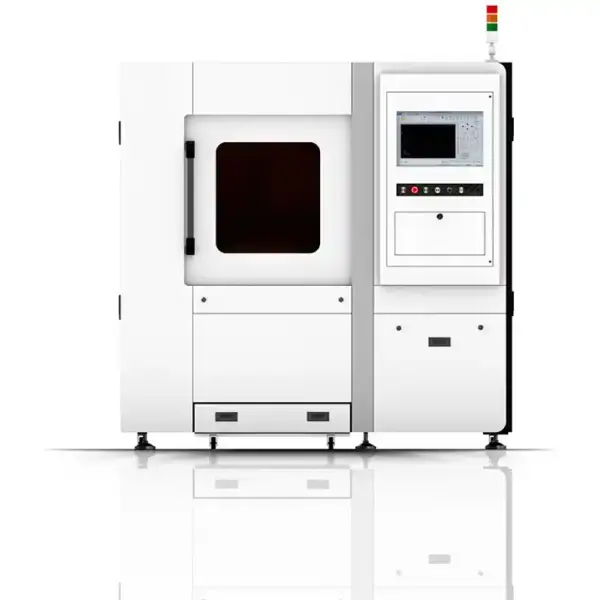
SF6060 fiber laser cutting machine
