Optimization of Angle Steel Fabrication for Warehouse Racking Systems
The fabrication of warehouse racking systems has historically relied on mechanical punching presses and band saws. While functional, these methods introduce structural stress, tool wear, and significant material waste. The integration of fiber tube laser cutting machines, specifically those equipped with zero-tailing technology, represents a shift toward high-precision, automated production. By combining hole punching, slotting, and length cutting into a single CNC process, manufacturers eliminate secondary handling and reduce the margin of error in multi-tier racking assemblies.
The Mechanics of Zero Tailing in Angle Steel Processing
Material utilization is the primary cost driver in high-volume racking production. Traditional laser cutting machines require a safety margin for the chuck to grip the material, often resulting in 200mm to 500mm of waste per bar. Zero-tailing technology utilizes a Three-Chuck Synchronous Clamping system. In this configuration, the middle chuck and the rear chuck coordinate to feed the material through the cutting zone, while the third chuck, located at the exit, supports the piece as it is finished.
This synchronization allows the cutting head to process the material directly adjacent to the clamping point. For angle steel, which lacks a symmetrical center of gravity, this multi-chuck support is critical. It prevents the vibration and whipping effect common in cantilevered profiles, ensuring that the final cut on the tail end of the beam maintains the same tolerances as the first. This results in a material utilization rate exceeding 98 percent, providing a direct reduction in the raw material overhead for large-scale logistics projects.
Material Versatility and Profile Geometry
Warehouse racking often requires a mix of materials and profiles to balance weight and load-bearing capacity. While standard carbon steel is the norm, specialized environments like cold storage or chemical processing may require aluminum or copper components for corrosion resistance or conductivity.
Modern tube lasers utilize high-power fiber laser Source technology, which incorporates advanced beam modulation. This is essential for cutting highly reflective materials like aluminum and copper, which would otherwise reflect the laser beam back into the optics, causing catastrophic failure. The software controls the frequency and duty cycle of the pulse to penetrate the surface without back-reflection.
Furthermore, the machine’s control system is programmed to handle complex geometries beyond standard tubes. This includes:
- H-beams and I-beams for heavy-duty uprights.
- C-channels for cross-bracing.
- Angle steel for shelf supports and trim.
Because angle steel has an asymmetrical cross-section, the laser’s focal point must be dynamically adjusted as the cutting head moves around the profile. The CNC interface uses 3D simulation to path-find the most efficient cutting route, ensuring that the nozzle maintains a constant standoff distance from the inner and outer corners of the angle.
Precision Beveling and Aesthetic Integration
In high-end furniture and modular racking, the visual quality of the joint is as important as its strength. Traditional mechanical cutting leaves burrs and a large Heat Affected Zone (HAZ), which can weaken the molecular structure of the steel and require extensive grinding before welding or coating.
The laser cutting process minimizes the thermal footprint. By concentrating energy into a localized spot, the material is vaporized instantly, leaving a clean edge with minimal oxidation. For frame construction, 45-degree beveling is essential for creating miter joints. The multi-axis cutting head can tilt to produce precise chamfers and bevels on the ends of angle steel bars. This allows for a “flush-fit” assembly where two pieces meet at a perfect 90-degree angle, eliminating gaps that would otherwise require excessive filler wire during the welding phase.
Additionally, industrial design often necessitates “hidden” holes for internal wiring or recessed fasteners. The precision of the laser allows for the creation of intricate hole patterns that would be impossible with a standard punch die, including slots for interlocking components that do not require bolts.
Technical Comparison: Laser vs. Traditional Methods
| Feature | Mechanical Punch & Saw | Zero-Tailing Tube Laser |
|---|---|---|
| Material Waste | 10-15% (Tailings) | Less than 2% |
| Processing Steps | Saw -> Punch -> Deburr | Single-pass Integrated |
| Edge Quality | Rough/Burred | Clean/Weld-ready |
| Hole Accuracy | +/- 0.5mm | +/- 0.05mm |
| Beveling Ability | Manual/Separate Setup | Automated 3D Head |
Efficiency Through Nesting and Software Integration
The throughput of a tube laser is maximized through sophisticated Nesting Software. In warehouse racking, where hundreds of uprights and thousands of cross-beams are required, the software calculates the optimal arrangement of different part lengths on a single 6-meter or 12-meter bar.
The software accounts for the kerf width of the laser and the physical constraints of the chucks. By nesting parts of varying lengths and hole patterns together, the machine can run unattended for hours. This automation extends to the loading and unloading cycles, where raw angle steel bundles are automatically separated and fed into the machine, and finished parts are sorted by length onto pallets.
Conclusion: Structural Integrity and ROI
The adoption of zero-tailing tube laser technology for angle steel processing provides a dual advantage: immediate material savings and long-term structural reliability. By eliminating the mechanical stress of punching and providing a superior welding surface through 45-degree beveling, the resulting racking systems are more durable and easier to assemble. For manufacturers, the Return on Investment (ROI) is realized through the elimination of secondary finishing processes and the significant reduction in scrap metal costs, making it the definitive standard for modern industrial fabrication.
-
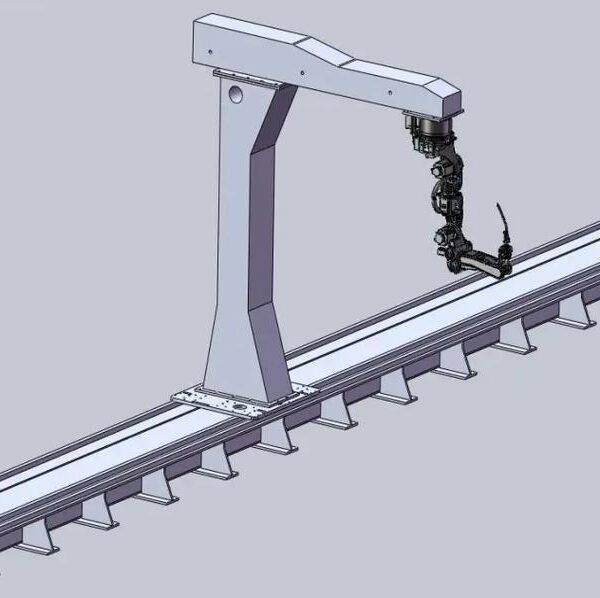

Cantilever Welding Robot solution
-
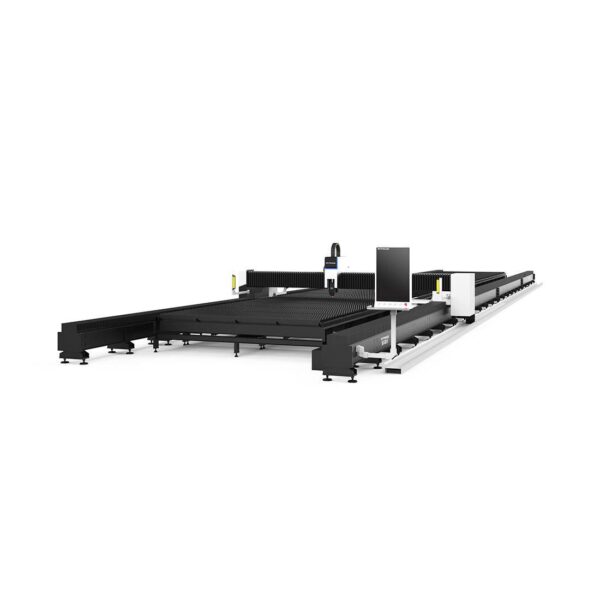

GF laser cutting machine
-
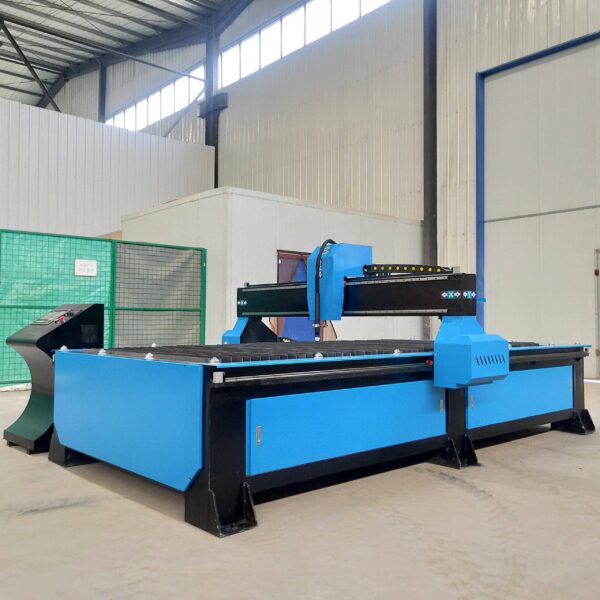
P3015 plasma cutting machine
-

LFP3015 Fiber Laser Cutter
-
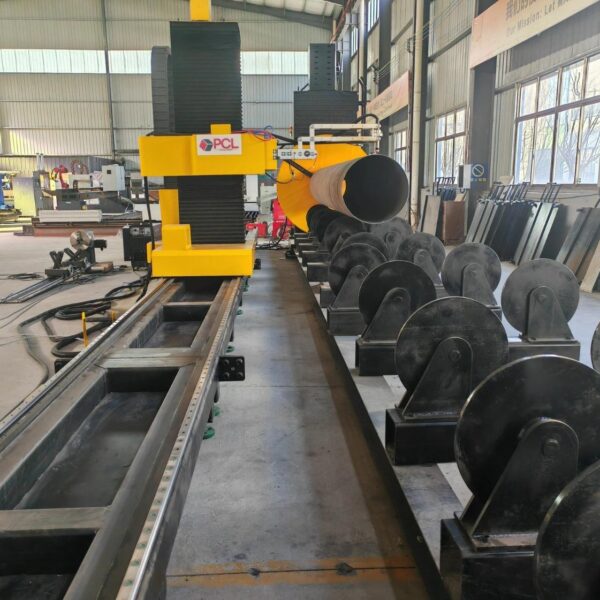
pipe plasma cutting machine
-
LFH 4020 Fiber Laser Cutting Machine
-
LFP4020
-
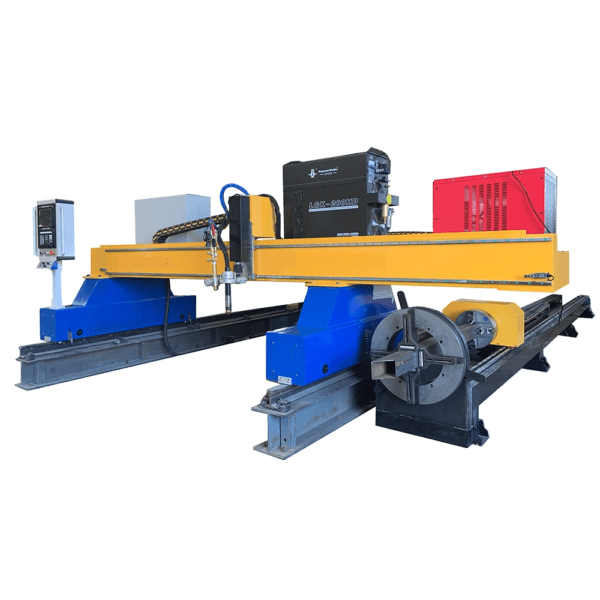
gantry plasma air cutting machine
-
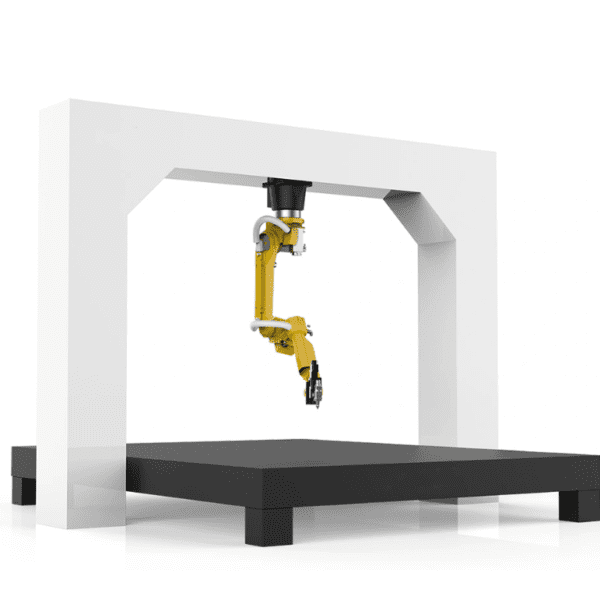
3D robot cutting machine
-
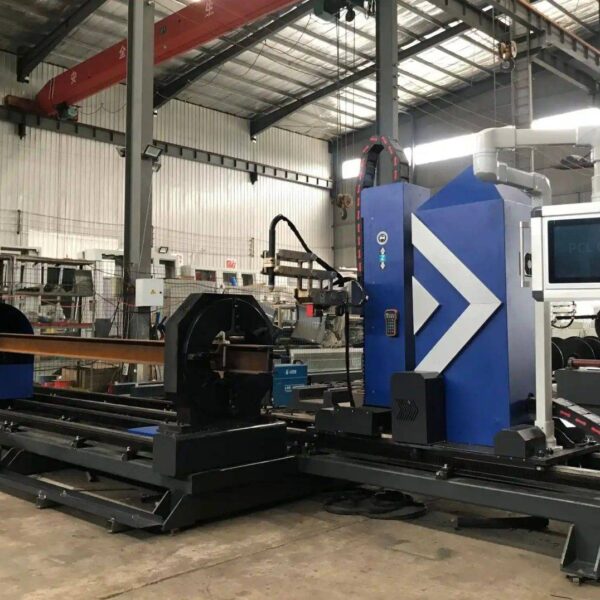
8 axis plasma cutting machine
-
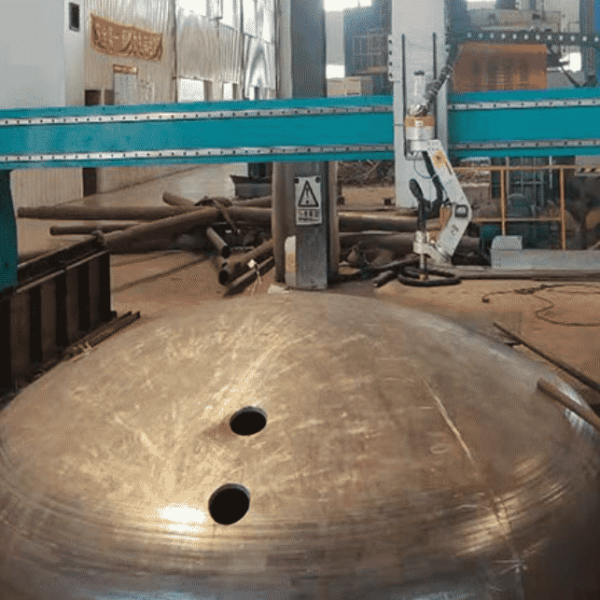
5 axis plasma cutting machine
-

LT360 tube laser cutting machine
-
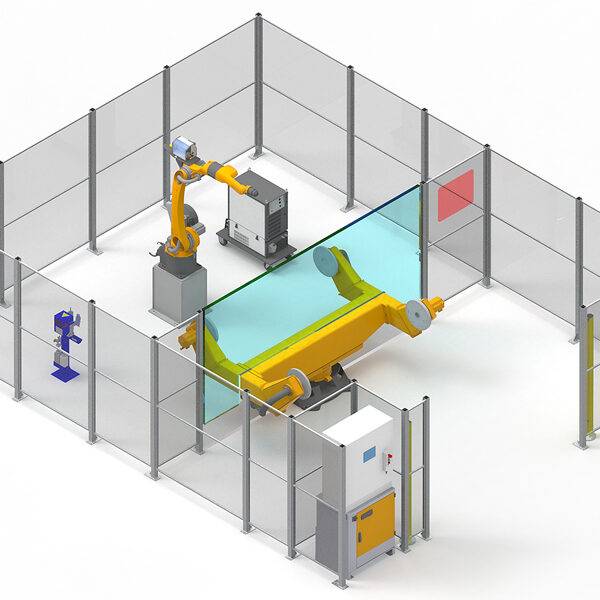
robot welding workstation
-
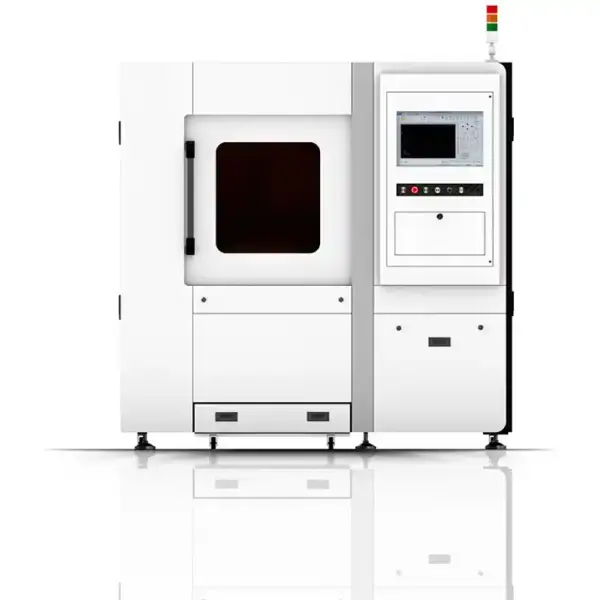
SF6060 fiber laser cutting machine
