Precision Engineering of Angle Steel for Automotive Exhaust Support Systems
In the production of automotive exhaust systems, the transition from traditional mechanical punching to fiber laser cutting has become a technical necessity. Angle steel components, often used for heavy-duty manifold brackets and catalytic converter supports, require high geometric accuracy to ensure proper fitment during robotic welding. This article analyzes the technical implementation of tube laser cutting machines specifically configured for angle steel, focusing on mechanical stability, risk mitigation in industrial environments, and thermal management.
Structural Stability: Cast Iron Bed and Vibration Damping
The foundation of high-precision angle steel processing lies in the machine’s bed construction. Automotive Tier-1 suppliers require tolerances within +/- 0.1mm over lengths exceeding 2000mm. A Cast iron machine bed is essential for this application. Unlike welded steel frames, a flake graphite cast iron bed (HT250 or HT300) provides superior vibration damping. During high-speed acceleration and deceleration of the cutting head, the inherent dampening properties of cast iron absorb the kinetic energy, preventing harmonic oscillations that would otherwise result in “chatter” marks on the cut edge of the angle steel.
The thermal stability of cast iron also ensures that the machine’s geometry remains consistent across multi-shift operations. In automotive plants where ambient temperatures fluctuate, the low thermal expansion coefficient of a seasoned cast iron bed maintains the alignment between the linear rails and the rack-and-pinion system, preventing long-term drift in hole-pitch accuracy.
3-Chuck vs. 2-Chuck Kinematics for Asymmetrical Profiles
Angle steel presents a specific challenge due to its asymmetrical cross-section and its tendency to twist or bow during the manufacturing process. A standard 2-chuck system (Rear Chuck and Front Chuck) often fails to provide sufficient support when cutting near the ends of the profile, leading to material sagging and inaccurate punch geometries.
The implementation of a 3-chuck system—comprising a feeding chuck, a middle-rotating chuck, and a finished-part chuck—is the industry standard for automotive exhaust bracketry. Zero-tailing technology is achieved through this configuration. The middle chuck acts as a steady rest, maintaining the center of rotation even when the angle steel has a slight longitudinal bow. By synchronizing the movement of all three chucks, the machine can process the entire length of the profile without material slippage. This is particularly critical for the “punching” (circular hole cutting) phase, where any lateral movement during the laser path would result in an elliptical hole, compromising the bolt-fastening integrity of the exhaust assembly.
Risk Mitigation: Fiber Source Stability and Chuck Precision
Operating a fiber laser in the vicinity of traditional metalworking—where grinding dust and metallic particles are prevalent—poses a risk to the optical integrity of the laser source. To mitigate this, the fiber source must be housed in an air-conditioned, NEMA-rated enclosure with a positive pressure system. This prevents the ingress of conductive dust that can cause internal arcing or degradation of the laser modules.
Precision in angle steel processing is further dependent on the Pneumatic self-centering chucks. Because angle steel does not have a central axis of symmetry like a round tube, the chuck jaws must be specifically designed with custom V-blocks or pressure-regulated clamping forces. Excessive pressure can deform the thin-walled angle steel used in lightweight exhaust designs, while insufficient pressure allows for axial rotation errors. Advanced systems utilize real-time pressure monitoring to adjust clamping force based on the material thickness and profile dimensions detected during the initial probing cycle.
Thermal deformation control Strategies
Laser cutting is a thermal process. When cutting thick-gauge angle steel for exhaust hangers, the localized heat input can cause the profile to expand and “walk” away from the focal point. To counter this, Thermal deformation control is integrated via two primary methods:
1. Nitrogen (N2) Assist Gas: Using high-pressure nitrogen instead of oxygen results in a cooling effect on the cut edge, reducing the Heat Affected Zone (HAZ) and preventing the oxidation that interferes with subsequent welding.
2. Intelligent Path Sequencing: The CNC software optimizes the cutting sequence to distribute heat across the profile. Instead of cutting all holes in a linear row, the laser skips between sections to allow for localized cooling, maintaining the overall dimensional integrity of the part.
Technical Comparison Table: Processing Methods
| Feature | Mechanical Punching | Fiber Laser (3-Chuck) |
|---|---|---|
| Dimensional Accuracy | +/- 0.5mm | +/- 0.05mm |
| Tailings Waste | 150mm – 300mm | 0mm – 50mm |
| Setup Time | High (Tooling Change) | Low (Software Load) |
| Structural Integrity | Material Stress/Cracks | No Stress (Non-contact) |
EHS Compliance and Workforce Integration
Modern laser systems significantly improve the Environment, Health, and Safety (EHS) profile of the factory floor. Mechanical punching and sawing are high-decibel operations that contribute to long-term hearing loss. In contrast, fiber laser cutting is relatively quiet, with the primary noise coming from the exhaust fans. Integrated dust extraction systems, utilizing pulse-jet cleaning filters, capture 99.9% of metallic particulates at the source, ensuring air quality standards are met without the need for extensive PPE.
For the younger workforce entering the automotive manufacturing sector, the barrier to entry is lowered by the shift from manual machine setting to digital operation. Modern CNC interfaces are designed with “One-Click” processing parameters. A 2-day training program is typically sufficient for a junior operator to learn the basics of material loading, nozzle centering, and software execution. This simplicity reduces the risk of human error and allows skilled engineers to focus on higher-level process optimization rather than repetitive manual adjustments.
Conclusion
For automotive exhaust systems, the adoption of fiber laser machines with a 3-chuck configuration and cast iron foundations represents a significant upgrade in production capability. By controlling thermal deformation and ensuring mechanical stability through superior bed damping and chuck precision, manufacturers can meet the rigorous demands of Tier-1 supply chains while improving EHS compliance and operational efficiency.
-
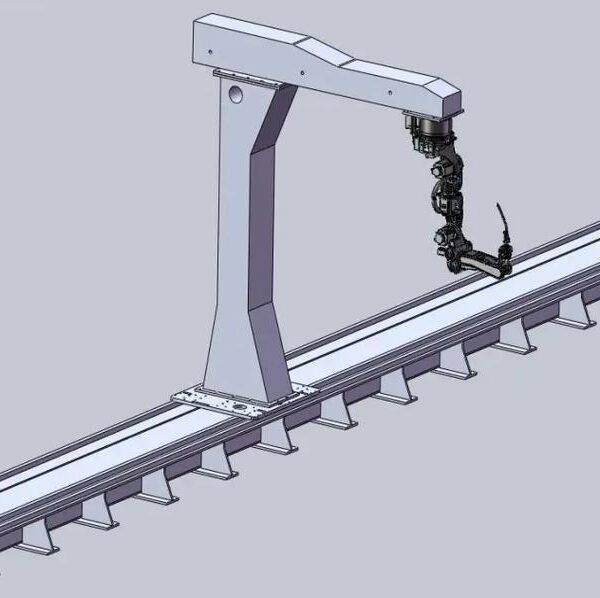

Cantilever Welding Robot solution
-
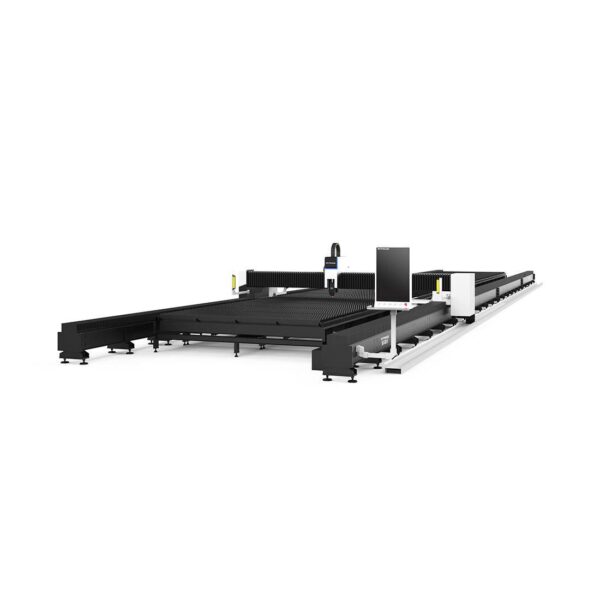

GF laser cutting machine
-
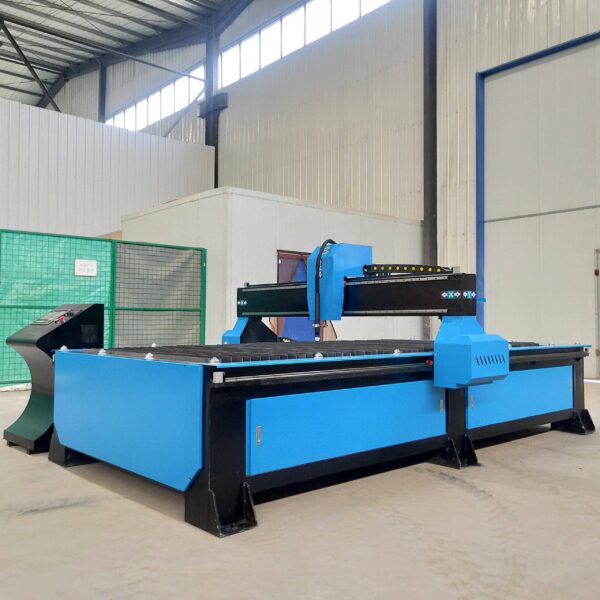
P3015 plasma cutting machine
-

LFP3015 Fiber Laser Cutter
-
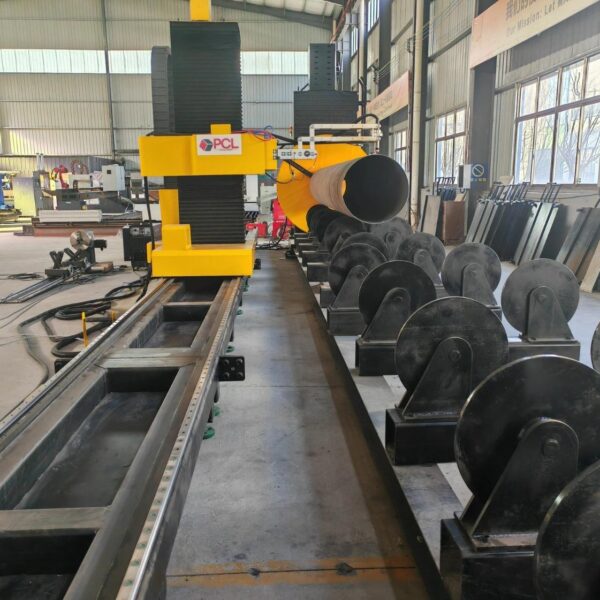
pipe plasma cutting machine
-
LFH 4020 Fiber Laser Cutting Machine
-
LFP4020
-
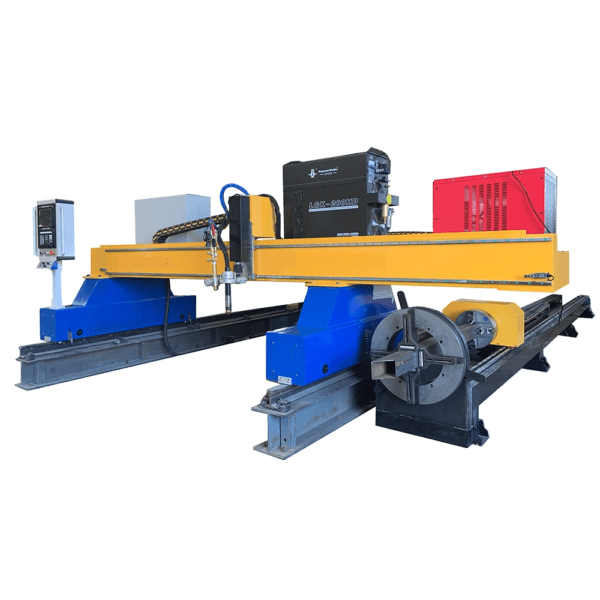
gantry plasma air cutting machine
-
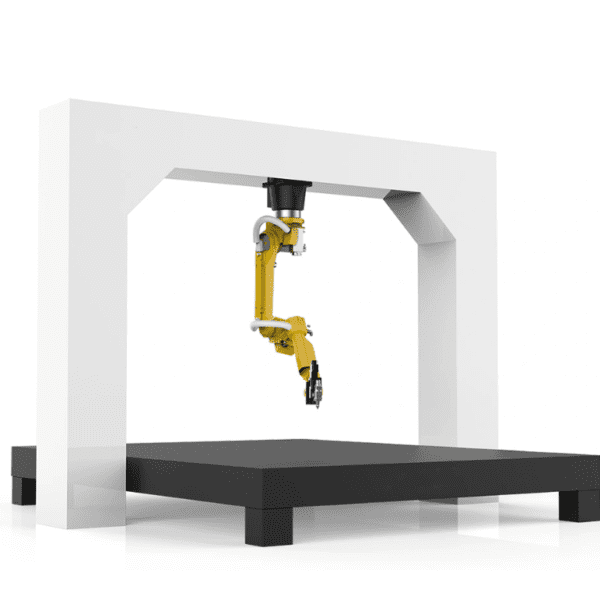
3D robot cutting machine
-
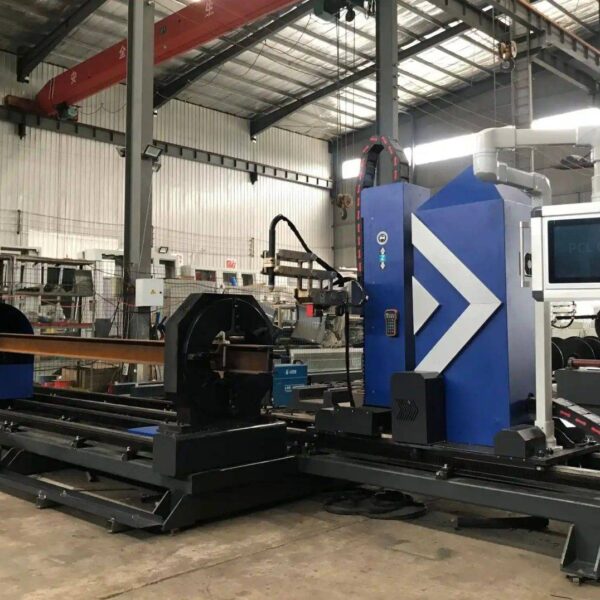
8 axis plasma cutting machine
-
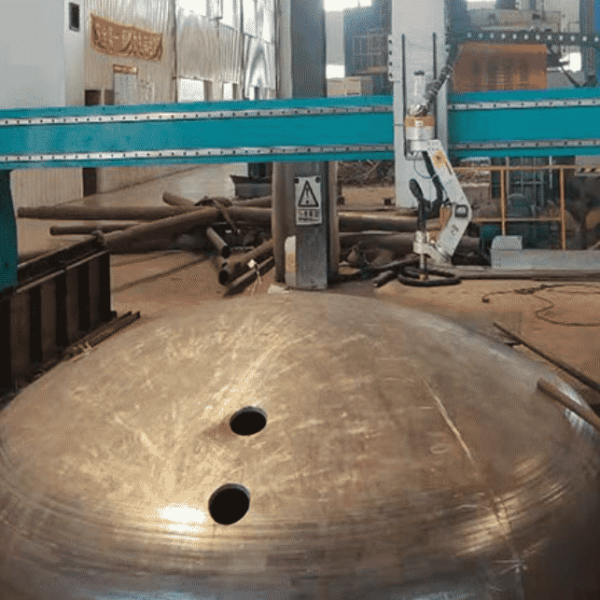
5 axis plasma cutting machine
-

LT360 tube laser cutting machine
-
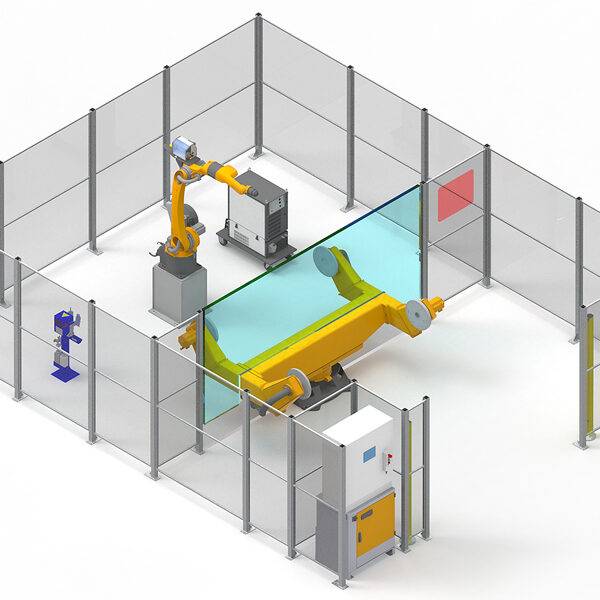
robot welding workstation
-
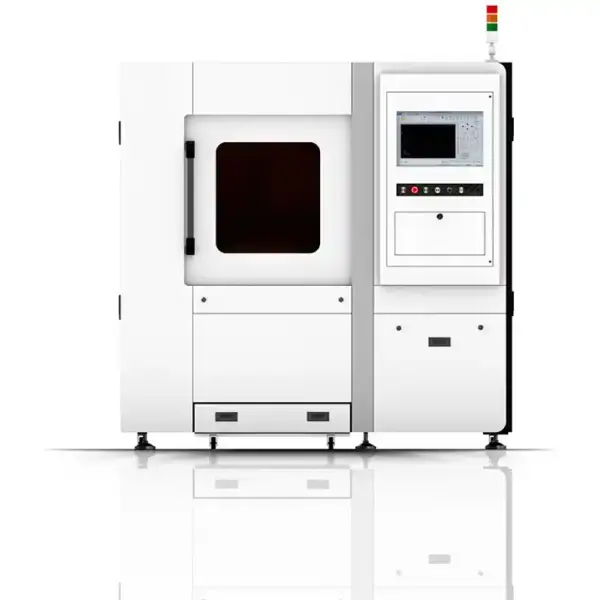
SF6060 fiber laser cutting machine
