Precision Integration of Angle Steel Processing and Robotic Laser Systems in Aerospace
The aerospace manufacturing sector requires high-strength structural components often derived from angle steel and specialized tubing. Traditional methods—comprising manual layout, mechanical punching, and band sawing—fail to meet the stringent tolerances and throughput demands of modern aviation contracts. By integrating precision tube laser cutting with a dedicated six-axis robotic arm, manufacturers transition from fragmented workflows to a unified cell that handles complex geometries and heavy-duty profiles in a single setup.
ROI and Cost Efficiency: Quantifying Labor Substitution and Material Yield
The primary driver for adopting integrated robotic laser cells is the radical reduction in direct labor costs. Conventional angle steel processing requires a minimum of three to five skilled operators to manage material handling, marking, drilling, and deburring. A robotic-integrated laser system automates the pick-and-place, feeding, and cutting cycles, allowing a single technician to oversee the entire operation. This shift reclaims over 6,000 man-hours annually per shift, directly impacting the bottom line.
Beyond labor, material utilization in aerospace—where alloys such as 4130 chromoly or high-grade aluminum are standard—is a critical cost variable. Standard tube lasers often leave a “dead zone” or tailing of 15cm to 30cm due to the physical constraints of the chuck. Advanced integrated systems utilize Six-axis motion control and synchronized dual-chuck movements to achieve zero-tailing technology. By enabling the laser to cut within millimeters of the chuck face, the system saves between 10cm and 20cm of raw material per pipe. In high-volume production, this reduction in scrap translates to a 5-8% decrease in total material expenditure.
Risk Mitigation: Environmental Stability and Mechanical Precision
Operating high-power fiber lasers in industrial environments introduces risks related to airborne particulates and mechanical misalignment. Aerospace components demand a narrow Kerf width and minimal thermal distortion, both of which are compromised if the fiber source or the delivery optics are exposed to dust.
Modern systems mitigate this by utilizing hermetically sealed fiber sources with independent cooling circuits. This prevents the “dust-trapping” effect common in older CO2 systems or poorly shielded fiber units. Furthermore, the integration of a robotic arm for angle steel handling necessitates extreme Pneumatic chuck calibration. If the chuck centering precision deviates by more than 0.1mm, the resulting hole alignments for aerospace fasteners will fail inspection. Precision-ground chuck jaws and automated centering sensors ensure that even asymmetrical angle steel is held with a repeatable concentricity of ±0.03mm, eliminating the risk of part rejection during the assembly phase.
Technical Comparison: Manual Fabrication vs. Integrated Robotic Laser
| Feature | Manual/Mechanical Process | Integrated Robotic Laser |
|---|---|---|
| Labor Requirement | 3-5 Workers | 1 Operator |
| Material Waste (per pipe) | 15cm – 25cm (Tailing) | 0cm – 5cm (Zero-Tailing) |
| Lead Time (Batch of 50) | ~3 Days | ~3 Hours |
| Complexity Capability | Linear only | Complex Intersections/Bevels |
| Accuracy | ±1.0mm | ±0.05mm |
Market Competitiveness: From 3 Days to 3 Hours
In the aerospace Tier 2 and Tier 3 supply chains, the ability to respond to “Just-In-Time” (JIT) requirements defines market position. Traditional angle steel punching and tube cutting involve multiple machine setups. A part may move from a horizontal band saw to a drill press, and finally to a manual deburring station. Each transition adds queue time and potential for human error.
The integrated robotic laser cell collapses these discrete steps into a single continuous process. High-speed fiber resonators combined with rapid robotic positioning reduce the lead time for a standard batch of aerospace support brackets from 72 hours to approximately 3 hours. This 95% reduction in cycle time allows manufacturers to bid on high-priority aerospace maintenance and repair (MRO) contracts that require overnight turnarounds.
Furthermore, the system masters high-difficulty intersection cutting. When an angle steel profile must join a cylindrical tube at an oblique angle, the geometry of the “fish-mouth” cut is complex. Manual grinding to achieve a flush fit is time-consuming and inconsistent. The laser system calculates the Heat-affected zone parameters and executes a 3D cut path that ensures a perfect fit-up for subsequent welding. This precision eliminates the need for filler material and reduces the weight of the final assembly—a critical metric in aerospace engineering.
Precision Engineering of the Robotic Interface
The integration of the robotic arm is not merely for material handling; it acts as a secondary positioning axis. While the laser head provides the thermal energy, the robot manipulates the angle steel through the cutting zone with synchronized interpolation. This allows for beveling and wrap-around cuts on the “legs” of the angle steel that are impossible for standard four-axis tube lasers.
To maintain the structural integrity of aerospace components, the system utilizes real-time power modulation. As the laser rounds the corner of an angle steel profile, the thickness of the material effectively changes. The controller adjusts the wattage and frequency instantaneously to prevent over-burning or dross accumulation. This level of control ensures that the Heat-affected zone is kept to a minimum, preserving the metallurgical properties of the alloy.
By focusing on these technical dimensions—ROI through labor and material savings, risk mitigation through environmental and mechanical shielding, and market dominance through lead-time compression—aerospace manufacturers can justify the capital expenditure of integrated robotic laser systems. The result is a more resilient, precise, and profitable production line.
-
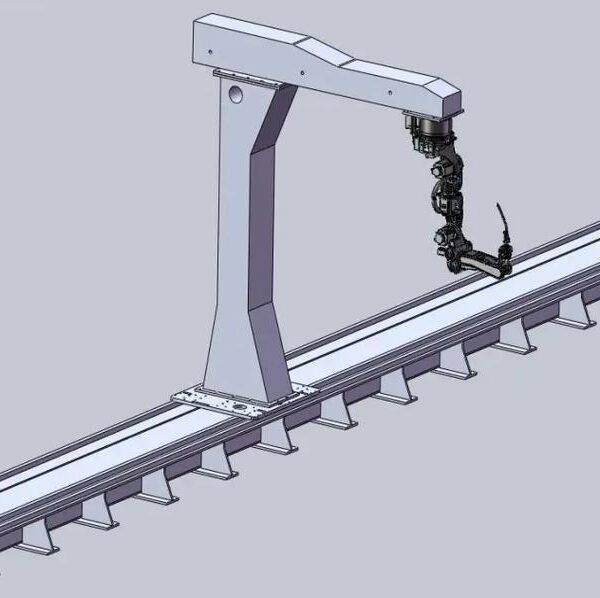

Cantilever Welding Robot solution
-
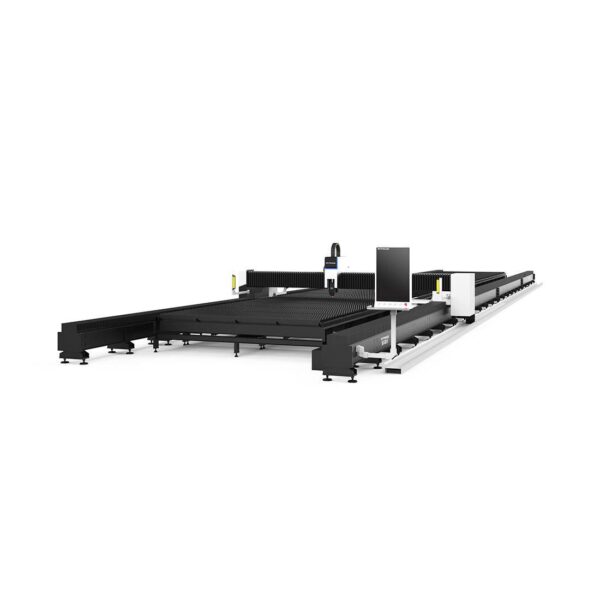

GF laser cutting machine
-
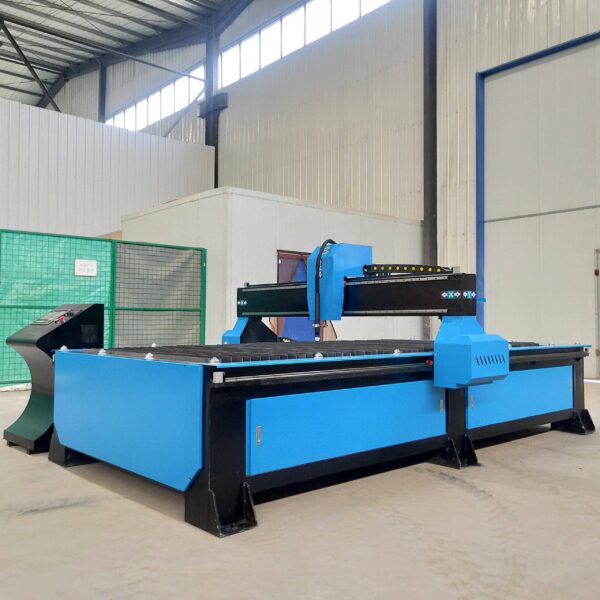
P3015 plasma cutting machine
-

LFP3015 Fiber Laser Cutter
-
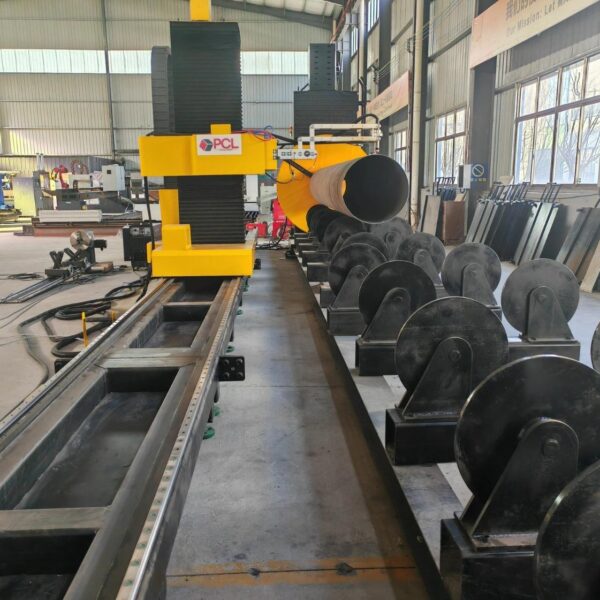
pipe plasma cutting machine
-
LFH 4020 Fiber Laser Cutting Machine
-
LFP4020
-
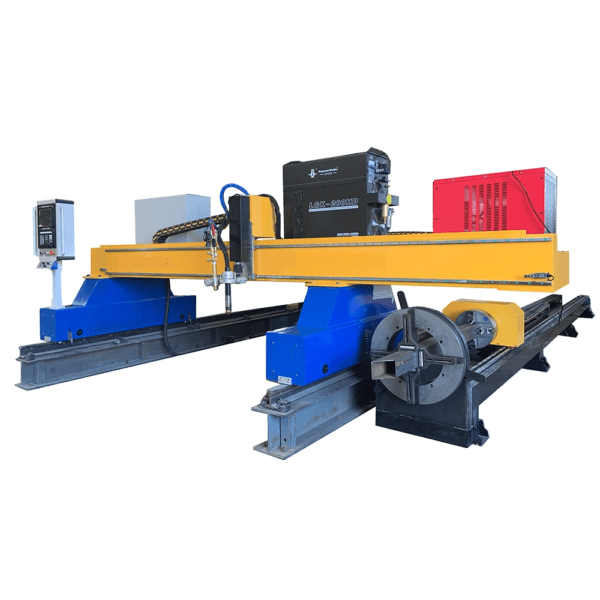
gantry plasma air cutting machine
-
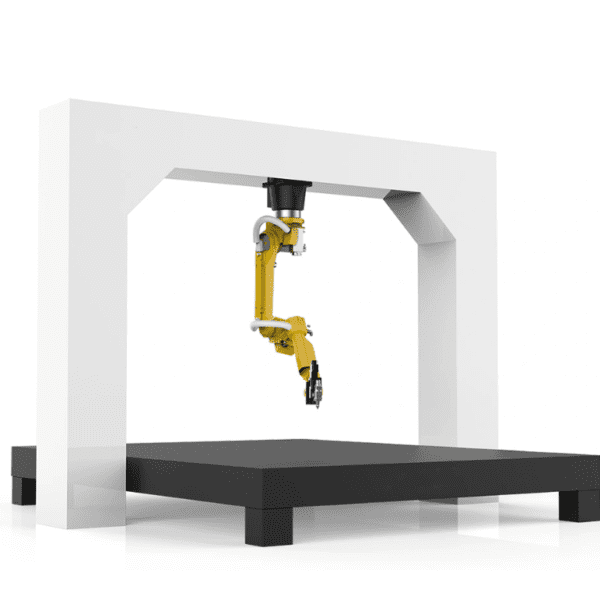
3D robot cutting machine
-
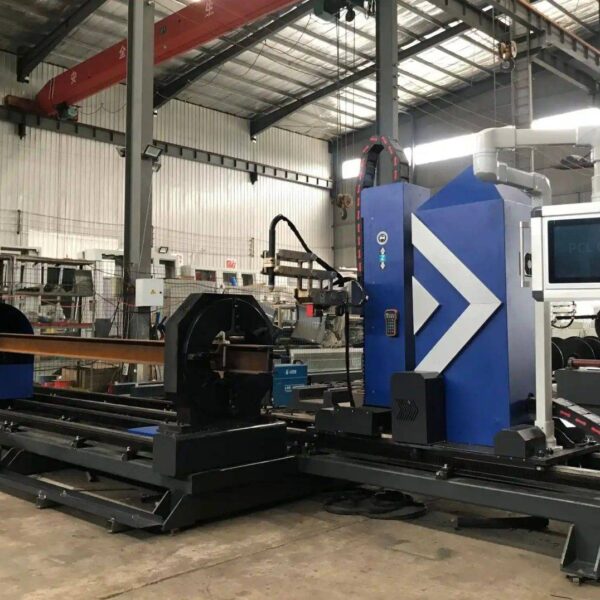
8 axis plasma cutting machine
-
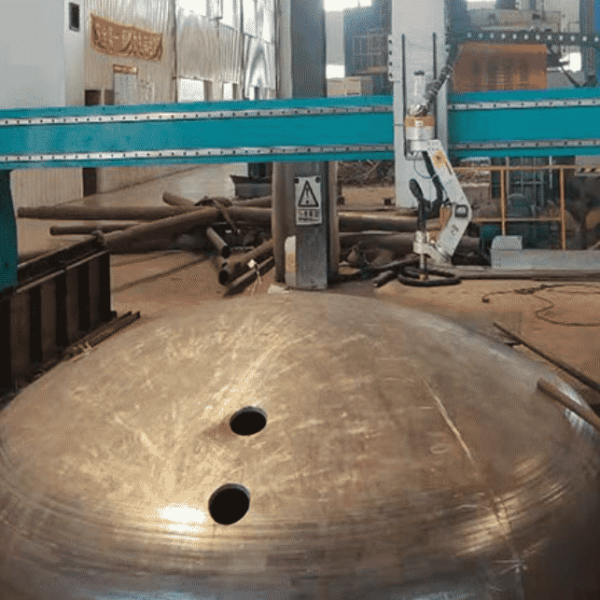
5 axis plasma cutting machine
-

LT360 tube laser cutting machine
-
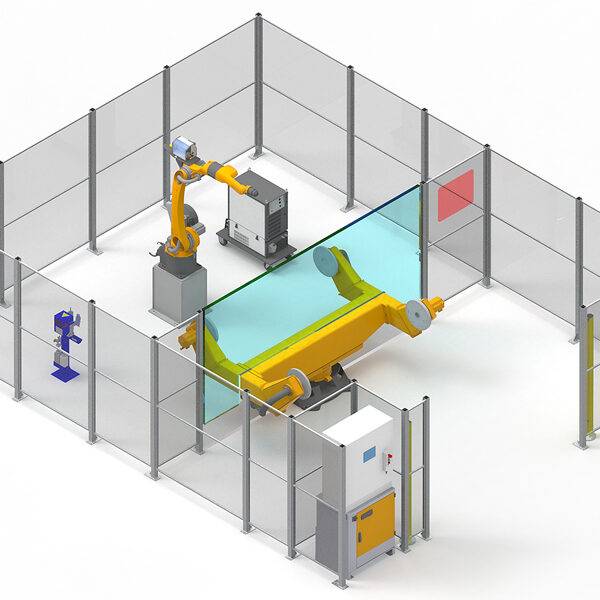
robot welding workstation
-
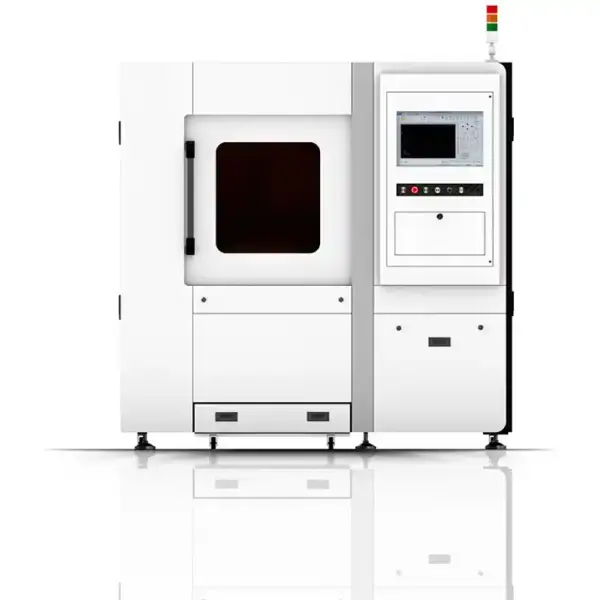
SF6060 fiber laser cutting machine
