Direct Value Integration: Angle Steel Processing in Heavy Construction
The transition from traditional hydraulic punching and mechanical shearing to integrated laser pipe cutting systems represents a fundamental shift in heavy construction fabrication. Traditional workflows for L-shaped profiles (angle steel) require multiple setups across separate machines: one for punching bolt holes, another for length cutting, and often a third manual station for complex beveling or intersection notches. This fragmented process introduces cumulative tolerance errors and significant material handling overhead. Modern laser systems equipped with Thermal deformation control consolidate these operations into a single continuous cycle, eliminating the need for manual layout and secondary processing.
Hardware Foundations: Cast Iron Bed and Vibration Damping
The structural integrity of the machine bed dictates the long-term precision of the laser head, particularly when handling heavy-duty angle iron that can exceed 12 meters in length. Welded steel frames, while cheaper to manufacture, suffer from internal stress concentrations and high-frequency resonance. In contrast, a cast iron bed offers superior Vibration Damping Capacity. This material property ensures that the kinetic energy generated by high-speed head movements is absorbed rather than reflected back into the cutting process.
For heavy construction, where material cross-sections are substantial, the rigidity of the bed prevents “beam flutter” during the cutting of thick-walled profiles. The thermal mass of cast iron also provides a buffer against ambient temperature fluctuations, maintaining the optical alignment of the laser delivery system. This stability is critical when performing high-accuracy hole patterns required for friction-grip bolted connections in structural steelwork.
Kinematic Stability: 3-Chuck vs. 2-Chuck Analysis
Handling angle steel presents unique challenges due to its asymmetrical center of gravity. Traditional 2-chuck systems often struggle with “sagging” or “whipping” as the profile rotates, leading to geometric inaccuracies in the finished part.
The implementation of a 3-chuck system addresses these issues through constant support and active centering. The middle chuck acts as a steady rest, preventing the profile from bowing under its own weight or the pressure of the laser head’s assist gas.
| Feature | 2-Chuck System | 3-Chuck System |
|---|---|---|
| Zero-Tailing Technology | Typically 150mm – 300mm waste | Reduced to near zero via pull-through |
| Structural Support | Ends only; center sag occurs | Continuous mid-point stabilization |
| Processing Length | Limited by cantilever weight | Optimal for 12m+ heavy sections |
| Rotation Accuracy | Moderate (asymmetry issues) | High (compensated clamping) |
The third chuck allows the machine to perform “pull-through” cutting. As the final piece is cut, the third chuck maintains a grip while the first two release, allowing the laser to process the very end of the material. This technology significantly improves the Material Utilization Rate, a key metric in high-volume construction projects where scrap costs can erode profit margins.
Overcoming Thermal Deformation in Heavy Profiles
Heavy-duty angle iron requires high-wattage laser sources (typically 6kW to 12kW) to maintain efficient cutting speeds. The resulting heat input can cause local thermal expansion, leading to “banana-ing” or twisting of the profile. To combat this, advanced systems use real-time Kerf Width Compensation and cooling algorithms.
The software dynamically adjusts the cutting path based on the temperature feedback of the material. By sequencing cuts—specifically alternating between the two flanges of the angle steel—the heat is distributed more evenly, preventing the concentration of thermal stress in a single plane. Furthermore, integrated air or water-mist cooling nozzles at the cutting head immediately quench the area, locking the profile into its intended geometry before the heat can propagate through the cross-section.
Market Competitiveness: From Days to Hours
The primary driver for adopting laser pipe systems in heavy construction is the drastic reduction in lead times. In a traditional shop environment, a batch of 50 angle steel braces with specific hole patterns and mitered ends would typically require a 3-day turnaround. This includes time for manual measurement, jig setup, punching, and deburring.
With a laser system, the same batch can be processed in approximately 3 hours. The digital workflow allows for high-difficulty intersection cutting—such as scallops or complex saddle cuts for pipe-to-angle connections—that are nearly impossible to perform accurately with mechanical tools. This capability allows contractors to bid on more complex structural designs that competitors using manual methods cannot execute profitably.
EHS Compliance and Labor Management
The labor market for skilled heavy-machinery operators is shrinking. Modern laser systems address this by simplifying the user interface. A young operator, even with minimal fabrication experience, can be trained to operate a CNC laser system in approximately 2 days. The software handles the complex trigonometry required for angle iron rotation, allowing the operator to focus on material loading and quality checks.
From an Environment, Health, and Safety (EHS) perspective, the advantages are quantifiable:
1. Noise Reduction: Traditional punching and shearing generate impulse noise levels often exceeding 110 dB. Laser cutting operates at a constant, lower frequency, significantly reducing the risk of noise-induced hearing loss and allowing for a more focused shop floor environment.
2. Dust and Fume Extraction: Integrated high-volume dust collectors capture particulate matter directly at the source. This ensures compliance with indoor air quality regulations and prevents the inhalation of metallic dust, a common hazard in traditional grinding and cutting zones.
3. Safety Enclosures: Modern systems are fully enclosed with laser-safe glass, preventing accidental contact with moving parts or high-energy beams. This “lights-out” capable safety architecture reduces the risk of workplace injuries compared to open-blade shears or manual drill presses.
By combining the structural stability of cast iron hardware with the precision of 3-chuck kinematics and thermal control software, heavy construction firms can achieve a level of throughput and safety that traditional methods cannot match. The ROI is realized not just in material savings, but in the radical compression of the production schedule.
-
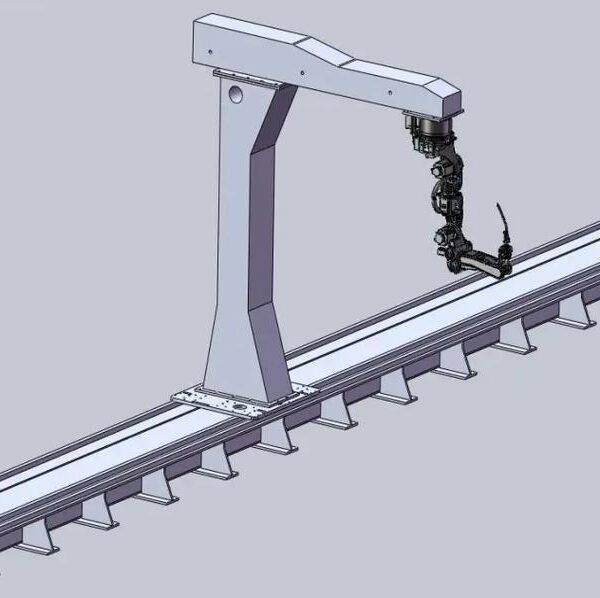

Cantilever Welding Robot solution
-
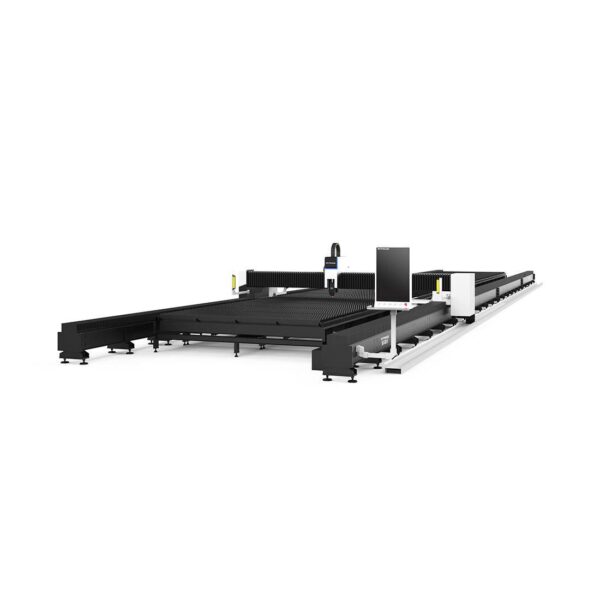

GF laser cutting machine
-
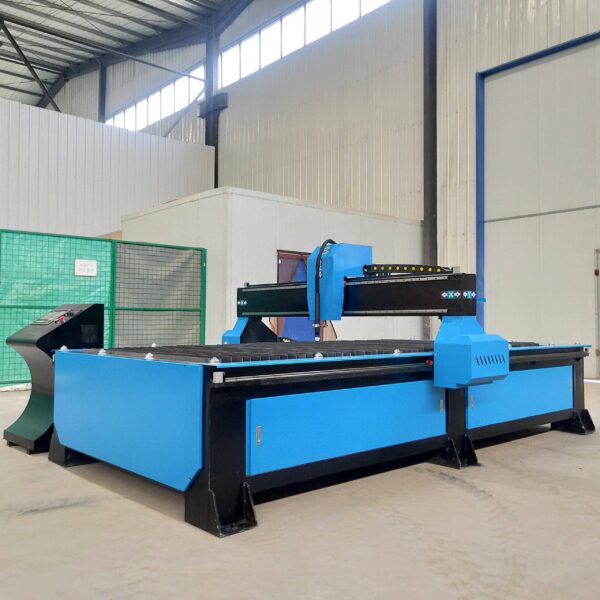
P3015 plasma cutting machine
-

LFP3015 Fiber Laser Cutter
-
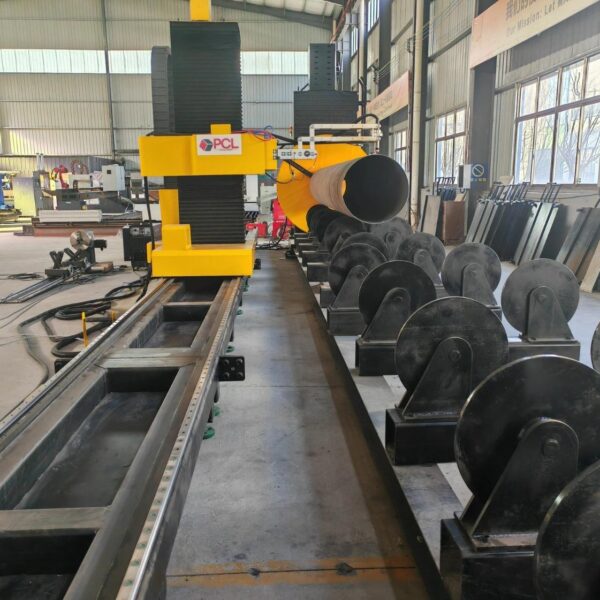
pipe plasma cutting machine
-
LFH 4020 Fiber Laser Cutting Machine
-
LFP4020
-
gantry plasma air cutting machine
-
3D robot cutting machine
-
8 axis plasma cutting machine
-
5 axis plasma cutting machine
-

LT360 tube laser cutting machine
-
robot welding workstation
-
SF6060 fiber laser cutting machine
Advanced Fiber Laser Tube Processing Technology
Our CNC Fiber Laser Tube Cutting systems revolutionize metal fabrication by integrating high-precision cutting, punching, and profiling into a single automated workflow. Designed for versatility, this technology handles a wide array of profiles including Round, Square, Rectangular, and Oval tubes, as well as complex L-shaped and U-shaped channels.
- Precision Punching: High-speed hole punching with micron-level accuracy, eliminating the need for mechanical drilling or die-stamping.
- Complex Profiling: Advanced 3D pathing allows for intricate interlocking joints and specialized notch cuts, ideal for structural frames.
- High Material Efficiency: Intelligent nesting software minimizes scrap, reducing raw material costs across large production runs.
- Clean Finish: Delivers oxide-free, burr-free edges that require zero secondary grinding before welding.

Seamlessly processing multiple profiles with consistent precision.
Global Delivery & Logistics



From our high-tech manufacturing facility directly to your global site. PCL WeldCut ensures secure packaging, professional handling, and reliable international logistics to safeguard your equipment throughout the entire journey.
